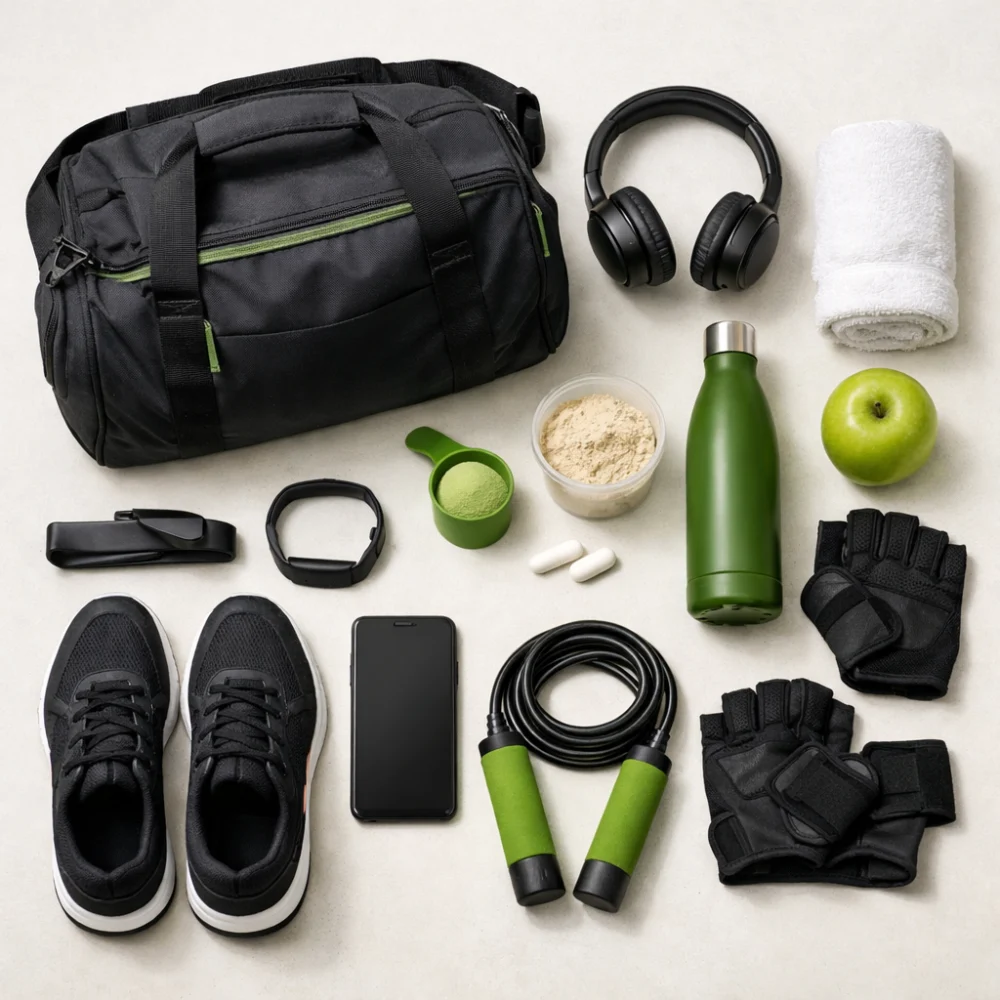
Gym bags are for carrying training kit in one place, from clothes and shoes to toiletries, water bottles and smaller items you want to keep separate. The right choice depends less on looks and more on how much you carry, how often you use it and whether you prefer a duffel, backpack or simple drawstring style.
If you only need to move a basic change of clothes, a compact bag may be enough. If you regularly take shoes, towels, wet kit or work items as well, it is worth looking for better organisation and separation inside the bag.
What should I look for in a gym bag?
Start with size, carry comfort and organisation. A gym bag that is easy to pack and easy to carry will usually matter more than any extra feature you may not use. Think about what you take to the gym on a typical day, then choose a shape and layout that suits that routine.
The main trade-off is between simplicity and separation: lighter, simpler bags are easy to grab and pack, while more structured bags can make it easier to keep clean and dirty items apart. Specifications vary by model, so always check the individual product page before buying.
| Feature | What it means | Why it matters | What to check |
|---|---|---|---|
| Size and capacity | How much the bag can hold in everyday use | Too small means cramming items in; too large can feel bulky | Whether it suits your usual kit, including shoes or spare clothing |
| Bag style | Duffel, backpack or drawstring shape | Different shapes suit different carrying preferences and journeys | How you prefer to carry it and how you travel to the gym |
| Compartments | Separate pockets or sections inside and outside the bag | Helps organise keys, phone, bottles and small accessories | Whether you need quick-access pockets or a dedicated shoe area |
| Material and finish | The outer material and how easy it is to wipe clean | Affects day-to-day practicality and how the bag handles regular use | Whether the finish seems suitable for frequent carrying and cleaning |
| Carry comfort | Handles, straps and how the bag sits when carried | Important if you walk, cycle or commute with it often | Whether the carry style suits your route and load |
Which details matter most?
1. Size and everyday load
Consider the items you carry most often rather than the largest load you carry once in a while. A bag that matches your usual kit is easier to live with, packs more neatly and is less likely to become awkward when full. If you often add trainers, a towel or toiletries, allow room for those without forcing everything into one compartment.
2. Organisation and separation
Gym bags vary a lot in how they separate items. Some buyers want one open space for quick packing, while others prefer extra pockets for small items or a dedicated section for shoes or damp kit. If you regularly carry wet clothes or footwear, separation can make the bag more practical to use.
3. Carry style
Choose the carry style that fits your journey. A duffel is often straightforward for packing and unpacking, while a backpack-style bag can be easier if you want both hands free. A drawstring bag may suit lighter loads, but it is usually less organised and less supportive for heavier or more varied kit.
4. Access and convenience
Think about how often you need to reach smaller items during the day. External pockets can be useful for essentials you want to find quickly, while larger openings can make packing easier. If you are often in a hurry, a bag with a simple layout may be more useful than one with many compartments that are harder to sort through.
Common gym bag types
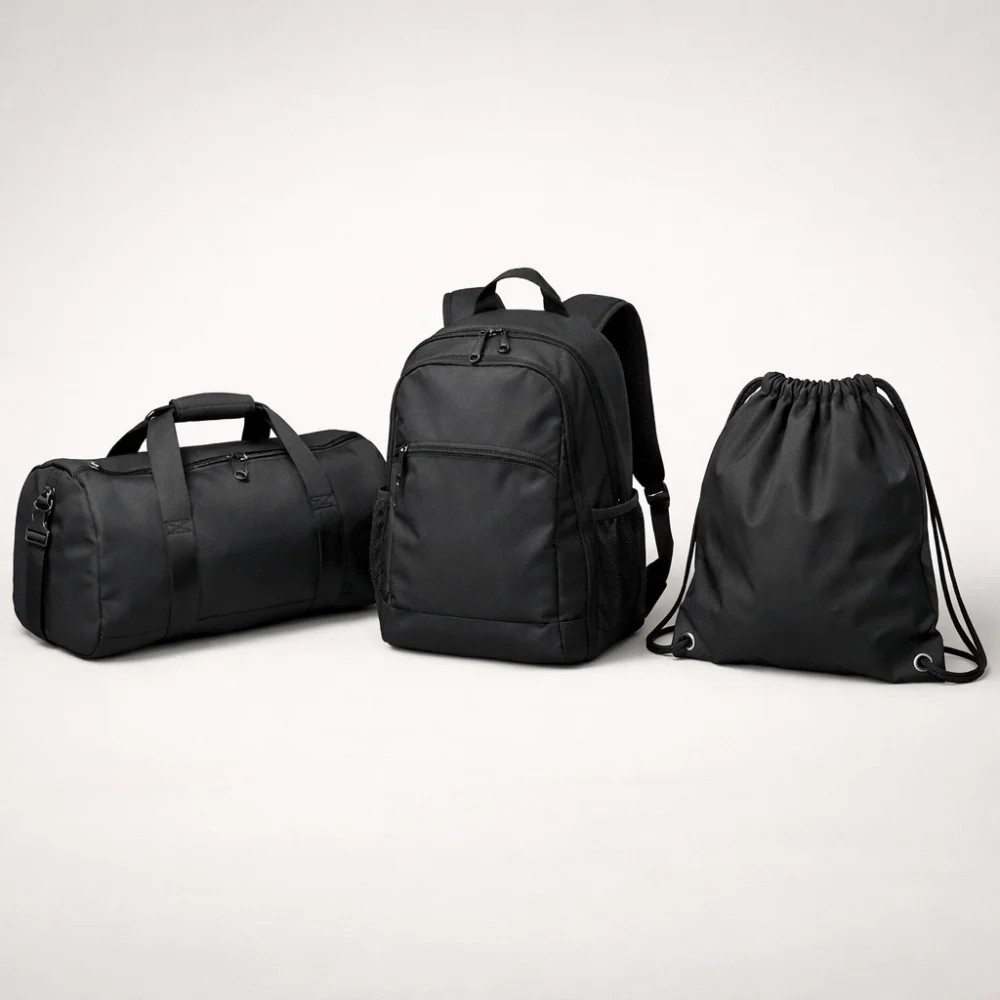
Duffel bags are the most familiar choice for gym use. They often suit people who carry a mixed kit and want a simple main compartment with some extra pockets.
Backpack-style gym bags suit buyers who want hands-free carrying, especially for commuting or walking. They can feel more comfortable over longer carries, but the internal shape may be less open than a classic duffel.
Drawstring bags work best for very light loads or occasional use. They are compact and simple, but limited organisation and carrying comfort make them less suitable if you regularly take several items.
What kind of gym bag suits different buyers?
| Buyer need | Helpful features | Typical compromise |
|---|---|---|
| Simple gym visits | Compact size, one main compartment, easy carry | Less separation for shoes or wet kit |
| Commute-friendly use | Hands-free carry, comfortable straps, easy access pockets | May be less open inside than a duffel |
| Mixed kit and changing gear | Extra pockets, separated sections, room for shoes or toiletries | Can be larger and more structured |
| Occasional or lightweight use | Lightweight design, simple packing, compact storage | Less support and organisation |
Common mistakes to avoid
- Choosing a bag that is too small for shoes, towels or a change of clothes. It is usually better to match the bag to your routine rather than your ideal packing habit.
- Focusing only on appearance and ignoring carry comfort. A bag that looks good but is awkward to move can become irritating quickly.
- Buying extra compartments you will not use. More pockets are not always better if you prefer quick, simple packing.
- Assuming every gym bag handles wet kit the same way. If that matters to you, check the product page for the bag’s layout and cleaning practicality.
Suitability and practical caveats
Gym bags are general carry items, so the main question is whether the bag suits your load and routine. If you plan to carry damp clothing, shoes or toiletries, it is sensible to check how the bag separates items and how easy it is to clean. If you use it for commuting as well as training, comfort and organisation may matter more than a very simple design.
Do not assume a bag is suitable for every type of use just because it is described as a gym bag. The most useful choice is the one that matches the way you actually travel and pack.
Care, storage and everyday use
Most buyers will want a bag that is easy to empty, wipe down and store between sessions. A bag with fewer awkward corners or a simpler lining can be easier to keep tidy. If you use it frequently, consider whether it folds or packs away neatly when not in use, and whether the material looks easy to maintain in everyday conditions.
How to compare gym bags efficiently
- List the items you carry most often.
- Decide whether you want a duffel, backpack or drawstring style.
- Check whether the layout helps with shoes, wet kit and small essentials.
- Think about carry comfort for your usual journey.
- Compare the product page details and choose the simplest bag that meets your needs.
Buyer checklist
- Does the size suit your usual gym kit?
- Do you want a duffel, backpack or drawstring design?
- Is there enough organisation for the items you carry?
- Will the carry style suit walking, commuting or driving?
- Do you need separate space for shoes or damp items?
- Is the bag likely to be easy to clean and store?
Frequently asked questions
What size gym bag do I need?
Choose the smallest size that still fits your usual kit comfortably. If you only carry clothing and a few small items, a compact bag may be enough. If you add shoes, toiletries or a towel, you will usually want more room and better internal organisation.
Is a backpack or duffel better for the gym?
Neither is always better; it depends on how you travel. Duffels are often easier to pack and unpack, while backpacks can be more comfortable if you walk or commute with your bag. The best option is the one that suits your route and how often you carry it.
Do I need a shoe compartment?
Only if you want to keep footwear separate from clothing or other kit. Some buyers find this very useful for tidiness and convenience, while others are happy with one main compartment. It comes down to how often you carry trainers and how much separation you prefer.
Are gym bags suitable for travel as well?
Some are, especially larger duffels or more structured backpack styles, but that depends on size and layout. If you plan to use one bag for both gym and short trips, check whether it has enough space and enough organisation for both purposes.
What is the easiest gym bag to keep clean?
In general, a simpler bag with an easy-wipe finish and fewer deep pockets is easier to maintain. If you regularly carry damp kit or outdoor footwear, look carefully at the interior layout and cleaning practicality rather than focusing only on the outside appearance.
How do I choose between more pockets and a simpler design?
Pick the simpler design if you prefer fast packing and unpacking. Choose more pockets if you regularly carry smaller items that can otherwise get lost in one large compartment. The right balance depends on whether convenience or organisation matters more to you.