
Gym Bags
Gym bags are practical bags designed to carry workout clothing, trainers, towels, water bottles, toiletries and other exercise essentials. They are useful for gym sessions, sports clubs, school PE, swimming, commuting, travel and weekend activities, depending on the bag style and features listed.
The right gym bag should suit what you carry, how you travel and how often you train. Size, compartments, strap comfort, material, shoe storage, wet kit handling and ease of cleaning are all worth comparing before choosing.
- Gym Bags
SKYSPER 35L Gym Bag with Wet Compartment and Shoe Compartment
Original price was: £33.99.£27.19Current price is: £27.19. *View On Amazon* - Gym Bags
BAGSMART 25L Women’s Gym Bag with Shoe Compartment
Original price was: £29.99.£19.99Current price is: £19.99. *View On Amazon* - Gym Bags
BAGSMART 24 L Women’s Gym Travel Bag with Wet Pocket
Original price was: £32.99.£21.99Current price is: £21.99. *View On Amazon* - Gym Bags
adidas Essentials Linear Duffel Bag, Olive Strata/Black, M
Original price was: £30.00.£28.00Current price is: £28.00. *View On Amazon* - Gym Bags
adidas Essentials Linear Duffel Bag XS, Dark Blue/White
Original price was: £18.99.£15.61Current price is: £15.61. *View On Amazon* - Gym Bags
PUMA teamGOAL Gym Sack
Original price was: £10.00.£5.49Current price is: £5.49. *View On Amazon* - Gym Bags
Under Armour Undeniable 5.0 Medium Duffle Bag, Grey
Original price was: £40.00.£26.99Current price is: £26.99. *View On Amazon* - Gym Bags
42L Waterproof Gym Bag with Shoe Compartment and Wet Pocket
Original price was: £22.99.£15.99Current price is: £15.99. *View On Amazon* - Gym Bags
Puma Challenger Duffel Bag S Black, 35 L
Original price was: £25.40.£23.62Current price is: £23.62. *View On Amazon* - Gym Bags
LOVEVOOK Women’s Gym Duffel Bag with Shoe Compartment
Original price was: £32.99.£21.98Current price is: £21.98. *View On Amazon*


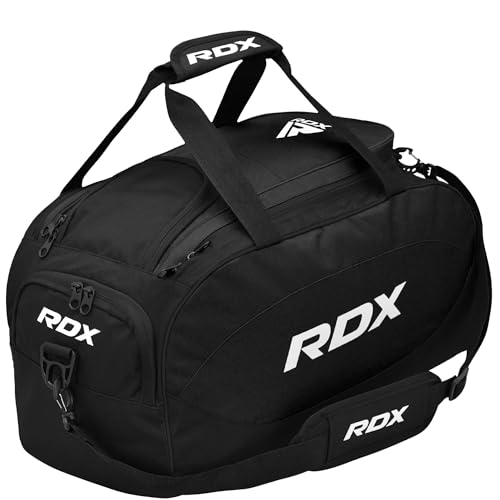


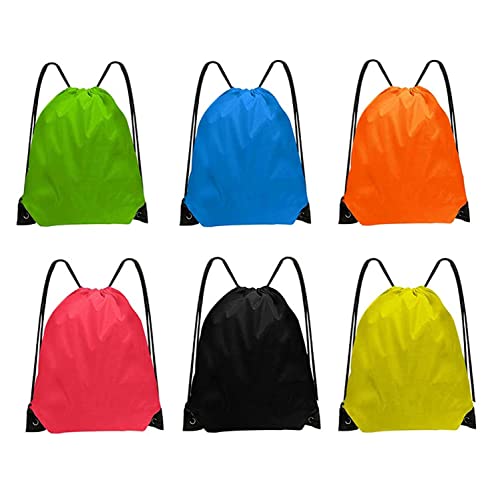


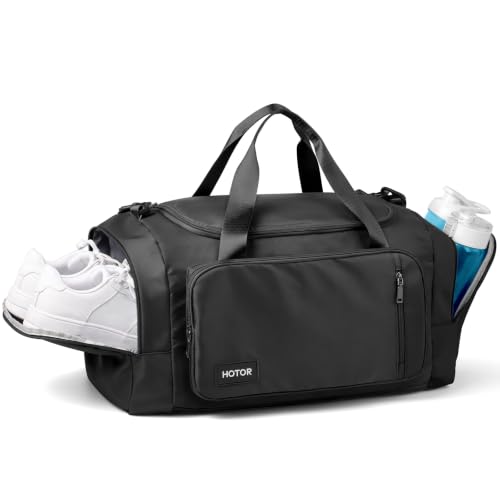

What Are Gym Bags?
Gym bags are bags made for carrying sports, fitness and active lifestyle kit. They can include holdalls, duffel bags, drawstring bags, backpacks, shoulder bags, boot bags and compact training bags, depending on the products listed.
Some gym bags are simple and lightweight, while others may include separate shoe compartments, wet pockets, bottle holders, internal organisers, padded straps, grab handles or ventilated sections where listed. The best choice depends on your routine rather than size alone.
A good gym bag should make it easier to keep your kit together before, during and after training.
What Are Gym Bags Used For?
Gym bags are used for carrying clothing, footwear, towels, toiletries, water bottles, protein shakers, headphones, resistance bands, swimming kit and personal items. They help keep your exercise essentials organised and easier to transport.
They can be used for weight training, fitness classes, swimming, football, tennis, running clubs, school sport, dance, boxing, martial arts and general active routines where suitable.
For commuters, a gym bag can help separate work items from training kit. For students and children, it can keep PE clothes, trainers and sports accessories in one place. For regular gym users, it can become part of a simple, repeatable training routine.
How To Choose The Right Gym Bag
Start by thinking about what you normally carry. If you only take a T shirt, shorts and water bottle, a compact bag may be enough. If you carry trainers, a towel, toiletries and spare clothing, a larger holdall or backpack style gym bag may be more practical.
Next, consider how you travel. If you walk, cycle or use public transport, comfortable straps and a secure shape matter. If you drive to the gym, a larger bag may be easier to manage because it can sit in the car boot.
Compartments are also important. A single large space can be simple and flexible, but separate pockets can help keep shoes, wet towels, keys, phones and toiletries apart. If you often carry damp kit, look for wet storage or easy clean sections where listed.
Think about storage at the gym too. A bag that is too large may be awkward in lockers or changing rooms, while one that is too small may leave you carrying loose items by hand.
Key Features To Compare
When comparing gym bags, look at capacity, material, zip quality, pocket layout, strap comfort, carry handles, base structure, ventilation, wet kit storage and care instructions.
Material affects weight, durability and cleaning. Some bags may be made from wipe clean fabrics, while others may be softer, lighter or more flexible depending on the product. If you train often, easy cleaning can be just as useful as appearance.
Straps and handles make a big difference. Shoulder straps can be useful for longer walks, while grab handles are handy for quick movement between home, car, locker and changing room. Padded straps where listed may feel more comfortable when the bag is heavier.
Pocket layout should match your routine. A small valuables pocket can help with keys and cards. Side pockets can suit bottles or quick access items. Internal pockets can help with toiletries, headphones or gym accessories.
Gym Bags Compared With Backpacks Holdalls And Drawstring Bags
A traditional gym bag or holdall is often useful when you need space for trainers, towel and clothing. It can be easy to pack and easy to access in a changing room.
A gym backpack may be better for commuting, cycling or walking because it spreads weight across both shoulders. It can also feel more compact in busy places, depending on the design.
A drawstring gym bag is usually lightweight and simple. It may suit school PE, light kit, swimming or occasional use, but it may not offer the same structure, comfort or organisation as a larger bag.
A travel holdall can work for gym use, but it may be larger than needed for daily training. A sports specific gym bag may offer more practical features such as shoe storage, wet pockets or bottle access where listed.
The right option depends on how much kit you carry and how you move between home, work, school and the gym.
Guidance For First Time Regular And Serious Gym Users
First time gym users should choose a bag that is easy to pack, comfortable to carry and large enough for the basics. A simple gym bag with space for clothing, towel and bottle is often a sensible starting point.
Regular gym users may want to compare compartments, strap comfort, material quality and how well the bag handles repeated use. A bag used several times a week needs to be easy to live with, not just smart looking.
Serious gym users may need more storage for lifting shoes, belts, straps, wraps, resistance bands, supplements, shakers and spare clothing. Separate compartments can make a bigger difference when the bag carries more than standard kit.
For people who train before or after work, organisation matters. A bag that separates clean clothes, used kit and toiletries can make the whole routine feel smoother.
Use Cases By Activity And Lifestyle
For gym training, choose a bag with enough room for clothing, towel, water bottle and any training accessories you use. Easy access pockets can make it simpler to find headphones, keys or membership cards.
For swimming, look for space for towels, swimwear, goggles and toiletries. Wet kit storage where listed can be useful after a session.
For team sports, a larger gym bag or sports holdall may be useful for boots, spare clothing, socks, shin pads, gloves or protective kit depending on the sport.
For school PE, a lightweight and simple gym bag can help keep kit together. Easy fastening and a sensible size are often more important than lots of advanced features.
For commuting, a gym backpack or compact holdall may work well. Consider how the bag feels on public transport and whether it has space for both work and training items where suitable.
For travel, a gym bag can double as an overnight or weekend activity bag where the size and design suit your needs. Check the product details if you need it for specific travel requirements.
Fit Compatibility And Carrying Comfort
A gym bag should be comfortable to carry when packed with your normal kit. If it feels awkward when empty, it may become frustrating once trainers, bottles and towels are added.
Check the strap length, handle style and carrying options where listed. Some people prefer a shoulder strap, while others prefer backpack straps or simple grab handles. The right choice depends on your journey and load.
Compatibility with lockers, car boots, bike baskets, office storage and changing rooms is also worth thinking about. A bag that fits your actual routine will usually be more useful than one chosen only for capacity.
If you carry bulky trainers, boxing gloves, sports shoes or towels, make sure the shape of the bag works with those items. A wide opening can make packing easier, while a narrow opening may be more awkward with larger kit.
Shoe Storage Wet Kit And Organisation
Shoe storage can be useful if you want to keep trainers or sports footwear separate from clean clothing. Some gym bags may include a dedicated shoe compartment where listed, while others may need a separate shoe bag.
Wet kit storage is useful for swimming, rainy training, sweaty clothing or damp towels. A separate wet pocket where listed can help keep damp items away from dry clothing, although wet kit should still be removed and dried properly after use.
Organisation matters because gym bags often carry a mix of clean, used and personal items. Small pockets can help keep valuables easier to find, while larger compartments can hold clothing and towels.
For toiletries, consider whether the bag has enough space for wash items, deodorant, shower products or a separate wash bag. Leaks can happen, so keeping liquids in a suitable pouch is sensible.
Safety Care Maintenance And Storage
Do not overload a gym bag beyond what feels comfortable to carry. Heavy bags can strain shoulders, backs or hands, especially if carried for long distances or on one side of the body.
Keep valuables secure and avoid leaving expensive items unattended in changing rooms, vehicles or public spaces. Use lockers where available and follow the rules of the gym, school or venue.
After training, remove damp towels, sweaty clothing and wet shoes as soon as practical. Leaving damp kit inside the bag can cause odours and may affect the fabric or lining.
Clean the bag according to the care instructions. Some bags can be wiped clean, while others may need more careful treatment. Do not assume every gym bag is machine washable.
Store the bag clean, dry and open where practical so air can circulate. Check zips, seams, straps and buckles regularly, especially if the bag is used often.
Useful Accessories To Consider
Useful accessories can include water bottles, protein shakers, towels, wash bags, shoe bags, padlocks, gym gloves, resistance bands, headphones cases, packing cubes and laundry pouches.
For swimming or sweaty sessions, a separate wet bag or laundry pouch can be useful. For commuting, a compact organiser can help separate work items from gym kit.
For team sports, boot bags, ball bags and protective gear storage may also be worth considering where suitable. For regular gym users, keeping a small kit checklist inside the bag can help reduce forgotten items.
Why Buy Gym Bags From YPC?
At YPC, we understand active lifestyles and the need for practical products that work in real use. Gym bags can vary by size, material, pocket layout, strap comfort, shoe storage, wet kit handling and activity suitability, so comparing the details helps you choose with more confidence.
YPC helps you browse gym bags with real routines in mind, whether you are buying for fitness training, swimming, school PE, commuting, team sports, travel or everyday active use. Explore the Gym Bags category to browse the available options and compare the features that matter most for carrying, organising and protecting your kit.
FAQs
What should I look for in a gym bag?
Look for the right size, comfortable straps, practical pockets, easy cleaning, durable material and enough space for your normal kit. If you carry shoes or wet clothing, check for separate compartments where listed.
What size gym bag do I need?
The right size depends on what you carry. A compact bag may suit light sessions, while a larger holdall may be better for trainers, towels, toiletries, spare clothes and sports accessories.
Are gym backpacks better than holdalls?
Gym backpacks can be better for walking, cycling or commuting because they spread weight across both shoulders. Holdalls can be easier to pack and may offer more open space for larger kit.
Do gym bags have shoe compartments?
Some gym bags include shoe compartments where listed, but not all do. If shoe storage matters, check the product details carefully or consider using a separate shoe bag.
Can gym bags be used for swimming?
Yes, many gym bags can be used for swimming where they have enough room for towels, swimwear, goggles and toiletries. Wet pockets or separate pouches where listed can be useful for damp kit.
Are gym bags suitable for school PE?
Yes, gym bags can be useful for school PE if the size, fastening and carrying style suit the child. Lightweight bags, drawstring bags or compact sports bags may be practical for school use.
How do I stop a gym bag smelling?
Remove damp clothing, towels and shoes as soon as possible after training. Let the bag air out, clean it according to the care label and store it dry between sessions.
Are gym bags waterproof?
Some gym bags may have water resistant materials or protective sections where listed, but not all gym bags are waterproof. Check the product description carefully if rain or wet kit protection is important.
Can I use a gym bag for travel?
Many gym bags can be useful for travel, overnight stays or weekends where the size and layout suit your needs. Check the product dimensions and travel requirements where relevant before relying on it.
How should I clean a gym bag?
Follow the care instructions for the product. Wipe away dirt, remove damp kit quickly and let the bag dry fully before storing. Avoid washing methods that are not recommended for the material.
 Getting ready for Summer? View our Home and Garden Products

Heading outdoors this winter? Take a look at our Outdoor Clothing.