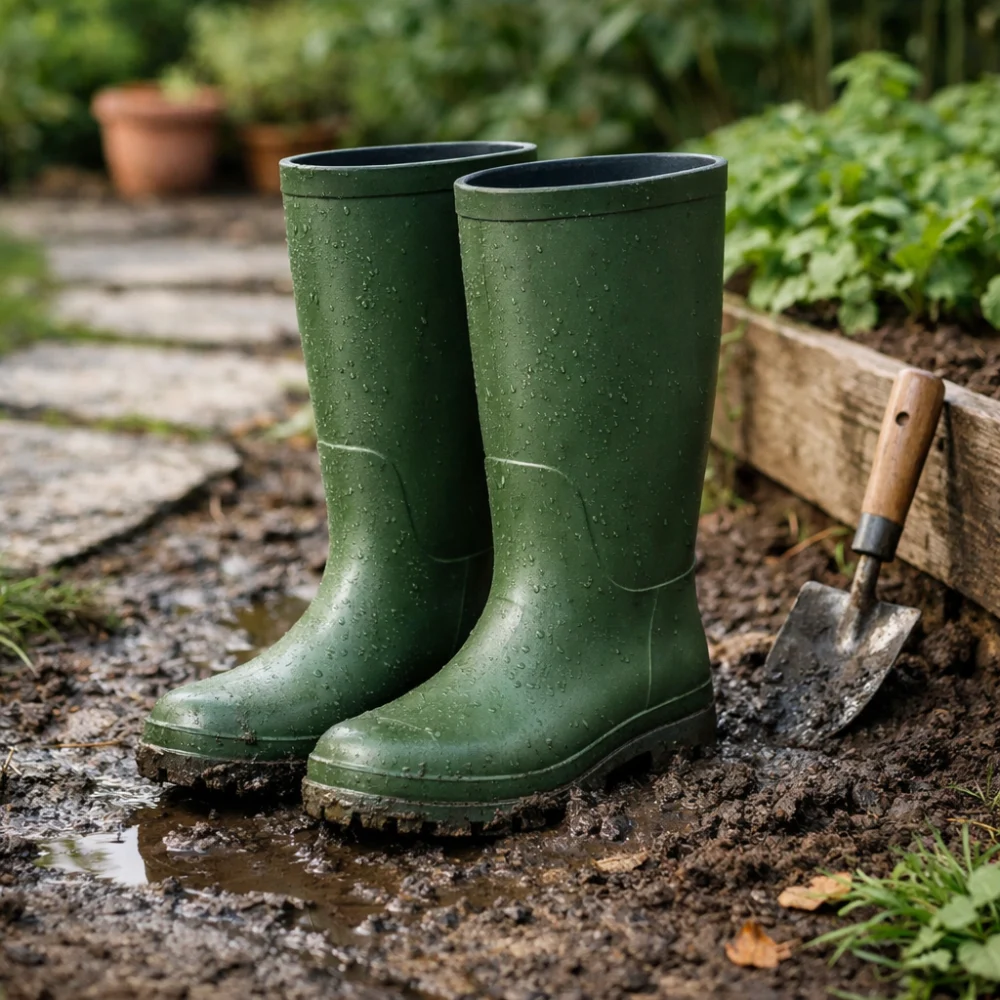
Men’s Wellington boots are a straightforward category, but the right pair depends on where you plan to wear them and how much comfort, grip and protection you need. Some buyers want simple rain boots for occasional outdoor chores, while others need a more robust boot for regular work or long periods on wet ground.
This guide helps you compare the features that usually matter most, without assuming that every boot serves the same purpose. It is especially useful if you are choosing between lighter casual wellies, warmer lined styles and more protective work-oriented options.
What should I look for first when buying men’s Wellington boots?
Start with the main job the boots need to do. If you only need occasional waterproof footwear for gardens, fields or festivals, comfort and ease of use may matter more than heavy-duty protection. If you expect regular exposure to mud, standing water, rough ground or workplace hazards, look more closely at shaft height, sole design, lining and any safety features listed on the individual product page.
The biggest trade-off is usually between simple, flexible comfort and added protection or durability. More robust boots can be less light and less easy to walk in all day, so it helps to decide what matters most before comparing details.
| Feature | What it means | Why it matters | What to check |
|---|---|---|---|
| Waterproof construction | How the boot is designed to keep water out | Essential for wet ground, rain and mud | Look for clear waterproof wording and how high the boot comes up the leg |
| Fit and calf room | How the boot sits on the foot, ankle and lower leg | Affects comfort, walking ease and whether trousers tuck in easily | Check size guidance, shaft width information and whether the boot is unisex or men’s specific |
| Sole grip | The tread pattern and outsole design | Helps on slippery, muddy or uneven ground | Compare sole descriptions and think about where you will wear them most often |
| Lining and insulation | Whether the inside is unlined, lined or made for colder conditions | Changes warmth and day-long comfort | Check the lining description and whether the boot is intended for warmer or colder weather |
| Safety features | Extra protection such as reinforced toes or other work-related features | Important for some work settings, but not needed for every buyer | Read the product page carefully and only choose what you genuinely need |
| Weight and flexibility | How heavy and stiff the boot feels in use | Affects walking comfort and how tiring the boots feel over time | Use the product description as a guide and compare this with your intended use |
Key decision criteria
Use case
Think about whether you are buying for general wet-weather wear, gardening, fieldwork, stable use or a workplace setting. That decision often narrows the choice more effectively than focusing on appearance alone. A boot that is ideal for quick outdoor jobs may feel too basic for long shifts or rough terrain.
Height and coverage
Wellington boots vary in how much of the lower leg they cover. Higher boots can offer more splash and mud coverage, while shorter styles may feel easier to move in. If you expect deep mud or wet grass, the extra coverage can be useful; if you mainly need an easy pull-on boot for occasional rain, a lower profile may be enough.
Warmth and lining
Some buyers want a boot that is easier to wear across more seasons, while others need extra warmth for cold, damp conditions. Lining can make a noticeable difference to comfort, but it also affects fit. If you plan to wear thicker socks, check whether the boot is described as roomy enough, because a snug boot can feel tight once lined.
Specifications vary by model, so always check the individual product page before buying.
Grip and ground conditions
The outsole matters if you walk across mud, grass, gravel or wet hardstanding. More aggressive tread can help with traction, but the right choice still depends on your ground conditions. For light domestic use, a simpler sole may be fine; for regular outdoor work, compare the tread carefully.
Safety features
Some Wellington boots are designed for work and may include extra protective features. These can be useful where the environment calls for them, but they are not automatically needed for everyday use. Choose safety features because your tasks require them, not simply because they sound more robust.
Types and variants within this category
Men’s Wellington boots usually fall into a few practical groups:
- Simple waterproof wellies for general outdoor use, occasional rain and muddy jobs.
- Insulated or lined wellies for colder weather or longer periods outside.
- Work-oriented wellies with extra protective features for more demanding environments.
- Field and country-style boots aimed at outdoor walking, practical use and regular wet conditions.
The main limitation of any one type is that it is optimised for a particular use. A lighter boot may be more comfortable, but less protective. A work-focused boot may offer more reassurance in demanding conditions, but may feel heavier or less casual for everyday wear.
Which boot suits which buyer?
| Buyer need | Helpful characteristics | Why that matters |
|---|---|---|
| Occasional rain and garden use | Simple waterproof design, easy pull-on fit | Keeps the choice practical and comfortable without extra features you may not use |
| Longer outdoor sessions | Better support, comfortable lining, suitable tread | Helps reduce fatigue and keeps the boots more usable over time |
| Muddy or uneven ground | More coverage, stronger grip, stable fit | Improves confidence when the ground is slippery or soft |
| Cold-weather use | Insulation or lining, room for socks | Supports comfort when conditions are damp and chilly |
| Work environments | Specified protective features, durable build | Helps the boot match the demands of the task rather than just weather use |
Common mistakes and misunderstandings
- Choosing on waterproofing alone. Most Wellington boots are bought for wet conditions, but comfort, grip and fit can matter just as much in everyday use.
- Assuming one size will suit every sock choice. A boot that feels fine with a thin sock may feel tight with thicker socks or a lining.
- Ignoring calf and shaft fit. A good foot size is not enough if the boot is awkward to pull on or rubs the leg.
- Overbuying safety features. Extra protection is useful when needed, but it can make a boot heavier or less comfortable for casual use.
- Forgetting the ground type. A boot that works well on a short path may be less suitable on mud, slopes or uneven field ground.
Safety and suitability caveats
Choose Wellington boots that match the setting you plan to use them in. For work or higher-risk environments, check the product page carefully for any stated protective features and make sure they suit the task. If you mainly need weatherproof footwear for leisure or general outdoor chores, a simpler boot may be more comfortable and easier to live with.
Maintenance, storage and lifespan considerations
Most Wellington boots last longer if you clean off mud after use, let them dry naturally and store them away from direct heat. If a boot has a lining, it may need a little extra drying time after wear. Regular care helps you judge value more fairly, because a boot that is easy to maintain is often more practical in everyday use than one that needs constant attention.
How to compare options efficiently
- Decide where you will wear the boots most often.
- Choose the right type: simple waterproof, lined, field-style or work-oriented.
- Compare fit, shaft height, grip and lining before focusing on appearance.
- Check any stated safety features only if you genuinely need them.
- Read the individual product page carefully for the final size and construction details.
Summary buyer decision checklist
- Will the boots be used mainly for casual wet weather, gardening or work?
- Do you need extra warmth, or is a simpler boot enough?
- Is the calf and shaft fit likely to work with your clothing and socks?
- Does the sole look suitable for the ground you walk on most?
- Are any protective features actually relevant to your use?
- Have you checked the individual product page for the details that may vary by model?
Frequently asked questions
Are Wellington boots suitable for everyday wear?
They can be, if your day regularly involves wet ground, outdoor chores or muddy conditions. For longer periods on hard surfaces, comfort, flexibility and fit become more important, so it is worth comparing those details carefully.
What is the difference between lined and unlined Wellington boots?
Lined boots usually feel warmer and can be more comfortable in cold weather, while unlined boots may feel lighter and less restrictive. The better choice depends on how often you will wear them and what temperatures you expect.
Do I need safety Wellington boots?
Only if your work or activity calls for extra protection. For casual or general outdoor use, safety features may be unnecessary and could make the boot heavier than you need.
How should Wellington boots fit?
They should feel secure at the foot without being painfully tight, and there should usually be enough room to walk naturally and wear the socks you prefer. If you plan to wear thicker socks, check the product page for fit guidance.
Are taller Wellington boots always better?
Not always. Taller boots can give more coverage in mud and wet grass, but shorter styles may be easier to walk in and quicker to put on. The right height depends on where you use them most.
What should I check if I plan to wear them in winter?
Look at lining, room for socks and overall fit. Cold-weather comfort is often more about how the boot and sock combination feels than about the boot alone.
How can I make Wellington boots last longer?
Clean off dirt after use, let them dry naturally and avoid storing them under direct heat. General care is simple, but it makes a noticeable difference to comfort and appearance over time.