
Men's Wellington Boots
Men’s Wellington Boots are designed to help keep feet protected and comfortable in wet, muddy and messy outdoor conditions. Whether you are walking the dog, working in the garden, heading to a campsite, visiting a festival, fishing, farming, or dealing with everyday rainy weather, the right wellies can make outdoor tasks much easier.
This category includes men’s wellington boots for different uses, fits and conditions. Depending on the product, you may find tall wellington boots, ankle wellies, insulated wellingtons, lined boots, wide calf styles, lightweight options and practical outdoor boots with grip, waterproof materials or comfort features where listed.
- Men's Wellington Boots
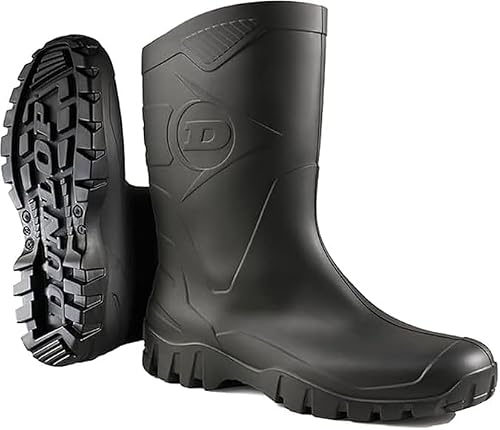
Dunlop Dee Calf Length Waterproof Wellies, Black, Size 7
£14.95 *View On Amazon* - Men's Wellington Boots
Jesindr Men’s Waterproof Rubber Ankle Wellies Boots
Original price was: £29.99.£25.49Current price is: £25.49. *View On Amazon* - Men's Wellington Boots
Jollywalk Black Wide Adult Wellington Boots, UK Size 11
£55.80 *View On Amazon* - Men's Wellington Boots
Night Cat Neoprene Wellies Waterproof: Wellington Boots for Men and Women
£59.99 *View On Amazon* - Men's Wellington Boots
Zorax Unisex Adult Rain Boots Wellies UK 9 EU43 Black
£14.99 *View On Amazon* - Men's Wellington Boots
Jesindr Men’s Waterproof Ankle Wellington Boots
Original price was: £29.99.£24.64Current price is: £24.64. *View On Amazon* - Men's Wellington Boots
Amazon Essentials Men’s Waterproof Neoprene Wellington Boots, Black, 11 UK
£39.80 *View On Amazon* - Men's Wellington Boots
FREECOZYER Men’s Waterproof Ankle Wellington Boots, Black-Red, UK 11
£23.99 *View On Amazon* - Men's Wellington Boots
DUNLOP Acifort Metguard S5 Safety Wellies, Grey, UK 8
Original price was: £39.99.£32.78Current price is: £32.78. *View On Amazon* - Men's Wellington Boots
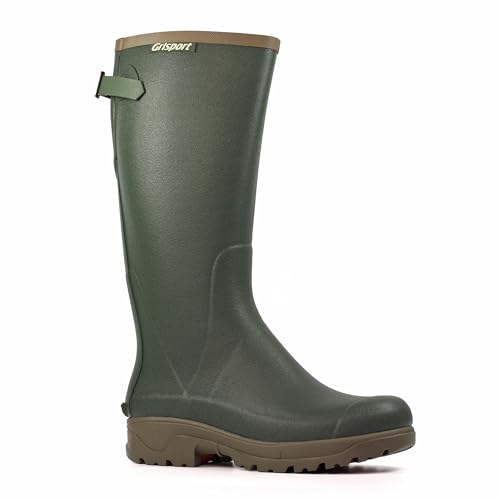
GriSport Stream Neoprene Wellies Boots for Men and Women
£64.48 *View On Amazon* - Men's Wellington Boots
Peak Valley Mens Thermal Fur Lined Wellington Boots, Green, Size 10
£21.50 *View On Amazon* - Men's Wellington Boots
Rouhuhura Mens Mid Calf Rain Boots
Original price was: £23.78.£22.59Current price is: £22.59. *View On Amazon* - Men's Wellington Boots
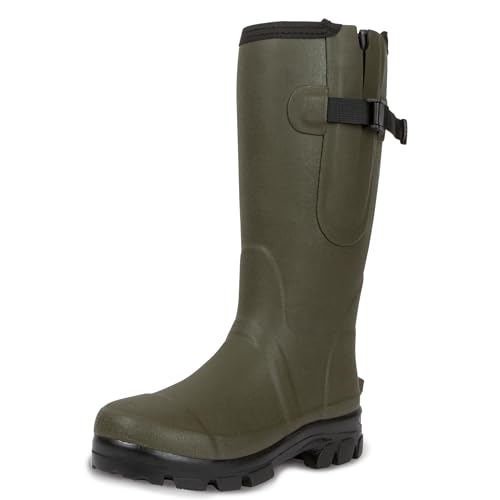
Town & Country Green Neoprene Wellington Boots, UK 10
£44.99 *View On Amazon* - Men's Wellington Boots
DUNLOP JobGuard S5 Black Work and Site Safety Boots, UK 9
£29.95 *View On Amazon* - Men's Wellington Boots
Cotswold Male Coleford Wellington Boots, Green, Size 9
Original price was: £49.99.£34.99Current price is: £34.99. *View On Amazon* - Men's Wellington Boots
V12 Groundworker Construction Safety Boots, Unisex Lightweight Waterproof Wellies, 3 UK
£55.85 *View On Amazon* - Men's Wellington Boots
Sock Tec Mens Fleece Wellie Socks Thermal Boot Liners, One Size 6-11, Khaki
£6.99 *View On Amazon* - Men's Wellington Boots
Buckler Men’s Safety S5 Waterproof Composite Toe Wellington Boots
£103.47 *View On Amazon* - Men's Wellington Boots
Men’s Thermo Rubber Compound Outdoor Boots with Removable Lining, Size 9.5
£36.43 *View On Amazon* - Men's Wellington Boots
Lakeland Active Men’s Helton Neoprene Lined Wellington Boots, Moss Green, UK 8
£79.99 *View On Amazon* - Men's Wellington Boots
Dunlop Wellington Boots Unisex Green Waterproof Rubber Boots, UK 8
£16.99 *View On Amazon* - Men's Wellington Boots
Lakeland Active Men’s Rydal Neoprene & Rubber Wellington Boots, Moss Green, 10 UK
Original price was: £74.99.£69.99Current price is: £69.99. *View On Amazon*







What Are Men’s Wellington Boots?
Men’s wellington boots are protective outdoor boots usually made for wet ground, mud, grass, puddles and messy conditions. They are often made from rubber, PVC, neoprene or similar materials where listed, and are designed to provide more water protection than ordinary shoes or walking boots.
Wellingtons are usually easy to clean and simple to pull on, making them useful for outdoor chores, countryside walks and situations where footwear is likely to get dirty.
What Men’s Wellington Boots Are Used For
Men’s wellington boots can be used for dog walking, gardening, farming, camping, fishing, festivals, outdoor work, muddy events, wet weather walks and general use around fields, gardens and campsites.
For short garden jobs, a simple pair of wellies may be enough. For longer walks or regular outdoor use, comfort, grip, lining and fit become more important.
They are especially useful when ordinary footwear would become soaked, muddy or difficult to clean. A good pair of wellies can save your everyday shoes and make bad weather feel far less inconvenient.
How To Choose The Right Men’s Wellington Boots
Start with the main use. If you need wellies for gardening, easy cleaning and a comfortable pull on fit may matter most. If you walk dogs regularly, grip, comfort and support may be more important. If you need boots for fishing or colder weather, warmth and height may be worth comparing where listed.
Next, think about the ground conditions. Wet grass, mud, gravel, campsite fields, farmyards and riverbanks can all place different demands on footwear. Check sole grip and intended use carefully before choosing.
Finally, consider how long you will wear them. Boots used for quick jobs can be simple, but wellies worn for hours should feel comfortable, supportive and suitable with the socks you plan to wear.
Key Features To Compare
Boot height is one of the first features to compare. Tall wellington boots provide more lower leg coverage, while ankle wellies are easier to slip on and may feel lighter for quick jobs.
Grip is also important. Sole pattern and tread depth can vary between products, so check the listing carefully if you need boots for mud, wet grass, fields or uneven ground.
Lining and warmth should be considered if you use wellies in colder months. Some boots may include neoprene, fleece or other warm linings where listed, while unlined styles may feel cooler and lighter.
Fit, calf width, weight, heel design, footbed comfort and ease of removal can all affect how practical the boots feel in real use.
Wellington Boots Compared With Walking Boots
Walking boots are usually designed for support, comfort and grip on longer routes. They may be more breathable and structured than wellington boots, depending on the product.
Wellington boots are usually chosen for wet, muddy and easy clean conditions. They often provide better lower leg splash protection than walking boots, but may not offer the same ankle support or long distance comfort.
The trade off is simple. For muddy fields, garden work and wet campsites, wellies are often practical. For long hikes on mixed terrain, walking boots may be more suitable.
Tall Wellies Compared With Ankle Wellies
Tall wellies provide more coverage for wet grass, deeper mud, puddles and messy outdoor work. They can help protect trousers and lower legs from splashes.
Ankle wellies are easier to put on, easier to remove and often feel less bulky. They can be useful for quick garden jobs, bins, school runs, campsites and short outdoor tasks.
The better choice depends on how messy the conditions are likely to be. If you regularly walk through mud or long wet grass, taller boots may be more useful. If convenience matters most, ankle wellies may be easier.
Lined Wellies Compared With Unlined Wellies
Lined wellies are useful in colder weather because they can feel warmer around the foot and lower leg where listed. They may suit winter dog walks, fishing, outdoor work or chilly campsite mornings.
Unlined wellies are usually simpler and may feel lighter or cooler. They can be practical for spring, summer, gardening and general wet weather use.
The trade off is warmth against versatility. A lined boot can feel comfortable in cold conditions but too warm in mild weather. An unlined boot can be more flexible across seasons when worn with suitable socks.
Beginner Regular And Heavy Outdoor Use Guidance
For occasional use, choose a simple pair of wellington boots that fit well, clean easily and suit common wet weather tasks.
For regular use, compare grip, comfort, lining, boot height and calf fit more carefully. If you walk the dog every day or spend time outdoors often, small comfort details can become very noticeable.
For heavy outdoor use, such as farming, fishing, frequent muddy work or long periods outside, look closely at sole durability, support, warmth, ease of cleaning and intended use where listed.
Use Cases By Activity
For dog walking, grip, comfort and easy cleaning are key. Taller boots may be useful for wet grass and muddy paths.
For gardening, wellington boots should be easy to pull on, simple to clean and comfortable enough for standing, bending and walking around the garden.
For camping, wellies can be useful for muddy fields, wet mornings and trips across a campsite. Lightweight or easy storage options may be practical where listed.
For festivals, comfort, mud protection and easy cleaning are often important. Consider whether the boots will be worn for long periods.
For fishing, boot height, grip and warmth may matter more, especially near banks, wet ground or colder conditions where suitable.
For farm and outdoor work, check the product details carefully for suitability, grip and any specific protective features where listed.
Fit Sizing And Comfort
Men’s wellington boots should feel secure around the foot without being too tight. There should be enough room for comfortable socks, especially if the boots will be used in cold weather.
Check the size guide where listed and consider whether you prefer a regular or roomier fit. Some wellies may feel more generous than ordinary shoes, while others may be closer fitting.
Calf fit is also important. Tall wellies should not feel tight around the calf, especially when worn over trousers. Adjustable gussets or wider fits may be useful where listed.
Comfort matters if you will wear the boots for more than a few minutes. Look at footbed design, heel shape, weight and lining where details are available.
Waterproofing And Weather Suitability
Wellington boots are generally chosen for wet and muddy conditions, but the exact level of protection depends on the product, material, height and condition of the boot.
Check for waterproof, water resistant, lined or insulated features where listed. Also remember that water can still enter over the top of the boot if conditions are deep, wet or splashy.
In cold weather, waterproof boots alone may not provide enough warmth. Suitable socks or lined boots may be needed depending on the conditions.
In warm weather, thick or lined wellies may feel too hot, so lighter options may be more comfortable.
Safety And Practical Considerations
Men’s wellington boots should match the ground and activity. Mud, wet grass, slopes, riverbanks and farmyards can all be slippery, so grip is important, but no boot can guarantee slip prevention in all conditions.
Check the soles before use and avoid wearing boots with worn tread on slippery surfaces. If the boots are needed for work, chemicals, machinery, chainsaws, livestock or specialist environments, only choose products specifically listed as suitable for that use.
Make sure boots are not so loose that they rub or slip while walking. Poor fit can cause discomfort and may make movement feel less stable.
Care Cleaning And Storage
Wellington boots are usually easy to clean, but they still benefit from proper care. Rinse or wipe off mud after use where suitable and allow the boots to dry before storage.
Avoid leaving boots near strong heat, radiators or open flames, as this may affect materials. Let them dry naturally where suitable.
Store wellies upright in a cool, dry place away from unnecessary sunlight and heavy pressure. Keeping them clean and dry can help prevent odour and make them ready for the next wet weather day.
If boots have removable insoles or linings where listed, follow the product care instructions for cleaning and drying them.
Useful Accessories To Consider
Useful accessories for men’s wellington boots may include thick socks, welly socks, boot bags, boot jacks, waterproof trousers, gaiters, outdoor trousers, cleaning brushes and storage racks.
For cold weather, warm socks can make a big difference to comfort. For camping or festivals, a boot bag can help keep muddy footwear separate from clean kit.
For regular outdoor use, a boot jack can make removing muddy wellies much easier, especially after long walks or garden work.
Why Buy From YPC?
At YPC, we understand active lifestyles and the need for practical products that work in real use. Men’s wellington boots should be chosen for fit, grip, comfort, weather suitability and the conditions they will actually be used in.
YPC brings together a wide range of sports, outdoor and activity products so you can compare available men’s wellington boots by size, use, height, lining, comfort and practicality. Browse the Men’s Wellington Boots category to compare the range and choose suitable footwear for wet weather, muddy ground, camping, gardening, dog walking and outdoor work.
FAQs
What are men’s wellington boots used for?
Men’s wellington boots are used for wet, muddy and messy outdoor conditions. They can be useful for dog walking, gardening, camping, fishing, festivals, farming, rainy days and general outdoor tasks.
Are wellington boots waterproof?
Many wellington boots are designed for wet conditions and may use waterproof materials where listed. Always check the product details, as protection can vary by material, height, construction and condition.
Should wellington boots be tight or loose?
Wellington boots should feel secure but not tight. They should allow room for comfortable socks without slipping excessively while walking.
Are tall wellies better than ankle wellies?
Tall wellies offer more coverage for mud, wet grass and puddles, while ankle wellies are easier to put on and remove. The better choice depends on how and where you will use them.
Are lined wellies worth buying?
Lined wellies can be useful in colder weather, especially for dog walking, fishing, camping or outdoor work. In warmer weather, unlined wellies may feel cooler and lighter.
Can I wear wellington boots for long walks?
Some wellington boots may be suitable for longer walks where listed, but walking boots may offer more support and comfort on longer routes. Check fit, grip, cushioning and intended use before choosing.
How do I stop wellington boots rubbing?
Choose the correct size, wear suitable socks and make sure the boot does not slip excessively as you walk. If rubbing continues, the fit, calf shape or boot style may not suit your foot.
How should I clean men’s wellington boots?
Rinse or wipe off mud after use where suitable, let the boots dry naturally and store them in a dry place. Avoid strong heat and follow any care instructions provided with the product.
 Getting ready for Summer? View our Home and Garden Products

Heading outdoors this winter? Take a look at our Outdoor Clothing.