

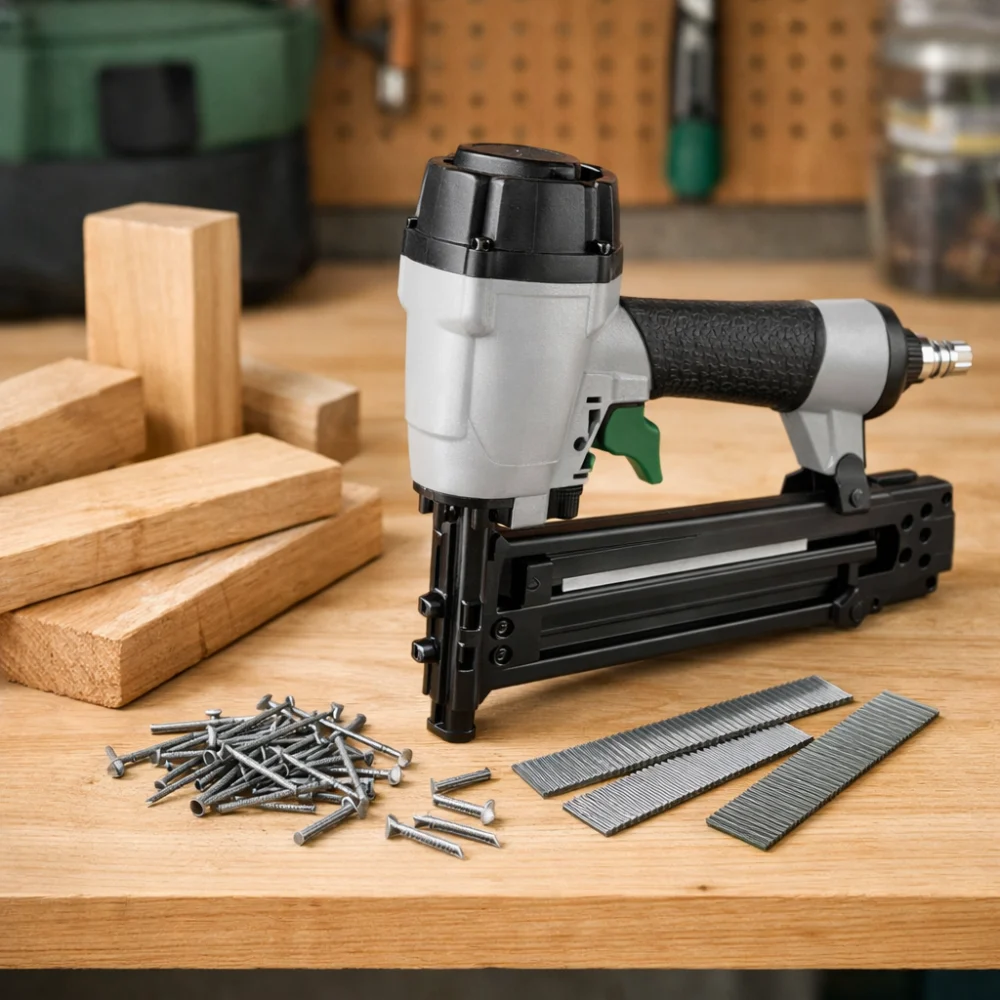

Nail guns are designed to speed up fastening jobs where driving nails by hand would be slow or inconsistent. They are used for everything from framing and roofing to finishing work and light construction, so the right choice depends more on the task than on the brand name.
If you are buying one for the first time, the main challenge is matching the tool to the job. A nail gun that suits structural work may feel heavy or overpowered for trim, while a lighter finishing tool may not be appropriate for heavier timber work.
This guide focuses on the practical questions buyers usually need to answer: what type of nail gun you need, what power source suits your work, and which features are worth paying attention to before you compare individual product pages.
Compare Nail Guns


As an Amazon Associate we earn from qualifying purchases.
What should you look for when choosing a nail gun?
The best starting point is the job you need to do. Framing, second fix joinery, roofing and stapling all place different demands on the tool, so nail size, magazine style and power source matter more than cosmetic differences. A sensible choice balances reach, weight, speed and the finish you want to achieve.
Specifications vary by model, so always check the individual product page before buying.
| Feature | What it means | Why it matters | What to check |
|---|---|---|---|
| Intended job | The kind of fastening work the tool is designed for | Different jobs need different nail sizes, power and handling | Whether the tool is suited to framing, finishing, roofing or another task |
| Power source | How the tool is powered | Affects portability, setup and how the tool is used on site or at home | Whether it is cordless, air-powered or another type, and what that means for your workflow |
| Fastener type | The nails or staples the tool uses | Compatibility determines what materials and jobs the tool can handle | Fastener format, length range and whether matching fixings are easy to source |
| Tool weight and balance | How the tool feels in the hand | Comfort affects control, especially on repetitive jobs or overhead work | Overall size, grip shape and whether it looks manageable for the length of job you have in mind |
| Magazine style | How fasteners are loaded and fed | Influences speed, convenience and whether reloading interrupts work often | Loading method and capacity details where supplied |
| Depth and finish control | How consistently nails are driven | Helps you match the fastening depth to the material and the finish you want | Whether the model offers adjustment and how it is described on the product page |
Key decision criteria explained
Choose the right nail gun for the task
The first decision is whether you need a tool for heavier structural work or lighter finishing work. Framing-style tools are chosen for larger timber jobs, while finish and second-fix tools are usually aimed at neater joinery where appearance matters more. Roofing or stapling tasks can bring their own fastening format and handling requirements.
Think about power source and portability
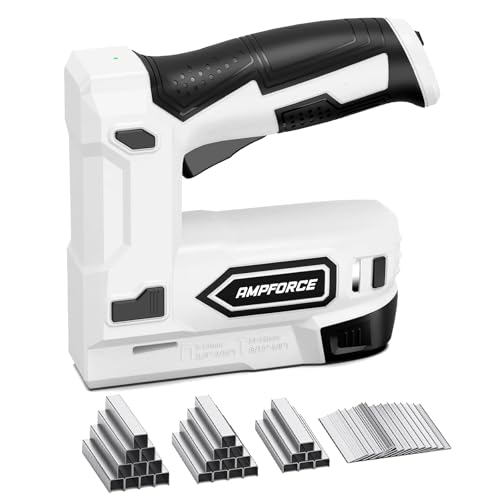
Cordless nail guns are often attractive when you want easy movement and fewer hoses or compressors to manage. Air-powered tools suit buyers who already work with a compressor and value a different setup. The practical trade-off is convenience versus the wider system the tool may need to work properly.
Check the fastener format carefully
Not all nail guns use the same nails, and the wrong format can stop a tool being suitable for your job. Look for the fastener type, length range and whether the required fixings are commonly available. This is one of the easiest details to overlook when comparing models.
Pay attention to handling
Weight, grip and balance matter more than many buyers expect. A tool that feels manageable for short bursts may become tiring during longer runs, particularly overhead or at awkward angles. If you can, compare how the tool is described for everyday use rather than focusing only on headline power.
Look for control that suits your finish
Some jobs need fast fastening with a visible fixing, while others need a cleaner result with less surface marking. Depth adjustment and clear control over how nails are driven can help, but the usefulness of those features depends on the material and task. Check whether the product page explains how the tool is adjusted and what kind of finish it is intended to produce.
Common nail gun types and who they suit
| Type | Best suited to | Main limitation |
|---|---|---|
| Framing nailers | Heavier construction and timber fixing jobs | May be less suitable for delicate finishing work |
| Finishing and second-fix nailers | Skirting, trim, casing and other neat joinery tasks | Not the right choice for heavier structural fastening |
| Roofing nailers | Roofing-related fastening work | More specialised, so less versatile for general DIY |
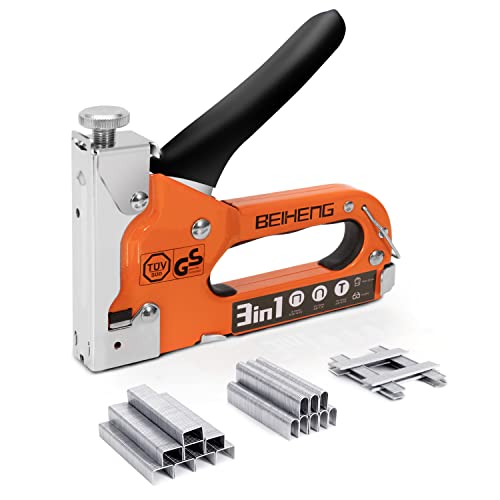
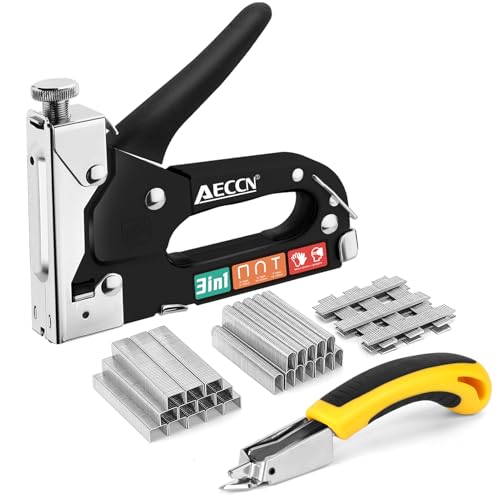
| Staplers and stapler-style tools | Fixing sheet materials and some lighter fastening jobs | May not replace a true nail gun where nails are required |
Some buyers only need one clear function, while others want a tool that fits a wider set of DIY or trade tasks. The more specialised the tool, the better it may perform for one job but the less flexible it becomes elsewhere.
How different buyers can compare options
| Buyer need | What to prioritise | Why it matters |
|---|---|---|
| Home DIY user | Simplicity, manageable weight and a clearly defined task | Makes the tool easier to learn and less likely to be over-specified |
| General builder or carpenter | Power source, fastener range and day-to-day handling | Helps the tool fit real working patterns and repeated use |
| Buyer focused on finish quality | Control, depth adjustment and suitable fastener type | Supports neater results on visible timber and trim |
| Buyer already using cordless tools | Battery platform and compatibility with existing kit | Can simplify ownership and reduce the number of chargers or batteries needed |
| Workshop or compressor user | Air-tool setup and hose management | Helps judge whether the tool will suit the space and equipment already in place |
Common mistakes and misunderstandings
- Buying for the wrong job: a tool chosen for neat joinery may not suit structural work, and the reverse is also true.
- Overlooking fastener compatibility: the nail type matters as much as the gun itself, so check what the tool actually takes.
- Ignoring weight and balance: a tool that looks efficient on paper may still be tiring in real use.
- Assuming all cordless tools work the same way: battery platform, tool size and intended application can vary widely.
- Focusing only on power: control, finish and convenience often matter more for the final result.
Safety and suitability considerations
Nail guns are practical tools, but they need to be chosen with the right task and environment in mind. Check the intended application, the required fasteners and the level of control you need before buying. If a product page does not clearly show what the tool is designed for, it is worth taking a closer look before committing.
Maintenance, storage and ownership considerations
General upkeep is usually about keeping the tool clean, stored safely and matched with the correct fasteners or power setup. Cordless tools may also depend on battery care, while air-powered tools rely on compatible compressors and hoses. If you expect regular use, consider how easy the tool will be to load, store and keep ready between jobs.
How to compare nail guns efficiently
- Start with the job: framing, finishing, roofing or another fastening task.
- Choose the power source that fits your working style and equipment.
- Check the fastener type and length range before looking at any other details.
- Compare weight, balance and control if you expect regular or repeated use.
- Read the individual product page carefully so you understand the model-specific details.
Summary buyer decision checklist
- Is the nail gun suited to the main task you want to do?
- Does it use the right fastener type for your work?
- Does the power source match your setup and portability needs?
- Will the weight and balance suit the length of time you plan to use it?
- Do the control features appear appropriate for the finish you want?
- Have you checked the individual product page for the exact model details?
Frequently asked questions
What is the main difference between framing and finishing nail guns?
Framing nail guns are generally chosen for heavier construction jobs, while finishing nail guns are better suited to neater work where appearance matters. The right choice depends on whether you need holding power or a cleaner visible result. They are not usually interchangeable for every task.
Are cordless nail guns good for regular use?
They can be a convenient choice because they are easier to move around than tools that rely on hoses or compressors. The main question is whether the cordless format fits the kind of work you do and the battery platform you already use. Check the product page for the setup details that apply to the individual model.
Do all nail guns use the same nails?
No, fastener compatibility varies between models and categories. This is one of the most important checks to make before buying, because the wrong nail type can make a tool unsuitable for your job. Always confirm the fastener format and length range shown on the product page.
Can one nail gun do every job?
Usually not. Some tools are designed to be versatile, but many are built around a specific fastening task. It is usually better to choose a tool that fits your main job well than to expect one model to cover every possible use.
What matters more: power or control?
Both matter, but for many buyers control is easier to live with day to day. A tool that drives fasteners consistently and feels comfortable may be more useful than one that simply sounds powerful. The right balance depends on the material and the finish you need.
Should I choose a nail gun based on battery platform?
That can be a sensible way to narrow the choice if you already own compatible cordless tools. It may make ownership simpler and reduce the amount of separate equipment you need. Just make sure the tool itself still suits the fastening job you have in mind.
What should I check before buying for the first time?
Start with the task, then confirm the nail type, power source and handling. If you are new to nail guns, it is worth reading the product page carefully so you understand exactly what the tool is intended to do. That reduces the chance of choosing something too specialised or too limited for your needs.
More Nail Guns
See all 346 Nail Guns →


As an Amazon Associate we earn from qualifying purchases.


