
Nail Guns
Nail guns are powered fixing tools designed to drive nails into suitable materials more quickly than using a hammer by hand. They are ideal for garden construction, outdoor repairs, fencing, shed building, timber framing, panelling, cladding, trim work and general DIY projects where repeated nailing is needed.
A good nail gun can save time, improve consistency and reduce effort on jobs that involve lots of fixings. The right choice depends on the type of nails you need to use, the material you are fixing into, the size of the project, the power source and how comfortable the tool feels to control.
- Nail Guns
DEWALT 18V XR 18Ga Brad Finish Nailer, Tool Only, DCN210SN-XJ
Original price was: £350.00.£339.99Current price is: £339.99. *View On Amazon* - Nail Guns
HOTO Pulse Cordless Electric Staple Gun, 4-in-1 Brad Nailer, Smart LED
Original price was: £69.99.£59.49Current price is: £59.49. *View On Amazon* - Nail Guns
NEU MASTER Cordless Brad Nailer with Battery and Charger
Original price was: £119.99.£85.49Current price is: £85.49. *View On Amazon* - Nail Guns
NEU MASTER Cordless 18 Gauge 2-in-1 Brad Nailer and Staple Gun
Original price was: £139.99.£103.59Current price is: £103.59. *View On Amazon* - Nail Guns
Cordless 2-in-1 Electric Staple Gun with USB Charger and Accessories
Original price was: £39.99.£30.35Current price is: £30.35. *View On Amazon* - Nail Guns
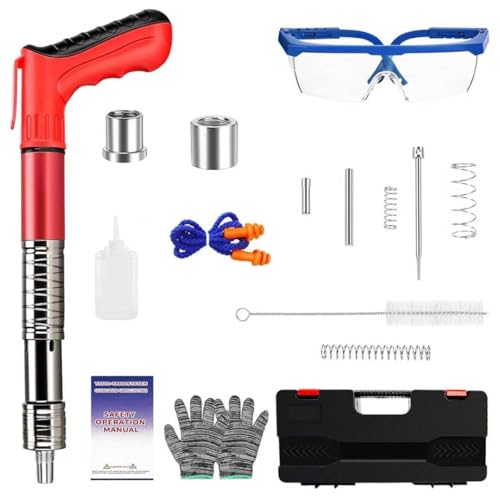
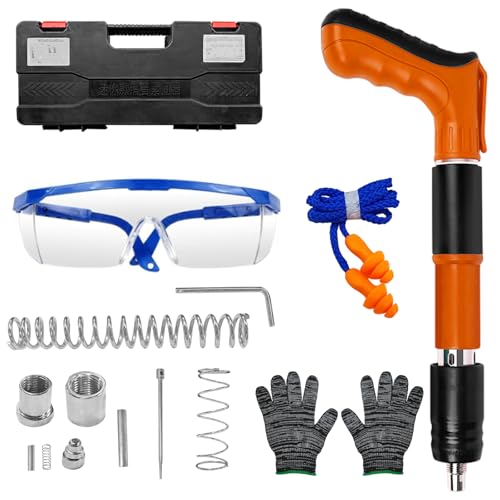
Concrete Nail Gun Kit, Removable Manual Steel Nail Gun, Orange
Original price was: £19.99.£18.99Current price is: £18.99. *View On Amazon* - Nail Guns
Cordless 21V 2-in-1 Brad Nailer and Staple Gun Kit
Original price was: £86.99.£76.99Current price is: £76.99. *View On Amazon* - Nail Guns
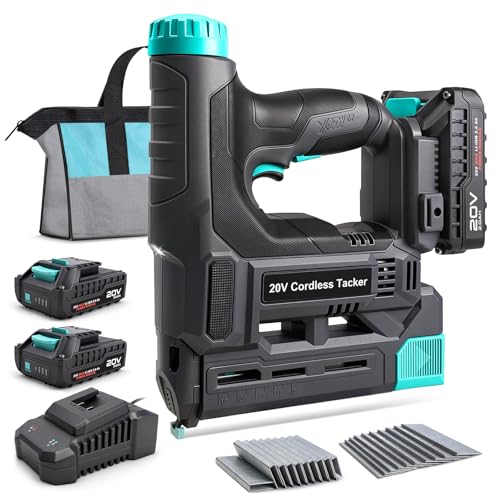
Alloyman 20V Cordless 2-in-1 Brad Nailer and Stapler Kit
Original price was: £109.99.£99.99Current price is: £99.99. *View On Amazon* - Nail Guns
SEESII 18V 2-in-1 Cordless Nail Gun and Stapler Kit
Original price was: £129.99.£77.14Current price is: £77.14. *View On Amazon* - Nail Guns
P625C 23 Gauge Compressed Air Pin Nail Gun for 12mm to 25mm Pins
Original price was: £39.90.£38.90Current price is: £38.90. *View On Amazon* - Nail Guns
meite 18 Gauge Brad Nails Assorted Pack, 6 Sizes, 6,000 Count
Original price was: £21.90.£18.59Current price is: £18.59. *View On Amazon* - Nail Guns
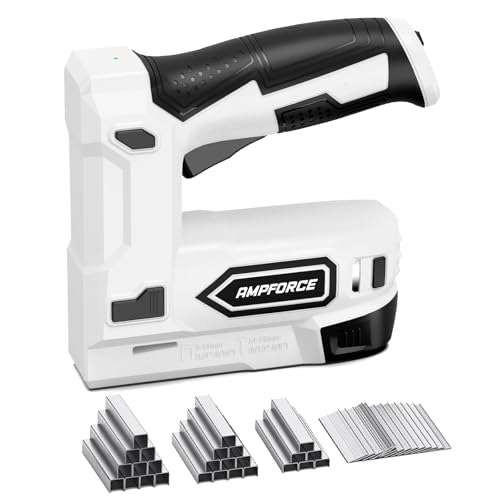
AMPFORCE 4V Cordless Staple Gun and 2-in-1 Electric Stapler
Original price was: £39.99.£29.99Current price is: £29.99. *View On Amazon* - Nail Guns
Rapid NUNU 3-in-1 Manual Staple Gun with 3000 Staples and Nails
Original price was: £11.99.£9.99Current price is: £9.99. *View On Amazon*









How to Choose the Right Nail Gun
Start by thinking about the job you need the nail gun for. Light trim, panels and decorative timber may need a smaller brad nailer or finishing nailer, while heavier outdoor construction jobs may need a stronger nail gun designed for larger nails.
Nail size is one of the most important details to check. A nail gun must be compatible with the nail length, nail gauge and nail type required for the job. Always check the individual product details before buying, because different nail guns are designed for different fixings.
What Matters Most When Comparing Nail Guns
The main things to compare are nail type, nail length range, power source, firing method, magazine capacity, weight, grip comfort, depth adjustment and safety features. These details affect both the quality of the fixing and how easy the tool is to use.
Depth adjustment can be useful when working with different materials, as it helps control how far the nail is driven in. Magazine capacity also matters if you are doing repeated work, because a larger magazine means fewer stops to reload.
Cordless, Pneumatic or Electric Nail Gun?
A cordless nail gun gives you freedom to move around the garden, workshop or job area without a cable or air hose. It can be useful for outdoor repairs, fencing, sheds and jobs where access to power is awkward.
A pneumatic nail gun uses compressed air and usually needs an air compressor. It can be useful for repeated workshop or construction work, but the compressor, hose and setup need to be considered.
An electric nail gun can be practical for lighter DIY and indoor or sheltered work where mains power is available. The trade off is mobility. Cordless tools are convenient, pneumatic tools can suit repeated use, and electric tools may be simpler where power access is easy.
Brad Nailer, Finish Nailer or Framing Nailer?
A brad nailer is usually used for lighter trim, small timber pieces, panels and decorative fixing. It is useful where a smaller nail is enough and a neat finish matters.
A finish nailer is often used for slightly stronger trim and finishing work. It can be useful for mouldings, boards and visible joinery depending on the material and nail type.
A framing nailer is designed for heavier timber fixing and structural style work, depending on the model. The trade off is size and control. Smaller nailers are easier to handle for detailed jobs, while larger nail guns are intended for stronger fixings and bigger materials.
Comfort, Control and Safe Use
A good nail gun should feel stable, balanced and comfortable in your hand. Look at the grip shape, trigger control, nose design, weight and whether the tool feels suitable for the amount of work you expect to do.
Safety is very important with nail guns. Choose a tool with suitable safety features for your experience level and always follow the product guidance. The tool, nail and material must all be suitable for the job, and protective equipment should be used where required.
Nails, Accessories and Compatibility
Before buying, check whether nails are included or need to be purchased separately. Nail guns often require specific nail sizes, collation types or compatible fasteners, so it is important to match the consumables to the tool.
If the nail gun is cordless, check whether the battery and charger are included. If it is pneumatic, check whether you need a compressor, hose or fittings. If it uses gas cartridges, check compatibility and ongoing running costs.
Find a Nail Gun That Suits Your Project
Browse our range of nail guns and compare options by nail type, power source, fixing capacity, weight and intended use. Choose a nail gun that matches your materials, suits your project and helps make garden construction, repairs and DIY fixing jobs quicker and more consistent.
Nail Guns FAQs
What is a nail gun used for?
A nail gun is used for driving nails into suitable materials quickly and consistently. It is commonly used for timber work, fencing, shed building, panelling, trim work and general construction or DIY fixing jobs.
What should I check before buying a nail gun?
Check the nail type, nail length range, power source, weight, magazine capacity, depth adjustment, safety features and whether the nail gun suits the material and project you are working on.
Is a cordless nail gun worth buying?
A cordless nail gun is worth considering if you want freedom of movement without a cable or air hose. It can be useful for garden DIY, repairs and jobs away from a fixed power source.
What is the difference between a brad nailer and a framing nailer?
A brad nailer is used for lighter trim, panels and smaller timber work. A framing nailer is designed for heavier fixing jobs and larger nails, depending on the model.
Do pneumatic nail guns need a compressor?
Yes, pneumatic nail guns usually need an air compressor, hose and suitable fittings. Always check the tool requirements before buying.
Can nail guns be used for fencing?
Some nail guns can be used for fencing, depending on the nail type, material and tool design. Check the product details carefully to make sure the nail gun is suitable for the job.
Are nail guns suitable for beginners?
Nail guns can be suitable for careful DIY users, but they must be handled responsibly. Choose a manageable tool, use the correct nails and follow the product safety guidance closely.
Do nail guns need special nails?
Many nail guns require specific nails or fasteners that match the tool. Check the nail length, gauge, collation type and compatibility before buying replacements.
Can one nail gun do every job?
No, one nail gun will not suit every fixing job. Light trim, finishing work, fencing and heavier timber fixing may need different nail types and different tool designs.
Do nail guns need maintenance?
Nail guns need basic care, including cleaning, checking for jams, inspecting moving parts and storing the tool safely. Pneumatic models may have additional air tool maintenance requirements depending on the product.
 Getting ready for Summer? View our Home and Garden Products

Heading outdoors this winter? Take a look at our Outdoor Clothing.