
Leisure Battery Chargers
Leisure battery chargers help keep camping, caravan, campervan and motorhome batteries ready for use when you’re away from mains power. Whether you’re preparing for a UK camping trip, maintaining a battery between adventures or recharging after a weekend off-grid, the right charger helps support a safer, more reliable power setup.
Our leisure battery chargers range is designed for outdoor leisure power systems, including chargers for compatible leisure batteries used with lights, fridges, pumps, portable appliances and 12V camping accessories. Choose a charger that matches your battery type, capacity, voltage and how often you travel.
- Leisure Battery Chargers
Renogy 12V 50A DC DC On board Battery Charger with MPPT
Original price was: £199.99.£189.99Current price is: £189.99. *View On Amazon* - Leisure Battery Chargers
Victron Orion Smart 30A 12V DC to DC Charger with Bluetooth Connectivity
£195.00 *View On Amazon* - Leisure Battery Chargers
FOVAL 1000mA Car Battery Charger 12V Smart Automatic Trickle Charger Battery Maintainer for Motorcycle, Car, Lawn Mower, Boat, SLA ATV Wet Gel Cell Lead Acid Batteries
Original price was: £26.98.£14.25Current price is: £14.25. *View On Amazon* - Leisure Battery Chargers
24V Intelligent Automatic 5A Battery Charger EU Plug
£52.00 *View On Amazon* - Leisure Battery Chargers
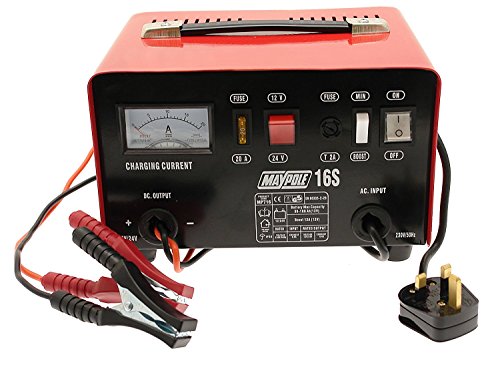
Maypole 12A 12/24V Metal Cased Car Battery Charger for Lead Acid and AGM Batteries
Original price was: £64.99.£52.79Current price is: £52.79. *View On Amazon* - Leisure Battery Chargers
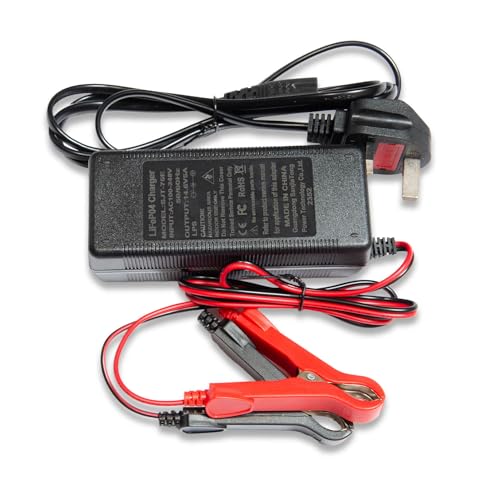
20 Amp Car Battery Charger 12V 24V Lithium Smart Lifepo4 Battery Charger Maintainer Trickle Charger for Car Boat Motorcycle Lawn Mower ATV and Lead Acid AGM Gel MF EFB SLA Wet
Original price was: £48.99.£46.99Current price is: £46.99. *View On Amazon* - Leisure Battery Chargers
Split Charge Relay Kit 6mtr 12V 140Amp Voltage Sensitive Relay VSR
£49.99 *View On Amazon* - Leisure Battery Chargers
Draper Battery Charger Starter 260A 12/24V Car Battery Charger Jump Starter Power Pack Easy Portable 11966
Original price was: £185.78.£155.90Current price is: £155.90. *View On Amazon* - Leisure Battery Chargers
LVYUAN 10Amp 12V 24V Car Motorcycle Battery Charger for AGM STD GEL and Lead Acid Batteries
£16.49 *View On Amazon* - Leisure Battery Chargers
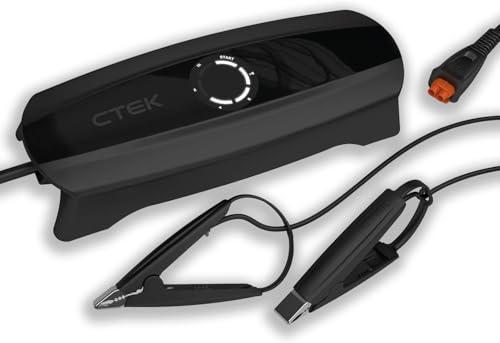
CTEK CS ONE 12V Smart Battery Charger GEN1
Original price was: £219.00.£169.99Current price is: £169.99. *View On Amazon* - Leisure Battery Chargers
Caravan and Motorhome Transformer Battery Charger 20 Amp
£144.60 *View On Amazon* - Leisure Battery Chargers
K M Electronics 2 x 25A 12V Crocodile Alligator Clips for Car, Van, Leisure Battery Charger and Caravan
£3.90 *View On Amazon* - Leisure Battery Chargers
CTEK XS 0.8 Battery Charger 12V UK Model
Original price was: £49.99.£47.99Current price is: £47.99. *View On Amazon* - Leisure Battery Chargers
Car Battery Charger and Maintainer 12V 6Amp Automatic Battery Charger with Charge, Maintain and Repair Functions for Most Types of Lead Acid Batteries Blue
Original price was: £15.99.£14.99Current price is: £14.99. *View On Amazon* - Leisure Battery Chargers
15A Car Battery Charger 12V and 24V Automatic Smart Charger Monitor Battery with LCD Screen Temperature Compensation for Car AGM Gel Wet SLA LiFePO4 Batteries
Original price was: £24.99.£21.99Current price is: £21.99. *View On Amazon* - Leisure Battery Chargers
HTRC 30A Car Battery Charger 6V 12V 24V with LCD Screen
Original price was: £99.99.£89.99Current price is: £89.99. *View On Amazon* - Leisure Battery Chargers
GADLANE Car Battery Charger 12V 24V 10A Automatic Smart Battery Charger with LCD Screen and Intelligent Charging Modes for Cars, Trucks, Motorcycle
Original price was: £30.29.£18.49Current price is: £18.49. *View On Amazon* - Leisure Battery Chargers
15Amp Car Battery Charger and Maintainer, 12V/15A and 24V/8A Automatic Trickle Charger for AGM, Gel, Wet, LiFePO4 and Lead Acid Batteries, UK Plug, Battery Reconditioning and Charging Unit
Original price was: £23.99.£21.99Current price is: £21.99. *View On Amazon*









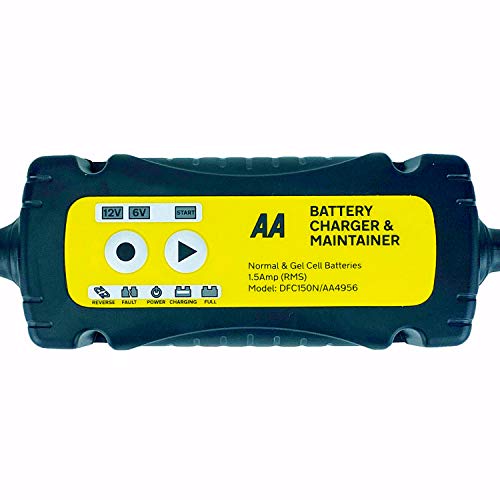

Keep Your Leisure Battery Ready for Camping
A leisure battery is only useful if it is properly charged and cared for. Before a camping trip, a suitable leisure battery charger can help top up your battery so it is ready to power your essential kit when you arrive.
For campervans, caravans and camping setups, regular charging can also help reduce the chance of turning up at a pitch with a flat battery. This is especially important if you use lighting, portable fridges, water pumps, USB charging, inverters or other electrical accessories.
For UK campers, where trips may be spread across spring, summer and autumn, a good charger is useful not only during the season but also when storing batteries between trips.
How to Choose a Leisure Battery Charger
Start by checking your battery type. Different leisure batteries may need different charging profiles, so make sure the charger is suitable for your specific battery, whether it is lead-acid, AGM, gel, lithium or another type.
Key decision factors include battery compatibility, voltage, charging output, battery capacity range, charging modes, maintenance function, safety features, ease of use, cable length, display type and whether the charger is suitable for your camping, caravan or vehicle setup.
You should also check the battery manufacturer’s guidance before buying. Using the wrong charger can reduce battery performance, shorten battery life or create safety risks.
Smart Chargers vs Basic Battery Chargers
Basic battery chargers are designed to recharge compatible batteries, but they may offer fewer automatic controls. They can be suitable for simple charging needs if they match the battery correctly and are used according to the instructions.
Smart leisure battery chargers usually monitor the charging process and may adjust the charge automatically depending on the battery condition and charging stage. Depending on the model, they may also include maintenance or conditioning modes.
The trade-off is simplicity versus control. A basic charger may suit occasional users with straightforward needs, while a smart charger can be more practical for regular campers, caravan owners and anyone who wants easier battery care between trips.
Mains Chargers, Maintenance Chargers and DC-DC Chargers
Mains leisure battery chargers are commonly used at home, in garages or where suitable mains power is available. They are useful for charging batteries before a trip or after returning home.
Maintenance chargers, sometimes called trickle or conditioning chargers depending on the product, are designed to help keep compatible batteries topped up during storage. They can be useful if your caravan, campervan or leisure battery is not used for long periods.
DC-DC chargers are used in some vehicle-based setups to help charge a leisure battery from a vehicle electrical system while driving. These installations need proper compatibility and safe fitting, so professional advice is recommended if you are unsure.
Charging Different Leisure Battery Types
Not all leisure batteries should be charged in the same way. Lead-acid, AGM, gel and lithium batteries can have different charging requirements, so compatibility matters more than guessing based on size alone.
Lithium leisure batteries in particular may require a charger with the correct lithium charging profile and suitable battery management compatibility. AGM and gel batteries may also need specific charging settings depending on the model.
Before connecting a charger, check the battery label, product manual and charger specification. If the information does not match clearly, do not assume it is safe to use.
Useful Features to Look For
A good leisure battery charger should be easy to connect, clear to read and suitable for your battery. Automatic charging modes can make use simpler, while clear indicator lights or displays help you understand what the charger is doing.
Safety features such as reverse polarity protection, overcharge protection and short-circuit protection may be useful, depending on the charger. Cable quality, clamp design and storage convenience are also worth considering if you use the charger regularly.
If you travel often, choose a charger that fits your routine. Home charging before trips may need a different setup from maintaining a campervan battery over winter or supporting a touring vehicle system.
Using Leisure Battery Chargers Safely
Always follow the manufacturer’s instructions for both the charger and the battery. Charge batteries in a suitable, well-ventilated area and keep chargers away from water, heat, flames, children and pets.
Do not charge damaged, leaking, swollen, frozen or visibly unsafe batteries. Make sure the charger is switched off or disconnected as instructed before attaching or removing leads, and check polarity carefully before connecting clamps or terminals.
If your charger is being wired into a campervan, caravan, motorhome or vehicle system, professional installation is strongly recommended unless you are properly qualified. Incorrect wiring can damage equipment and create fire or electrical risks.
Battery Care Tips for Camping and Touring
Charge your leisure battery before travelling, especially if it has been stored for a while. After your trip, recharge it according to the battery guidance rather than leaving it discharged for long periods.
Store batteries safely in a dry, suitable location and check them periodically if they are not being used. Keep terminals protected and avoid placing metal objects where they could bridge battery connections.
A well-matched leisure battery charger can help keep your camping power setup more dependable, whether you camp a few times a year or tour throughout the season.
Shop Leisure Battery Chargers Online
Browse our leisure battery chargers range to find practical charging options for camping, caravans, campervans, motorhomes and outdoor power setups. Compare battery compatibility, charging output, modes and safety features to choose a charger that suits your battery and the way you travel.
Leisure Battery Chargers FAQs
What is a leisure battery charger used for?
A leisure battery charger is used to recharge and maintain compatible leisure batteries used in camping, caravan, campervan and motorhome setups. These batteries often power lights, fridges, pumps, chargers and 12V accessories.
Can I charge a leisure battery with a normal car battery charger?
Only use a car battery charger if it is suitable for your specific leisure battery type and voltage. Leisure batteries can have different charging needs, so always check the battery and charger guidance first.
How do I choose the right leisure battery charger?
Choose a charger by checking your battery type, voltage, capacity and charging requirements. Make sure the charger supports your battery chemistry, such as lead-acid, AGM, gel or lithium, before connecting it.
What is a smart leisure battery charger?
A smart leisure battery charger can monitor and adjust the charging process automatically, depending on the charger design and battery condition. Some models may also include maintenance or conditioning modes.
Can I leave a leisure battery charger connected all the time?
Only leave a charger connected if the charger and battery are designed for long-term maintenance charging. Always follow the manufacturer’s guidance, as not all chargers are suitable for continuous connection.
Do leisure batteries need a special charger?
Some leisure batteries do need a charger with the correct charging profile. AGM, gel and lithium batteries may have different requirements, so it is important to use a charger that matches the battery specification.
Can a leisure battery charger charge a lithium battery?
Only if the charger is specifically suitable for lithium leisure batteries and matches the battery’s requirements. Do not use a charger on a lithium battery unless the product guidance confirms compatibility.
What is the difference between a mains charger and a DC-DC charger?
A mains charger uses suitable mains electricity to charge a leisure battery, often at home or on-site. A DC-DC charger is used in some vehicle systems to charge a leisure battery while driving.
How often should I charge my leisure battery?
Charge your leisure battery before trips, after use and during storage according to the battery manufacturer’s guidance. Avoid leaving a battery discharged for long periods unless the product instructions say otherwise.
Are leisure battery chargers safe?
Leisure battery chargers are safe when used correctly with compatible batteries. Follow the instructions, charge in a suitable area, avoid damaged batteries and get professional help for vehicle or permanent electrical installations.
 Getting ready for Summer? View our Home and Garden Products

Heading outdoors this winter? Take a look at our Outdoor Clothing.