
Battle Ropes
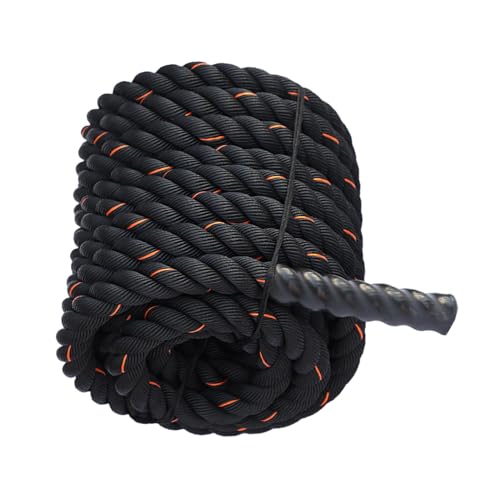
Battle ropes are heavy training ropes used for high energy conditioning, upper body endurance, grip work, core control and full body fitness sessions. This category is ideal if you want equipment for home gyms, bootcamp workouts, functional training, boxing conditioning, circuit sessions, HIIT or strength endurance training.
The right battle ropes depend on your space, strength level, rope length, rope thickness and where the rope will be anchored. A shorter or thinner rope may suit beginners and smaller spaces, while a longer, thicker rope usually creates a harder workout.
- Battle Ropes
Yes4All Battle Exercise Training Rope with Protective Cover – Steel Anchor & Strap Included – 38mm / 50mm Diameter Poly Dacron 9m, 12m, 15m Length (38mm – 12m)
Original price was: £42.73.£40.10Current price is: £40.10. *View On Amazon* - Battle Ropes
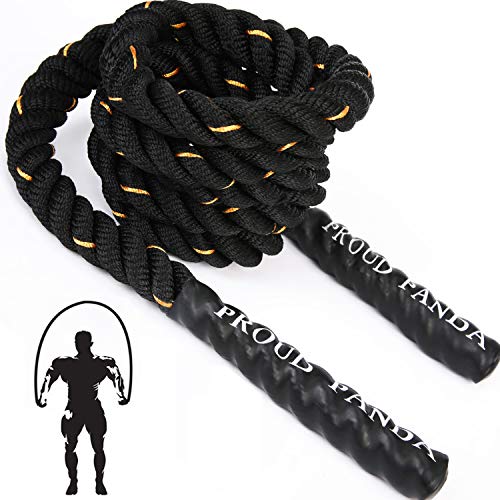
Proud Panda Heavy Jump Ropes for Fitness 3LB, Weighted Adult Skipping Rope Exercise Battle Ropes for Men & Women, Total Body Workouts, Power Training in Gym to Improve Strength and Building Muscle(1''
Original price was: £16.44.£15.92Current price is: £15.92. *View On Amazon* - Battle Ropes
Everlast Unisex Battle Rope, black
Original price was: £28.99.£27.99Current price is: £27.99. *View On Amazon* - Battle Ropes
VEVOR Battle Rope, 1.5 Inch Diameter 30Ft Length Polyester Exercise,Battle Exercise Equipment, Heavy Weighted for Home Gym Body Workout Core Strength Muscle Building Fitness
Original price was: £29.99.£27.99Current price is: £27.99. *View On Amazon*






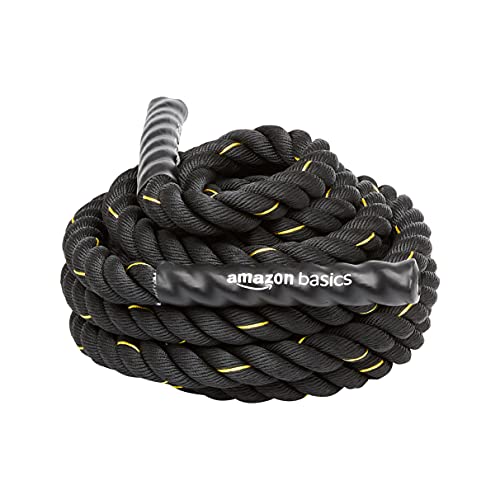
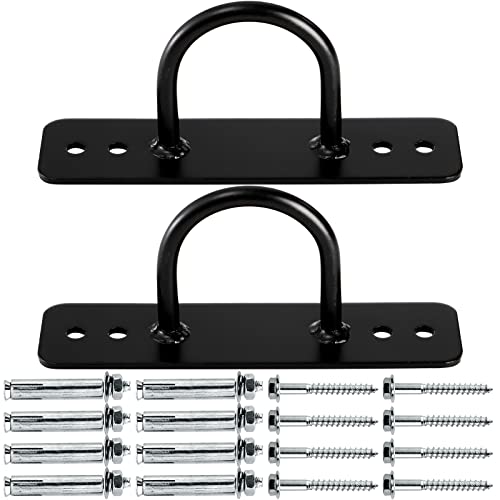


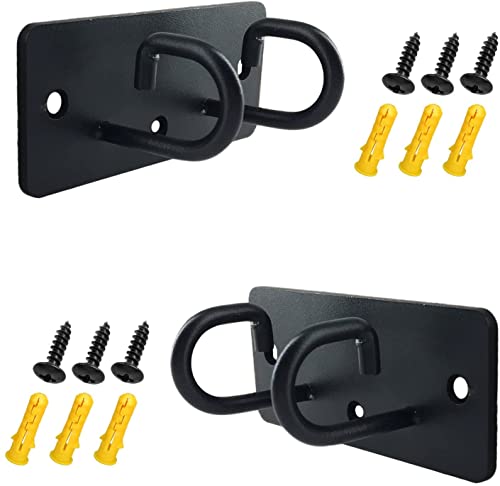


What Are Battle Ropes Used For?
Battle ropes are used for repeated wave, slam, pull and power movements. They can help create intense workouts that involve the arms, shoulders, back, grip, core, legs and cardiovascular system.
They are popular in functional fitness, combat sports conditioning, bootcamp training, sports preparation and home gym workouts because they are simple to use but physically demanding. You can train in short intervals, longer endurance sets or as part of a wider circuit.
How To Choose The Right Battle Rope
Start with the space available. Battle ropes need enough room for the rope to move safely, especially during waves, slams and side to side movements. You also need a strong anchor point or suitable anchor strap.
Length is one of the most important buying factors. Longer ropes create more movement and usually feel harder because there is more rope to control. Shorter ropes may be more practical for home gyms, garages and smaller outdoor spaces.
Thickness also matters. A thinner rope is usually easier to grip and control, making it better for beginners or faster movements. A thicker rope is heavier and more demanding, which can suit stronger users or conditioning work.
Short Battle Rope Or Long Battle Rope?
A shorter battle rope is usually easier to store and may suit smaller workout areas. It can still be useful for waves, slams and conditioning drills, especially for beginners.
A longer battle rope gives more movement and more training challenge. It can feel smoother for waves and harder for endurance, but it needs more space and a secure anchor setup.
The better choice depends on your room, strength and training style. Do not buy a long rope unless you have enough safe space to use it properly.
Rope Thickness And Weight
Battle ropes are commonly compared by thickness as well as length. A thinner rope is usually easier to hold, quicker to move and more suitable for longer intervals or beginners.
A thicker rope is heavier and places more demand on grip, shoulders, arms and core. It may suit stronger users, shorter power intervals and advanced conditioning sessions.
The trade off is control. A rope that is too heavy can make technique messy and reduce workout quality. Choose a rope that challenges you without making every set feel unmanageable.
Key Features To Compare
When comparing battle ropes, look at length, thickness, weight, grip handles, rope material, protective sleeve, anchor strap, outdoor suitability, storage needs and how easy the rope is to clean.
Handle comfort matters because your grip does a lot of work during rope training. Heat sealed or coated handles can help reduce fraying and make the rope easier to hold.
A protective sleeve can help reduce wear where the rope rubs against the floor or anchor point. This is useful if the rope will be used on concrete, gym flooring, patios or outdoor surfaces.
Battle Ropes Or Resistance Bands?
Battle ropes are better for high energy conditioning, waves, slams and upper body endurance. They can create a tough cardio style workout without needing a machine.
Resistance bands are better for strength exercises, warm ups, mobility work and controlled resistance movements. They are lighter, cheaper to store and easier for beginners.
Both can be useful. Battle ropes are for conditioning and effort. Resistance bands are for controlled resistance and movement support.
Best For HIIT, Boxing Fitness Or Home Gyms?
For HIIT, battle ropes can be used in short, hard intervals with rest periods between sets. They work well in circuits with bodyweight exercises, kettlebells, medicine balls or skipping ropes.
For boxing and combat sports fitness, battle ropes can support shoulder endurance, grip strength and conditioning. They do not replace boxing technique, but they can add useful fitness work around training.
For home gyms, battle ropes are best if you have enough floor space and a secure anchor point. They are simple equipment, but they need room to move.
Beginner, Regular Trainer Or Conditioning Athlete?
Beginners should start with a manageable rope and short intervals. Focus on rhythm, posture and control before increasing speed or intensity.
Regular trainers may want a rope that allows waves, slams, pulls and alternating arm movements without feeling too light. Durability and handle comfort become more important with frequent use.
Conditioning athletes may prefer longer or thicker ropes for harder intervals and grip challenge. The harder the rope, the more important warm ups, recovery and good technique become.
Using Battle Ropes Safely
Battle ropes can become intense quickly, so start slowly and build up gradually. Keep your stance stable, brace your core and avoid rounding the back or shrugging the shoulders excessively.
Use the rope on a suitable surface with enough space around you. Make sure the anchor point is strong, stable and not likely to move during training.
If you feel chest pain, dizziness, sharp shoulder pain, wrist pain, severe breathlessness or unusual discomfort, stop exercising and seek suitable medical advice. If you have shoulder, back, wrist or heart related concerns, get appropriate advice before using battle ropes for demanding workouts.
Useful Accessories To Consider
Useful accessories can include battle rope anchors, anchor straps, floor protection mats, gym timers, training gloves, wrist wraps, water bottles, gym towels and storage hooks.
An anchor strap or wall anchor can make rope setup more secure. A floor mat can help protect surfaces and reduce rope wear. A gym timer can help structure interval sessions and keep workouts consistent.
Choose accessories around your training space and how often you plan to use the rope.
Why Buy Battle Ropes From YPC?
At YPC, we understand active lifestyles and the need for practical fitness equipment that fits real routines. Battle ropes should be durable, comfortable to grip and suitable for the way you actually want to train.
Browse the Battle Ropes range, compare the options and choose the rope that fits your workout space, fitness level and conditioning goals.
Battle Ropes FAQs
What are battle ropes used for?
Battle ropes are used for conditioning, HIIT, strength endurance, grip training, upper body workouts, core control and full body fitness sessions.
Are battle ropes good for beginners?
Yes, battle ropes can suit beginners if the rope is manageable and sessions start with short intervals. Technique and control should come before speed or intensity.
What muscles do battle ropes work?
Battle ropes can work the arms, shoulders, back, grip, core and legs, depending on the exercise and stance used.
Are battle ropes good for cardio?
Yes, battle ropes can provide a demanding cardio workout because repeated waves and slams can raise heart rate quickly.
What length battle rope should I buy?
The right length depends on your space and strength level. Longer ropes usually feel harder and need more room, while shorter ropes can suit smaller home gyms.
What thickness battle rope is best?
Thinner ropes are usually easier to grip and control. Thicker ropes are heavier and more demanding, making them better for stronger or more experienced users.
Do battle ropes need an anchor?
Yes, battle ropes need a secure anchor point or suitable anchor strap so the rope can be used safely and effectively.
Can I use battle ropes at home?
Yes, battle ropes can be used at home if you have enough space, a suitable surface and a strong anchor point. Garages, outdoor areas and larger workout rooms are often more practical.
Are battle ropes noisy?
They can be noisy, especially during rope slams or when used on hard floors. A suitable mat or outdoor surface may help reduce noise and wear.
Are battle ropes good for boxing training?
Battle ropes can be useful for boxing fitness and shoulder endurance, but they do not replace boxing technique, pad work or sparring practice.
Can battle ropes help with weight loss?
Battle ropes can support exercise and calorie expenditure, but they do not cause weight loss on their own. Diet, consistency, activity level and lifestyle all matter.
What should I look for when buying battle ropes?
Look at rope length, thickness, weight, handle comfort, material, protective sleeve, anchor options, storage needs and whether the rope suits your fitness level.
Can battle ropes damage floors?
They can mark or wear some surfaces, especially during slams. A floor mat, protective sleeve or suitable outdoor surface can help reduce damage.
How do I maintain battle ropes?
Keep the rope dry, wipe it clean after use, check for fraying, inspect handles and store it away from damp areas when not in use.
How often should I use battle ropes?
Frequency depends on your fitness level and recovery. Start with short sessions and build gradually rather than doing high intensity rope workouts every day.
 Getting ready for Summer? View our Home and Garden Products

Heading outdoors this winter? Take a look at our Outdoor Clothing.