
Medicine and Slam Balls
Medicine and slam balls are weighted training balls used for strength, conditioning, core work, throws, slams and full body workouts. This category is ideal if you want practical equipment for home gyms, functional fitness, circuit training, boxing conditioning, bootcamp sessions, sports training or general strength and cardio workouts.
The right ball depends on how you plan to train. A medicine ball is often better for controlled throws, core exercises and partner drills, while a slam ball is designed for repeated impact against the floor during power and conditioning work.
- Medicine and Slam Balls
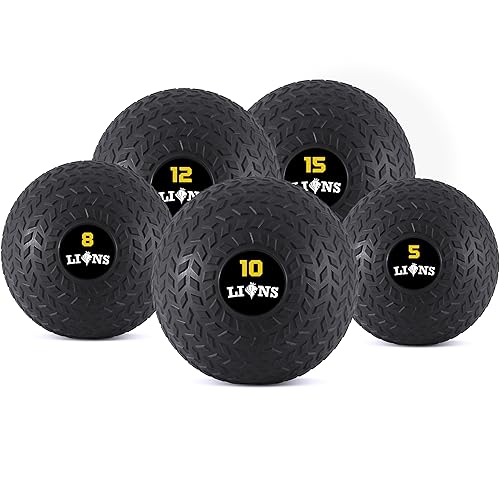
Amazon Basics Slam Medicine Balls for Exercise, 10kg
Original price was: £22.30.£21.24Current price is: £21.24. *View On Amazon* - Medicine and Slam Balls
Amazon Basics Slam Medicine Balls for Exercise, 12kg
£21.99 *View On Amazon* - Medicine and Slam Balls
Yes4All JLMS 4.5kg Slam Ball for Strength Workout – Slam Medicine Ball (4.5kg, Black)
Original price was: £23.61.£17.60Current price is: £17.60. *View On Amazon* - Medicine and Slam Balls
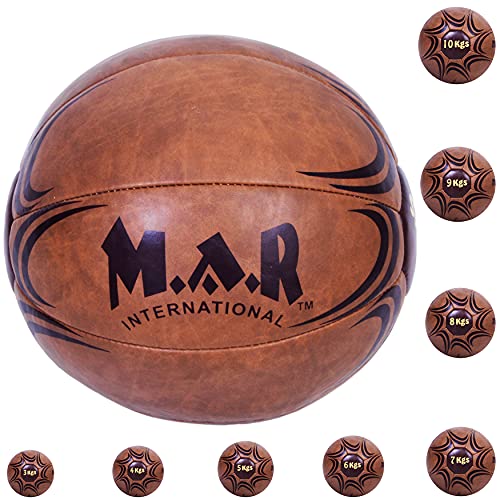
Ram Training Ball – Ideal Training Tool for Fitness and Strength Training, 3
£20.00 *View On Amazon* - Medicine and Slam Balls
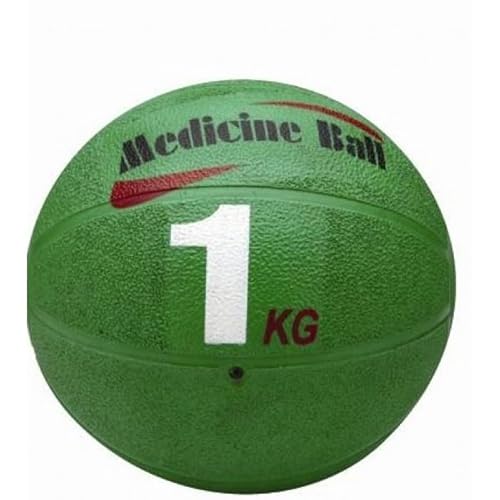
Yes4All J1RU Soft Weighted Medicine Toning Ball Green 1.8 kg Single for Pilates, Yoga and Fitness
£6.69 *View On Amazon* - Medicine and Slam Balls
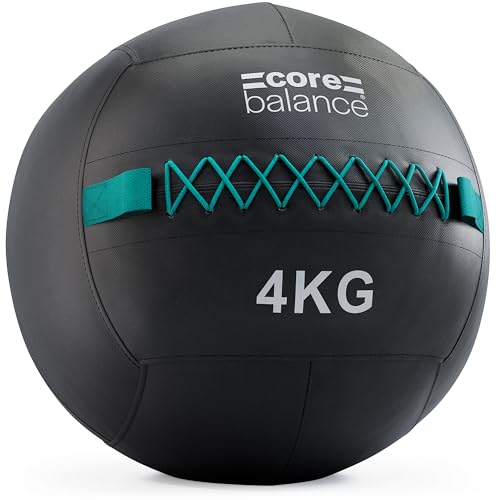
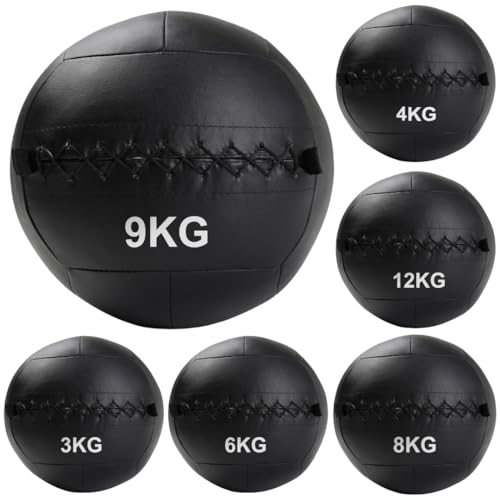
Yes4All XBBH 6.8 kg Dynamic Wall Ball/Soft Medicine Ball, Wall Med Ball for Full Body Workout and Strength Exercise, Camuflaje azul marino
Original price was: £40.90.£36.01Current price is: £36.01. *View On Amazon* - Medicine and Slam Balls
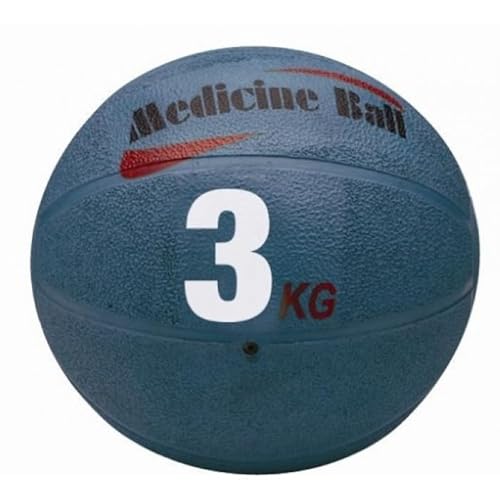
METIS Medicine Balls – 1kg to 10kg | Home Fitness and Gym Slam Balls – High Grip Textured Rubber Finish (2kg)
£24.99 *View On Amazon* - Medicine and Slam Balls
ProsourceFit Weighted Rubber Medicine Ball for Full Body Workouts, 12 lb
£31.14 *View On Amazon* - Medicine and Slam Balls
Dynamax 20lb Medicine Ball STD BLK/Gray
Original price was: £39.99.£29.99Current price is: £29.99. *View On Amazon* - Medicine and Slam Balls
TNP Accessories 5KG Slam Balls RED No Bounce Medicine Crossfit Boxing Fitness Training Gym Wall Ball
£14.99 *View On Amazon*










What Are Medicine And Slam Balls Used For?
Medicine balls and slam balls are used to add resistance, power and variety to workouts. They can support exercises such as Russian twists, wall throws, chest passes, squats, lunges, overhead throws, rotational drills and ball slams.
They are popular in functional training because they can involve several muscle groups at once. A simple weighted ball can train the core, legs, shoulders, arms, grip and coordination, depending on the exercise.
How To Choose The Right Training Ball
Start with the exercise you want to do. If you want controlled core work, partner throws or wall throws, a medicine ball may be the better option. If you want to slam the ball into the floor repeatedly, choose a slam ball designed for that type of impact.
Weight is one of the most important buying factors. A ball that is too heavy can make technique messy and increase strain through the back, shoulders or wrists. A lighter ball may be better for speed, control and beginners, while heavier balls suit stronger users and power based training.
Grip also matters. Some balls have textured surfaces, soft shells or easy grip designs. A ball that slips when your hands are sweaty can make fast training less safe and less enjoyable.
Medicine Ball Or Slam Ball?
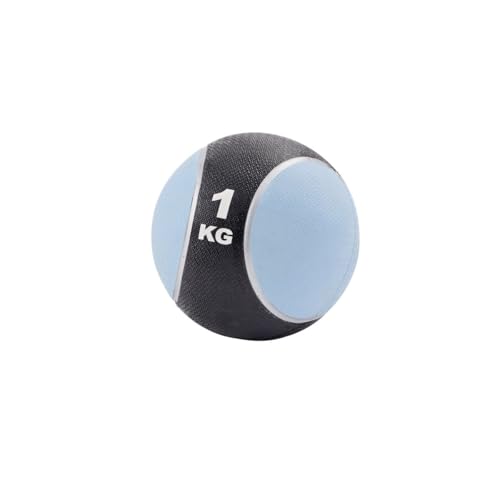
A medicine ball is usually best for controlled exercises, throws, core work, partner drills and strength training. Some medicine balls bounce, while others do not, so always check the product details before use.
A slam ball is designed for high impact floor slams. It is usually tougher, more deadened and less bouncy than a standard medicine ball. This helps reduce rebound when the ball hits the floor.
The trade off is purpose. Medicine balls are better for controlled movement and throwing drills. Slam balls are better for repeated impact and power work.
Wall Balls, Soft Medicine Balls And Weighted Balls
A wall ball is often larger and softer than a standard medicine ball. It is commonly used for wall throws, squats into throws and conditioning drills where the ball is thrown to a target.
A soft medicine ball can feel more comfortable for catching, partner drills and beginner exercises. It may be less suitable for heavy slams unless the product is specifically designed for impact.
Weighted balls vary widely in size, texture and bounce. The important point is to match the ball to the movement. Do not assume every weighted ball can be slammed, bounced or thrown hard against a wall.
Key Features To Compare
When comparing medicine and slam balls, look at weight, diameter, grip texture, outer material, bounce level, impact suitability, seam strength, filling, ease of cleaning and whether the ball suits indoor or outdoor use.
For slam balls, durability and impact resistance are essential. The shell should be designed to cope with repeated floor contact. For medicine balls, comfort, grip and predictable movement are often more important.
Size also affects feel. A larger ball may be easier to catch and hold against the body, while a smaller ball may feel better for rotational work, carries or faster movements.
Best For Core, Power Or Conditioning?
For core training, medicine balls are useful for twists, sit up variations, holds, carries and controlled rotational exercises. Choose a weight you can control without pulling through the lower back.
For power training, slam balls can be used for overhead slams, rotational slams and explosive drills. These exercises should be done with good technique and enough space.
For conditioning, both medicine balls and slam balls can work well in circuits. They can be combined with squats, lunges, burpees, skipping ropes, battle ropes or bodyweight exercises for varied workouts.
Beginner, Home Gym User Or Serious Trainer?
Beginners should start with a lighter ball and simple movements. Controlled squats, chest passes, gentle core drills and slow rotational work are usually better starting points than heavy slams.
Home gym users may want one medium weight medicine ball and one slam ball for variety. This gives options for both controlled strength work and harder conditioning sessions.
Serious trainers may want several weights for different exercises. A lighter ball can be better for speed and throws, while a heavier ball can be better for slams, carries and strength endurance.
Using Medicine And Slam Balls Safely
Use weighted balls on a suitable surface with enough space around you. Keep clear of people, pets, furniture, mirrors, windows and fragile flooring.
Do not slam a medicine ball unless the product is clearly designed for slamming. A standard medicine ball may split, bounce unpredictably or damage the floor if used incorrectly.
Start with a manageable weight and focus on posture, control and breathing. If you feel sharp back pain, shoulder pain, wrist pain, dizziness or unusual discomfort, stop the exercise and seek suitable advice if needed.
Useful Accessories To Consider
Useful accessories can include exercise mats, floor protection mats, gym timers, storage racks, resistance bands, battle ropes, skipping ropes, training gloves, gym towels and water bottles.
A floor mat can help define the workout area and protect some surfaces. A storage rack keeps weighted balls tidy and reduces trip hazards. A timer can help structure circuit training and interval sessions.
Choose accessories that make your workouts safer, tidier and easier to repeat regularly.
Why Buy Medicine And Slam Balls From YPC?
At YPC, we understand active lifestyles and the need for practical fitness equipment that fits real routines. Medicine and slam balls should feel durable, comfortable to grip and suitable for the way you actually train.
Browse the Medicine and Slam Balls range, compare the options and choose the weighted training ball that fits your strength, conditioning and home workout goals.
Medicine And Slam Balls FAQs
What is a medicine ball used for?
A medicine ball is used for weighted exercises such as core work, throws, partner drills, squats, lunges, chest passes and rotational training.
What is a slam ball used for?
A slam ball is used for high impact exercises where the ball is thrown or slammed into the floor. It is commonly used for power, conditioning and full body workouts.
What is the difference between a medicine ball and a slam ball?
A medicine ball is usually used for controlled throws, core exercises and partner drills. A slam ball is designed for repeated floor impact and usually has less bounce.
Can I slam a medicine ball?
Only if the product is specifically designed for slamming. Standard medicine balls may not be built for repeated impact and could split, bounce or damage flooring.
Are medicine balls good for beginners?
Yes, medicine balls can suit beginners when the weight is manageable and exercises are controlled. Start light and build confidence before trying faster or heavier drills.
What weight medicine ball should I buy?
Choose a weight you can control with good technique. Lighter balls suit speed, core work and beginners, while heavier balls suit strength and conditioning once you have more experience.
Are slam balls good for cardio?
Yes, slam balls can support cardio and conditioning because repeated slams can raise heart rate quickly. Start with short sets and build up gradually.
Do slam balls bounce?
Most slam balls are designed to have little or no bounce, which helps make floor slams more controlled. Always check the product details because designs vary.
What muscles do medicine balls work?
Medicine ball exercises can work the core, shoulders, chest, arms, legs, glutes and back, depending on the movement used.
What muscles do slam balls work?
Slam ball exercises can involve the core, shoulders, arms, back, legs and glutes. They are often used as full body conditioning exercises.
Are wall balls the same as medicine balls?
Wall balls are a type of weighted training ball, often larger and softer, designed for wall throws and conditioning drills. They are not always suitable for floor slams.
Can medicine balls be used at home?
Yes, medicine balls can be used at home if you have enough space and choose controlled exercises. Avoid throwing them near fragile items or unsuitable walls.
Can slam balls damage floors?
Yes, they can damage unsuitable floors, especially with heavy slams. Use a suitable surface, consider floor protection and check the product guidance before training.
What should I look for when buying a slam ball?
Look at weight, grip texture, shell durability, impact suitability, size, seam strength and whether the ball is designed for repeated slamming.
How do I care for medicine and slam balls?
Wipe them clean after use, store them dry, check for cracks or seam damage and stop using any ball that leaks, splits or feels unsafe.
 Getting ready for Summer? View our Home and Garden Products

Heading outdoors this winter? Take a look at our Outdoor Clothing.