
Mountain Bikes
Mountain bikes are designed for riding on rougher surfaces, uneven tracks, woodland paths, gravel routes, trail centres and suitable outdoor terrain. They are suitable for beginners, leisure riders, teenagers, fitness cyclists, trail riders and experienced cyclists who want a bike with grip, control and durability for more demanding routes than smooth road cycling.
The right mountain bike depends on rider size, terrain, wheel size, frame fit, suspension type, gears, brakes, tyre width, riding confidence, bike weight, maintenance needs and whether the bike is intended for light trails, family rides, cross country routes, trail riding, downhill use or electric assistance where suitable.
- Mountain Bikes
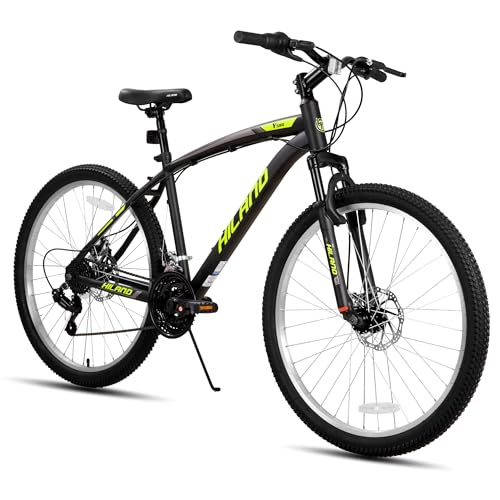
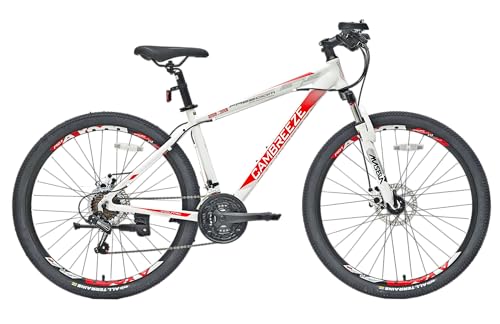
Licorne Bike Effect Premium Mountain Bike 26 inch Wheels Black and Lime ? Bicycle for Boys, Girls, Men and Women ?21 Gear Speed ? Front Suspension Mountain Bike?
Original price was: £269.99.£229.49Current price is: £229.49. *View On Amazon* - Mountain Bikes
Hiland 26 Inch Fat Tire Mountain Bike for Boys and Girls, 7-Speed Mountain Bike, Double Disc Brake, Beach And Snow Bike Silver
Original price was: £269.99.£240.48Current price is: £240.48. *View On Amazon*





What Are Mountain Bikes?
Mountain bikes are bicycles designed for rougher ground and trail style riding. They usually have wider tyres, stronger frames, a more upright control position and features intended to help riders manage bumps, loose surfaces and uneven terrain.
They can be used on woodland paths, bridleways, gravel tracks, trail centres, park routes and suitable rough ground. Some mountain bikes are simple and practical for beginners, while others are built for more technical riding.
A mountain bike should be chosen for the rider and the terrain. A bike for gentle family trails will not have the same needs as a bike used for steep, technical or more demanding riding.
What Are Mountain Bikes Used For?
Mountain bikes are used for trail riding, leisure cycling, fitness rides, rough paths, woodland routes, countryside tracks and cycling where extra grip and control are useful.
They can also be used for casual everyday riding, although they may feel slower on smooth roads than a road bike or hybrid bike because of wider tyres and more upright geometry.
Mountain bikes are popular because they feel stable and confidence building on mixed surfaces. They can help riders explore places that would be less suitable for narrow tyred road bikes.
How To Choose The Right Mountain Bike
Start by thinking about where the bike will be ridden most often. Smooth park paths, forest tracks, muddy bridleways, trail centres and rocky routes all place different demands on a bike.
Next, check size and fit. A mountain bike should allow the rider to reach the handlebars, operate the brakes, pedal comfortably and control the bike when standing or seated.
Then consider suspension, tyres and brakes. These features affect comfort, grip and confidence on uneven ground. Choose them based on real terrain needs rather than appearance alone.
Key Features To Compare
When comparing mountain bikes, look at frame size, wheel size, suspension type, fork travel where listed, gear range, brake type, tyre width, tyre tread, handlebar width, saddle comfort, bike weight and intended use.
Suspension can help absorb bumps, but it also adds weight and maintenance. A simple hardtail bike may suit many riders, while full suspension may be more useful for more demanding terrain where suitable.
Brakes should feel confident and easy to control. On trails, predictable stopping matters because surfaces can change quickly.
Mountain Bikes Compared With Road Bikes
Road bikes are designed for speed and efficiency on smooth roads. They usually have narrower tyres, lighter frames and a more forward riding position.
Mountain bikes are designed for control and grip on rougher ground. They usually have wider tyres, stronger frames and a more upright riding position.
The trade off is speed versus terrain capability. A road bike is better for smooth road distance, while a mountain bike is better for trails, rough paths and mixed outdoor riding.
Mountain Bikes Compared With Hybrid Bikes
Hybrid bikes are designed for everyday riding, commuting, leisure routes and mixed surfaces. They often offer comfort and practicality on roads, cycle paths and light gravel.
Mountain bikes are more focused on rougher terrain, grip and trail control. They may feel more capable on mud, roots, stones and uneven tracks.
Choose a hybrid bike for everyday riding and light mixed routes. Choose a mountain bike when rougher ground and trail confidence are more important.
Mountain Bikes Compared With BMX Bikes
BMX bikes are compact bikes designed for tricks, skate parks, pump tracks, street riding and short controlled sessions where suitable.
Mountain bikes are designed for longer rides, rougher terrain and trail control. They usually have larger wheels, gears and tyres suited to varied ground.
The best choice depends on riding style. Choose a BMX for tricks and park riding, and choose a mountain bike for trails, woodland routes and rougher outdoor cycling.
Mountain Bikes Compared With Gravel Bikes
Gravel bikes are designed for mixed road and light rough surface riding. They often suit lanes, gravel tracks, longer rides and riders who want more efficiency than a mountain bike on smoother surfaces.
Mountain bikes are usually better for rougher trails, mud, roots, stones and more uneven terrain. They offer more grip and control where the ground is demanding.
The trade off is efficiency versus rugged control. Gravel bikes suit faster mixed riding, while mountain bikes suit rougher and more technical routes.
Beginner, Regular Rider And Experienced Rider Guidance
Beginners should choose a mountain bike that feels stable, comfortable and easy to control. A simple hardtail bike can be a practical starting point for many riders.
Regular riders may want better brakes, wider gear range, more suitable tyres and improved suspension depending on the routes they use most often.
Experienced riders often compare geometry, fork performance, suspension setup, wheel strength, tyre compound, gear range, brake power, frame feel and how the bike handles on specific terrain.
Mountain Bikes For Beginners
Beginner mountain bikes should help riders build confidence. The bike should be the right size, easy to brake, comfortable to sit on and manageable at low speed.
A beginner does not usually need the most advanced suspension or the most aggressive trail features. A practical bike that suits local paths and gentle trails is often more useful.
New riders should practise braking, changing gears, standing on the pedals and looking ahead before attempting harder routes.
Mountain Bikes For Leisure Riding
Mountain bikes can be useful for leisure rides through parks, woods, tracks, bridleways and countryside paths. They offer grip and stability on surfaces that may feel rough on other bike types.
For leisure riding, comfort is often more important than specialist trail performance. A relaxed riding position, suitable saddle and manageable gears can make rides more enjoyable.
If most riding is on smooth roads, a hybrid bike may feel easier. If rides include mud, grass, gravel and uneven paths, a mountain bike may be more suitable.
Mountain Bikes For Trail Riding
Trail riding can involve roots, stones, mud, climbs, descents, turns and changing ground. A mountain bike for trails should give the rider control, grip and confident braking.
Tyres, suspension and frame fit all affect trail feel. A bike that is too large, too small or poorly maintained can make trail riding harder than it needs to be.
Riders should choose trails that match their ability. Progression should be gradual, especially when learning corners, drops, climbs or rougher descents.
Mountain Bikes For Woodland Routes
Woodland routes can be varied, with leaves, mud, roots, branches, loose stones and narrow paths. A mountain bike can help riders feel more stable on this type of terrain.
Tyre tread and brake control are especially useful in woodland conditions. Wet roots and mud can be slippery, so riders should adjust speed and line choice carefully.
Always follow local access rules. Not every woodland path is open to cycling, and shared routes should be used considerately.
Mountain Bikes For Family Cycling
Mountain bikes can be useful for family rides where routes include parks, forest tracks, campsite paths and rougher leisure routes.
The route should match the least confident rider in the group. Children and beginners may need flatter, wider and less technical paths while confidence grows.
Useful family cycling accessories include helmets, water bottles, snacks, spare layers, lights where needed and a small repair kit.
Mountain Bikes For Fitness
Mountain biking can support fitness by combining pedalling effort, balance, climbing, control and outdoor exercise. It can feel more varied than road cycling because terrain and effort change often.
Riders who use mountain bikes for fitness should choose a bike that is comfortable enough for regular sessions and suitable for the terrain they enjoy.
Hydration, clothing, gloves and maintenance products become more important as ride length and frequency increase.
Mountain Bikes For Commuting
Mountain bikes can be used for commuting, especially where the route includes rough tracks, poor surfaces, towpaths or mixed ground. However, they may feel slower on smooth roads than hybrid or road bikes.
For commuting, mudguards, lights, locks, racks and puncture aware tyres where listed may be useful.
If the ride is mostly road based, a hybrid bike may be more efficient. If the route is rough or mixed, a mountain bike may be more practical.
Mountain Bikes For Children And Teenagers
Children and teenagers may choose mountain bikes for parks, family rides, school age cycling and trail style routes. Fit and control are especially important.
A young rider should be able to operate the brakes, manage the gears where listed and control the bike safely. A bike that is too heavy or too large can reduce confidence.
Protective equipment and supervision are important, especially when riding rougher routes or trail centres.
Mountain Bikes For Adults
Adult mountain bikes should match rider height, body position, fitness, confidence and riding style. A bike that fits well will feel easier to control and more comfortable over distance.
Adults should choose based on actual riding rather than appearance alone. A rugged trail bike may be unnecessary for light paths, while a very basic bike may not suit harder terrain.
Comfort, braking, tyre choice and maintenance should all be considered before buying.
Hardtail Mountain Bikes
Hardtail mountain bikes have front suspension but no rear suspension. They are popular for beginners, cross country riding, leisure trails and riders who want a simpler setup.
A hardtail can be lighter and easier to maintain than a full suspension bike, depending on the design. It can also help riders learn good technique because the rear of the bike gives more feedback from the trail.
Hardtails are a practical choice for many riders, especially on smoother trails, forest tracks and mixed leisure routes.
Full Suspension Mountain Bikes
Full suspension mountain bikes have suspension at the front and rear where listed. They are often chosen for rougher trails, technical descents and riders who want more comfort over uneven ground.
Rear suspension can help absorb bumps and improve control in some conditions, but it adds weight, complexity and maintenance.
A full suspension bike should be chosen for real terrain needs. For simple paths or commuting, it may be more bike than the rider needs.
Electric Mountain Bikes
Electric mountain bikes add motor assistance where listed. They can help riders manage climbs, longer trail sessions and hilly routes while still riding a mountain bike.
They are usually heavier than standard mountain bikes because of the motor and battery. This affects lifting, handling, storage and transport.
Battery range, legal suitability, charging, brakes, tyres and suspension should all be checked carefully before buying.
Wheel Size And Ride Feel
Mountain bikes can use different wheel sizes depending on the model and rider size. Wheel size affects handling, rollover, stability and how the bike feels on rough ground.
Larger wheels can feel stable and roll more easily over some obstacles, while smaller wheels may feel more agile or easier for smaller riders to manage.
The right choice depends on rider size, terrain and preference. Product size guidance should always be checked.
Frame Size, Fit And Riding Position
Frame size affects comfort and control. A mountain bike that is too large can be difficult to handle, while one that is too small can feel cramped and unstable.
The rider should be able to stand over the bike where appropriate, reach the handlebars comfortably and operate the brakes confidently.
Mountain bike fit also depends on riding style. Trail riders may prefer a different position from casual leisure riders or commuters.
Suspension Forks And Travel
Many mountain bikes use suspension forks to absorb bumps from the front wheel. Fork travel where listed describes how much movement the fork has.
More travel is not always better. Longer travel may suit rougher terrain, while shorter travel may suit lighter trails, cross country riding and everyday use.
Suspension should be checked and maintained according to product guidance. Poorly maintained suspension can affect comfort and control.
Gears And Climbing
Gears help mountain bike riders manage hills, rough tracks and changing terrain. A suitable gear range can make climbing easier and help riders keep pedalling smoothly.
Simple gear setups can be easier for beginners, while wider gear ranges can help on steeper climbs or longer trail rides.
Gear shifting should feel smooth and predictable. Poorly adjusted gears can make trail riding frustrating and may cause chain problems.
Brakes And Stopping Control
Brakes are especially important on mountain bikes because trails can include descents, mud, loose stones and sudden obstacles.
Disc brakes are common on many mountain bikes where listed, but brake type and performance vary by product. The key is that the rider can stop safely and confidently.
Brake levers should be easy to reach, and braking should be practised before riding more demanding routes.
Tyres, Grip And Terrain
Tyres are one of the most important parts of a mountain bike. Wider tyres and suitable tread can improve grip on mud, gravel, roots and loose surfaces.
Tyre choice should match terrain. Smooth hard paths need different tyres from muddy trails or rocky routes.
Tyre pressure also affects grip and comfort. Too much pressure can reduce grip, while too little can increase the risk of damage or poor handling.
Wheels, Rims And Strength
Mountain bike wheels need to handle rougher use than many road focused bikes. Rims, spokes and hubs should be suitable for the rider and terrain.
Rough riding, hard impacts and poor maintenance can affect wheel condition. Buckled wheels, loose spokes or damaged rims should be checked before further riding.
Wheel strength matters more as riders progress to rougher trails or heavier use.
Handlebars, Grips And Control
Mountain bike handlebars are usually wider than many road or hybrid bike bars. Wider bars can help with control on rough ground, but they should still suit the rider and route.
Grips should feel comfortable and secure. Worn or slippery grips can reduce confidence, especially in wet or muddy conditions.
Controls should be positioned so the rider can brake and change gears without awkward hand movement.
Saddles, Pedals And Comfort
Mountain bike saddles should support the rider without interfering with movement. Trail riding often involves shifting body position, standing up and moving over the bike.
Pedals should give enough grip for the rider’s shoes. Slippery pedals can make rough ground feel less controlled.
Comfort also depends on clothing, gloves and bike fit. Small changes to saddle height and handlebar position can make a ride feel much better.
Clothing And Protective Equipment
Mountain biking can involve mud, falls, branches, stones and changing weather. A suitable cycle helmet is important, and some riders may also use gloves, knee pads, elbow pads or eye protection where suitable.
Clothing should allow movement and suit the weather. A breathable layer, waterproof jacket where suitable and sturdy shoes can all help.
Protective equipment does not remove risk, but it can help riders feel more confident and reduce injury during falls.
Lights, Visibility And Trail Awareness
Lights may be needed for low light riding, commuting, shaded woodland, evening rides or poor weather. Reflective details and visible clothing can also help.
Riders should not rely only on lights for safety. Trail awareness, speed control and route choice are still essential.
Night trail riding may be restricted in some areas and requires suitable lighting, planning and local permission.
Locks, Storage And Security
Mountain bikes can be valuable, so security matters. A suitable lock should be used when leaving the bike unattended.
At home, store the bike somewhere secure and dry where possible. Garages, sheds, wall racks and bike covers may all be useful depending on space.
If transporting the bike by car, check rack compatibility and secure the bike properly before driving.
Mudguards, Bags And Practical Accessories
Mudguards can help reduce spray on wet tracks, commuting routes and muddy paths where compatible.
Bike bags, saddlebags and frame bags can carry tools, spare tubes, snacks, keys and small essentials. They should be fitted securely and not interfere with riding.
Bottle cages or hydration packs can be useful for longer rides, especially in warm weather or remote areas.
Maintenance And Basic Checks
Mountain bikes should be checked regularly because rough riding can loosen or wear parts. Tyres, brakes, chain, gears, wheels, suspension, pedals and bolts should all be inspected.
A pre ride check can help identify problems before they become unsafe. Listen for unusual noises and stop if the bike feels loose or unstable.
Important mechanical work should be done carefully. If in doubt, use a suitable cycle mechanic.
Cleaning After Muddy Rides
Mountain bikes often collect mud, grit and water. Cleaning helps protect the chain, gears, brakes, suspension and frame.
Avoid aggressive water pressure around bearings, suspension seals and electrical parts on electric bikes unless product guidance says it is safe.
After cleaning, dry the bike and lubricate the chain according to product guidance. Check brakes and gears before the next ride.
Trail Rules And Responsible Riding
Always follow local trail rules, signs and access guidance. Not every path is open to cycling, and some trails may be one way or graded by difficulty.
Ride at a speed that suits the route, weather and other users. Slow down around walkers, horse riders, dogs and children.
Responsible riding protects access. Avoid damaging wet trails, cutting corners or riding in closed areas.
Common Mountain Bike Buying Mistakes
One common mistake is choosing a mountain bike that is too large. A poor fit can make rough ground harder to control.
Another mistake is buying full suspension when a hardtail would be more practical. More suspension is not always better for every rider.
A third mistake is choosing only by appearance. Fit, brakes, tyres, gears and intended use matter more than styling.
Care, Cleaning And Storage
Mountain bikes should be cleaned, dried and stored sensibly after use. Mud, rain, grit and road salt can affect the drivetrain, brakes, suspension and frame.
Store the bike somewhere dry and secure where possible. Do not leave it damp for long periods after muddy rides.
Before the next ride, check tyres, brakes, chain, gears, wheels and any suspension parts. Regular checks help keep the bike safer and more enjoyable.
Useful Accessories To Consider
Useful mountain bike accessories include cycle helmets, gloves, lights, locks, pumps, spare tubes, tyre levers, multitools, chain lubricant, cleaning brushes, mudguards, bottle cages, hydration packs, knee pads, elbow pads and bike bags.
For trail riding, repair kits, suitable clothing, eye protection and navigation tools may also be useful. For electric mountain bikes, charging equipment and battery care should be considered.
The best mountain bike setup is one where the bike, safety equipment, repair kit, clothing and maintenance products all work together.
Why Buy Mountain Bikes From YPC?
At YPC, we understand active lifestyles and the need for practical products that work in real use. Mountain bikes should be chosen carefully because fit, terrain, suspension, tyres, brakes, comfort and maintenance all affect how suitable they are.
Browse the Mountain Bikes category at YPC to compare available options, check the details that suit your riding plans and choose mountain bikes that help make trail riding, leisure cycling and rough ground routes more controlled and enjoyable.
Mountain Bikes FAQs
What is a mountain bike?
A mountain bike is a bicycle designed for rougher ground, trails, woodland paths and uneven surfaces. It usually has wider tyres, stronger handling and features suited to outdoor terrain.
It is different from a road bike or hybrid bike.
Are mountain bikes suitable for beginners?
Yes, mountain bikes can be suitable for beginners when chosen in the right size and style. A simple hardtail mountain bike can be a practical starting point.
Beginners should start on easy routes before riding harder trails.
What are mountain bikes used for?
Mountain bikes are used for trail riding, woodland routes, rough paths, bridleways, leisure cycling, fitness rides and suitable outdoor terrain.
They can also be used casually on roads, although they may not feel as fast as road bikes.
Can mountain bikes be used on roads?
Yes, mountain bikes can be used on roads, but they may feel slower than road or hybrid bikes because of wider tyres and trail focused design.
They can be useful if your route includes mixed surfaces or rough paths.
What is the difference between a mountain bike and a road bike?
A mountain bike is built for rougher terrain, grip and control. A road bike is built for efficiency and speed on smooth roads.
Choose based on the surfaces you ride most often.
What is the difference between a mountain bike and a hybrid bike?
A hybrid bike is designed for everyday riding, commuting and light mixed surfaces. A mountain bike is more suited to rougher trails, mud and uneven ground.
A hybrid may be better for daily road use, while a mountain bike is better for trails.
What is a hardtail mountain bike?
A hardtail mountain bike has front suspension but no rear suspension. It is often practical for beginners, leisure trails and cross country style riding.
It can be simpler and easier to maintain than full suspension bikes.
What is a full suspension mountain bike?
A full suspension mountain bike has suspension at the front and rear where listed. It can help with comfort and control on rougher terrain.
It usually adds weight and maintenance compared with a hardtail.
Do I need full suspension?
Not always. Many riders are well served by a hardtail, especially for light trails, family rides, fitness riding and beginner mountain biking.
Full suspension is more useful for rougher or more technical terrain where suitable.
What size mountain bike do I need?
Mountain bike size depends on rider height, inside leg, frame design and riding style. Product size guides should be checked carefully.
A correctly sized bike should feel controlled, comfortable and safe.
What wheel size is best for a mountain bike?
The best wheel size depends on rider size, terrain and preference. Different wheel sizes can affect stability, agility and how easily the bike rolls over rough ground.
Check product guidance before choosing.
Are wider tyres better on mountain bikes?
Wider tyres can offer more grip and comfort on rougher ground, but they may feel slower on smooth roads.
Choose tyre width and tread based on the terrain you ride most often.
Are disc brakes useful on mountain bikes?
Disc brakes are common on many mountain bikes where listed and can offer confident braking in varied conditions. Brake quality and setup still matter.
The rider should be able to control braking smoothly and safely.
How many gears does a mountain bike need?
The right gear range depends on hills, terrain and rider strength. More gears are not always better if the range does not suit the route.
A useful low gear can make climbing easier.
Are mountain bikes good for commuting?
Mountain bikes can be used for commuting, especially on rough or mixed routes. For smooth road commutes, a hybrid or road bike may feel more efficient.
Lights, locks, mudguards and bags may be useful commuter accessories.
Are mountain bikes good for children?
Mountain bikes can be good for children who ride parks, family routes and light trails where suitable. The bike must fit properly and not be too heavy.
Children should use suitable protective equipment and supervision.
What protective equipment is useful for mountain biking?
A cycle helmet is important, and gloves, eye protection, knee pads and elbow pads may be useful depending on riding style and terrain.
Protective equipment should match the rider’s confidence and route difficulty.
How do I maintain a mountain bike?
Check tyres, brakes, chain, gears, wheels, bolts and suspension parts regularly. Clean the bike after muddy rides and lubricate the chain according to product guidance.
Seek help from a suitable mechanic for safety critical repairs.
How do I clean a mountain bike?
Remove mud and grit carefully, avoid aggressive water pressure around sensitive parts, dry the bike and lubricate the chain where suitable.
Check brakes, gears and tyres after cleaning.
What should I check before buying mountain bikes?
Check frame size, wheel size, suspension type, brakes, gears, tyre tread, bike weight, rider fit, intended terrain, accessory compatibility and maintenance needs.
The right mountain bike should match the rider, terrain, confidence level and type of cycling planned.
 Getting ready for Summer? View our Home and Garden Products

Heading outdoors this winter? Take a look at our Outdoor Clothing.