
Bikes
Bikes are used for travel, exercise, leisure, sport, commuting and family outdoor activity. They are suitable for beginners, children, casual riders, commuters, fitness cyclists, trail riders and experienced riders who want practical equipment for roads, paths, parks, countryside routes and suitable off road terrain.
The right bike depends on rider height, riding style, terrain, journey length, comfort needs, frame size, wheel size, gears, brakes, suspension, storage space, transport needs and whether the bike is intended for road cycling, mountain biking, hybrid riding, commuting, electric assistance, folding storage or children’s cycling.
-

BMX Bikes127 Products
-
Children's Bikes151 Products
-
Electric Bikes357 Products
-
Folding Bikes217 Products
-
Mountain Bikes187 Products
-
Road Bikes60 Products


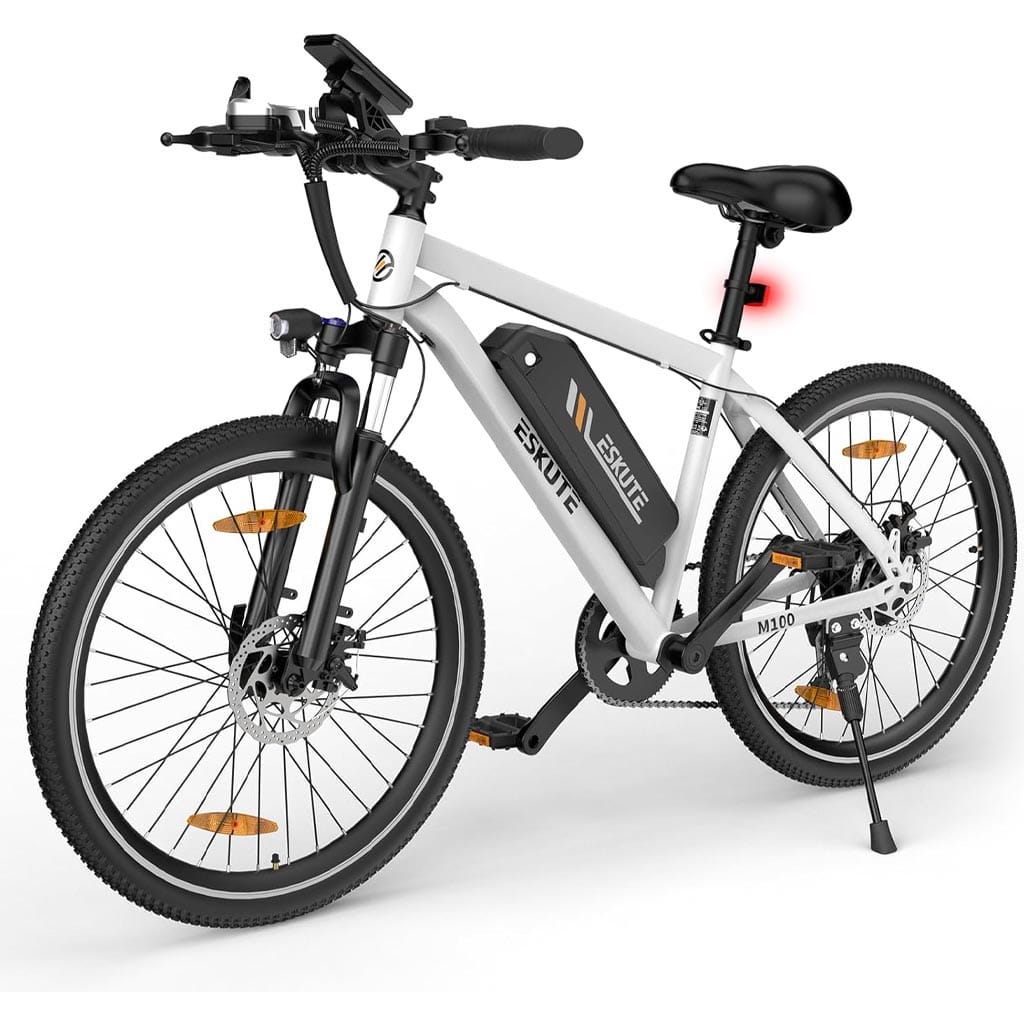


What Are Bikes?
Bikes are pedal powered vehicles designed to carry a rider on two wheels. They can be used for everyday transport, sport, fitness, leisure riding, family days out, trail riding and longer journeys.
Different bikes are designed for different purposes. A road bike is very different from a mountain bike, while a children’s bike, folding bike, hybrid bike or electric bike each has its own use.
A good bike should suit the rider, the route and the type of cycling planned. The best choice is not always the fastest or most technical model. It is the bike that fits well, feels comfortable and suits real use.
What Are Bikes Used For?
Bikes are used for commuting, school runs, leisure rides, fitness training, cycling holidays, trail riding, park routes, shopping trips and general outdoor activity.
They can help riders travel more actively, enjoy time outdoors and build fitness at a pace that suits them. For many people, cycling is also a practical alternative to short car journeys.
Bikes can also support family activity. Children, parents and casual riders can enjoy cycling together when the bikes, helmets and accessories are chosen carefully.
How To Choose The Right Bike
Start by thinking about where the bike will be ridden most often. Smooth roads, cycle paths, gravel tracks, woodland trails, hills and town centres all place different demands on a bike.
Next, consider rider fit. A bike that is the wrong size can feel uncomfortable, difficult to control or tiring to ride. Frame size, saddle height, handlebar reach and riding position all matter.
Then think about practical details. Gears, brakes, tyre type, suspension, weight, storage, locks, lights and mudguards can all affect how useful the bike is day to day.
Key Features To Compare
When comparing bikes, look at frame size, wheel size, bike type, riding position, number of gears, brake type, tyre width, suspension, frame material where listed, bike weight, saddle comfort and accessory compatibility.
Riding position affects comfort. Some bikes place the rider lower and more forward, while others give a more upright position for relaxed riding.
Tyres also matter. Narrower tyres can feel efficient on smooth roads, while wider tyres can add comfort and grip on rougher paths where suitable.
Bikes Compared With Electric Bikes
A standard bike is powered only by the rider. It can be lighter, simpler and easier to maintain than some electric models.
An electric bike includes motor assistance where listed, helping the rider on hills, longer rides or daily commutes. It still needs pedalling, but the assistance can make riding feel more manageable.
The trade off is simplicity versus assistance. A standard bike may suit casual rides and fitness goals, while an electric bike may suit longer journeys, hills or riders who want extra help.
Bikes Compared With Scooters
Bikes are designed for seated pedalling and can cover a wide range of distances, terrain and riding styles. They often offer gears, larger wheels and more route flexibility.
Scooters are usually used for shorter trips, compact travel or casual riding. They use a different stance and riding style.
The best choice depends on journey type, rider confidence, storage space and where the product will be used.
Beginner, Regular Rider And Experienced Cyclist Guidance
Beginners should choose a bike that feels stable, comfortable and easy to control. A simple, well fitting bike is often better than a specialist model with features that are not needed yet.
Regular riders may want a bike that suits their main use more closely. Commuters may want mudguard and rack compatibility, while fitness riders may focus on efficiency and comfort.
Experienced cyclists often compare frame geometry, gearing range, brake feel, tyre clearance, weight, wheel quality, handling, ride feel and compatibility with accessories or upgrades.
Bikes For Commuting
Commuting bikes should be reliable, comfortable and practical for repeated use. Riders may need lights, locks, mudguards, racks, panniers, bottle cages and clothing suited to changing weather.
A commuter bike should suit the route. Urban roads, cycle lanes, towpaths and hilly journeys may all need different features.
Comfort matters because commuting is frequent. A bike that feels awkward after a short test ride may become frustrating when used every day.
Bikes For Leisure Riding
Leisure bikes are used for relaxed rides, parks, cycle paths, family trips and weekend activity. Comfort, stability and ease of use are usually more important than speed.
An upright riding position, manageable gears and suitable tyres can make casual rides more enjoyable. The bike should feel easy to start, stop and steer.
Leisure cyclists may also value practical accessories such as baskets, bottle cages, stands, lights and simple storage.
Bikes For Fitness
Fitness bikes are chosen by riders who want cycling to support exercise, health and regular activity. They may include road bikes, hybrid bikes, indoor training setups or other suitable bike types.
The right fitness bike should suit the rider’s goals. Some riders want speed and distance, while others want comfort and steady activity.
Comfort and fit are especially important for fitness riding because ride length often increases over time. Saddle choice, handlebar position and clothing can all affect enjoyment.
Bikes For Road Cycling
Road bikes are usually designed for riding on smooth roads and covering distance efficiently. They often have lighter frames, narrower tyres and a more forward riding position.
They can suit fitness rides, club rides, commuting on roads and longer road routes where suitable. However, they may feel less comfortable on rough tracks or mixed surfaces.
Road bikes should be chosen carefully by size and fit. A good road bike setup should allow control, comfort and efficient pedalling.
Bikes For Mountain Biking
Mountain bikes are designed for off road riding, trails, rougher ground and uneven surfaces where suitable. They often have wider tyres, stronger frames and suspension features depending on the model.
A mountain bike may suit woodland paths, bridleways, trail centres and rougher leisure routes. It can also be used for casual riding, though it may feel slower on smooth roads than a road or hybrid bike.
Choose the type of mountain bike based on the terrain. Gentle tracks need different equipment from technical trails or downhill riding.
Bikes For Hybrid Riding
Hybrid bikes combine practical features from road and mountain style bikes. They are often used for commuting, leisure rides, fitness cycling and mixed surfaces.
A hybrid bike can be a good choice for riders who want one bike for several uses. It may feel comfortable on roads, cycle paths and light gravel depending on the tyres and design.
The main strength of a hybrid bike is versatility. It is often a practical starting point for riders who are not sure whether they need a road bike or mountain bike.
Bikes For Children
Children’s bikes should be chosen for size, confidence and control. A bike that is too large can be difficult and unsafe, while a bike that is too small can be uncomfortable and limiting.
Children grow quickly, so size should be checked regularly. Saddle height, reach, brake control and standover clearance all matter.
For younger riders, balance bikes, starter bikes and simple gear setups can help build confidence. Adult supervision and safe riding areas are important.
Bikes For Families
Family cycling needs bikes and accessories that suit different ages, abilities and confidence levels. The route should match the least experienced rider in the group.
Useful family cycling products may include children’s helmets, lights, locks, child seats where suitable, trailers where suitable, water bottles, snacks, spare layers and basic repair items.
Family rides work best when bikes are comfortable, routes are realistic and everyone has time to ride at a relaxed pace.
Bikes For Electric Assistance
Electric bikes can help riders manage hills, longer commutes or journeys where extra support is useful. They can be especially helpful for riders who want to cycle more often but need assistance with effort.
Battery range, motor type, weight, charging, storage and maintenance all matter where listed. Electric bikes can be heavier than standard bikes, so handling and storage should be considered.
Electric bikes should be chosen carefully for intended use. Commuting, leisure riding, cargo use and hillier routes may all need different features.
Bikes For Folding Storage
Folding bikes are designed to pack smaller for storage or transport. They can be useful for commuters, flats, trains, car boots, offices and riders with limited storage space.
A folding bike should still feel stable and comfortable when unfolded. Fold size is important, but ride quality and fit also matter.
Check folding mechanism, wheel size, weight, folded dimensions and carrying ease where listed. A folding bike that is awkward to fold may not be as convenient as expected.
Bikes For Gravel And Mixed Surfaces
Gravel and mixed surface bikes are designed for riders who want to use roads, lanes, hard tracks and light off road routes where suitable.
They often balance efficiency with comfort and tyre clearance. This can make them useful for exploring routes that are rougher than normal road cycling but not as technical as mountain biking.
Choose tyres, gearing and riding position based on the surfaces you actually ride. Mixed surface cycling rewards comfort and control more than extreme speed.
Bikes For Touring And Longer Rides
Touring bikes are designed for longer journeys, luggage carrying and comfort over distance where suitable. They may include features suited to racks, panniers, stable handling and practical gearing.
Longer rides need reliable equipment. Saddle comfort, handlebar position, tyre choice, brakes, luggage compatibility and repair tools all become more important.
Touring riders should plan carefully. Route, weather, food, water, puncture repair, lights and storage all matter for longer journeys.
Bike Size, Fit And Riding Comfort
Bike size is one of the most important buying factors. A correctly sized bike is easier to control, more comfortable and more enjoyable to ride.
Frame size, wheel size, saddle height, reach and handlebar position should all suit the rider. Small changes can make a big difference to comfort.
If the rider feels stretched, cramped, unstable or repeatedly uncomfortable, the bike size or setup may need checking.
Frame Style And Riding Position
Frame style affects how a bike feels and how easy it is to mount, ride and control. Some bikes have traditional crossbar frames, while others have step through designs where listed.
Riding position affects comfort and efficiency. Upright bikes can feel relaxed and practical, while lower riding positions may feel faster or more efficient for some riders.
Choose the position that suits the rider’s flexibility, confidence, route and purpose.
Wheel Size And Tyres
Wheel size affects ride feel, handling and compatibility with tyres and tubes. Children’s bikes, folding bikes, mountain bikes and road bikes can all use different wheel sizes.
Tyres affect comfort, grip and speed. Wider tyres can feel more stable and comfortable on rougher surfaces, while narrower tyres can feel more efficient on smooth roads.
Replacement tyres and tubes must match the bike. Always check wheel size, tyre width and valve type before buying spares.
Gears And Hill Climbing
Gears help riders adjust effort for hills, speed and changing terrain. More gears are not always better if the rider does not need them.
A simple gear system may suit children, beginners and flat routes. A wider gear range may be useful for hills, commuting, touring or off road riding.
Gears should shift smoothly and be easy for the rider to use. Poorly adjusted gears can make cycling frustrating.
Brakes And Stopping Control
Brakes are essential for safety and control. Different bikes may use rim brakes, disc brakes or other brake systems depending on the model.
Brake choice can affect stopping feel, maintenance and performance in wet or muddy conditions where suitable. Product details should be checked carefully.
The rider should be able to reach and operate the brake levers comfortably. Children and smaller riders especially need brakes that fit their hands.
Suspension And Ride Comfort
Suspension can help absorb bumps on rough ground. Mountain bikes may include front suspension or full suspension depending on the design.
For road, commuting and leisure riding, suspension may not always be needed. Tyres, saddle choice and riding position can also affect comfort.
Suspension adds weight and maintenance, so it should be chosen for real terrain needs rather than appearance alone.
Bike Weight And Carrying
Bike weight affects handling, lifting, transport and storage. A lighter bike can be easier to carry upstairs, lift onto racks or accelerate.
A heavier bike may feel sturdy, but it can be harder to manage for children, commuters or anyone using public transport.
Weight should be considered alongside strength, price, comfort and intended use. The lightest bike is not always the most practical choice.
Bike Accessories And Compatibility
Bikes often become more useful with accessories such as lights, locks, mudguards, racks, panniers, baskets, bottle cages, pumps, bells and stands.
Compatibility should always be checked. Not every bike has the same fixing points, frame clearance or wheel size.
Choose accessories based on the way the bike will be used. Commuting, touring, school runs and leisure riding all need different setups.
Helmets, Lights And Visibility
A cycle helmet should fit securely and be suitable for cycling. Many riders choose helmets for head protection, and some events, schools or clubs may require them.
Lights are important for low light, poor weather and night riding. Reflectors and visible clothing can also help other road users notice the rider.
Visibility equipment should be checked before each ride. Batteries, mounting points and straps should all be secure.
Locks, Storage And Security
Bike security matters, especially if the bike will be left in public places. Locks should suit the bike value, location and time left unattended.
At home, bikes should be stored in a dry, secure and stable place where possible. Wall racks, floor stands, covers and sheds may all help depending on available space.
Removable accessories such as lights, bags and computers may need to be taken with you when leaving a bike unattended.
Maintenance And Basic Checks
Regular maintenance helps keep bikes safer and more enjoyable to ride. Tyres, brakes, chain, gears, wheels and bolts should be checked regularly.
Basic items such as a pump, spare tube, tyre levers, chain lubricant and cleaning products can be useful for many riders.
Important mechanical work should be done carefully. If brakes, steering, wheels or gears feel unsafe, seek help from a suitable cycle mechanic.
Cleaning And Weather Care
Bikes can collect mud, rain, road spray, salt, dust and grit. Cleaning helps keep moving parts working and makes it easier to spot wear or damage.
The chain should be cleaned and lubricated according to product guidance. Too little lubrication can cause noise and wear, while too much can attract dirt.
After wet rides, dry the bike where practical and check brakes, chain and tyres before the next use.
Safe Riding And Route Choice
Safe cycling depends on equipment, rider behaviour, route choice and awareness. Choose routes that match the rider’s confidence and ability.
Beginners and children should practise in safe areas before riding on busier roads or shared paths. Braking, turning, signalling and looking around should feel controlled.
Riders should follow road rules, trail signs and local guidance. Shared spaces require care around pedestrians, dogs, children and other cyclists.
Common Bike Buying Mistakes
One common mistake is buying a bike that is the wrong size. A poorly fitting bike can be uncomfortable and harder to control.
Another mistake is choosing a bike for appearance rather than intended use. A mountain bike may look strong, but it may not be the best choice for a road commute.
A third mistake is forgetting accessories. Lights, locks, helmets, pumps and storage items can be just as important as the bike itself for everyday use.
Care, Cleaning And Storage
Bikes should be cleaned, dried and stored sensibly after use. Mud, water, grit and road salt can affect chains, gears, brakes and frames over time.
Store the bike where it is secure and protected from avoidable weather exposure where possible. Damp storage can make maintenance harder.
Before riding again, check tyres, brakes, chain, lights and loose parts. A simple check can prevent many common problems.
Useful Accessories To Consider
Useful bike accessories include helmets, lights, locks, pumps, spare tubes, tyre levers, multitools, mudguards, bottle cages, water bottles, bells, baskets, panniers, saddlebags, child seats where suitable, cleaning products and chain lubricant.
For commuting, locks, lights, mudguards and bags are often practical. For leisure riding, comfort items, bottles and repair tools may be useful. For children, helmets, bells and suitable supervision are important.
The best bike setup is one where the bike, safety equipment, storage, comfort accessories and maintenance products all work together.
Why Buy Bikes From YPC?
At YPC, we understand active lifestyles and the need for practical products that work in real use. Bikes should be chosen carefully because size, fit, riding style, terrain, comfort, accessories and maintenance all affect how useful they are.
Browse the Bikes category at YPC to compare available options, check the details that suit your riding plans and choose bikes that help make cycling more comfortable, practical and enjoyable.
Bikes FAQs
What type of bike should I choose?
Choose a bike based on where and how you ride. Road bikes suit smooth roads, mountain bikes suit off road trails, hybrid bikes suit mixed everyday riding and folding bikes suit compact storage.
The best bike is the one that fits well and suits your normal routes.
Are bikes suitable for beginners?
Yes, bikes are suitable for beginners when chosen carefully. A beginner bike should feel stable, comfortable and easy to control.
Start with a bike that suits the rider’s confidence and intended routes.
What size bike do I need?
Bike size depends on rider height, inside leg, frame design and riding style. Product size guides should be checked carefully.
A correctly sized bike should feel comfortable, stable and easy to control.
How do I know if a bike fits?
A bike should allow the rider to reach the handlebars, operate the brakes, pedal comfortably and stop safely. The rider should not feel overly stretched or cramped.
Saddle height and handlebar position may also need adjustment.
What is the difference between a road bike and a mountain bike?
A road bike is usually designed for smoother roads and efficient riding. A mountain bike is designed for rougher off road terrain, wider tyres and more rugged use where suitable.
Choose based on the surfaces you ride most often.
What is a hybrid bike?
A hybrid bike combines practical features from road and mountain style bikes. It is often used for commuting, leisure rides, fitness cycling and mixed surfaces.
It can be a good choice for riders who want one bike for several uses.
What is an electric bike?
An electric bike includes motor assistance where listed to help the rider pedal. It can make hills, longer rides and commuting feel more manageable.
Battery range, weight and charging should be checked before buying.
What is a folding bike?
A folding bike is designed to fold down smaller for storage or transport. It can be useful for commuting, flats, offices, trains and car boots.
Check folded size, weight and ride comfort before choosing.
What bike is best for commuting?
A good commuting bike should be comfortable, reliable and practical. Hybrid bikes, electric bikes, folding bikes and some road bikes can all suit commuting depending on the route.
Lights, locks, mudguards and bags are often important accessories.
What bike is best for leisure riding?
For leisure riding, comfort and ease of use are usually most important. Hybrid bikes, comfort bikes and suitable children’s bikes can all work well depending on the rider.
Choose a bike that feels relaxed and stable.
What bike is best for fitness?
Fitness riders may choose road bikes, hybrid bikes, gravel bikes or indoor training setups depending on their goals. Comfort and fit are very important for regular riding.
The bike should suit the distance, terrain and pace you plan to ride.
What bike is best for trails?
Mountain bikes are usually best for rougher trails, woodland routes and off road riding where suitable. Hybrid or gravel bikes may suit lighter tracks and mixed paths.
Choose based on how rough the terrain is.
What bike is best for children?
A children’s bike should fit the child now, not just in the future. It should be manageable, easy to stop and comfortable to ride.
Children grow quickly, so size should be checked regularly.
Should I buy a bike with gears?
Gears are useful for hills, longer rides and varied terrain. Simple gear setups may suit beginners, children and flatter routes.
A wider gear range may be useful for commuting, touring or hilly areas.
Are disc brakes better on bikes?
Disc brakes can offer strong stopping performance where suitable, especially in some wet or rough conditions. Rim brakes can still be practical on many bikes.
The best choice depends on bike type, use, maintenance and product details.
Do I need suspension on a bike?
Suspension is useful for rough off road riding, but it is not always needed for roads, commuting or smooth cycle paths.
Suspension can add weight and maintenance, so choose it only if it suits your terrain.
What accessories do I need with a bike?
Useful accessories include a helmet, lights, lock, pump, spare tube, tyre levers, multitool, mudguards, bottle cage, water bottle and bag.
The exact accessories depend on how and where you ride.
How often should I maintain a bike?
A bike should be checked regularly, especially if used often. Tyres, brakes, chain, gears and lights should be checked before rides.
Cleaning and chain lubrication help keep the bike working smoothly.
How should I store a bike?
Store a bike somewhere secure, dry and stable where possible. Avoid leaving it exposed to rain or damp for long periods.
Use a lock, cover, stand or storage rack where suitable.
What should I check before buying bikes?
Check bike type, frame size, wheel size, rider fit, gears, brakes, tyres, suspension where listed, weight, accessory compatibility, storage needs and intended use.
The right bike should match the rider, route, comfort needs and cycling plans.
 Getting ready for Summer? View our Home and Garden Products

Heading outdoors this winter? Take a look at our Outdoor Clothing.