
Cycling Locks
Cycling locks help protect your bike when you need to leave it outside, at work, at school, at the shops or in shared storage. They are used to secure a bicycle to a suitable fixed object and help reduce the risk of opportunist theft, depending on the lock type, build and how it is used.
A good cycle lock should match your bike, your routine and the places where you normally park. The right choice depends on security needs, weight, lock style, portability and compatibility with your frame, wheels and storage habits.
- Cycling Locks
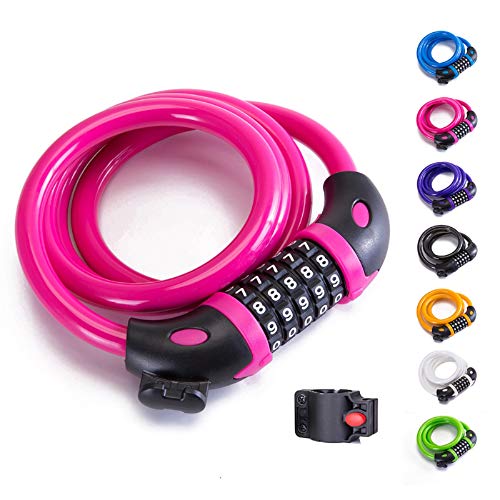
180cm Metal Cable Bike Lock With 3 Keys and Mounting Bracket, 12mm Heavy Duty Lock for Bicycle, Tricycle, Scooter
Original price was: £11.99.£7.70Current price is: £7.70. *View On Amazon* - Cycling Locks
LittleLife Unisex Cable Lock Buggy and Pushchair Accessory One Size UK
£10.99 *View On Amazon* - Cycling Locks
NDakter Bike Lock with 4 Digit Combination and 2 Keys, 100cm/130m Bicycle Chain Lock, 2 Ways to Unlock, Hardened Steel Chain Lock for Cycle, Scooter, Motorbike, Gate, Fence
Original price was: £12.99.£6.38Current price is: £6.38. *View On Amazon* - Cycling Locks
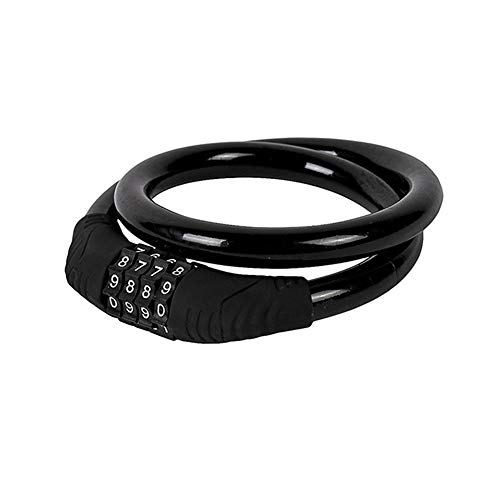
Bicycle Lock 4 Digit Smart Code 65cm x 11mm Cable Anti Theft Padlock
£6.99 *View On Amazon* - Cycling Locks
Diyife Bike Lock Heavy Duty, Reforced Version, 4 Keys, 1m x 6mm
£12.99 *View On Amazon* - Cycling Locks
Amazon Basics Adjustable Bike Anti Theft Key Lock with Cable, Pack of 1, Black, 6 foot
Original price was: £5.24.£4.28Current price is: £4.28. *View On Amazon* - Cycling Locks
Glangeh Bike Phone Holder with Secure Lock, 8S Quick Install, 360 Degree Rotating Mount
Original price was: £16.99.£14.99Current price is: £14.99. *View On Amazon* - Cycling Locks
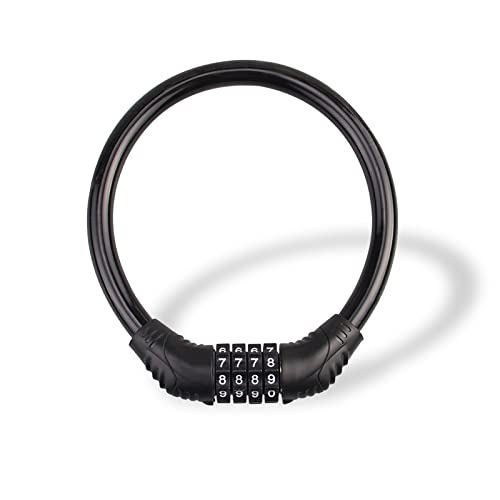
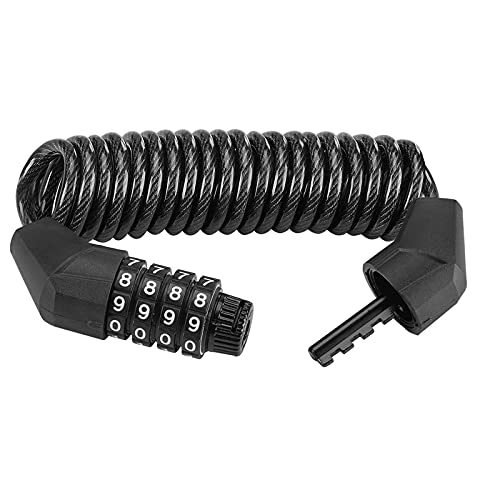
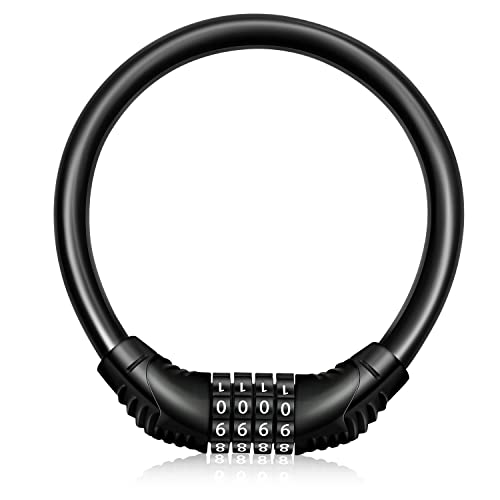
Bike Lock Portable Bicycle Lock with 4 Digit Code
Original price was: £4.59.£4.29Current price is: £4.29. *View On Amazon*








What Are Cycling Locks?
Cycling locks are security products designed to help secure bicycles when they are not in use. They can include D locks, chain locks, cable locks, folding locks and combination locks, depending on the product range available.
Some cycling locks are designed for higher security use, while others are better suited to short stops, accessories or lower risk areas. No lock can guarantee that a bike will never be stolen, but choosing the right type and using it correctly can make theft more difficult and less convenient.
What Are Cycling Locks Used For?
Cycling locks are used to secure bikes during everyday stops and longer periods of storage. They are useful for commuting, school runs, shopping trips, leisure rides, workplace parking and home storage in sheds, garages or shared bike areas.
They can also be used to secure wheels, helmets, panniers or other accessories where suitable, although the main purpose is usually to protect the bike frame and at least one wheel. Some riders use more than one lock for extra security, especially in busier or higher risk locations.
How To Choose The Right Cycling Lock
Start by thinking about where your bike will be left. A short stop outside a café may need a different lock from all day parking at a station or overnight storage in a shared area. The longer the bike is left unattended, the more important lock strength, correct use and secure parking become.
Next, consider the type of bike you own. A higher value bike, electric bike or frequently used commuter bike may justify a more robust lock setup. A children’s bike or casual leisure bike may need something lighter and easier to use, depending on where it is stored.
Portability also matters. Heavy chain locks can offer a strong physical presence where listed, but they may be harder to carry on longer rides. Lighter cable locks can be easier to transport, but may be better suited to lower risk use or secondary security depending on the product. Folding locks and D locks can offer a balance between structure, storage and everyday practicality.
Key Features To Compare
When comparing cycling locks, look at lock type, length, weight, locking mechanism, key or combination style, mounting options and security information where listed. These details affect how easy the lock is to carry, where it can be used and how practical it feels day to day.
Length is important because the lock needs to reach around your frame and a secure fixed object. A longer lock may give more flexibility, while a shorter lock may be easier to carry and position tightly.
Weight is another key factor. A lock that is too heavy may get left at home, which defeats the purpose. A lock that is too light for your parking situation may not give enough reassurance. Aim for a sensible balance between security and convenience.
Other useful features can include protective coatings to reduce frame scratches, lock brackets for carrying on the bike, spare keys where supplied, resettable combinations where listed and weather resistant finishes where stated.
Cycling Locks Compared With Related Security Products
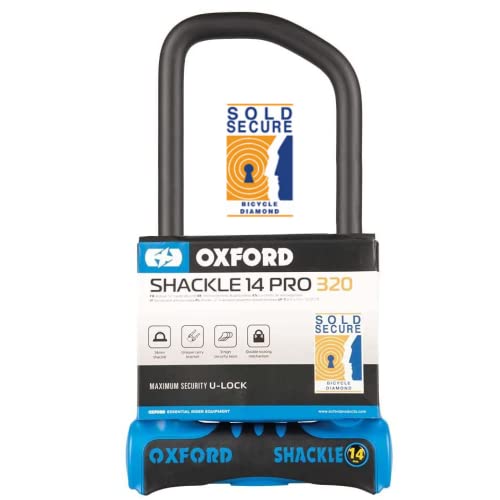
Different lock types suit different needs. D locks are often chosen for securing the frame to a bike stand or fixed object. They can be compact and strong, but the shape and size may limit where they fit.
Chain locks can offer more flexibility around posts, railings and unusual anchor points where suitable. They may be heavier, so they can suit riders who prioritise security over low weight.
Cable locks are usually lighter and easier to carry. They can be useful for quick stops, children’s bikes or securing accessories, but they may not be the right choice as the only lock for higher risk areas unless the product is specifically designed for that use.
Folding locks can be convenient for riders who want a structured lock that stores neatly on the bike. Combination locks avoid the need for keys, but it is important to choose a style you can use confidently and remember the code.
Guidance For Beginner, Regular And Experienced Riders
If you are new to cycling, choose a lock that is easy to use correctly. A practical everyday lock that can secure the frame to a fixed object is a sensible starting point. Avoid choosing only on size or price, as the lock must suit where you actually leave the bike.
Regular riders may want to think more carefully about carry options, parking locations and whether a second lock is useful. A commuting bike that is left outside daily may benefit from a stronger lock setup than a bike used only for short leisure rides.
Experienced riders may prefer different locks for different situations. For example, one lock for daily commuting, one lighter lock for café stops and an additional lock for home storage or higher risk areas where suitable.
Use Cases By Rider Type And Activity
For commuters, a cycling lock should be reliable, practical to carry and suitable for regular parking. If the bike is left in the same place every day, consider how the lock works with the bike stand or storage area.
For students and school riders, ease of use is important. A lock that is simple to secure properly can help encourage consistent use. Size, weight and key management should also be considered.
For leisure riders, a lighter lock may be enough for short stops, depending on the parking location and bike value. If the bike is left unattended for longer, a more robust option may be more suitable.
For electric bike riders, lock choice matters because electric bikes can attract attention. A stronger lock, careful parking and securing removable parts where possible may all be worth considering.
For family cycling, locks may be needed for adult bikes, children’s bikes, trailers or accessories. Check that each lock is suitable for the size and type of item being secured.
Fit, Compatibility And Correct Locking
A cycling lock needs to fit around your bike frame and the object you are locking it to. Before choosing, think about your frame shape, wheel size, tyre width and usual parking spots. Some bikes, including electric bikes and step through frames, may need a longer or more flexible lock style.
Correct locking is just as important as choosing the lock. Where possible, secure the frame to a solid fixed object rather than only locking a wheel. If practical, secure the rear wheel and frame together. Avoid leaving the lock loose on the ground, as a tighter position can make it harder to attack.
Check compatibility with frame mounts if the lock includes a bracket. Not every bike frame has the same space or mounting points, and some riders may prefer carrying a lock in a pannier, backpack or basket.
Safety, Care, Maintenance And Storage
Use cycling locks only with suitable fixed objects and in places where bike parking is allowed. Avoid blocking paths, entrances, emergency access points or pedestrian areas. A badly parked bike can create problems for other people and may be moved.
Keep the lock clean and dry where possible. If a lock becomes stiff, follow the product guidance for care and lubrication where provided. Do not force a jammed lock, as this may damage the mechanism or key.
Store keys safely and consider keeping a spare in a secure place if one is supplied. If using a combination lock, choose a code you can remember but avoid obvious numbers. When not in use, store the lock securely so it does not rattle, scratch the bike or interfere with pedalling, steering or braking.
Useful Accessories To Consider
Useful accessories can include cycling lights, pannier bags, saddle bags, mudguards, bike covers and wall anchors where suitable. A carry bracket or storage bag can also be useful if compatible with the lock.
For commuters, a lock can work well alongside a pannier rack or cycling backpack, especially if you carry work clothing, tools or wet weather layers. For home storage, a suitable ground or wall anchor may add another layer of security where compatible and correctly installed.
Why Buy Cycling Locks From YPC?
At YPC, we understand active lifestyles and the need for practical products that work in real use. Cycling locks vary in weight, strength, length, locking style and day to day convenience, so it is worth comparing the details before choosing.
YPC helps you browse cycling security products with real riding needs in mind, from school bikes and leisure rides to commuting and electric bike storage. Explore the cycling locks category to browse the available options and compare the features that matter most for your bike and routine.
FAQs
What type of cycling lock should I choose?
Choose a cycling lock based on where you park, how long the bike is left and how easy the lock is to carry. D locks, chain locks, cable locks and folding locks all suit different needs, so compare the product details carefully.
Are cable locks enough for a bike?
Cable locks can be useful for short stops, lower risk areas or securing accessories, depending on the product. For higher risk parking or longer periods, many riders prefer a stronger main lock or use a cable lock as a secondary option.
What is the difference between a D lock and a chain lock?
A D lock has a rigid shape and is often used to secure the frame to a bike stand. A chain lock is more flexible and can be easier to wrap around different fixed objects. The better option depends on your bike, parking location and carrying preference.
Should I use two cycling locks?
Using two locks can make a bike harder to steal, especially if they secure different parts of the bike or use different lock types. This can be useful for commuting, higher value bikes or longer periods of parking.
How should I lock my bike properly?
Where possible, lock the frame to a solid fixed object. If you can, include one wheel as well. Keep the lock positioned tightly and avoid locking only the wheel, as the frame is usually the most important part to secure.
Are combination locks better than key locks?
Combination locks remove the need to carry a key, but you must remember the code. Key locks can feel simple and familiar, but you need to keep the key safe. The right choice depends on your preference and the product design.
Can cycling locks be used for electric bikes?
Yes, many cycling locks can be used with electric bikes where suitable. Check the lock length, frame compatibility and security information where listed. Electric bike riders may want to consider a more robust lock setup because of bike value and regular parking needs.
How do I carry a cycling lock while riding?
Some locks include frame brackets where listed. Others can be carried in a pannier, backpack, basket or saddle bag if suitable. Make sure the lock is secure and does not interfere with pedalling, steering, braking or safe bike control.
 Getting ready for Summer? View our Home and Garden Products

Heading outdoors this winter? Take a look at our Outdoor Clothing.