
Men's Softshell Jackets
Men’s softshell jackets are designed to give active men a practical outer layer for walking, hiking, camping, travelling, commuting and everyday outdoor use. They are often chosen when you want more protection than a fleece, but do not necessarily need the full rain protection of a waterproof shell.
This category can include lightweight softshell jackets, hooded softshell jackets, wind resistant jackets, lined softshell jackets and stretch outdoor jackets, depending on the products listed. Features vary by item, so always check the product details for fit, fabric, hood style, lining, pockets, weather suitability and care guidance before choosing.
- Men's Softshell Jackets
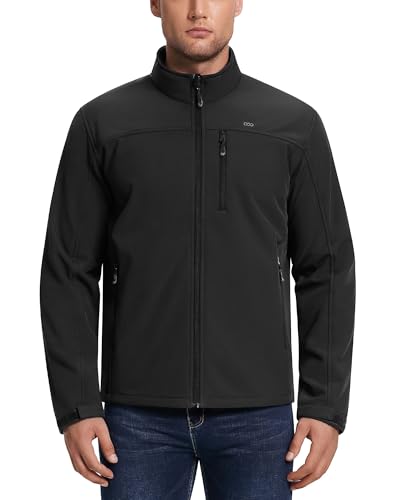
33,000ft Men’s Waterproof Softshell Jacket, Fleece Lining, Black, 2XL
Original price was: £39.99.£33.99Current price is: £33.99. *View On Amazon* - Men's Softshell Jackets
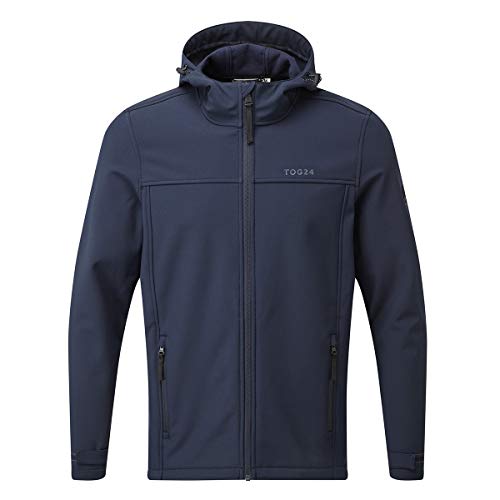
TOG24 Feizor Men’s Softshell Jacket, Fleece Lined, Water Resistant, Navy, L
£42.50 *View On Amazon* - Men's Softshell Jackets
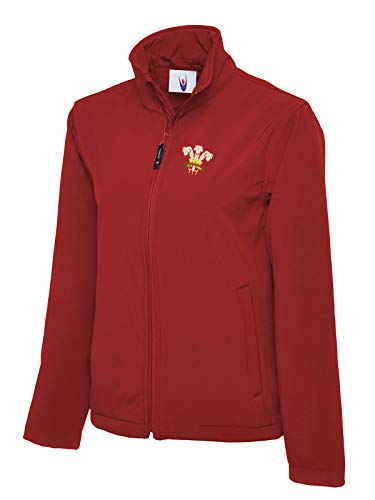
Embroidered Wales Retro Image Red Soft Shell Jacket, Size XS to 4XL, L (42-44)
£23.99 *View On Amazon* - Men's Softshell Jackets
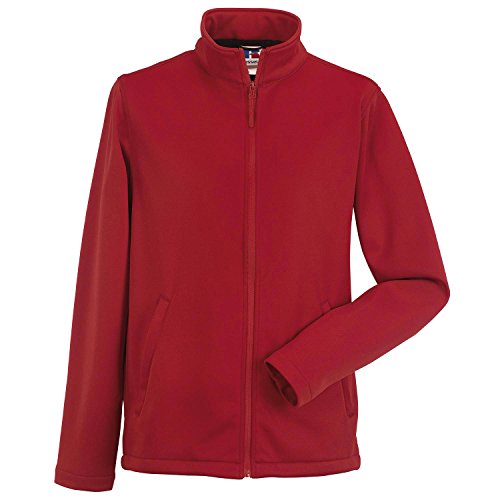
Mountain Warehouse Exodus Men’s Softshell Jacket Dark Red XS
£49.99 *View On Amazon* - Men's Softshell Jackets
Mercedes AMG Petronas F1 Men’s 2024 Team Softshell Jacket, Black, XL
£99.99 *View On Amazon* - Men's Softshell Jackets
Geographical Norway Men’s Softshell Outdoor Jacket Rainman Hood – Black, S
Original price was: £71.99.£68.50Current price is: £68.50. *View On Amazon* - Men's Softshell Jackets
Regatta Men’s Cera Softshell Outdoor Summer Jacket
Original price was: £20.00.£15.00Current price is: £15.00. *View On Amazon* - Men's Softshell Jackets
Mountain Warehouse Turbine Mens Padded Softshell Parka Jacket Black S
£39.99 *View On Amazon* - Men's Softshell Jackets
JACK & JONES Men’s Jjtaylor Softshell Jacket, Black, XL
£39.99 *View On Amazon* - Men's Softshell Jackets
CMP F.lli Campagnolo Men’s Softshell Jacket, Black, 52
£69.83 *View On Amazon* - Men's Softshell Jackets
ØRN International Tern (4200) Men’s Workwear Softshell Outdoor Jacket
£32.98 *View On Amazon* - Men's Softshell Jackets
Peter Storm Men’s Hooded Softshell Jacket, Black, XL
£39.99 *View On Amazon* - Men's Softshell Jackets
Dickies Men’s Softshell Waterproof Jacket, Navy Blue, XXL
£29.95 *View On Amazon* - Men's Softshell Jackets
Russell Collection Men’s Smart Softshell Jacket, French Navy, 3XL
£44.92 *View On Amazon* - Men's Softshell Jackets
33,000ft Men’s Waterproof Softshell Jacket with Fleece Lining, Detachable Hood and Multi Pockets – Grey S
£54.99 *View On Amazon* - Men's Softshell Jackets
Craghoppers Mens Expert Active Contrast Hooded Soft Shell Jacket L Carbon Grey/Black
£23.68 *View On Amazon* - Men's Softshell Jackets
Rab Men’s Borealis Jacket Softshell Coat – Light Zinc – Large
£221.32 *View On Amazon* - Men's Softshell Jackets
Columbia Men’s Ascender Softshell Jacket, Stone Green, Medium
£162.49 *View On Amazon*






What Are Men’s Softshell Jackets?
Men’s softshell jackets are flexible outdoor jackets made to support comfort, movement and light weather protection. They usually sit between a fleece and a waterproof jacket in a layering system.
Depending on the product, a softshell jacket may offer stretch, wind resistance, water resistance, breathability, a soft inner feel or a smoother outer fabric where listed. They are popular because they can feel less stiff than some waterproof jackets while still offering practical coverage for changeable conditions.
What Are Men’s Softshell Jackets Used For?
Men’s softshell jackets are used for walking, hiking, camping, cycling, dog walking, travel, outdoor work, school runs, weekend wear and general active lifestyles. They are useful when the weather is cool, breezy or slightly damp, but not necessarily extreme.
For hill walks and countryside paths, a softshell jacket can provide a comfortable layer that moves with the body. For everyday wear, it can work well over a T shirt, base layer or fleece. For travel, it can be a versatile jacket that suits changing temperatures without feeling overly bulky.
How To Choose The Right Men’s Softshell Jacket
Start by thinking about how you will use the jacket most often. A lightweight softshell may be suitable for active walking, cycling or mild weather. A warmer lined softshell may be better for cooler days, slower walks or everyday outdoor wear where listed.
Next, consider weather protection. Softshell jackets are not always fully waterproof, so check the product wording carefully. Some may be water resistant or wind resistant where stated, while others are mainly designed for comfort and flexibility.
Fit is also important. A softshell jacket should allow natural movement through the shoulders, chest and arms. It should fit comfortably over your usual layers without feeling tight or bulky. If you plan to wear it over a fleece or base layer, allow enough room for layering.
Key Features To Compare
Fabric is one of the most useful features to compare. Some men’s softshell jackets use stretch materials for active movement, while others may focus on warmth, wind resistance or a smoother outer surface where listed.
Hood design is another important factor. A hood can be useful in light rain or wind, but not every softshell jacket includes one. Some hoods may be adjustable, removable or helmet compatible where stated, so check the listing carefully.
Pockets can make a big difference in everyday use. Zipped hand pockets, chest pockets and internal pockets may be useful for phones, keys, gloves, wallets or small outdoor items where listed.
Other features to compare include cuffs, hem adjustment, lining, zip style, chin guard, breathability, weight, packability, reflective details, sleeve length and care instructions.
Men’s Softshell Jackets Compared With Waterproof Jackets
Softshell jackets and waterproof jackets are not the same. A softshell jacket is usually chosen for comfort, flexibility and light weather protection where listed. It can be more breathable and easier to move in during active use, depending on the product.
A waterproof jacket is designed to protect against rain where stated. It may be more suitable for heavy rain, long wet walks or very changeable mountain conditions. However, it may feel less soft or less stretchy than a softshell jacket.
The main trade off is comfort versus rain protection. A softshell jacket can be ideal for cool, breezy and active days, while a waterproof jacket is usually the safer choice when staying dry is the main priority.
Men’s Softshell Jackets Compared With Fleece Jackets
Fleece jackets are usually chosen for warmth and comfort. They can work well as mid layers, but they may not always offer the same wind or light rain protection as a softshell jacket where weather features are listed.
Softshell jackets often have a smoother outer fabric and may feel more suitable as an outer layer. They can be useful when you want warmth, movement and a bit more protection from the elements.
The main choice is whether you need a cosy insulating layer or a more practical outer layer. Many outdoor outfits use both, with a fleece underneath and a softshell jacket over the top where suitable.
Guidance For Beginners, Regular Outdoor Users And Experienced Users
Beginners should choose a men’s softshell jacket that is comfortable, easy to layer and suitable for everyday outdoor use. A simple design with useful pockets and a practical fit is often enough for walking, travel and casual wear.
Regular outdoor users may want to compare fabric stretch, hood design, lining, wind resistance and pocket layout more carefully. If you wear a softshell jacket often, comfort during movement and ease of care become more important.
Experienced users may look more closely at weight, breathability, layering compatibility, hem adjustment, cuff style and how the jacket fits into a wider outdoor clothing system. They may choose different softshell jackets for hiking, cycling, travel or colder weather.
Use Cases By Activity And Weather
For walking and hiking, a men’s softshell jacket can be a useful layer for breezy paths, woodland trails and cooler days. Stretch and comfort are especially helpful when moving uphill or carrying a rucksack.
For camping, a softshell jacket can be useful around the campsite, on evening walks and during cooler mornings. It can work well over a base layer or fleece depending on the temperature.
For commuting, a softshell jacket can offer everyday practicality with a cleaner look than some technical waterproofs. Pockets and wind resistance may be useful where listed.
For cycling, a lighter softshell may suit casual rides or commuting where the fit and movement are suitable. Check that the jacket works comfortably in a riding position.
For travel and holidays, a softshell jacket can be useful when you need one flexible layer for changing conditions, town walks and outdoor days.
Fit, Comfort And Sizing
A men’s softshell jacket should feel comfortable across the shoulders and chest. You should be able to lift your arms, bend, twist and move naturally without the fabric pulling.
The sleeve length should give useful coverage without falling too far over the hands. The hem should sit comfortably over your trousers and should not ride up too much when moving.
If the jacket will be worn as an outer layer, allow space for a base layer or light fleece underneath. If it will be used for active sports, a closer fit may feel better, as long as it still allows movement.
Compatibility With Outdoor Clothing And Equipment
Men’s softshell jackets should work as part of a practical layering system. They can be worn over base layer tops, T shirts, fleece tops or lightweight jumpers, depending on the weather and fit.
If you use a rucksack, check that the jacket feels comfortable under shoulder straps. Pocket placement may also matter if you wear a backpack hip belt or cycling pack.
For colder weather, a softshell jacket may be worn with thermal layers, hats, gloves and walking trousers. For heavy rain, a waterproof jacket may still be needed over the top or instead, depending on conditions and product suitability.
Safety And Practical Considerations
A softshell jacket is not safety equipment, but it can help support comfort outdoors. Always dress for the conditions, especially in remote areas, colder weather or longer walks.
If visibility matters, such as commuting, cycling or walking in darker months, reflective details may be useful where listed. They should not replace proper lights, high visibility accessories or safe route planning where needed.
For challenging weather, do not rely on a softshell jacket unless it is suitable for the conditions. Check the forecast, carry extra layers where needed and choose waterproof protection when rain is likely.
Care, Cleaning And Maintenance
Always follow the care label on the product. Softshell fabrics can vary, and washing or drying them incorrectly may affect comfort, finish or weather resistant features where included.
Let the jacket dry fully before storing it. Avoid leaving damp clothing in bags, car boots or cupboards for long periods, as this can cause odour and make the jacket less pleasant to wear.
Check zips, cuffs, seams, pockets and hood adjustments from time to time. If the jacket becomes damaged, loses shape or no longer fits comfortably, it may be time to replace it.
Storage Tips For Men’s Softshell Jackets
Store your softshell jacket clean and dry. Hanging it up can help it keep its shape and makes it easier to grab before a walk, commute or trip.
If packing it in a rucksack or travel bag, avoid crushing it under heavy items for long periods. Keep sharp tools, food containers and rough kit away from the fabric where possible.
For seasonal use, check the jacket before colder months or outdoor trips. Make sure the zip works, pockets are empty and the fit still suits your layering needs.
Useful Accessories To Consider
Useful accessories may include men’s base layer tops, fleece jackets, waterproof jackets, walking trousers, softshell trousers, hats, gloves, neck warmers, walking socks, boots, rucksacks and waterproof covers where compatible.
For active outdoor use, a softshell jacket works best as part of a sensible clothing system. A breathable base layer, warm mid layer and waterproof shell where needed can give you more flexibility across changing weather.
Why Buy From YPC?
At YPC, we understand active lifestyles and the need for practical products that work in real use. Men’s softshell jackets can vary by fit, fabric, warmth, stretch, hood design, pocket layout, weather resistance and intended activity, so it helps to compare the details carefully before choosing.
YPC makes it easier to browse men’s softshell jackets in a practical way, with options that can be compared by listed features, outdoor use and everyday needs. Whether you are buying for walking, hiking, camping, commuting, travel or general outdoor wear, you can browse and compare men’s softshell jackets at YPC to find suitable options for your next activity.
FAQs
What is a men’s softshell jacket?
A men’s softshell jacket is a flexible outdoor jacket designed for comfort, movement and light weather protection where listed. It is often worn as an outer layer in cool, breezy or changeable conditions.
Are men’s softshell jackets waterproof?
Not always. Some softshell jackets may be water resistant where listed, but they are not automatically fully waterproof. Check the product description carefully if rain protection is important.
What are softshell jackets good for?
Softshell jackets are useful for walking, hiking, camping, commuting, travel and everyday outdoor wear. They are especially practical when you need movement, comfort and some protection from wind or light moisture where stated.
Are softshell jackets warm?
Some softshell jackets provide warmth, especially if they have a fleece lining or thicker fabric where listed. Others are lightweight and designed more for active movement than insulation.
Can I wear a softshell jacket in heavy rain?
A softshell jacket may not be suitable for heavy rain unless the product clearly states appropriate protection. For wet conditions, a waterproof jacket is usually the better choice.
Should a softshell jacket fit tight or loose?
It should fit comfortably without restricting movement. A closer fit may suit active use, while a little extra room can help if you plan to wear base layers or a fleece underneath.
What is the difference between a softshell jacket and a fleece?
A fleece is mainly used for warmth, while a softshell jacket is usually used as an outer layer with more structure and light weather protection where listed. Many people wear both together in colder weather.
How do I care for a men’s softshell jacket?
Follow the care label on the jacket. Wash and dry it as instructed, avoid leaving it damp in a bag, and check zips, seams and pockets regularly.
 Getting ready for Summer? View our Home and Garden Products

Heading outdoors this winter? Take a look at our Outdoor Clothing.