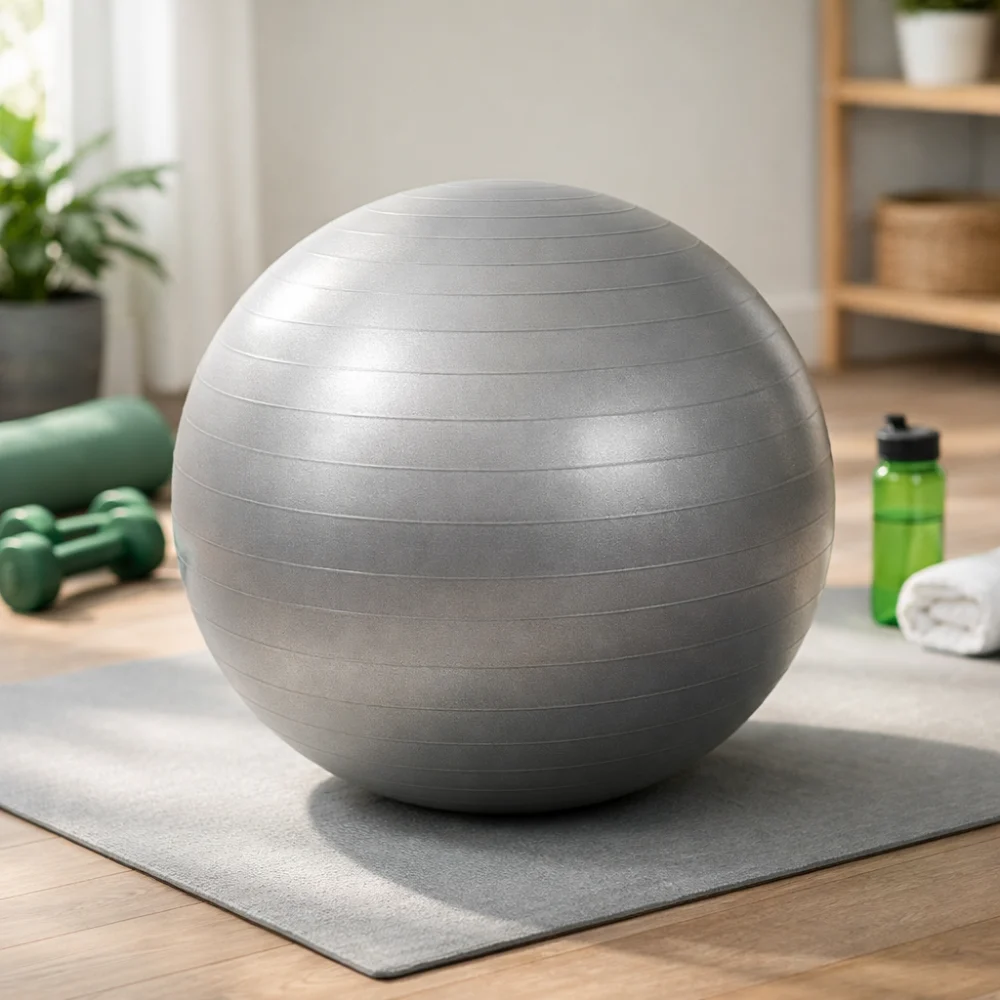
Stability balls are simple to look at, but choosing one well depends on how you plan to use it. A ball for core exercises, Pilates or balance work may feel very different from one used as a sitting aid or general exercise item.
This guide helps you focus on the features that affect comfort, control and suitability. It also explains the common choices buyers compare so you can narrow the options without getting distracted by minor details.
If you are buying for a home gym, a studio, or occasional use, it is worth thinking about size, firmness and how the ball is inflated and stored. Specifications vary by model, so always check the individual product page before buying.
What should you look for in a stability ball?
The best starting point is to match the ball to the way you will use it. For exercise, many buyers want a ball that supports controlled movement and feels stable enough for balance work. For seated use, comfort and the right size matter even more, because a ball that is too large, too small or too soft can be awkward to use.
Most decisions come down to size, surface feel, inflation method and how the ball fits your space and routine. If you narrow those first, the rest of the comparison becomes much easier.
| Feature | What it means | Why it matters | What to check |
|---|---|---|---|
| Size | The ball’s overall diameter or approximate fit | Affects comfort, posture and how much challenge you feel during exercises | Look for the stated size and match it to your intended use |
| Firmness | How hard or soft the ball feels when inflated | Changes balance, support and the feel of movement | Check whether the ball is meant to feel softer or more supportive |
| Material and finish | The outer feel and surface texture | Influences grip, comfort and how secure it feels during use | Read the product page for material notes and any grip-related wording |
| Inflation method | How the ball is filled and adjusted | Useful for convenience and for setting the ball to the right feel | Check whether a pump, straw or other inflation aid is included |
| Use case | Whether it is intended for exercise, Pilates, balance work or seated use | Helps you avoid buying a ball that is technically suitable but not practical for your purpose | Match the product description to the way you plan to use it |
Key decision criteria
Size and fit
Size is one of the most important choices because it affects both comfort and control. A ball that is too small may feel cramped, while one that is too large can make exercises or seated use less comfortable. The right fit depends on how you plan to use the ball and how much support you want from it.
Firmness and feel
Some buyers prefer a firmer feel for stability and control, while others want a slightly softer feel for comfort. This is partly personal preference, but it also changes how the ball behaves during balance work. A softer ball may feel more forgiving, while a firmer one may feel more responsive.
Grip and surface texture
The surface can make a noticeable difference to how secure the ball feels during movement. A smoother finish may feel comfortable, but a more grippy surface can be helpful if you want steadier control. If grip matters to you, check the product wording carefully rather than assuming all stability balls feel the same.
Inflation and setup
Some balls are easier to get ready than others, especially if they include a pump or an inflation aid. This does not usually change the exercise itself, but it can affect convenience and how quickly you can start using the ball. If you want straightforward setup, check what is included in the box.
Space and storage
Stability balls are light to move but they do take up room when in use. Before buying, think about where you will keep the ball and whether you have enough space to use it safely. If you plan to put it away after sessions, storage convenience may matter as much as the workout use.
Types and common variants
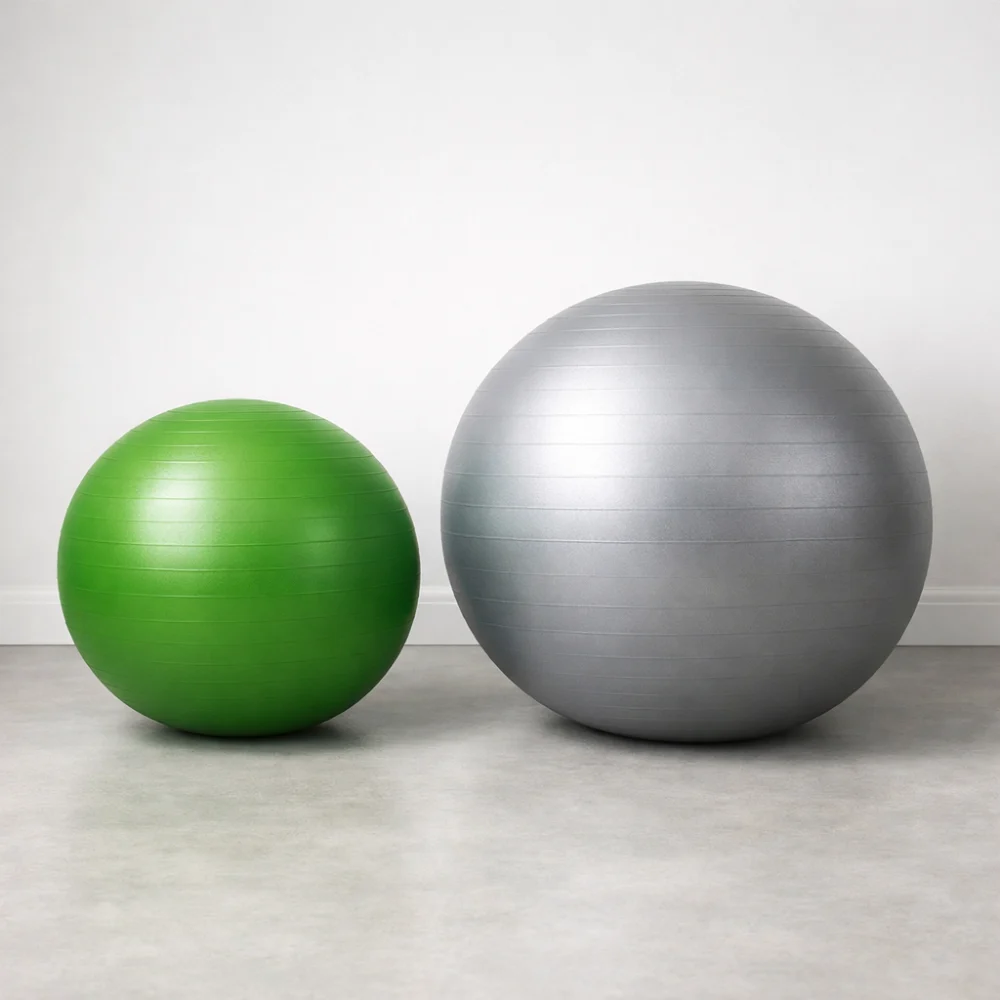
Stability balls in this category are usually chosen more by size and intended use than by dramatic product differences. Some are aimed more at general exercise, others at Pilates or balance work, and some are used as sitting balls. The important point is that the same shape can serve different needs, but not every size or feel will suit every purpose.
Smaller balls are often associated with targeted control work, while larger balls are more commonly used for broader exercise or seating use. The practical limitation is that a ball only feels useful if it matches your body size, room space and the movement patterns you want to do.
Which stability ball suits which buyer?
| Buyer need | Helpful characteristics | Why this helps |
|---|---|---|
| Beginner home exerciser | Clear size information, easy inflation, moderate firmness | Makes the first setup simpler and keeps the ball predictable to use |
| Pilates or balance-focused user | Good control, suitable grip and a feel that supports steady movement | Helps when exercises rely on small adjustments and balance |
| Seated use at home | Appropriate size and comfortable feel | Comfort and fit matter more than workout-specific features |
| Gift buyer | General-purpose ball with straightforward product details | Reduces the risk of choosing a ball that does not suit the recipient’s use |
Common mistakes to avoid
- Choosing by appearance alone. Colour is fine to consider, but size and intended use matter much more.
- Assuming all balls feel the same. Firmness and surface texture can change the experience noticeably.
- Ignoring the setup method. If you want quick use, check what inflation aid is included.
- Buying for the wrong purpose. A ball that suits balance drills may not be the most comfortable choice for seated use.
- Overlooking space. The ball needs room not only for storage but also for safe movement around it.
Safety and suitability
Choose a stability ball with the intended user and use case in mind. If you are buying for seated use, exercise, or gentle balance work, the ball should feel stable and appropriate for that purpose. It is sensible to check any stated guidance on size, intended use and included accessories before buying.
If you have specific mobility, posture or comfort concerns, it is wise to think carefully about whether a stability ball is the right choice for your setup. Specifications vary by model, so always check the individual product page before buying.
Maintenance, storage and everyday care
Stability balls usually need little day-to-day care, but they do benefit from being stored sensibly and kept away from unnecessary wear. If a ball is inflated regularly, it may need occasional adjustment so it keeps the feel you want. Cleaning is usually straightforward, but you should still check the product page for any model-specific care notes.
Think about where you will keep the ball between uses. A tidy storage spot can make it more likely that you will actually use it, especially in a smaller home or exercise space.
How to compare options efficiently
- Start with your main use: exercise, Pilates, balance work or seated use.
- Check the size and decide whether the ball is likely to feel comfortable for that purpose.
- Compare firmness, surface feel and any inflation aid included.
- Look at the product description for practical details such as storage and intended use.
- Read the individual product page carefully before buying.
Summary buyer checklist
- Have I chosen the ball for the right use case?
- Does the size look suitable for my body and my space?
- Do I want a firmer or softer feel?
- Is the surface likely to give me the grip I want?
- Do I know how it is inflated and whether an aid is included?
- Have I checked storage and setup convenience?
Frequently asked questions
What is a stability ball used for?
A stability ball is commonly used for core exercises, balance work, Pilates-style movement and sometimes seated use. The exact benefit depends on how you use it, but the main buying question is whether the ball suits your intended activity.
How do I choose the right size?
Start with the product’s stated size and compare it with the use you have in mind. A suitable size should feel comfortable enough for your routine while still giving the level of challenge or support you want. If the product page gives usage guidance, that is the best source to follow.
Do I need a pump?
Not always, but a pump can make setup easier and quicker. Some products include one, while others may use a different inflation aid. Check the individual product page so you know what is supplied before you buy.
Are softer balls better than firmer ones?
Not necessarily. A softer feel can be more comfortable for some uses, while a firmer ball may feel more controlled and responsive. The better choice depends on whether you prioritise comfort or stability.
Can I use one stability ball for exercise and sitting?
Sometimes, but the same ball may not be ideal for both. A ball that feels good for exercise might not be the most comfortable sitting option, and vice versa. It is worth deciding which use matters most before you choose.
What should I check before buying online?
Look at the size, intended use, firmness, inflation method and any notes about what is included. These details usually matter more than the colour or general appearance. Specifications vary by model, so always check the individual product page before buying.