
Stability Balls
Stability balls are versatile fitness balls used for balance work, core exercises, stretching, posture focused movement and low impact strength routines. They are useful for home workouts, gym sessions, Pilates, mobility work, rehabilitation style exercises where suitable and general fitness training, depending on the product and how it is used.
The right stability ball should suit your height, exercise style, space and confidence level. Size, firmness, grip, material, weight suitability and intended use are all worth comparing before choosing.
- Stability Balls
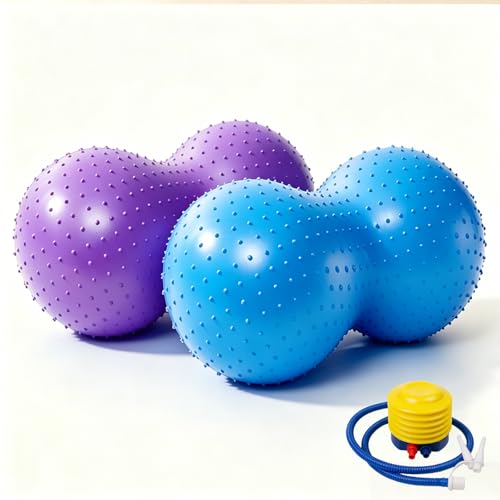
2 Pack Peanut Exercise Balls, 90 x 45 cm Stability Balls for Kids
£19.99 *View On Amazon* - Stability Balls
TheraBand Exercise Ball Pro Series SCP 45 cm Yellow Stability Ball
£19.99 *View On Amazon* - Stability Balls
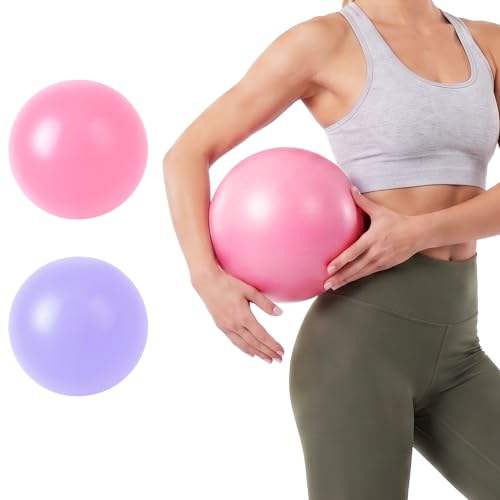
Eowppue 4-Piece 25 cm Pilates Ball Set with Pump, Assorted Colours
£15.26 *View On Amazon* - Stability Balls
HJZHII Yoga Ball Plugs with 2 Removal Tools, 20 Pack
Original price was: £4.39.£3.98Current price is: £3.98. *View On Amazon* - Stability Balls
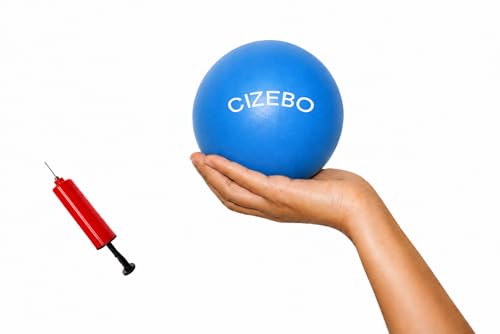
CIZEBO 4 Inch Mini Exercise Ball for Pilates and Stability Training, Blue
£19.28 *View On Amazon* - Stability Balls
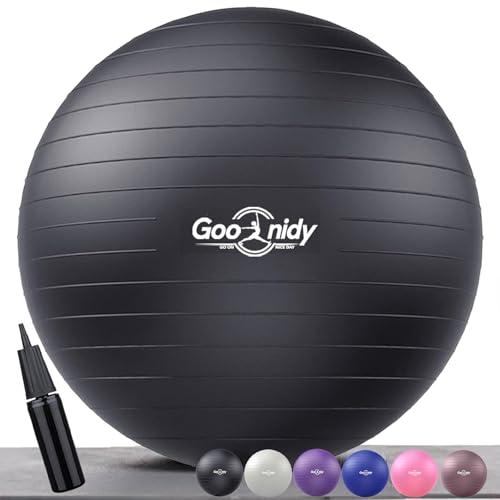
MANTRA SPORTS 55 cm Exercise Ball in Beige with Pump and Accessories
Original price was: £18.95.£17.95Current price is: £17.95. *View On Amazon* - Stability Balls
Grey 65 cm Pregnancy Exercise and Labour Support Ball with Pump
£9.99 *View On Amazon* - Stability Balls
Peanut Ball Therapy Exercise Ball with Pump, 90 cm x 45 cm
Original price was: £11.99.£9.99Current price is: £9.99. *View On Amazon* - Stability Balls
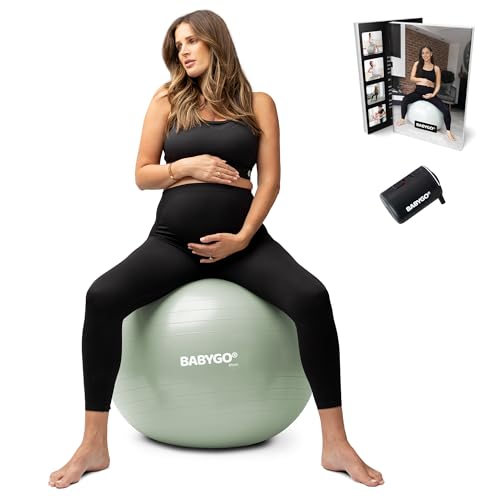
BABYGO Birthing Ball with Pregnancy Book, 65 cm or 75 cm
Original price was: £34.95.£29.95Current price is: £29.95. *View On Amazon*








What Are Stability Balls?
Stability balls are large inflatable exercise balls designed to create an unstable surface during movement. They are also commonly known as exercise balls, gym balls, fitness balls or Swiss balls, depending on the product wording.
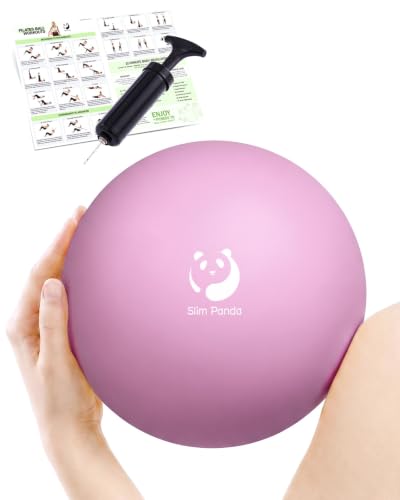
Products in this category may include standard stability balls, Pilates balls, balance balls, textured exercise balls, balls with pumps and related accessories, depending on what is listed. Some are designed for general fitness, while others may be better suited to stretching, balance drills, core exercises or gentle mobility work where suitable.
Because the ball moves as you move, it can encourage control, balance and body awareness during exercises.
What Are Stability Balls Used For?
Stability balls are used for core training, stretching, balance practice, seated exercises, Pilates style routines, mobility work, warm ups and gentle strengthening. They can be used by beginners, regular gym users, home fitness users, Pilates fans and people who want a simple way to add variety to floor based exercise.
Common uses may include supported crunches, bridges, wall squats, back stretches, seated balance drills and gentle mobility exercises, depending on the user’s ability and the product guidance.
They can also be useful as part of a recovery or mobility routine, but they should be used sensibly. If you are using a stability ball for injury recovery, pregnancy related exercise or a medical condition, it is best to follow advice from a qualified professional.
How To Choose The Right Stability Ball
Start with size. A stability ball should match your height and intended exercises where size guidance is listed. A ball that is too small may not support the right position, while one that is too large can feel difficult to control.
Next, consider your experience level. Beginners may prefer a ball that feels stable, comfortable and easy to control. More experienced users may want a firmer feel or a ball suited to more challenging balance and core exercises where appropriate.
Think about where it will be used. Stability balls need clear floor space and a suitable surface. They are not ideal for cluttered areas, slippery flooring or rooms where the ball could roll into furniture, pets or other people.
Also compare whether a pump is included where listed. Stability balls need inflation before use, and being able to adjust firmness can make the ball more practical over time.
Key Features To Compare
When comparing stability balls, look at size, material, surface texture, firmness, maximum user guidance where listed, pump inclusion, ease of inflation, grip and storage needs. These details affect comfort, control and day to day practicality.
Material and surface feel matter because the ball needs to feel secure during movement. A smooth ball may feel comfortable for general exercise, while a textured surface may offer a different grip feel where listed.
Firmness affects how the ball responds. A slightly softer ball may feel easier for some beginners, while a firmer ball may feel more responsive during core exercises. Always follow the product guidance for inflation and safe use.
Storage is also worth considering. Stability balls can take up space when inflated, so think about where you will keep one between sessions. Some users deflate them when not needed, but frequent inflation may not be practical for everyone.
Stability Balls Compared With Balance Boards Mats And Resistance Bands
Stability balls are different from exercise mats because they add movement and instability. A mat provides comfort and grip on the floor, while a stability ball creates a rounded surface for balance, support and controlled exercise.
Compared with balance boards, stability balls can be used for more seated, lying and supported movements. Balance boards usually focus more on standing balance and foot control.
Compared with resistance bands, stability balls do not mainly add pulling resistance. Instead, they support bodyweight exercises, balance work and controlled movement. Many people use both together where suitable.
Compared with weights, stability balls are usually lower impact and less load focused. They can still make exercises challenging, but they rely more on control, position and balance than heavy resistance.
Guidance For Beginners Regular Users And Experienced Trainers
Beginners should choose a stability ball that feels manageable and comes with clear product guidance where available. Start with simple seated balance, gentle stretching or supported movements before trying harder exercises.
Regular users may want to compare durability, grip, inflation quality and how well the ball suits their favourite exercises. If the ball is used several times a week, comfort and storage become more important.
Experienced trainers may use stability balls for more advanced core drills, balance challenges and combined exercises with bands or light weights where suitable. These movements should be done with control and enough space.
For anyone unsure about technique, a class, trainer or qualified instructor can help make stability ball exercises safer and more effective.
Use Cases By Activity And Lifestyle
For home fitness, stability balls are useful because they support a wide range of exercises without needing a large machine. They can be used for short routines, stretching and core work where space allows.
For Pilates, stability balls can support controlled movement, alignment and core focused exercises, depending on the class style and product suitability.
For gym training, a stability ball can add variety to warm ups, bodyweight movements and core exercises. It can work alongside mats, resistance bands and recovery tools.
For office workers and everyday users, gentle mobility and seated balance drills may help add movement to the day where suitable. A stability ball should not replace a proper ergonomic chair unless that use is appropriate and advised.
For runners, cyclists and walkers, stability balls may be useful for stretching, glute activation, core control and mobility routines as part of a wider fitness plan.
For rehabilitation style use, product choice and exercise selection should be guided by a suitable professional where needed.
Fit Compatibility And Practical Setup
A stability ball should match the user and the activity. Check size guidance, user guidance and intended use where listed before buying. If more than one person will use the ball, choose carefully because one size may not suit everyone equally.
Use the ball on a clear, stable surface. Avoid sharp objects, rough ground, open flames, hot surfaces and anything that could puncture or damage the ball.
Make sure there is enough space around you. Exercises on a stability ball can involve rolling, leaning, stretching and movement, so keep furniture, walls and equipment at a safe distance.
Footwear and flooring can affect control. Some users prefer bare feet or suitable trainers depending on the exercise and surface. Avoid slippery socks on smooth floors.
Safety Care Maintenance And Storage
Stability balls should be used carefully. They can roll or move suddenly if exercises are rushed or if the surface is unsuitable. Start slowly, keep movements controlled and avoid exercises that feel beyond your ability.
Check the ball before use for damage, soft spots, punctures, cracks or unusual loss of air. Do not use a damaged ball, as it may not support movement safely.
Follow the product instructions for inflation. Over inflating or under inflating the ball can affect comfort, control and suitability. If a pump is included, use it as directed.
Clean the ball according to the product guidance. Wipe away sweat and dust where suitable, then let it dry before storage. Store it away from sharp items, direct heat, damp areas and heavy objects that could damage the surface.
If you have pain, injury, balance concerns, pregnancy related needs or a medical condition, seek advice from a qualified professional before using a stability ball.
Useful Accessories To Consider
Useful accessories can include exercise mats, resistance bands, yoga straps, Pilates rings, foam rollers, massage balls, gym towels, water bottles and storage bags. The right accessories depend on your routine and available space.
For home workouts, a mat can make floor exercises more comfortable and help define a clear training area. For Pilates and mobility work, resistance bands and stretching straps can add more variety.
For regular fitness routines, recovery tools, towels and a water bottle can help make sessions more organised and easier to repeat.
Why Buy Stability Balls From YPC?
At YPC, we understand active lifestyles and the need for practical products that work in real use. Stability balls can vary by size, firmness, material, grip, included accessories, inflation method and intended use, so comparing the details helps you choose with more confidence.
YPC helps you browse fitness and mobility equipment with real routines in mind, whether you are buying for home workouts, Pilates, gym training, stretching, balance practice or core exercises. Explore the Stability Balls category to browse the available options and compare the features that matter most for your training space and movement goals.
FAQs
What are stability balls used for?
Stability balls are used for core exercises, balance work, stretching, Pilates, mobility routines and low impact strength training. They can be useful for home workouts, gym sessions and controlled movement practice.
Are stability balls good for beginners?
Yes, stability balls can be suitable for beginners when used carefully. Start with simple exercises, use a clear space and choose a ball size that suits your height and activity where guidance is listed.
How do I choose the right size stability ball?
Choose size based on your height, intended exercises and the product size guidance where listed. A ball that is too small or too large may feel awkward and harder to control.
Can I use a stability ball for sitting?
Some people use stability balls for short seated exercises or balance drills, but they should not automatically replace a proper chair. If using one for seated work, make sure it is suitable, safe and comfortable for your needs.
Are stability balls the same as gym balls?
The terms are often used in a similar way. Stability balls may also be called gym balls, exercise balls, fitness balls or Swiss balls, depending on the product description.
Do stability balls come with a pump?
Some stability balls may include a pump where listed, while others may not. Check the product details before buying so you know what is included and whether anything else is needed.
Can stability balls help with core training?
Yes, stability balls can support core focused exercises because the unstable surface encourages control and balance. They should be used with proper technique and within your ability.
How do I look after a stability ball?
Keep the ball clean, check it regularly for damage and store it away from sharp items, heat and damp conditions. Follow the product instructions for inflation, cleaning and safe use.
 Getting ready for Summer? View our Home and Garden Products

Heading outdoors this winter? Take a look at our Outdoor Clothing.