
Balance and Stability Equipment
Balance and stability equipment is designed to help users work on control, coordination, posture, core engagement and movement confidence during exercise routines. It can be used for fitness training, warm ups, rehabilitation style exercises where suitable, home workouts, gym sessions, sports conditioning and mobility work, depending on the product and guidance listed.
The right balance product should match your ability level, training goal and available space. Surface type, difficulty level, grip, size, weight limit where listed, portability and safety features are all worth comparing before choosing.
What Is Balance and Stability Equipment?
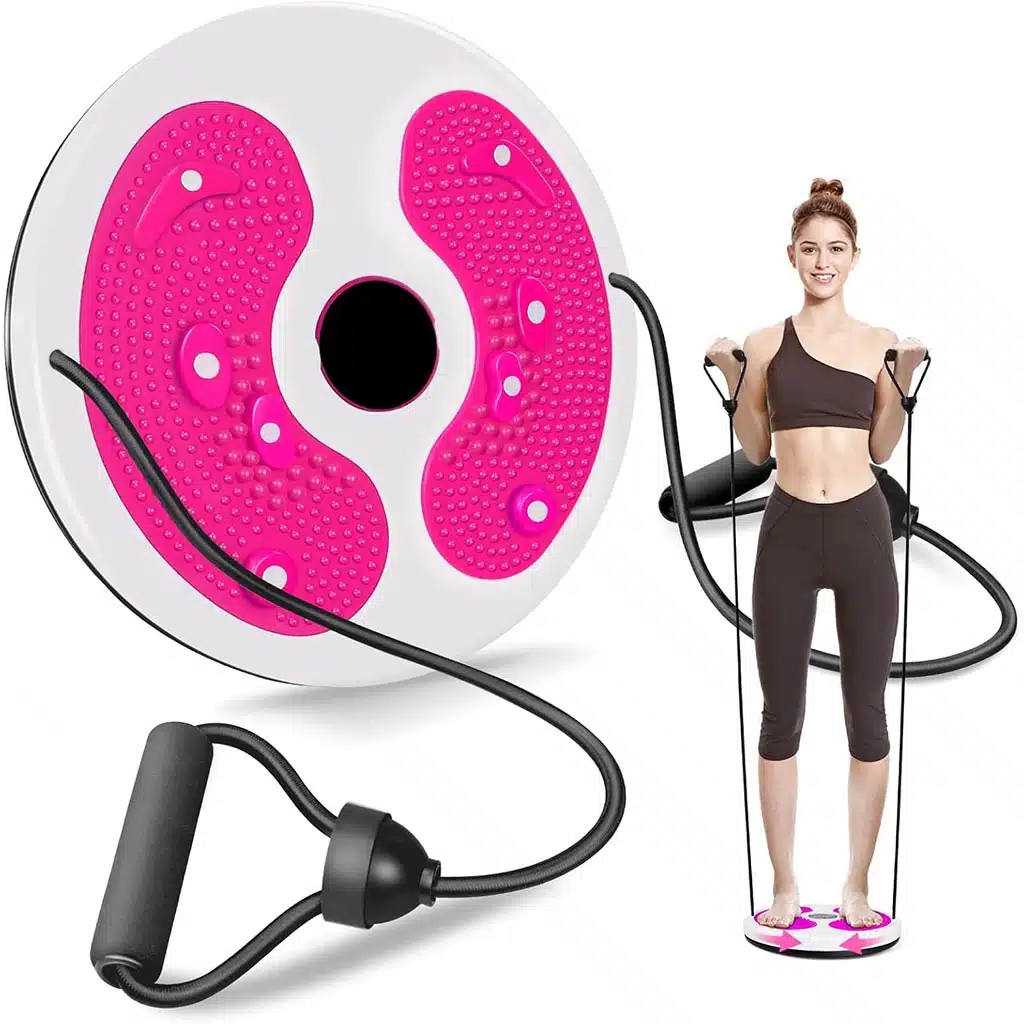
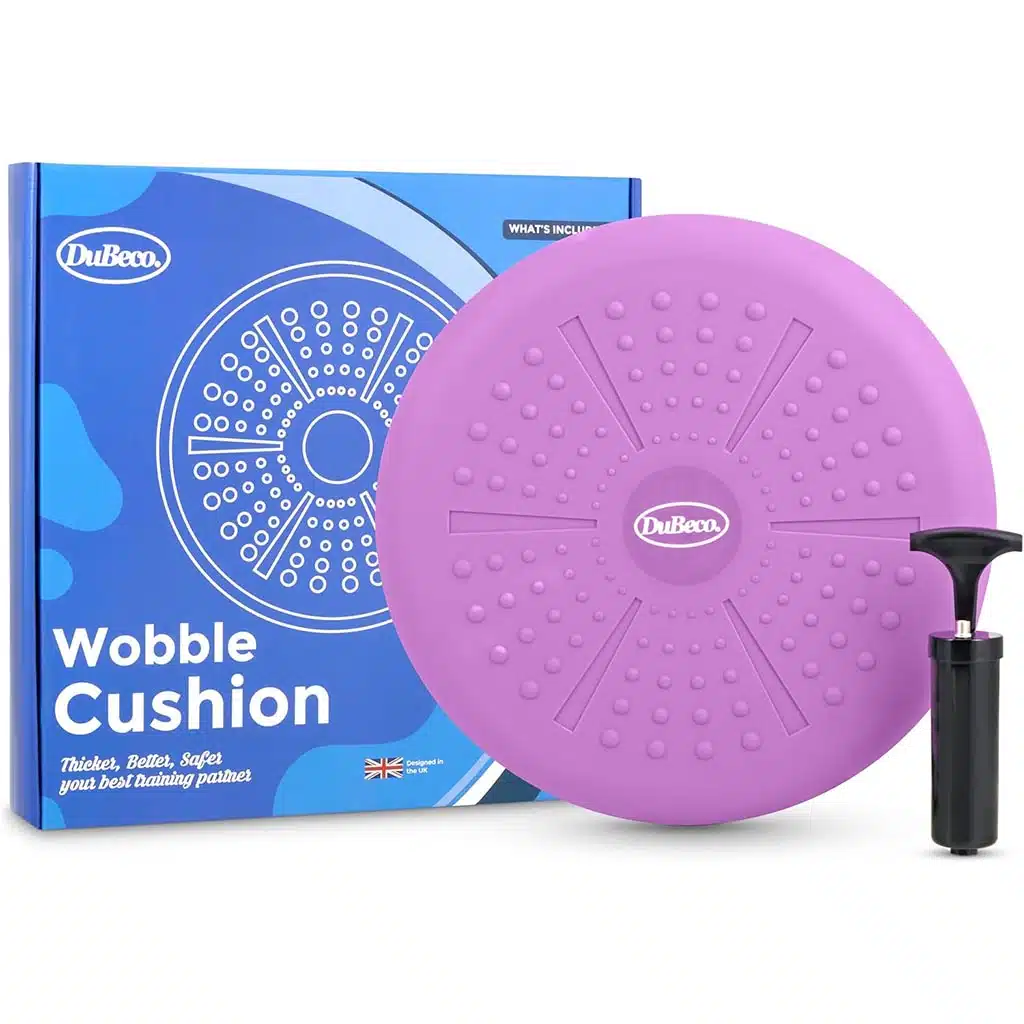
Balance and stability equipment includes training products that create an unstable or responsive surface, encouraging the body to control movement more carefully. This can include balance boards, wobble boards, balance cushions, stability balls, balance pads, dome trainers, stepping platforms and related coordination tools, depending on the products available.
Some items are designed for gentle standing exercises, while others suit more active fitness training. A simple balance cushion may be useful for beginners, while a wobble board or dome trainer may offer a more challenging workout depending on the design.
Because difficulty can vary widely, it is important to choose equipment that feels suitable for your current fitness level and confidence.
What Is Balance and Stability Equipment Used For?
Balance and stability equipment is used to add challenge to exercises that involve standing, sitting, stepping, kneeling or controlled movement. It can help users practise balance, body awareness, core control and coordination as part of a wider fitness routine.
It may be used for home fitness, gym training, sports warm ups, stretching, mobility sessions, physiotherapy style exercises where suitable, yoga support and general movement practice.
Some people use balance equipment for gentle confidence building, while others use it to make squats, lunges, planks, press ups or single leg exercises more demanding. The best approach is to start with controlled movements and progress gradually.
How To Choose The Right Balance and Stability Product
Start by thinking about your current ability. If you are new to balance training, choose a product that offers a manageable level of instability. A soft balance pad or cushion may feel more approachable than a highly responsive wobble board.
Next, consider how you want to train. For standing balance and ankle control, a wobble board or balance board may be useful where suitable. For seated core engagement, a balance cushion may be more practical. For larger movement exercises, a stability ball or dome style trainer may offer more variety depending on the product.
Also check the space you have available. Balance training needs a clear area around you, ideally away from sharp furniture, clutter and slippery flooring. Larger products such as stability balls need more storage space than smaller boards or cushions.
If you are buying for recovery, older users, children or anyone with limited confidence, choose carefully and consider appropriate professional guidance before use.
Key Features To Compare
When comparing balance and stability equipment, look at size, surface texture, base design, level of instability, material, maximum user weight where listed, portability, storage needs and care instructions.
Grip is important. A textured standing surface can help the feet feel more secure, while a stable base design can make the product feel more predictable. For floor use, check whether the underside is suitable for your flooring type where stated.
Difficulty level is another major factor. Some products move gently, while others tilt, rock or roll more quickly. More movement is not always better. A product should challenge you without making exercises feel unsafe or uncontrolled.
Size and height also matter. A wider platform may feel more stable, while a smaller or more curved product may feel harder to control. Choose based on your confidence, exercise type and available space.
Balance Boards Compared With Stability Balls And Balance Cushions
Balance boards and wobble boards are often used for standing exercises. They can challenge ankle control, leg stability and full body coordination. They may suit users who want a focused balance tool for controlled standing movements.
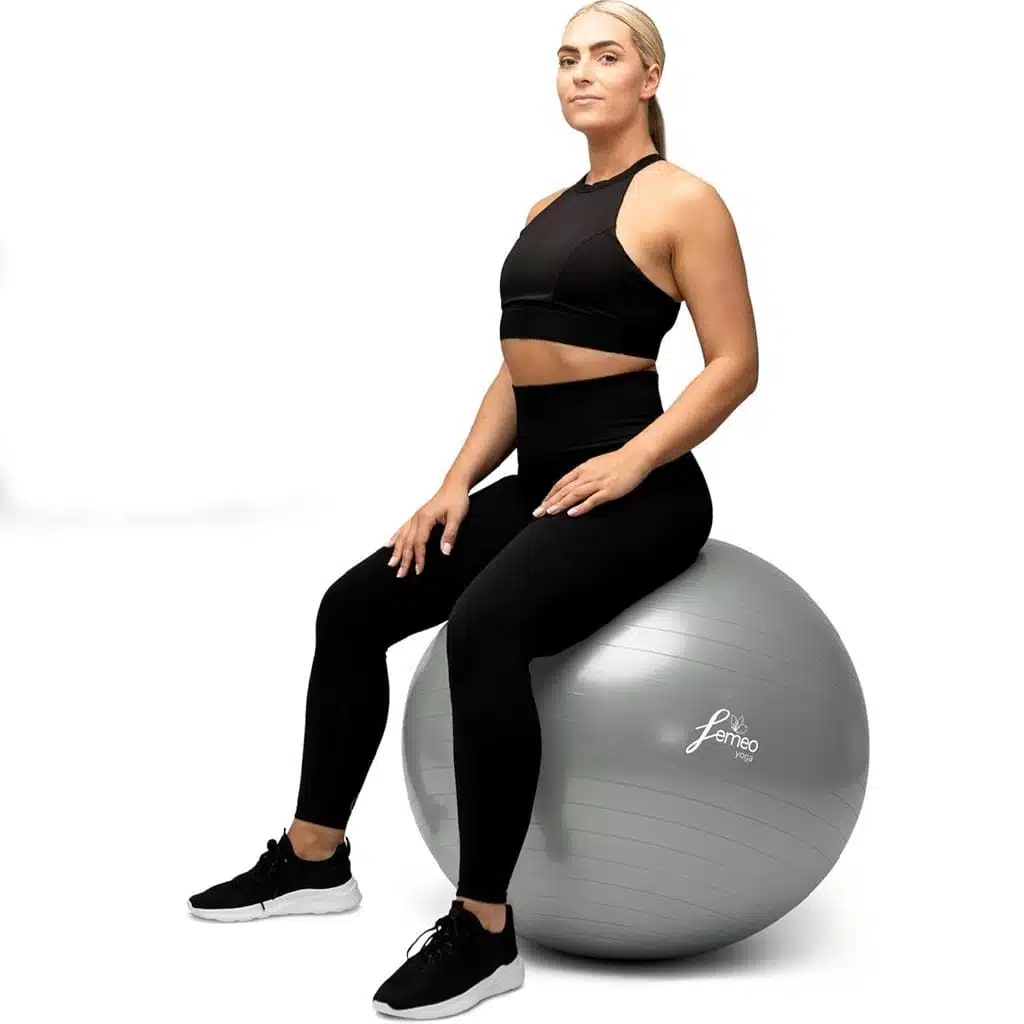
Stability balls are larger and can be used for seated exercises, core work, stretching, bridges and supported movements. They offer more exercise variety, but they also need more room and careful inflation where listed.
Balance cushions are usually smaller and softer. They can be used for seated posture work, standing balance drills or gentle coordination exercises depending on the product. They may be easier to store than larger equipment.
Dome trainers can offer a mix of strength, balance and cardio style exercises where suitable. They may be useful for users who want a more versatile training product, but they can feel more challenging than simpler balance tools.
Guidance For Beginner Regular And Experienced Users
Beginners should choose simple balance equipment and start with controlled exercises near a stable support, such as a wall or sturdy surface where safe. The aim should be confidence, posture and control rather than speed or difficulty.
Regular users may want equipment that allows progression. This could include a wobble board with more movement, a stability ball for varied core work or a balance pad for single leg drills and warm ups.
Experienced users may use balance equipment to increase the challenge of strength, mobility or sports conditioning exercises. They may compare surface response, size, movement range and how well the product fits their existing routine.
Progress should be gradual. Balance training works best when movements are controlled, not rushed.
Use Cases By Training Goal And Activity
For home workouts, compact balance boards, pads or cushions can be practical because they are easy to store and quick to set up. They can add variety to simple bodyweight routines.
For gym training, balance equipment can be used during warm ups, accessory exercises or core sessions. It should be used in a clear space and matched to the exercise being performed.
For sports conditioning, balance tools may help with coordination, foot control and body awareness where suitable. They can be used as part of training for sports that involve changing direction, landing, turning or reacting quickly.
For mobility and stretching routines, stability balls and balance pads may provide support for controlled movements depending on the product and user ability.
For seated use, balance cushions may be chosen to encourage active sitting or gentle core engagement, although they should still be used sensibly and not for long periods if they cause discomfort.
For children or family fitness, choose age suitable products where listed and supervise use carefully.
Fit Compatibility And Practical Setup
Balance and stability equipment should suit the user, the floor surface and the exercise plan. Check product dimensions, user weight guidance where listed and intended use before buying.
Footwear can affect grip and comfort. Some exercises may be done barefoot, in socks or in trainers depending on the product guidance and flooring. Avoid slippery footwear or unstable surfaces unless the product instructions say they are suitable.
For stability balls, check the listed size carefully. Ball height can affect how useful it feels for sitting, stretching or exercise. Inflation guidance should also be followed, as an under inflated or over inflated ball may not feel right.
For boards, cushions and pads, check whether the product is intended for standing, seated use, gym exercises or rehabilitation style routines where stated. Do not assume every balance product is suitable for every exercise.
Safety Care Maintenance And Storage
Balance training should be done in a clear, safe space. Remove trip hazards, keep pets and children away during exercises where needed, and avoid using balance equipment near sharp furniture, stairs or hard edges.
Start slowly and use support if needed. Holding a wall, chair or stable surface can be sensible for beginners, older users or anyone unsure of their balance. Do not jump onto balance products unless the product is clearly designed for that type of use and you are confident it is suitable.
If you have an injury, dizziness, joint problems, balance issues, recent surgery or a medical condition, seek suitable professional advice before using balance and stability equipment.
Check the product before each use. Look for cracks, punctures, loose parts, worn surfaces, damaged seams or loss of grip. Do not use damaged equipment if it may fail or slip.
Clean according to the product instructions. Wipe down surfaces after use where suitable, keep items dry and store them away from direct heat, sharp objects and heavy items that could deform or damage them.
Useful Accessories To Consider
Useful accessories can include yoga mats, exercise mats, resistance bands, foam rollers, gym balls, stretching straps, training cones, dumbbells, kettlebells and water bottles where suitable.
An exercise mat can help define your training area and add comfort for floor based movements. Resistance bands can be useful for controlled strength and mobility work alongside balance exercises.
For home gyms, a storage rack, bag or shelf can help keep smaller balance products organised and ready to use. For larger items such as stability balls, make sure you have enough space to store them safely when not in use.
Why Buy Balance and Stability Equipment From YPC?
At YPC, we understand active lifestyles and the need for practical products that work in real use. Balance and stability equipment can vary by difficulty, size, material, grip, movement style, user suitability and storage needs, so comparing the details helps you choose with more confidence.
YPC helps you browse fitness accessories with real training routines in mind, whether you are buying for home workouts, gym sessions, sports conditioning, mobility work or general balance practice. Explore the Balance and Stability Equipment category to browse the available options and compare the features that matter most for your training.
FAQs
What is balance and stability equipment used for?
Balance and stability equipment is used to practise control, coordination, core engagement and body awareness during exercise. It can be used for home workouts, gym training, mobility routines and sports conditioning where suitable.
What balance equipment is best for beginners?
Beginners may prefer a balance pad, balance cushion or wider, more stable board where listed. The right choice should feel challenging but manageable, with enough control to practise safely.
Are balance boards good for fitness training?
Balance boards can be useful for fitness training where used correctly. They may help add challenge to standing exercises, warm ups and coordination drills, but they should be matched to the user’s ability.
What is the difference between a balance board and a wobble board?
A balance board is a general term for boards used to train balance. A wobble board usually has a rounded or unstable base that allows tilting in different directions. Product design and difficulty can vary.
Can stability balls be used for balance training?
Yes, stability balls can be used for balance, core and mobility exercises where suitable. They need enough space and should be used according to the product guidance, especially for seated or floor based movements.
Is balance equipment suitable for older users?
It may be suitable for some older users where the product, exercise and support level are appropriate. Extra care, supervision or professional guidance may be needed, especially if balance confidence is limited.
Can children use balance and stability equipment?
Some products may be suitable for children where age guidance and product design support that use. Children should be supervised and should use equipment in a clear, safe space.
How do I store balance and stability equipment?
Store equipment clean and dry, away from sharp objects, heavy items and direct heat. Smaller boards and cushions can often be kept on a shelf, while larger stability balls need enough space so they are not punctured or crushed.
 Getting ready for Summer? View our Home and Garden Products

Heading outdoors this winter? Take a look at our Outdoor Clothing.