
Core Balance Cushions
Core balance cushions are practical fitness and support accessories designed to create an unstable surface for balance, posture awareness and controlled movement exercises. They are useful for home workouts, gym training, desk sitting, rehabilitation style routines where advised, children’s movement activities and general core engagement, depending on the product and features listed.
The right core balance cushion should suit how you plan to use it, your comfort level and the type of surface or seat it will be placed on. Size, firmness, texture, inflation level, grip, material and ease of cleaning are all worth comparing before choosing.
- Core Balance Cushions
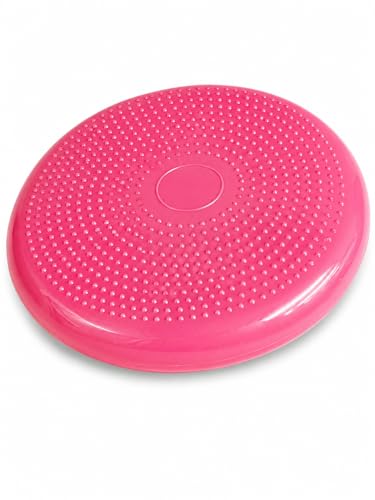
Dpofirs Inflatable Balance Cushion, 34 cm Wobble Cushion
£15.34 *View On Amazon* - Core Balance Cushions
Memory Foam Pilates Head Cushion 30 x 20 cm with Washable Cover, Burgundy
£10.89 *View On Amazon* - Core Balance Cushions
ERGO COLLECT Active Wobble Stool, Height Adjustable Ergonomic Office Stool
Original price was: £107.99.£89.98Current price is: £89.98. *View On Amazon* - Core Balance Cushions
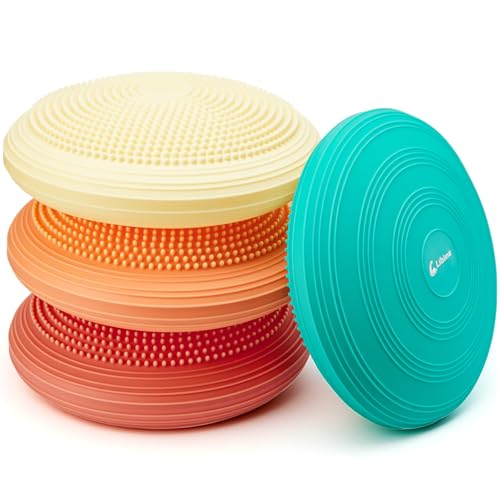
Libima 4-Piece Wiggle Seat Inflated Wobble Cushions for Kids
£55.00 *View On Amazon* - Core Balance Cushions
Core Balance Foldable Travel Yoga Mat 6mm PVC Pink 173 cm x 61 cm
£13.99 *View On Amazon* - Core Balance Cushions
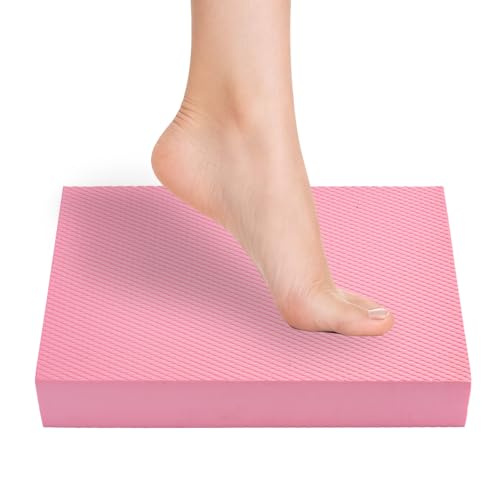
SUNNYNEST Foam Balance Pad, Purple, 20 x 30 x 5 cm
Original price was: £6.99.£6.69Current price is: £6.69. *View On Amazon* - Core Balance Cushions
Ainiv Ergonomic Memory Foam Leg Pillow with Washable Cover, Blue
£10.99 *View On Amazon* - Core Balance Cushions
ROMIX Wobble Cushion 34 cm Inflatable Balance Disc with Pump
Original price was: £12.99.£11.99Current price is: £11.99. *View On Amazon* - Core Balance Cushions
BOSU Pro Balance Trainer with Guided Workouts and Pump
Original price was: £188.86.£179.58Current price is: £179.58. *View On Amazon* - Core Balance Cushions
SISSEL SITFIT Active Sitting Cushion, Blue, 36 cm with Pump
£37.99 *View On Amazon* - Core Balance Cushions
Wobble Balance Cushion Board for Fitness, Core and Seating
£10.99 *View On Amazon* - Core Balance Cushions
SUNNYNEST Foam Balance Pad Pink 20 x 30 x 5 cm
Original price was: £9.39.£6.69Current price is: £6.69. *View On Amazon* - Core Balance Cushions
Cork Balance Board 4-in-1 Set with Blocks, Roller, Ball and Toe Bands
£19.99 *View On Amazon*






What Are Core Balance Cushions?
Core balance cushions are inflatable or padded balance discs used to create gentle instability during sitting, standing or exercise. This unstable feel encourages the body to make small adjustments, which can help users practise balance, coordination and core control during suitable activities.
Products in this category may include wobble cushions, balance discs, sensory cushions, sitting cushions, exercise balance pads and inflatable stability cushions, depending on what is listed.
Some cushions are designed mainly for seated use, while others may be suitable for standing balance drills, physiotherapy style exercises, stretching, Pilates, yoga or general fitness work where stated. Always check the product description before using a cushion for a specific activity.
What Are Core Balance Cushions Used For?
Core balance cushions are used for balance practice, core training, active sitting, warm ups, mobility routines and controlled exercise. They can be placed on the floor for standing or kneeling movements, or on a suitable chair for seated activity, depending on the product design.
For fitness users, a core balance cushion can add challenge to simple exercises such as seated balance, single leg standing, squats, lunges, planks or gentle stability drills where suitable.
For desk users, some cushions may be used as active sitting aids, encouraging small posture adjustments rather than remaining completely still. For children, sensory style cushions may support fidget friendly sitting where suitable and supervised.
For recovery routines or injury related use, guidance from a suitable professional is important. A balance cushion should not be used as a replacement for medical advice or treatment.
How To Choose The Right Core Balance Cushion
Start by thinking about the main use. If you want a cushion for desk sitting, comfort, size and seat compatibility are important. If you want one for fitness exercises, grip, firmness and stability challenge may matter more.
Next, consider the level of challenge. A softer or more inflated cushion may feel wobblier depending on the design, while a firmer cushion may feel more stable. Some products allow air adjustment where listed, which can help users change the feel over time.
Surface texture is also worth comparing. Some cushions may have textured or massage style surfaces where listed. These can provide extra grip or sensory feedback, but not everyone finds them comfortable for longer sitting.
Size matters too. A larger cushion may feel more supportive for seated use, while a smaller disc may suit compact exercise spaces or targeted balance drills. Always check the listed size and intended use before buying.
Key Features To Compare
When comparing core balance cushions, look at diameter, thickness, material, weight capacity where listed, texture, inflation method, pump inclusion, grip, intended use and care instructions.
Inflation level can affect how the cushion feels. Some products may include a pump or valve where listed, allowing the user to adjust firmness. A very unstable setting may not be suitable for beginners, so start gently and build confidence.
Material affects comfort, durability and cleaning. A surface that is easy to wipe clean can be useful for gyms, schools, home workouts and shared spaces. If the cushion will be used barefoot, texture and softness may matter more.
Grip is important for safety. A balance cushion should be used on a suitable stable surface and should not slide unexpectedly. If the floor is smooth or the chair surface is slippery, check product guidance carefully before use.
Core Balance Cushions Compared With Balance Boards And Gym Balls
Core balance cushions are usually compact and portable. They can be used for sitting, standing drills and simple core exercises, depending on the product. They are often easier to store than larger balance training equipment.
Balance boards usually create a stronger wobble challenge and may be better suited to standing balance practice. They can be useful for more advanced users, but they may feel too difficult for beginners or for seated use.
Gym balls provide a larger unstable surface and can be used for sitting, stretching, core exercises and mobility work. They take up more space and may not suit every home or office setup.
A core balance cushion sits between these options. It is smaller than a gym ball, often gentler than a balance board and practical for people who want a simple piece of balance training equipment.
Guidance For Beginners Regular Users And Experienced Users
Beginners should start with simple seated use or gentle standing exercises near a stable support. The aim should be control, balance and comfort rather than making the cushion as unstable as possible.
Regular users may want to compare firmness, texture and how the cushion works with different exercises. A cushion that feels comfortable for repeated use is usually more useful than one that is too difficult or awkward.
Experienced users may use core balance cushions to add variety to strength, stability, yoga, Pilates or mobility routines. They may prefer a more responsive cushion or adjustable air pressure where listed, depending on training goals.
If balance, pain, injury, dizziness or joint problems are a concern, seek appropriate advice before using a balance cushion.
Use Cases By Activity And Lifestyle
For home fitness, core balance cushions can be used for simple stability drills, bodyweight exercises and balance practice. They are compact enough for small workout areas where space is limited.
For desk sitting, a suitable cushion may encourage active sitting and subtle movement. It should feel comfortable on the chair and should not make sitting unsafe or distracting.
For Pilates and yoga, a balance cushion can add challenge to selected movements where suitable. It should only be used where control and safe positioning can be maintained.
For children, sensory or wobble cushions may be useful for supervised sitting or movement activities where suitable. Choose age appropriate products and follow the listed guidance.
For rehabilitation style routines, a core balance cushion may be used where recommended by a physiotherapist or suitable professional. Do not use one for injury recovery without appropriate guidance.
For sports training, balance cushions can be used for controlled stability practice as part of wider training. They should not replace proper warm ups, strengthening work or sport specific coaching.
Fit Compatibility And Practical Setup
A core balance cushion should suit the surface it is used on. For floor exercises, use it on a flat, stable area with enough space around you. Avoid clutter, loose rugs or slippery surfaces that could increase the risk of falling.
For chair use, check that the cushion fits the seat properly. It should sit securely and not overhang in a way that makes sitting unstable. A chair with a stable base is important, especially for active sitting.
Footwear can also affect use. Some people may use balance cushions barefoot, in socks or in trainers depending on the product and activity. Be careful with socks on smooth surfaces, as they may reduce grip.
If using the cushion as part of a workout, keep movements controlled. A balance cushion is most useful when it supports good form rather than encouraging rushed or unstable movement.
Comfort Texture And Adjustability
Comfort is important because a balance cushion that feels unpleasant is unlikely to be used regularly. If the cushion has textured areas, consider whether they suit seated use, barefoot use or only short exercise sessions.
Adjustability can be useful where listed. A cushion with an inflation valve may allow you to make it firmer or softer. However, more air does not always mean better. The right setting is the one that allows safe, controlled movement.
Some users may prefer a smoother surface for sitting, while others may like textured feedback during exercises. The choice depends on personal comfort and intended use.
If using the cushion for longer sitting periods, start gradually. Active sitting can feel different from a normal chair cushion, and the body may need time to adjust.
Safety Care Maintenance And Storage
Core balance cushions should be used carefully and according to the product instructions. They create instability by design, so safe use matters.
Start with simple movements and use a wall, chair or stable support nearby if needed. Avoid standing exercises if you feel unsteady, dizzy or unsure. Children should be supervised where appropriate.
Do not use a balance cushion on stairs, uneven ground, wet floors or unstable furniture. It should not be used as a toy for jumping unless the product clearly supports that type of use.
Check the cushion regularly for punctures, cracks, worn texture, air loss or damaged valves. Do not use it if it appears unsafe or no longer holds air properly.
Clean the cushion according to the care instructions. Many products can be wiped down, but cleaning guidance varies by material. Let it dry fully before storing.
Store the cushion away from sharp objects, direct heat and heavy items that could damage it. If a pump is supplied, keep it with the cushion so adjustments are easier when needed.
Useful Accessories To Consider
Useful accessories can include yoga mats, exercise mats, resistance bands, foam rollers, gym balls, balance boards, ankle supports, knee supports, water bottles and gym bags.
For home workouts, an exercise mat can make floor based movements more comfortable. For stability training, resistance bands and light fitness accessories may help create a more varied routine where suitable.
For desk use, a suitable chair, foot position and regular movement breaks all matter. A balance cushion should be part of a sensible sitting setup, not a fix for poor workstation habits.
For organised training or recovery routines, professional guidance may help you choose exercises that match your ability and goals.
Why Buy Core Balance Cushions From YPC?
At YPC, we understand active lifestyles and the need for practical products that work in real use. Core balance cushions can vary by size, firmness, texture, material, adjustability, grip and intended use, so comparing the details helps you choose with more confidence.
YPC helps you browse balance and fitness accessories with real movement in mind, whether you are buying for home workouts, active sitting, Pilates, gym training, children’s activities or guided recovery routines. Explore the Core Balance Cushions category to browse the available options and compare the features that matter most for comfort, control and practical use.
FAQs
What is a core balance cushion?
A core balance cushion is a wobble style cushion or balance disc designed to create an unstable surface for sitting, standing or exercise. It can help users practise balance, stability and controlled movement where suitable.
What are core balance cushions used for?
Core balance cushions are used for balance training, active sitting, core exercises, mobility routines and controlled fitness work. Some may also be used in sensory or rehabilitation style settings where suitable.
Are core balance cushions good for beginners?
Yes, they can be suitable for beginners when used carefully. Start with seated use or gentle exercises near a stable support before trying more challenging standing movements.
Can I sit on a core balance cushion at a desk?
Some core balance cushions may be suitable for desk sitting where listed. Make sure the cushion fits the chair properly, feels comfortable and does not make sitting unstable or unsafe.
Do core balance cushions help strengthen the core?
They can add instability to suitable exercises, which may encourage core engagement during controlled movement. They should be used as part of a sensible fitness routine rather than relied on alone.
Are core balance cushions suitable for children?
Some balance or sensory cushions may be suitable for children where age guidance and product details support that use. Supervision and correct use are important.
How inflated should a core balance cushion be?
The right inflation level depends on the product and your ability. A firmer or softer cushion can change the difficulty. Start with a controlled, comfortable setting and adjust only where the product allows it.
Can I use a core balance cushion for rehabilitation?
Only use one for rehabilitation if it is suitable for your condition and recommended by a qualified professional. It should not replace medical advice, physiotherapy or prescribed treatment.
What is the difference between a balance cushion and a balance board?
A balance cushion is usually softer, smaller and often suitable for seated or floor exercises. A balance board is usually firmer and creates a stronger standing balance challenge. The better choice depends on your ability and intended use.
How do I clean a core balance cushion?
Follow the product care instructions. Many cushions can be wiped clean, but cleaning methods vary by material. Let the cushion dry fully before storing it.
 Getting ready for Summer? View our Home and Garden Products

Heading outdoors this winter? Take a look at our Outdoor Clothing.