
Weight Racks and Cages
Weight racks and cages are strength training frames used to support barbells, weights, attachments and safe workout organisation. This category is ideal if you want equipment for squats, bench press, pull ups, barbell training, plate storage, dumbbell storage or a more complete home gym setup.
The right rack or cage depends on your space, lifting goals, barbell use, storage needs and how much safety support you want. A simple weight rack may help keep plates and dumbbells tidy, while a power cage or rack can support heavier barbell training with more structure.
- Weight Racks and Cages
Adjustable Squat Rack 300 kg with Spotter Arms, Dip Bars and Storage
Original price was: £56.90.£54.90Current price is: £54.90. *View On Amazon* - Weight Racks and Cages
3 Tier Triangular Dumbbell Rack Stand, PP Weight Storage Holder
Original price was: £8.99.£7.99Current price is: £7.99. *View On Amazon* - Weight Racks and Cages
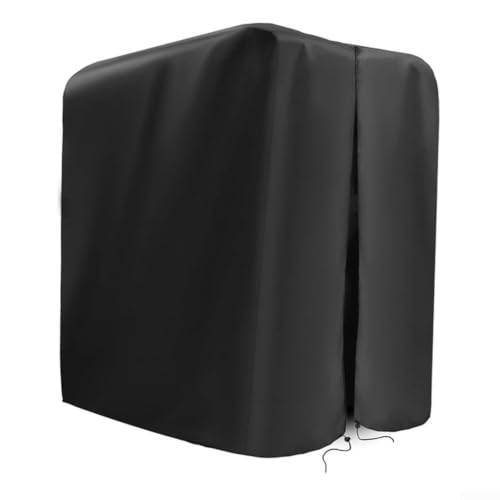
Heavy Duty Polyester Gym Rack Cover with Zipper, 47 x 69 x 84 in
Original price was: £47.01.£36.16Current price is: £36.16. *View On Amazon* - Weight Racks and Cages
3 Tier Adjustable Dumbbell Rack with Hooks, 360 lb Capacity
£36.00 *View On Amazon* - Weight Racks and Cages
Black 2 Tier Adjustable Dumbbell Weight Rack for Home Gym
£59.99 *View On Amazon* - Weight Racks and Cages
Protective Gym Rack Cover for Squat Racks and Lifting Cages, 55.8 x 40 x 80 inches
Original price was: £44.84.£30.59Current price is: £30.59. *View On Amazon* - Weight Racks and Cages
Heavy Duty Dumbbell Rack with Side Storage and Adjustable Width
£49.99 *View On Amazon* - Weight Racks and Cages
lesolar 3 Tier Adjustable Dumbbell Rack with Weight Storage
£69.99 *View On Amazon* - Weight Racks and Cages
Strongway Cable Crossover Machine with 177 kg Weight Stacks and Pull Up Bar
£899.99 *View On Amazon* - Weight Racks and Cages
GYM MASTER GM2 Power Rack Squat Cage with Safety Spotters
£239.99 *View On Amazon* - Weight Racks and Cages
GYM MASTER GM1 Half Power Rack with Cable Pulley System and Spotters
£219.99 *View On Amazon* - Weight Racks and Cages
SPORTNOW Power Cage with Adjustable Cable Pulley System
£349.99 *View On Amazon* - Weight Racks and Cages
J Bryant Squat Rack Storage Hooks for 5/8″ and 1″ Holes, 8-Pack
£12.99 *View On Amazon* - Weight Racks and Cages
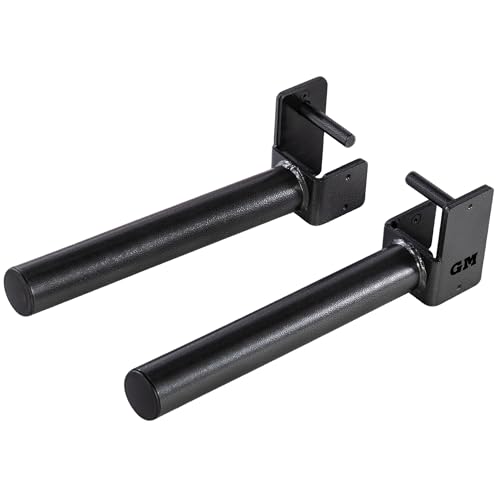
GYM MASTER GM3 Quick Release Weight Plate Storage Poles, Pair
£19.99 *View On Amazon* - Weight Racks and Cages
Grefinity Heavy-Duty 3-Tier Dumbbell and Kettlebell Rack
£52.99 *View On Amazon* - Weight Racks and Cages
IBUYKE 3-Tier Adjustable Dumbbell Rack, 450 lb Capacity
£26.99 *View On Amazon* - Weight Racks and Cages
Predator4x4 Steel Roof Storage Cage for Land Rover Discovery 3 & 4, Black
£374.99 *View On Amazon* - Weight Racks and Cages
SPORTNOW Multi-Function Power Rack Cable Crossover Home Gym
£249.99 *View On Amazon*






What Are Weight Racks And Cages Used For?
Weight racks and cages are used to organise training equipment and support strength exercises. Some products are mainly for storage, such as plate trees, dumbbell racks and barbell holders. Others are training frames, such as squat racks, half racks and power cages.
A power cage is usually used for barbell exercises where safety bars, J hooks and adjustable height settings are important. A storage rack is more about keeping weights tidy, accessible and off the floor.
How To Choose The Right Weight Rack Or Cage
Start with the job you need the product to do. If your main problem is clutter, a weight storage rack may be enough. If you want to squat, bench press or train with a loaded barbell, you need a rack or cage designed for lifting, not just storage.
Space is one of the most important buying factors. Cages and racks need enough room for the frame, barbell length, plate loading and safe movement around the equipment. Always measure the full training area before buying.
Weight capacity also matters. Check the maximum load for the frame, J hooks, safety bars, storage pegs and attachments. The equipment should suit your current training and leave room for progression.
Weight Storage Rack Or Power Cage?
A weight storage rack is used to organise plates, dumbbells, kettlebells or barbells. It helps keep a home gym tidier and can reduce trip hazards caused by loose equipment on the floor.
A power cage is used for exercises such as squats, bench press, rack pulls, overhead press and pull ups, depending on the design. It usually includes uprights, J hooks and safety bars or straps.
The trade off is purpose. Storage racks improve organisation. Power cages support actual lifting. Many home gyms benefit from both.
Squat Rack, Half Rack Or Full Power Cage?
A squat rack is usually more compact and open. It can be useful for squats, overhead press and barbell work where space is limited.
A half rack gives more structure than a simple squat stand while still taking up less room than a full cage. It may include safety arms, plate storage and a pull up bar, depending on the model.
A full power cage gives the most enclosed training area and usually offers more safety positions, attachment options and exercise variety. The trade off is that it needs more floor space and height clearance.
Plate Trees, Dumbbell Racks And Barbell Storage
Plate trees are designed to hold weight plates on storage pegs. They can help keep plates sorted by size and make loading barbells easier.
Dumbbell racks keep dumbbells organised and easier to access. They are especially useful if you own several pairs or adjustable dumbbells with extra parts.
Barbell storage racks hold bars vertically or horizontally, depending on the design. They help protect bars from being left on the floor and keep the training space more organised.
Key Features To Compare
When comparing weight racks and cages, look at maximum load, frame stability, steel construction, footprint, height, J hook quality, safety bars, plate storage, pull up bar options, attachment compatibility, hole spacing and assembly requirements.
For cages and racks, stability is critical. The frame should feel solid when loading, un racking and re racking the bar. For storage racks, weight distribution and base design matter because plates and dumbbells can be heavy.
Hole spacing affects how accurately you can set the bar height and safety position. Smaller spacing around bench and squat heights can make setup easier and more comfortable.
Safety Bars, J Hooks And Spotter Arms
J hooks hold the barbell at the starting height. They should be strong, easy to adjust and suitable for your barbell and rack.
Safety bars or spotter arms are used to catch or support the bar if you cannot complete a lift. They are especially useful for squats and bench press when training alone.
If you lift without a training partner, safety features should be a priority. A rack or cage without suitable safeties may be less suitable for heavier barbell training.
Rack Attachments And Training Options
Some racks and cages can accept attachments such as dip bars, landmine attachments, cable systems, pull up handles, resistance band pegs, storage pegs and pulley accessories.
Attachments can make a rack more versatile, but compatibility is not universal. Hole size, upright size, spacing and brand design can all affect whether an attachment fits.
Choose attachments around your actual training. A simple, strong rack used regularly is often better than a crowded setup full of accessories you rarely use.
Beginner, Home Gym User Or Serious Lifter?
Beginners should look for a stable rack or cage that is easy to adjust and suitable for basic barbell training. Safety arms, clear height settings and sensible weight capacity are useful features.
Home gym users may want equipment that balances strength, storage and space. A half rack with plate storage can be a practical middle ground for many homes.
Serious lifters should prioritise frame strength, maximum load, safety features, bar clearance, hole spacing and long term durability. Heavier training places more demand on the rack, so build quality matters.
Weight Rack Or Multi Gym?
A weight rack or cage is usually better if you want free weight training with barbells, plates and dumbbells. It gives flexibility and allows progression through different compound lifts.
A multi gym guides movement through fixed paths and cables. It can be easier for some users, but it may offer less free weight control and less barbell training flexibility.
The better choice depends on your goals. Choose racks and cages for free weight strength training. Choose a multi gym if you prefer guided resistance exercises.
Using Weight Racks And Cages Safely
Always assemble racks and cages according to the manufacturer’s instructions. Check bolts, pins, J hooks, safety bars and attachments before training.
Use the correct safety height for each exercise. Safety bars should be close enough to help if a lift fails, but not so high that they interfere with normal movement.
Load weight evenly, use collars where appropriate and do not exceed the stated capacity. Stop using the equipment if the frame feels unstable, damaged, loose or unsafe.
Useful Accessories To Consider
Useful accessories can include barbells, weight plates, collars, exercise benches, floor protection mats, resistance bands, dip attachments, landmine attachments, lifting straps and plate storage pegs.
A suitable exercise bench can make a rack or cage more useful for bench press, seated press and dumbbell work. Weight collars help keep plates secure on the bar. Floor mats can help protect surfaces and define the training area.
Choose accessories that match your exact rack, cage and training style.
Why Buy Weight Racks And Cages From YPC?
At YPC, we understand active lifestyles and the need for practical strength equipment that fits real routines. Weight racks and cages should be stable, useful and suited to the way you actually train.
Browse the Weight Racks and Cages range, compare the options and choose the equipment that fits your strength goals, home gym space and storage needs.
Weight Racks And Cages FAQs
What are weight racks and cages used for?
Weight racks and cages are used for strength training, barbell support, safety during lifts and storage of plates, dumbbells and bars.
What is the difference between a weight rack and a power cage?
A weight rack may be used for storage or barbell support. A power cage is a larger lifting frame with uprights and safety bars for exercises such as squats and bench press.
Do I need a power cage for a home gym?
You may need a power cage if you want safer solo barbell training, especially for squats and bench press. For simple dumbbell training, a cage may not be necessary.
What should I look for in a power cage?
Look at maximum load, frame stability, safety bars, J hooks, hole spacing, height, footprint, pull up bar, attachment compatibility and overall build quality.
What is a half rack?
A half rack is a strength training frame that gives more structure than a squat stand but takes up less space than a full power cage. It may include safety arms and plate storage.
What are J hooks on a rack?
J hooks are the adjustable supports that hold the barbell at the starting height for squats, presses and other lifts.
What are safety bars used for?
Safety bars help catch or support the bar if you cannot complete a lift. They are useful for solo training and heavier barbell work.
Are weight storage racks worth buying?
Yes, weight storage racks can be useful because they keep plates, dumbbells and bars organised, easier to access and off the floor.
What is a plate tree?
A plate tree is a storage rack with pegs for holding weight plates. It helps keep plates sorted and reduces clutter in a home gym.
How much space do I need for a power cage?
You need enough space for the cage, barbell length, plate loading, safe movement and any attachments. Always check the full dimensions before buying.
Can I bench press in a power cage?
Yes, many power cages can be used for bench press when paired with a suitable exercise bench and correctly positioned J hooks and safety bars.
Can I attach gymnastic rings to a power cage?
Sometimes, but only if the cage and pull up bar are suitable for the extra movement and load. Check the product guidance before attaching rings or suspension trainers.
Do racks and cages need to be bolted down?
Some racks and cages are freestanding, while others may need or recommend floor fixing. Check the manufacturer’s instructions and choose a setup suitable for your training.
What accessories are useful with racks and cages?
Useful accessories include barbells, plates, collars, benches, mats, dip handles, landmine attachments, resistance bands, pull up grips and storage pegs.
How do I maintain a weight rack or cage?
Keep it clean and dry, check bolts and pins regularly, inspect J hooks and safety bars, tighten anything loose and stop using it if the frame feels unstable or damaged.
 Getting ready for Summer? View our Home and Garden Products

Heading outdoors this winter? Take a look at our Outdoor Clothing.