
Exercise Benches and Racks
Exercise benches and racks are strength training equipment used for weight lifting, dumbbell workouts, barbell exercises and home gym setups. This category is ideal for building a more structured training space for bench press, squats, rows, shoulder press, step ups, core work and general resistance training.
The right bench or rack depends on your available space, training goals, strength level and the type of equipment you already own. A simple flat bench may suit dumbbell workouts, while an adjustable bench, squat rack or power rack may be better for more varied strength training.
-
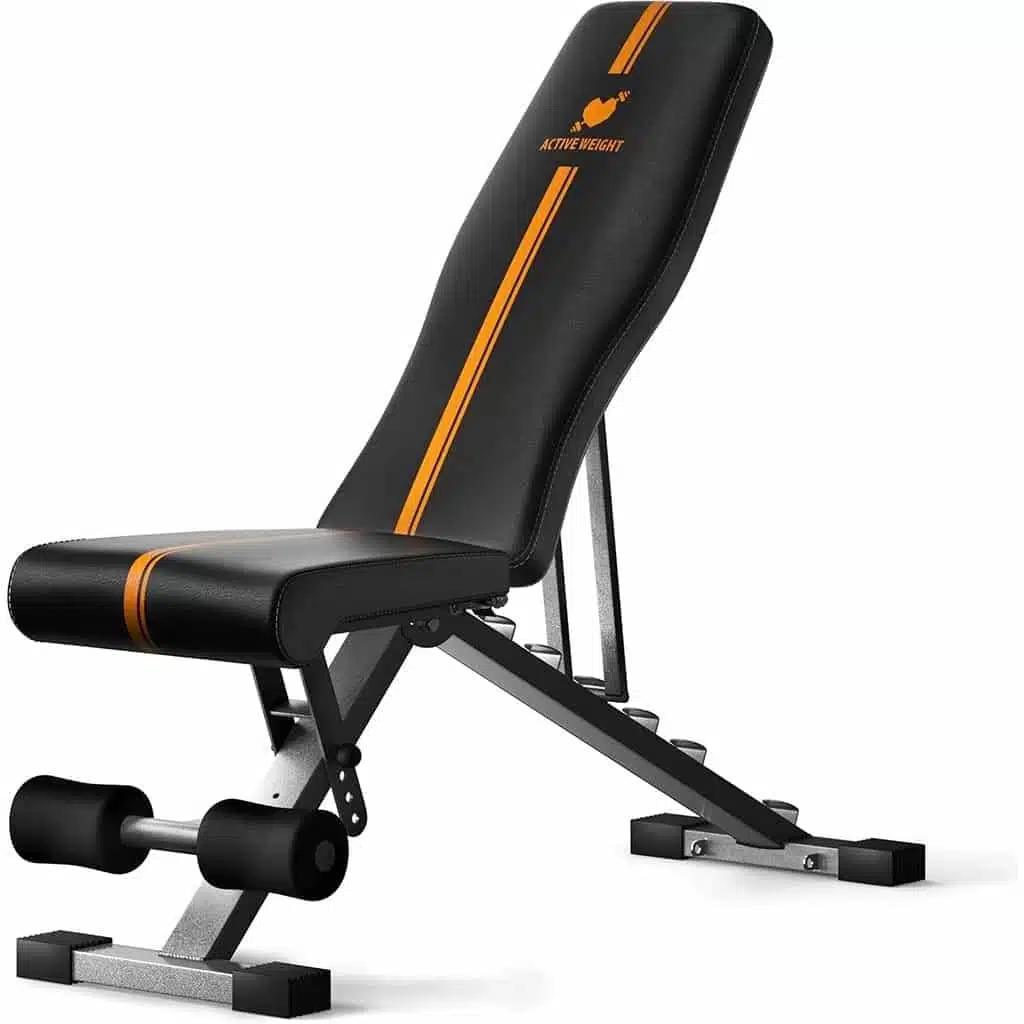
Exercise Benches362 Products
-
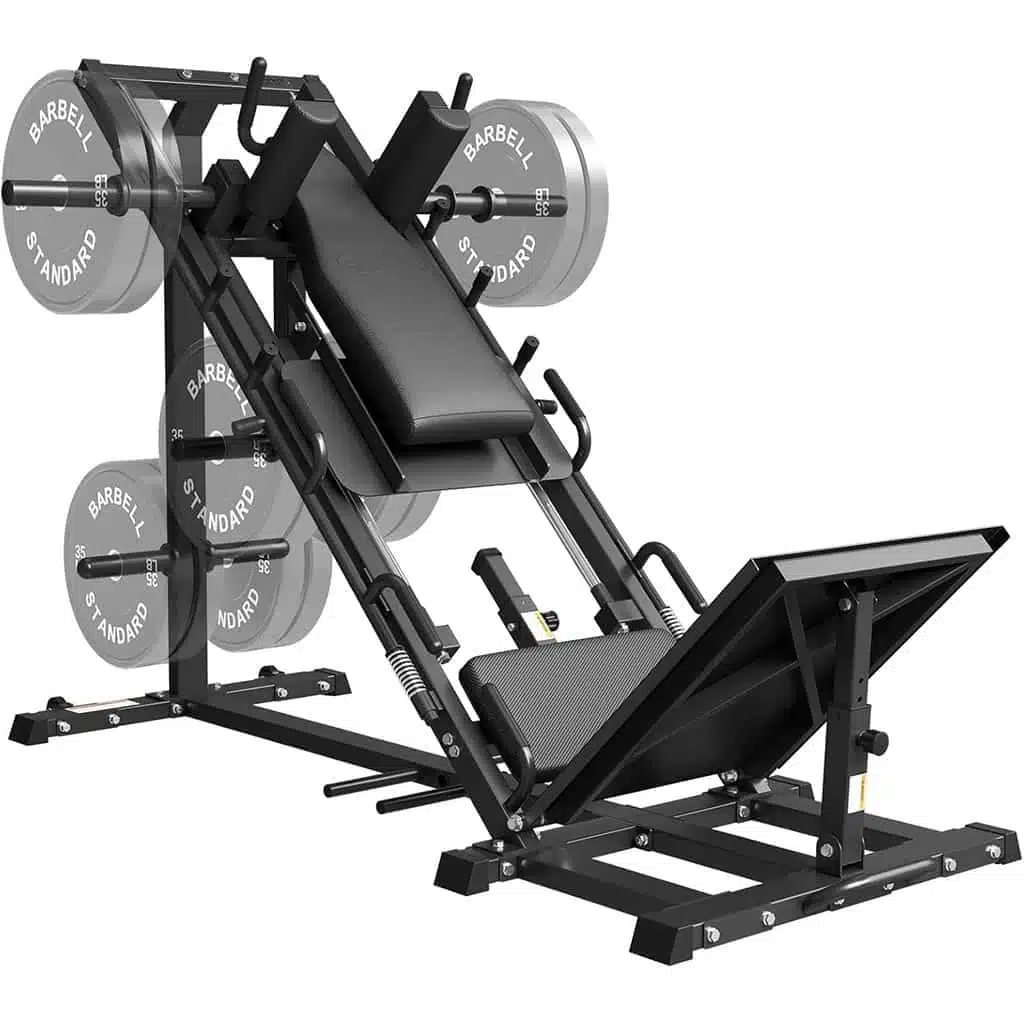
Leg Press and Curl Machines174 Products
-
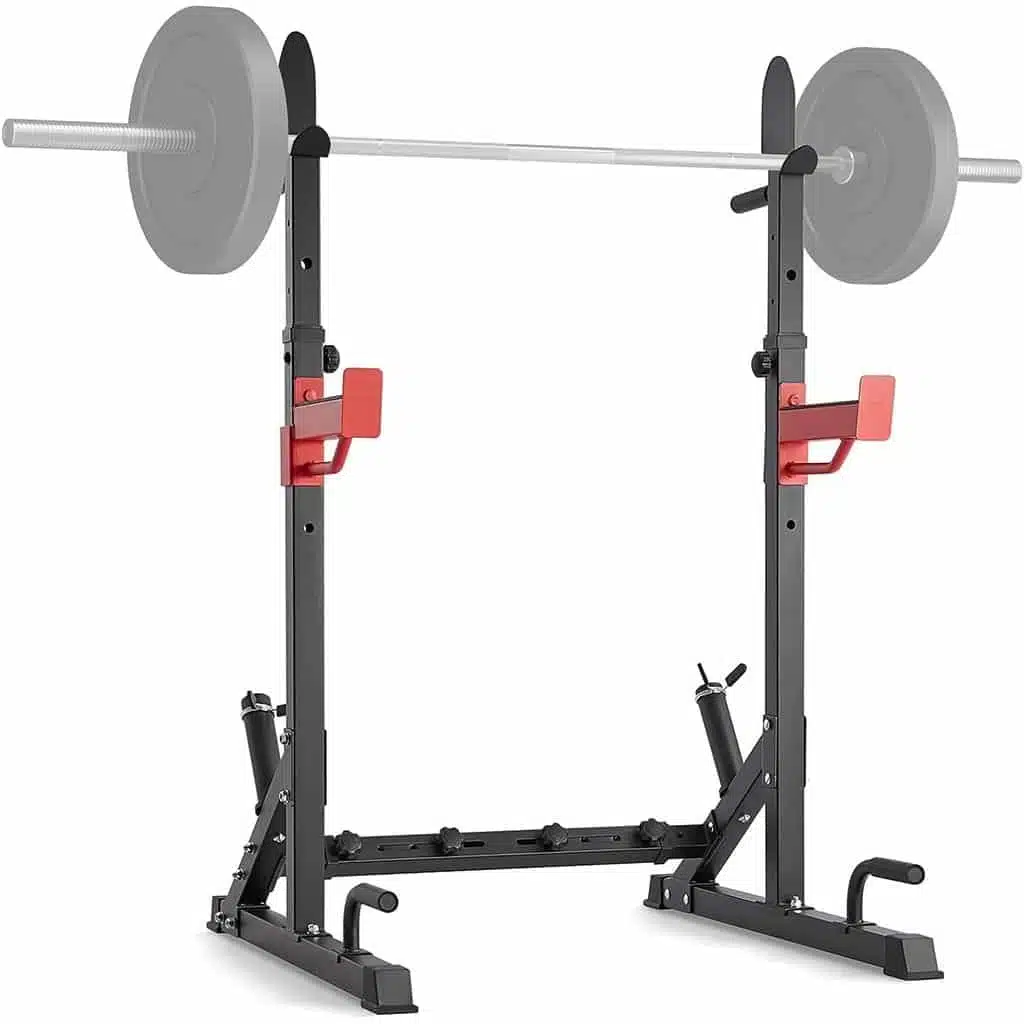
Squat Racks109 Products
-
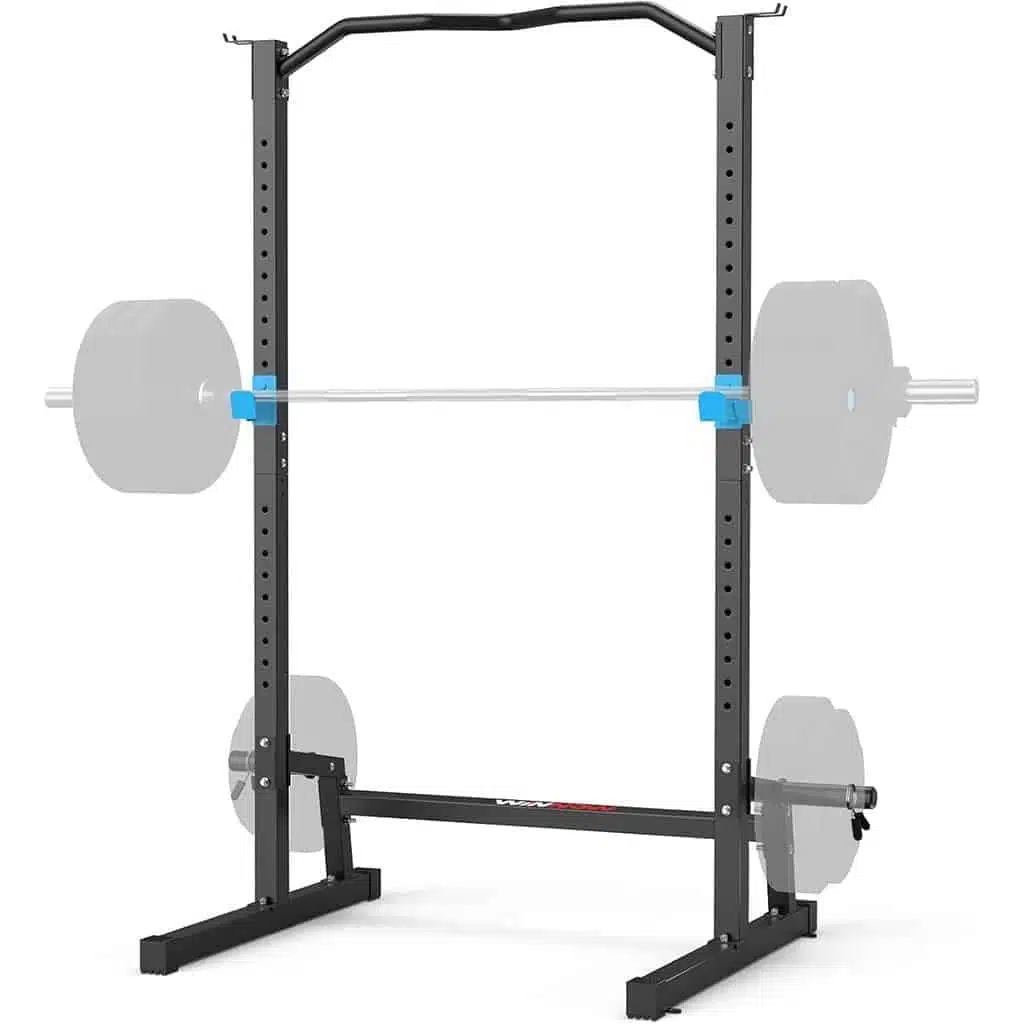
Weight Racks and Cages220 Products
What Are Exercise Benches And Racks Used For?
Exercise benches and racks are used to support strength exercises safely and comfortably. Benches provide a stable surface for seated, lying or incline movements, while racks help hold barbells, weights or accessories at a useful height.
This category can include flat benches, adjustable benches, weight benches, squat racks, power racks, bench press racks, barbell stands, weight storage racks and home gym frames. Some products are compact and simple, while others are designed for heavier, more regular training.
How To Choose The Right Exercise Bench Or Rack
Start with the exercises you plan to do most often. For dumbbell presses, rows, flyes and seated movements, an exercise bench may be enough. For barbell squats, bench press or heavier lifting, a suitable rack or stand becomes more important.
Stability is one of the most important buying factors. A bench should feel solid under your bodyweight and the weight being lifted. A rack should hold the bar securely and remain stable during loading, unloading and exercise setup.
Space also matters. Benches and racks need enough room around them for safe movement, barbell length, loading plates and getting in and out of position. Measure your workout area before buying, especially for garages, spare rooms and smaller home gyms.
Flat Bench, Adjustable Bench Or Weight Bench?
A flat bench is simple, stable and useful for dumbbell presses, rows, core work and general strength training. It is often the easiest starting point for home workouts.
An adjustable bench can be set to different angles, such as incline, flat and sometimes decline positions. This gives more exercise variety and can make it useful for chest, shoulder, back and arm training.
A weight bench may include extras such as racks, leg developers or preacher curl attachments, depending on the model. These can add variety, but they also take up more space and may not be needed by every user.
Squat Rack, Power Rack Or Barbell Stand?
A squat rack is designed to hold a barbell at a suitable height for squats and some pressing movements. It can be useful for home gyms where barbell training is a priority.
A power rack, also called a power cage, gives more structure and may include safety bars, pull up bars or attachment points. It takes up more space, but it can offer a more complete setup for serious strength training.
Barbell stands are usually more compact and easier to move. They can suit smaller spaces, but they may feel less stable than a full rack, especially with heavier weights.
Key Features To Compare
When comparing exercise benches and racks, look at maximum weight capacity, frame stability, adjustment positions, padding comfort, backrest width, rack height, safety bars, footprint, storage needs, build quality and assembly requirements.
For benches, check the pad thickness, frame design, seat angle and whether the bench feels stable in flat and incline positions. For racks, check barbell height settings, safety support, base width and whether the rack suits your bar and plates.
Maximum weight capacity should include both the user and the weight being lifted. Do not choose equipment that sits too close to your current limit if your strength is likely to progress.
Bench Only Or Full Home Gym Setup?
A bench only setup can be enough for dumbbell training, resistance band work, bodyweight exercises and compact home workouts. It is usually easier to store and less expensive than a full rack setup.
A full home gym setup with a rack, bench, barbell and weights gives more exercise variety and progression. It can support heavier strength training, but it needs more space, better planning and a greater focus on safety.
The best choice depends on how you train now and how you expect your routine to develop. Simple equipment used consistently is often more useful than a large setup that feels awkward to use.
Best For Beginners, Home Gym Users Or Serious Lifters?
Beginners should look for a stable bench or simple rack setup that suits basic exercises and feels easy to use. A flat or adjustable bench with manageable weights can be a good starting point.
Home gym users may want a bench and rack combination that allows progression without taking over the room. Foldable benches, compact racks and storage solutions can help keep the space practical.
Serious lifters should prioritise strength, safety features, weight capacity, barbell clearance and long term durability. Heavier training places more demand on the equipment, so build quality matters.
Using Benches And Racks Safely
Always follow the product instructions and check equipment before use. Make sure bolts are tight, adjustment pins are fully engaged and the bench or rack is placed on a flat, stable surface.
Use safety bars, spotter arms or a training partner when lifting heavier weights where appropriate. Do not overload benches, racks or stands beyond their stated limits.
Good technique matters. If a lift feels unstable, painful or difficult to control, reduce the weight, review your setup or seek suitable coaching before continuing.
Useful Accessories To Consider
Useful accessories can include barbells, weight plates, dumbbells, collars, floor protection mats, lifting gloves, wrist wraps, resistance bands, storage racks and gym towels.
Weight collars are useful for keeping plates secure on a barbell. Floor mats can help protect surfaces and make the training area feel more stable. Storage racks help keep plates, dumbbells and bars organised, which makes workouts safer and easier to repeat.
Choose accessories around the exercises you actually perform and the space available.
Why Buy Exercise Benches And Racks From YPC?
At YPC, we understand active lifestyles and the need for practical equipment that fits real routines. Exercise benches and racks should feel stable, comfortable and suited to the way you actually train.
Browse the Exercise Benches and Racks range, compare the options and choose the equipment that fits your strength goals, workout space and home gym setup.
Exercise Benches And Racks FAQs
What are exercise benches and racks used for?
Exercise benches and racks are used for strength training, weight lifting, dumbbell exercises, barbell work, bench press, squats, seated exercises and home gym workouts.
What is the difference between a flat bench and an adjustable bench?
A flat bench stays in one fixed position. An adjustable bench can change angle for flat, incline and sometimes decline exercises, giving more workout variety.
Are adjustable benches worth buying?
Adjustable benches can be worth buying for home gyms because they allow more exercise options than a flat bench. Check stability, adjustment positions and weight capacity before buying.
What should I look for in a weight bench?
Look at maximum weight capacity, frame stability, pad comfort, adjustment angles, backrest width, seat position, footprint and whether the bench suits your main exercises.
What is a squat rack used for?
A squat rack holds a barbell at a suitable height for squats and some pressing exercises. It helps set up barbell lifts more safely and conveniently.
What is the difference between a squat rack and a power rack?
A squat rack is usually more open and compact. A power rack or power cage is larger and may include safety bars, pull up bars and more attachment options.
Do I need a rack for bench press?
A rack or suitable barbell stand is needed for barbell bench press. Dumbbell bench press can be done with only a bench and dumbbells.
Are folding weight benches safe?
Folding benches can be safe when used within the stated weight limit and locked correctly. Check stability, locking points and product guidance before training.
How much space do I need for a bench and rack?
You need enough room for the bench, rack, barbell length, weight plates and safe movement around the setup. Always measure the full training area before buying.
What does maximum weight capacity mean?
Maximum weight capacity is the total load the equipment is designed to support. For benches, this should include the user and the weight being lifted.
Can beginners use exercise benches and racks?
Yes, beginners can use benches and racks when exercises are chosen sensibly and equipment is set up correctly. Start with manageable weights and focus on controlled technique.
What accessories are useful with benches and racks?
Useful accessories include dumbbells, barbells, weight plates, collars, floor mats, resistance bands, storage racks, lifting gloves and gym towels.
How do I maintain an exercise bench or rack?
Keep it clean and dry, check bolts and fittings, inspect padding and adjustment points, tighten anything loose and stop using it if the frame feels unstable or damaged.
Can a bench and rack help build muscle?
A bench and rack can support muscle strengthening when used with suitable exercises, progressive resistance, good technique, recovery and consistent training.
 Getting ready for Summer? View our Home and Garden Products

Heading outdoors this winter? Take a look at our Outdoor Clothing.