
Folding Bikes
Folding bikes are designed to fold into a more compact shape for easier storage, transport and everyday practicality. They are suitable for commuters, leisure riders, students, caravan owners, flat dwellers, train users, city cyclists and anyone who wants a bike that is easier to store or carry than a standard full size bicycle.
The right folding bike depends on rider size, riding style, folded size, bike weight, wheel size, folding mechanism, gears, brakes, carrying comfort, storage space, journey length and whether the bike is intended for commuting, leisure rides, travel, electric assistance or mixed everyday use.
- Folding Bikes
14″ Folding Electric Bike with 250W Motor and Removable Battery
£309.86 *View On Amazon* - Folding Bikes
CHIMHOON 26 Inch Adult Tricycle with 7-Speed Gears and Shopping Basket
£170.00 *View On Amazon* - Folding Bikes
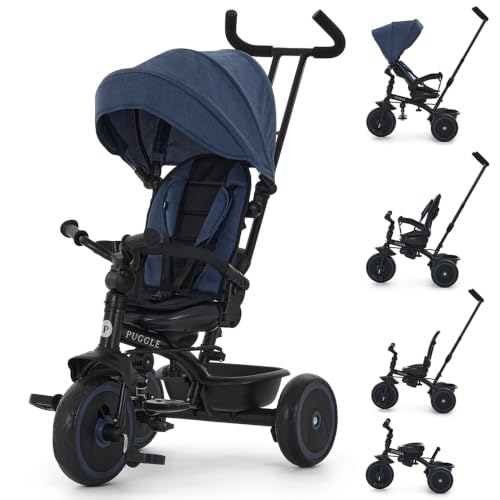
Puggle Easy Twist 6-in-1 Folding Trike with Parent Handle, Denim Blue
£59.95 *View On Amazon* - Folding Bikes
ZEIXIHY Folding Bike Lock with 4 Keys and Mounting Bracket, Black
Original price was: £22.99.£20.99Current price is: £20.99. *View On Amazon* - Folding Bikes
26 Inch Foldable Mountain Bike with Dual Suspension and 21 Speed
£169.99 *View On Amazon* - Folding Bikes
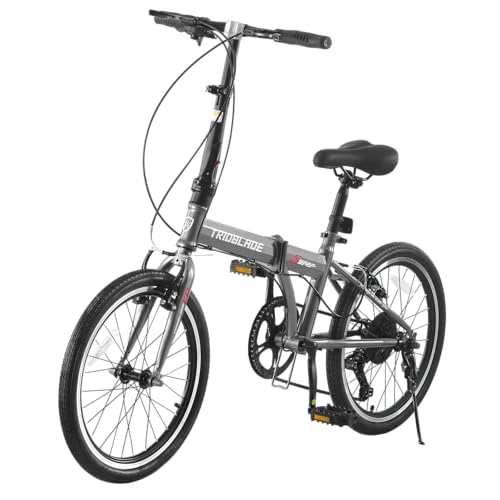
TRIOBLADE 20 Inch Folding Bike for Adults, 7 Speed Shimano, Black
£179.99 *View On Amazon* - Folding Bikes
TRIOBLADE 20 Inch Folding Bike for Adults, 7 Speed Shimano Drivetrain, Grey
£179.99 *View On Amazon* - Folding Bikes
Yasyas G4 Folding Electric Bike, 26-Inch Wheels, 21-Speed, Black
£449.00 *View On Amazon* - Folding Bikes
LSskm 26 Inch Full Suspension Folding Mountain Bike, 21 Speed
£135.88 *View On Amazon* - Folding Bikes
MechKit Folding Bike Handlebar, 90 Degree Quick Release, 660 mm
£27.79 *View On Amazon* - Folding Bikes
LSLIFE 26 Inch Folding Mountain Bike, 21-Speed, Dual Disc Brakes
Original price was: £219.90.£199.90Current price is: £199.90. *View On Amazon* - Folding Bikes
ABUS BORDO 6000C/120 Folding Bike Lock with SH Bracket, 120 cm
Original price was: £50.40.£35.77Current price is: £35.77. *View On Amazon* - Folding Bikes
Kcolic 16 inch Folding Bike with Dual Disc Brakes and Rear Rack
£229.99 *View On Amazon* - Folding Bikes
ABUS Bordo uGrip 5700C SH Folding Lock with Number Code
Original price was: £44.99.£38.64Current price is: £38.64. *View On Amazon* - Folding Bikes
ABUS ST 5700 uGrip Bordo Lock Case Holder for Bordo 5700K/80
Original price was: £10.04.£7.44Current price is: £7.44. *View On Amazon*






What Are Folding Bikes?
Folding bikes are bicycles with frames, hinges or mechanisms that allow the bike to fold down into a smaller size. This makes them easier to store in small homes, offices, car boots, public transport areas or shared spaces.
They are designed for riders who need cycling convenience without the storage demands of a standard bike. A folding bike can be useful when a full size bike is awkward to keep, carry or travel with.
Folding bikes come in different styles, including simple leisure folding bikes, commuter folding bikes and electric folding bikes where listed. The best choice depends on how the bike will be used most often.
What Are Folding Bikes Used For?
Folding bikes are used for commuting, short local trips, leisure rides, public transport connections, holidays, caravan travel, city cycling and compact home storage.
They are especially useful for mixed journeys. A rider may cycle to a station, fold the bike for a train journey, then unfold it again for the final part of the trip.
Folding bikes can also make cycling more practical for people with limited storage. They can fit more easily into flats, offices, cupboards, sheds, garages, car boots or campervans depending on the folded size.
How To Choose The Right Folding Bike
Start by thinking about why you want a folding bike. If compact storage is the main reason, folded size and folding speed may matter most. If you will ride it daily, comfort, gears, brakes and handling are just as important.
Next, think about journey length. A folding bike for short station trips may need different features from one used for longer commutes or leisure rides.
Weight is also important. A bike may fold compactly, but if it is too heavy to lift, carry upstairs or move through a station, it may not suit your routine.
Key Features To Compare
When comparing folding bikes, look at folded size, unfolded riding size, bike weight, wheel size, folding mechanism, frame style, handlebar adjustment, saddle adjustment, gear range, brake type, tyre width, carry method and accessory compatibility.
Folded size affects storage and transport. A compact fold can be useful for trains, offices and small flats, but the bike still needs to feel comfortable and stable when unfolded.
The folding mechanism should feel secure and easy to use. A bike that is slow or awkward to fold may become frustrating if you need to fold it every day.
Folding Bikes Compared With Standard Bikes
Standard bikes usually offer a familiar full size frame and wheel setup. They can be comfortable for longer rides and may offer more choice across road, hybrid and mountain bike styles.
Folding bikes are chosen for convenience and storage. They are easier to fit into tight spaces and can be more practical for mixed travel.
The trade off is ride feel versus portability. A standard bike may feel more natural over longer distances, while a folding bike is more practical when storage and transport matter.
Folding Bikes Compared With Hybrid Bikes
Hybrid bikes are popular for commuting, leisure riding and mixed everyday cycling. They often offer comfort, upright riding and larger wheels.
Folding bikes can also be useful for commuting and leisure, but their main advantage is compact storage. They are better when you need to fold the bike for transport or storage.
Choose a hybrid bike if ride comfort and normal bike handling matter most. Choose a folding bike if storage, trains, flats or car boot transport are the main concern.
Folding Bikes Compared With Electric Bikes
A standard folding bike is powered only by the rider. It is usually lighter and simpler than an electric folding bike.
An electric folding bike includes motor assistance where listed. It can help with hills, longer commutes and heavier loads, but it will usually add weight and charging needs.
The best choice depends on your route and storage. A non electric folding bike may suit short journeys and easy carrying, while an electric folding bike may suit riders who want extra help.
Beginner, Regular Rider And Experienced Cyclist Guidance
Beginners may find folding bikes useful because they are practical, approachable and easy to store. The bike should still fit properly and feel stable when riding.
Regular riders may care more about folding speed, comfort, gears, tyre quality, lights, mudguards and whether the bike is easy to carry through daily routines.
Experienced cyclists often compare frame stiffness, hinge quality, folded stability, gearing range, wheel size, tyre choice, braking feel, saddle comfort and how the bike handles over longer journeys.
Folding Bikes For Commuting
Folding bikes are popular for commuting because they can be stored more easily at work, carried onto some public transport services where allowed and kept indoors instead of locked outside.
A commuter folding bike should be reliable, comfortable and easy to fold. Lights, mudguards, racks, pannier options, locks and a pump may all be useful depending on the route.
Commuters should think carefully about real daily use. A bike that folds well but is uncomfortable to ride may not be the best choice for regular journeys.
Folding Bikes For Public Transport
Folding bikes can be useful for train, tram, bus or mixed transport journeys where carriage rules allow them. They can help riders cover the first or last part of a journey more easily.
Folded size and carrying comfort matter when using public transport. A compact bike is easier to move through stations, platforms, lifts and busy spaces.
Always check transport rules before travelling. Different operators may have different guidance on folded bikes, peak times, storage areas and bike covers.
Folding Bikes For Small Homes And Flats
Folding bikes are useful for homes where a full size bike is difficult to store. They can fit more easily in cupboards, hallways, under desks, utility rooms or shared indoor spaces depending on folded size.
Indoor storage can also help protect the bike from weather and theft. This can be especially useful in flats where outdoor bike storage is limited.
Before buying, measure your storage space. Folded dimensions are just as important as ride size when space is tight.
Folding Bikes For Leisure Riding
Folding bikes can be used for relaxed leisure rides, parks, cycle paths, short countryside routes and family days out where suitable.
A leisure folding bike should feel comfortable and easy to control. Saddle comfort, riding position, gears and tyres can all affect how enjoyable the ride feels.
For longer leisure rides, check whether the folded convenience is balanced by enough comfort and stability for the distance you plan to ride.
Folding Bikes For Holidays And Travel
Folding bikes can be useful for holidays, caravans, campervans, boats and car boot travel. They allow riders to take cycling equipment without needing a full size bike rack in some situations.
They can be useful for exploring campsites, seafront routes, villages and cycle paths while travelling. Compact storage is the main advantage.
Travel use still needs planning. Check storage space, bike weight, locks, lights, local cycling rules and whether the riding area is suitable.
Folding Bikes For City Cycling
City cycling often involves short trips, traffic, junctions, storage problems and theft concerns. Folding bikes can help because they are easier to keep indoors at destinations where permitted.
A city folding bike should have responsive brakes, practical gears and good visibility accessories. Lights, reflectors, bells and secure tyres can all support everyday riding.
Handling at low speed matters in towns and cities. The bike should feel stable when starting, stopping and manoeuvring around tight spaces.
Folding Bikes For Older Riders And Returning Cyclists
Folding bikes can suit some older riders or people returning to cycling, especially if storage and ease of use are important. A step through style where listed may make mounting easier.
Weight should be considered carefully. A folding bike still needs to be lifted, moved or folded, and some designs may be heavier than expected.
Comfort, stability, brake reach and riding position should be checked before buying. The bike should feel manageable both folded and unfolded.
Electric Folding Bikes
Electric folding bikes combine compact storage with motor assistance where listed. They can help riders manage hills, headwinds and longer commutes while still offering a smaller folded shape.
The main trade off is weight. Electric motors and batteries usually make folding bikes heavier, so carrying and lifting should be considered carefully.
Battery range, charging time, legal suitability, folding size, brake quality and storage needs should all be checked before choosing an electric folding bike.
Wheel Size And Ride Feel
Folding bikes often use smaller wheels than standard bikes, although sizes vary. Smaller wheels can help the bike fold more compactly and feel agile in town.
Larger wheels where listed may feel more stable or familiar, but they may increase folded size. The best choice depends on storage needs and ride expectations.
Wheel size also affects tyre choice, comfort and handling. Make sure replacement tyres and tubes are available in the correct size.
Frame Size, Fit And Riding Position
Folding bikes may use adjustable seatposts and handlebars to suit different riders. Fit still matters, even if the frame is more compact than a standard bike.
The rider should be able to reach the bars, use the brakes, pedal comfortably and stop safely. A poor fit can make even short journeys uncomfortable.
If more than one person will use the bike, check adjustment range where listed. Shared use only works if each rider can achieve a safe and comfortable position.
Folded Size And Folding Mechanism
Folded size is one of the most important details when buying a folding bike. It affects whether the bike fits in your home, car boot, office, train luggage space or storage cupboard.
The folding mechanism should feel secure when locked and straightforward when being folded. Hinges, clamps and catches should be checked regularly.
A quick fold is useful for daily commuting, but it should not come at the expense of safety or ride stability. The bike must lock securely before riding.
Weight And Carrying Comfort
Weight matters more on folding bikes than many riders expect. If you need to carry the bike upstairs, onto trains or through buildings, a few extra kilograms can make a big difference.
Carrying points, folded shape and balance also matter. A bike that is awkward to hold can feel heavier than it is.
Think about your real journey. Carrying a folded bike for a few steps is different from carrying it through a busy station every day.
Gears And Hill Climbing
Gears help folding bikes handle hills, starts, bridges and changing routes. Some folding bikes have simple gear setups, while others offer wider ranges where listed.
For flat city journeys, a simple gear range may be enough. For hillier routes, more range may be useful.
Gears should be easy to use and suitable for the rider. A folding bike with awkward or poorly matched gearing can make daily riding frustrating.
Brakes And Stopping Control
Brakes are essential on any folding bike. The rider should be able to reach the levers comfortably and stop confidently in normal riding conditions.
Brake type can vary by product. Check the details and think about your route, weather and riding speed.
Because folding bikes are often used in towns, predictable braking is especially important around junctions, pedestrians, crossings and shared paths.
Tyres, Punctures And Road Comfort
Tyres affect comfort, grip and puncture resistance where listed. Folding bikes used for commuting may benefit from practical tyres suited to roads and cycle paths.
Smaller wheels can feel different over potholes, kerbs and rough surfaces. Tyre width and pressure can affect comfort and control.
Carry or keep access to a pump, spare tube and tyre levers. Make sure the spare tube matches the folding bike’s wheel size and valve type.
Saddles, Handlebars And Comfort
Comfort matters, even on short rides. Saddle height, saddle shape, handlebar position and grip comfort all affect how the bike feels.
A folding bike used for daily commuting should not be uncomfortable. Small adjustments can improve posture and reduce strain.
If the bike feels cramped, stretched or unstable, check saddle and handlebar adjustment before deciding whether it suits you.
Folding Bikes And Accessories
Folding bikes may accept accessories such as lights, locks, bags, mudguards, racks, bottle cages, bells and pumps where compatible.
Compatibility should always be checked. Folding frames can have different shapes and clearances from standard bikes, so not every accessory will fit.
Accessories should not interfere with the fold. A bag, bottle cage or lock mount that prevents the bike folding properly may not be practical.
Locks, Security And Indoor Storage
Folding bikes are often chosen because they can be stored indoors, reducing the need to leave them locked outside. This can be useful at home, work or study locations where allowed.
A lock is still useful for times when the bike must be left unattended. The lock should suit the value of the bike and the theft risk of the location.
If leaving a folding bike in public, secure the frame to a fixed object where allowed and remove easy to steal accessories where practical.
Lights, Visibility And Commuter Safety
Lights are important for folding bikes used in low light, poor weather or commuting. Reflectors and visible clothing can also help other people notice the rider.
Some folding bikes may include lights where listed, while others may need separate lights fitted. Mounting points should be checked carefully.
Lights should be charged or have working batteries before riding. This is especially important for winter commuting and evening journeys.
Mudguards, Racks And Luggage
Mudguards can make a folding bike more practical for commuting and wet roads by reducing spray from tyres.
Racks, bags and luggage systems can help carry work items, shopping or spare clothing where compatible. However, they should not prevent the bike folding or make it awkward to carry.
Think about what you need to carry most often. A small bag may be enough for essentials, while daily commuting may need more organised storage.
Folding Bikes For Multimodal Journeys
Multimodal journeys combine cycling with trains, buses, cars or walking. Folding bikes are especially useful for these trips because they can reduce storage and access problems.
A folding bike can help connect home, station, workplace and town centre journeys. It can reduce reliance on parking, taxis or long walks.
For this style of use, folded size, weight and folding speed are often just as important as cycling performance.
Maintenance And Regular Checks
Folding bikes need normal bike maintenance plus extra attention to folding parts. Tyres, brakes, chain, gears, wheels and bolts should be checked regularly.
Hinges, clamps, latches and locking mechanisms should also be checked before riding. Loose or damaged folding parts can affect safety.
If anything feels loose, noisy, stiff or insecure, stop using the bike until it has been checked by a suitable cycle mechanic.
Cleaning And Weather Care
Folding bikes should be cleaned after wet, muddy or gritty rides. Dirt can affect the chain, gears, brakes and folding mechanisms.
Dry the bike before folding and storing where practical. Folding a wet bike and placing it indoors can transfer water, mud and road grime into storage areas.
Lubricate the chain according to product guidance and avoid letting dirt build up around hinges or moving parts.
Transporting Folding Bikes In Cars
Folding bikes can often fit into car boots more easily than standard bikes, depending on folded size and vehicle space.
Protect the car interior from mud, oil and sharp parts. A storage bag, boot liner or cloth may be useful where suitable.
Secure the bike so it does not move around during travel. Loose bikes can damage the vehicle, the bike or other luggage.
Folding Bike Safety
A folding bike should be fully locked open before riding. Check hinges, clamps and catches every time the bike is unfolded.
Practise folding and unfolding at home before using the bike in a hurry at a station or busy place. Familiarity reduces mistakes.
Ride carefully until you understand the bike’s handling. Folding bikes can feel different from standard bikes, especially if they have smaller wheels.
Legal And Transport Considerations
Cycling rules still apply when riding a folding bike. Riders should follow road rules, cycle path guidance and local regulations.
Public transport rules can vary. Some operators treat folded bikes differently from full size bikes, while others may have time, cover or storage requirements.
Check rules before relying on a folding bike for a journey. This is especially important for commuting, events and peak travel.
Common Folding Bike Buying Mistakes
One common mistake is choosing only by folded size. A very compact bike still needs to feel comfortable, stable and suitable for your journeys.
Another mistake is ignoring weight. A folding bike that is too heavy to carry may not solve the transport problem you bought it for.
A third mistake is forgetting accessory compatibility. Lights, locks, bags and mudguards are often important for everyday use, but they must work with the fold.
Care, Cleaning And Storage
Folding bikes should be stored clean, dry and securely where possible. Indoor storage can protect the bike from weather, but the bike should still be dried after wet rides.
Check tyres, brakes, chain, gears, hinges and latches before regular use. Folding parts should move smoothly and lock securely.
Do not leave the bike folded damp for long periods. Moisture, road salt and grime can affect moving parts and make maintenance harder.
Useful Accessories To Consider
Useful folding bike accessories include helmets, lights, locks, pumps, spare tubes, tyre levers, multitools, mudguards, bags, racks where compatible, bells, bottle cages where suitable, chain lubricant and cleaning products.
For commuting, consider a compact lock, visible clothing, waterproof layers and a storage bag where suitable. For travel, a cover, boot liner or carry bag may be useful.
The best folding bike setup is one where the bike, storage, carrying method, safety equipment and maintenance items all work together.
Why Buy Folding Bikes From YPC?
At YPC, we understand active lifestyles and the need for practical products that work in real use. Folding bikes should be chosen carefully because folded size, weight, ride comfort, folding mechanism, storage needs and everyday practicality all affect how useful they are.
Browse the Folding Bikes category at YPC to compare available options, check the details that suit your journeys and choose folding bikes that help make cycling more flexible, compact and manageable.
Folding Bikes FAQs
What is a folding bike?
A folding bike is a bicycle designed to fold into a smaller shape for storage or transport. It can be useful for commuting, public transport, small homes and travel.
The folded size and folding method vary by product.
Are folding bikes suitable for beginners?
Yes, folding bikes can be suitable for beginners if they fit properly and feel stable to ride. They are often practical for short journeys and easy storage.
Beginners should practise folding, unfolding, braking and handling before using one in busy areas.
What are folding bikes used for?
Folding bikes are used for commuting, leisure rides, public transport connections, holidays, small home storage and short local trips.
They are especially useful when a standard bike is difficult to store or transport.
Are folding bikes good for commuting?
Yes, folding bikes can be very useful for commuting. They can be stored indoors, carried onto some public transport services where allowed and used for mixed journeys.
Lights, locks, mudguards and bags may also be useful.
Are folding bikes good for trains?
Folding bikes can be useful for train travel where the operator allows them. Rules can vary by train company, time and storage area.
Check transport guidance before travelling.
Are folding bikes good for small flats?
Yes, folding bikes are useful for flats and small homes because they take up less space than many standard bikes.
Check folded dimensions before buying to make sure the bike fits your storage area.
Are folding bikes comfortable to ride?
Folding bikes can be comfortable when they fit well and suit the journey. Saddle adjustment, handlebar position, wheel size and tyre choice all affect comfort.
For longer rides, comfort should be checked carefully.
Are folding bikes good for long rides?
Some folding bikes can handle longer rides where suitable, but many are chosen mainly for short or medium journeys. Comfort, wheel size, gears and riding position become more important as distance increases.
Choose based on your actual route length.
Are folding bikes slower than normal bikes?
Some folding bikes may feel slower than full size bikes because of wheel size, gearing or riding position. Others can be efficient for city and commuter use.
The best choice depends on journey type and rider expectations.
Are folding bikes heavy?
Weight varies by product. Some folding bikes are light and easy to carry, while others are heavier, especially electric models.
Check weight carefully if you need to lift the bike often.
What folded size should I choose?
Choose a folded size that fits your storage, car boot, office, train use or home space. Measure your space before buying if storage is tight.
Folded size should be balanced with ride comfort and stability.
How easy are folding bikes to fold?
Ease of folding varies by design. Some bikes fold quickly, while others take more practice or have more steps.
Practise folding and unfolding before relying on the bike for commuting.
Are electric folding bikes useful?
Electric folding bikes can be useful if you want compact storage plus motor assistance for hills, longer rides or commuting.
They are usually heavier than non electric folding bikes, so carrying and storage should be considered.
What wheel size is best for a folding bike?
The best wheel size depends on storage and ride feel. Smaller wheels can make the bike more compact, while larger wheels may feel more familiar or stable.
Check product details and choose based on your route and storage needs.
Do folding bikes have gears?
Some folding bikes have gears and others use simpler setups. Gears can be useful for hills, commuting and longer rides.
Check the gear range where listed before buying.
Do folding bikes need special tyres?
Folding bikes use tyres that match their wheel size and design. Replacement tyres and tubes must be the correct size and valve type.
Always check product details before buying spares.
Can I fit lights and mudguards to a folding bike?
Many folding bikes can use lights and mudguards where compatible, but fitting depends on the frame and folding design.
Accessories should not interfere with the fold.
Can I fit a rack or bag to a folding bike?
Some folding bikes accept racks or bags where listed. Compatibility should be checked carefully because folding frames can differ from standard bikes.
Make sure luggage does not stop the bike folding properly.
How do I maintain a folding bike?
Maintain a folding bike like a normal bike, checking tyres, brakes, chain and gears. Also check hinges, clamps and locking mechanisms regularly.
If folding parts feel loose or damaged, stop riding until the bike is checked.
What should I check before buying folding bikes?
Check folded size, bike weight, riding fit, wheel size, folding mechanism, gears, brakes, tyre type, carry comfort, accessory compatibility and whether the bike suits your journey length and storage needs.
The right folding bike should be compact enough to store, comfortable enough to ride and practical enough for your daily routine.
 Getting ready for Summer? View our Home and Garden Products

Heading outdoors this winter? Take a look at our Outdoor Clothing.