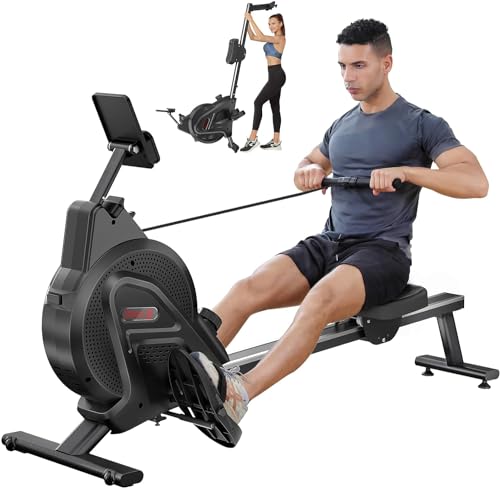
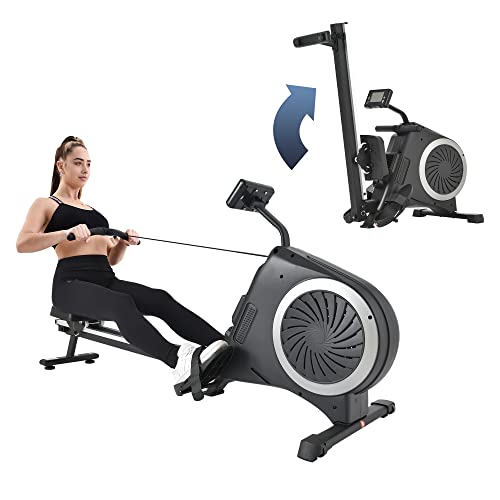
Rowing Machines
Rowing machines are indoor cardio machines designed to simulate the rowing movement for fitness, endurance and full body training. This category is ideal if you want exercise equipment for home workouts, cardio sessions, strength endurance, weight management support, gym training or low impact indoor fitness.
The right rowing machine depends on your space, fitness level, resistance preference and how often you plan to use it. A compact rower may suit occasional home workouts, while a stronger machine with smoother resistance may be better for regular training.
For guidance on choosing between different rowing machine types and quality considerations, see the Rowing Machine Buyers Guide:
What Is A Rowing Machine?
A rowing machine is a stationary fitness machine that uses a sliding seat, handle and resistance system to recreate the rowing stroke. It usually involves the legs, core, back, shoulders and arms when used with good technique.
Rowing machines are used for indoor cardio, warm ups, interval training, endurance workouts, conditioning and home gym routines. They can suit beginners, regular exercisers and people who want a workout that uses more of the body than some seated cardio machines.
How To Choose The Right Rowing Machine
Start with your training goal. If you want steady cardio and general fitness, choose a rower that feels comfortable, smooth and easy to use. If you want harder interval sessions, look for stronger resistance, stable construction and a monitor that helps you track effort.
Space is one of the most important buying factors. Rowing machines can be long, so check the full length before buying. Foldable rowers or upright storage options may be useful if you train in a spare room, garage, office or shared living space.
Comfort also matters. Look at seat movement, handle grip, footplate adjustment, strap security and rail length. A rowing machine that feels awkward for your height or leg length is unlikely to be used regularly.
Air, Magnetic Or Water Rowing Machine?
An air rowing machine uses a flywheel and airflow to create resistance. The harder you pull, the more resistance you usually feel. Air rowers can feel responsive, but they may be noisier than some other types.
A magnetic rowing machine uses magnetic resistance. These are often quieter and can suit home use, flats and shared spaces. The rowing feel may be smoother and more controlled, but it can feel different from air resistance.
A water rowing machine uses paddles moving through a water tank. It can give a more natural rowing feel and sound, but it may need more care, more space and occasional water maintenance depending on the model.
Rowing Machine Or Exercise Bike?
A rowing machine can involve more muscle groups because it uses the legs, core, back and arms. It can be a good choice if you want cardio with a stronger full body feel.
An exercise bike is seated and usually easier to use for steady lower body cardio. It may feel more comfortable for beginners or anyone who wants a simpler movement pattern.
The trade off is technique. A rowing machine can give a varied and demanding workout, but good form matters more. An exercise bike is usually easier to start with straight away.
Key Features To Compare
When comparing rowing machines, look at resistance type, rail length, maximum user weight, seat comfort, handle grip, footplate design, storage options, monitor features, noise level, frame stability and overall build quality.
A clear monitor can help you track time, distance, strokes per minute, split pace, calories and resistance, depending on the model. Treat calorie figures as estimates rather than exact measurements.
Noise level is important for home use. Air rowers can be louder, while magnetic rowers are often quieter. Water rowers have their own sound, which some users enjoy and others may find less suitable for shared spaces.
Beginner, Regular Exerciser Or Serious Training?
Beginners should look for a rowing machine that is stable, comfortable and simple to use. Short, steady sessions are usually a better starting point than hard intervals.
Regular exercisers may want smoother resistance, stronger build quality, better tracking and a machine that can cope with frequent use. Serious trainers may compare resistance feel, monitor accuracy, stroke quality, rail strength and long session comfort more closely.
The best rowing machine is not always the most expensive one. It is the one that fits your space, feels good to use and supports the training you will actually repeat.
Using A Rowing Machine Safely
Good rowing technique matters. The rowing stroke should be controlled, with the legs starting the drive, then the body and arms following. On the way back, the movement reverses with the arms, body and legs returning smoothly.
Avoid yanking the handle with the arms first or rounding the lower back under effort. Start with low resistance and build gradually while you learn the movement.
If you feel sharp back pain, chest pain, dizziness, severe breathlessness, shoulder pain or unusual discomfort, stop exercising and seek suitable medical advice. If you have medical concerns or have not exercised for a long time, get appropriate advice before starting a demanding routine.
Useful Accessories To Consider
Useful accessories can include floor protection mats, gym towels, water bottles, heart rate monitors, fitness trackers, cleaning sprays, seat pads and suitable training shoes.
A floor mat can help protect flooring and reduce movement under the machine. A towel and water bottle make longer sessions more comfortable. A heart rate monitor or fitness tracker can help you follow effort and progress over time.
Choose accessories that make the machine easier, safer and more enjoyable to use regularly.
Why Buy Rowing Machines From YPC?
At YPC, we understand active lifestyles and the need for practical equipment that fits real routines. Rowing machines should feel smooth, stable and suited to the way you actually want to train at home.
Browse the Rowing Machines range, compare the options and choose the rower that fits your space, fitness goals and workout routine.
Rowing Machines FAQs
What is a rowing machine used for?
A rowing machine is used for indoor cardio, full body fitness, warm ups, endurance training, interval workouts and home exercise routines.
Are rowing machines good for beginners?
Yes, rowing machines can be good for beginners if they start slowly, use suitable resistance and learn proper technique before increasing intensity.
What muscles does a rowing machine work?
A rowing machine can involve the legs, glutes, core, back, shoulders and arms when used with good technique.
Is a rowing machine good for cardio?
Yes, a rowing machine can provide a strong cardio workout because it uses repeated movement and can raise heart rate effectively.
Is rowing low impact?
Rowing is generally lower impact than running because there is no repeated landing impact. It can still be physically demanding, especially at higher resistance or faster pace.
What should I look for in a rowing machine?
Look at resistance type, rail length, seat comfort, handle grip, footplate adjustment, maximum user weight, storage options, monitor features, noise level and stability.
Is an air rower better than a magnetic rower?
An air rower can feel responsive and is often used for harder training, but it may be noisier. A magnetic rower is often quieter and may suit home use better.
Are water rowing machines worth buying?
Water rowing machines can offer a natural rowing feel and sound. They may be worth considering if you like that style, but check space, maintenance and storage needs.
Is a rowing machine better than an exercise bike?
A rowing machine uses more of the body and can feel more demanding. An exercise bike is usually simpler and more supported. The better choice depends on comfort and goals.
Can a rowing machine help with weight loss?
A rowing machine can support exercise and calorie expenditure, but it does not cause weight loss on its own. Diet, consistency, activity level and lifestyle all matter.
How much space does a rowing machine need?
Rowing machines can be long, so check the full dimensions before buying. Some models fold or store upright, which can help in smaller homes.
Are rowing machines noisy at home?
Some rowing machines are noisier than others. Air rowers can be louder, magnetic rowers are often quieter, and water rowers have a water movement sound.
Do I need a mat under a rowing machine?
A mat can help protect flooring, reduce movement and make the workout area easier to clean. It is useful on hard floors and shared spaces.
Can I use a rowing machine every day?
Some people row regularly, but recovery still matters. Vary session length and intensity, and stop if you feel pain or unusual discomfort.
How do I maintain a rowing machine?
Follow the product instructions, wipe it down after use, check bolts and moving parts, keep the rail clean, protect it from damp and stop using it if anything feels loose or faulty.
Getting ready for Summer? View our Home and Garden Products
Heading outdoors this winter? Take a look at our Outdoor Clothing.