
Night Vision and Optics
Night Vision and Optics includes viewing equipment that helps you see further, see more clearly or observe in low light. This category is ideal if you want binoculars, monoculars, telescopes, night vision goggles, thermal imaging cameras or other optical equipment for outdoor hobbies, wildlife watching, camping, stargazing, land observation or general exploration.
The right choice depends on what you want to see, how far away it is and whether you will be using the equipment in daylight, low light or darkness. A compact monocular may suit casual outdoor use, while binoculars, telescopes, night vision or thermal imaging equipment may be better for more specific viewing needs.
-

Binoculars and Monoculars484 Products
-
Microscopes303 Products
-
Night Vision Goggles254 Products
-
Telescopes202 Products
-
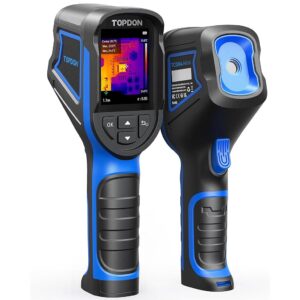
Thermal Imaging Cameras344 Products
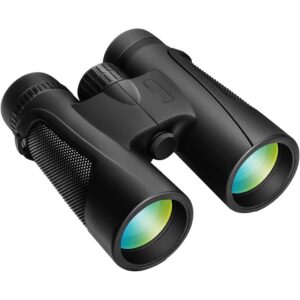
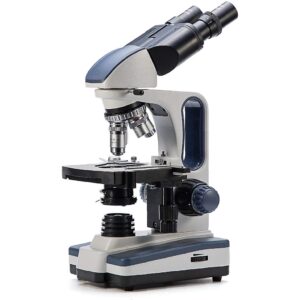
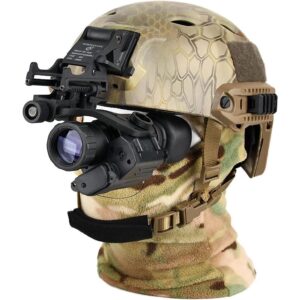
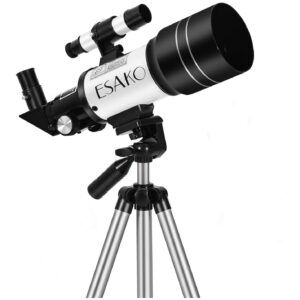
What Is Included In Night Vision And Optics?
Night Vision and Optics covers products designed to help you view distant, dark or hard to see subjects. This can include binoculars, monoculars, telescopes, night vision goggles, digital night vision devices and thermal imaging cameras.
Some products are best for daytime viewing. Others are designed for low light, night use or heat detection. Understanding the difference is important because night vision, thermal imaging and standard optics do not all work in the same way.
How To Choose The Right Night Vision Or Optical Equipment
Start with your main use. If you want to watch birds, wildlife or distant scenery during the day, binoculars or a monocular may be the most practical choice. If you want to view the moon, planets or stars, a telescope is usually more suitable.
If you need to see in low light or darkness, compare night vision and thermal imaging options carefully. Night vision usually needs some available light or infrared illumination, depending on the device. Thermal imaging detects heat differences, which can be useful when visible light is poor.
Comfort matters too. Weight, grip, eye relief, focus control, screen type, battery life and carrying size all affect how easy the product is to use. A powerful device that is heavy or awkward may be less useful than a simpler option you can actually carry and hold steady.
Binoculars, Monoculars Or Telescopes?
Binoculars are useful when you want comfortable two eye viewing, a wider view and better depth feel. They are a strong choice for wildlife, walking, camping, events, travel and general outdoor observation.
A monocular is smaller and lighter because it is used with one eye. It can be a good choice if you want something compact for a pocket, rucksack or quick outdoor viewing. The trade off is that it may feel less comfortable for long viewing sessions.
A telescope is better for astronomy, long distance viewing and more detailed observation from a fixed position. The trade off is that it usually needs more setup, steadier support and more patience than handheld optics.
Night Vision Or Thermal Imaging?
Night vision helps you see in low light by amplifying available light or using infrared illumination, depending on the device. It can be useful for night walks, wildlife watching, garden observation, camping and low light outdoor use.
Thermal imaging works differently. It detects heat differences rather than relying on normal visible light. This can make it useful for spotting warm objects, wildlife or heat patterns in darkness, smoke, light cover or poor visibility, depending on the conditions and device.
Night vision is often better when you want a more recognisable view of the scene. Thermal imaging is often better when detecting heat is more important than seeing fine visual detail. The best choice depends on whether you need identification, observation or detection.
Key Features To Compare
When comparing night vision and optics, look at magnification, objective lens size, field of view, focus distance, image quality, night performance, detection range, battery life, waterproofing claims, weight, size and mounting options.
Magnification affects how close the subject appears. Higher magnification can be useful, but it can also make the image harder to hold steady. Field of view affects how much of the scene you can see at once. A wider view can be useful for tracking movement, while higher magnification may suit more distant subjects.
For night vision and thermal devices, also compare display quality, refresh rate, recording features, infrared illumination, sensor type and battery life. For handheld optics, comfort and steadiness are just as important as headline power.
Beginner, Wildlife Watcher Or Serious Outdoor User?
Beginners should look for simple, comfortable equipment that is easy to focus and carry. A practical pair of binoculars or a compact monocular can be more useful than a complicated device with features you do not yet need.
Wildlife watchers may want a wider field of view, good low light performance, comfortable handling and equipment that is not too heavy for long sessions. Stargazers may prefer telescopes or astronomy suitable binoculars with steady support.
Serious outdoor users may need night vision, thermal imaging, stronger build quality, longer battery life or tripod compatibility. The right choice is the one that suits the environment, distance, light conditions and how often you will use it.
Using Night Vision And Optics Responsibly
Optical equipment should be used safely and respectfully. Never look directly at the Sun through binoculars, telescopes or other magnifying optics unless you have the correct specialist solar filter and know how to use it safely.
Think about privacy too. Night vision, cameras and powerful optics should not be used to look into homes, gardens, private land or places where people would reasonably expect privacy. If a device records video or images, use it responsibly and understand any privacy responsibilities that may apply.
For wildlife use, observe without disturbing animals, nesting areas or habitats. Good outdoor observation should help you see more without causing problems for people, property or nature.
Useful Accessories To Consider
Useful accessories can include carry cases, neck straps, lens cloths, tripod mounts, spare batteries, chargers, protective covers, memory cards, lens caps and weather protection.
A tripod can make higher magnification optics much easier to use. Spare batteries are useful for digital night vision and thermal imaging devices. A protective case helps keep lenses safe from dust, scratches and knocks when travelling or walking outdoors.
Choose accessories that match your exact product because mounts, batteries, cases and lens covers are not always universal.
Why Buy Night Vision And Optics From YPC?
At YPC, we have used a lot of outdoor equipment ourselves in real activity settings, so we understand why practical viewing kit matters. Optics need to be clear, comfortable and suitable for the conditions where you actually plan to use them.
Browse the Night Vision and Optics range, compare the options and choose the viewing equipment that fits your outdoor interests, light conditions and observation needs.
Night Vision And Optics FAQs
What does Night Vision and Optics include?
Night Vision and Optics can include binoculars, monoculars, telescopes, night vision goggles, digital night vision devices, thermal imaging cameras and related viewing accessories.
What is the difference between night vision and thermal imaging?
Night vision helps you see in low light by using available light or infrared illumination. Thermal imaging detects heat differences, which can help spot warm objects or animals even when visible light is poor.
Are binoculars better than monoculars?
Binoculars are usually more comfortable for longer viewing and give a more natural two eye view. Monoculars are smaller, lighter and easier to carry for quick outdoor observation.
What should I look for when buying binoculars?
Look at magnification, objective lens size, field of view, weight, focus control, comfort, waterproofing claims and whether they suit your main activity, such as wildlife watching, travel or walking.
What is a telescope best used for?
A telescope is best used for astronomy, moon viewing, planet viewing and long distance observation from a steady position. It usually needs more setup and support than handheld optics.
Is higher magnification always better?
No. Higher magnification can make distant subjects appear closer, but it can also make the image harder to hold steady and may reduce field of view. Balance magnification with comfort and usability.
Can night vision be used in complete darkness?
Some night vision devices can work in very dark conditions with infrared illumination, but performance varies by model and environment. Check the product details before buying.
Is thermal imaging useful for wildlife watching?
Thermal imaging can be useful for detecting heat signatures from animals, especially in low light or darkness. It may help you spot wildlife, but it may not show the same visual detail as normal optics.
Do night vision devices need batteries?
Most digital night vision and thermal imaging devices need batteries or charging. Battery life is important if you plan to use them outdoors for long sessions.
Can I look at the Sun through binoculars or a telescope?
No, not without the correct specialist solar filter. Looking at the Sun through magnifying optics without proper protection can cause serious eye damage.
Are night vision and optics suitable for children?
Some simple optics may suit children with supervision, depending on the product and age guidance. Children should be taught never to look at the Sun through binoculars, telescopes or any magnifying device.
What accessories are useful for night vision and optics?
Useful accessories can include carry cases, straps, tripods, lens cloths, spare batteries, chargers, memory cards, lens caps and protective covers.
 Getting ready for Summer? View our Home and Garden Products

Heading outdoors this winter? Take a look at our Outdoor Clothing.