
Men's Coats and Jackets
Men’s coats and jackets are practical outer layers designed to help with warmth, weather coverage and everyday comfort. They can be used for work, commuting, walking, camping, travel, sport, casual wear and outdoor activities, depending on the product style and features listed.
The right coat or jacket should suit the weather you expect, the layers you wear underneath and how active you are likely to be. A lightweight jacket may suit mild days, while a warmer coat may be better for colder conditions where suitable.
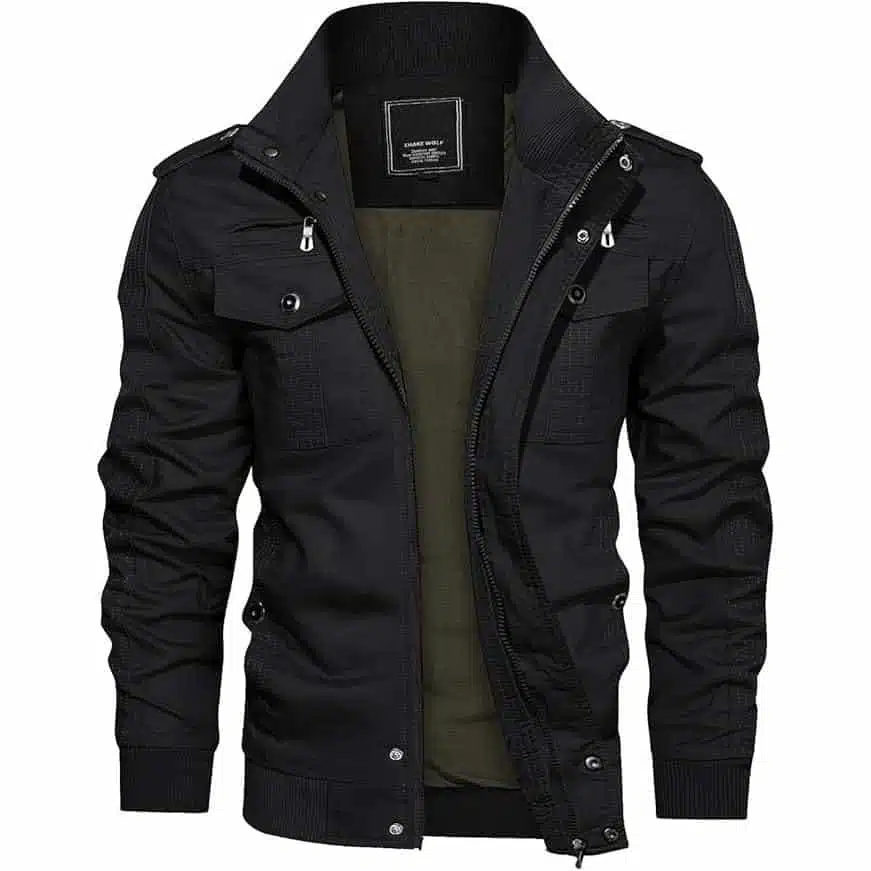
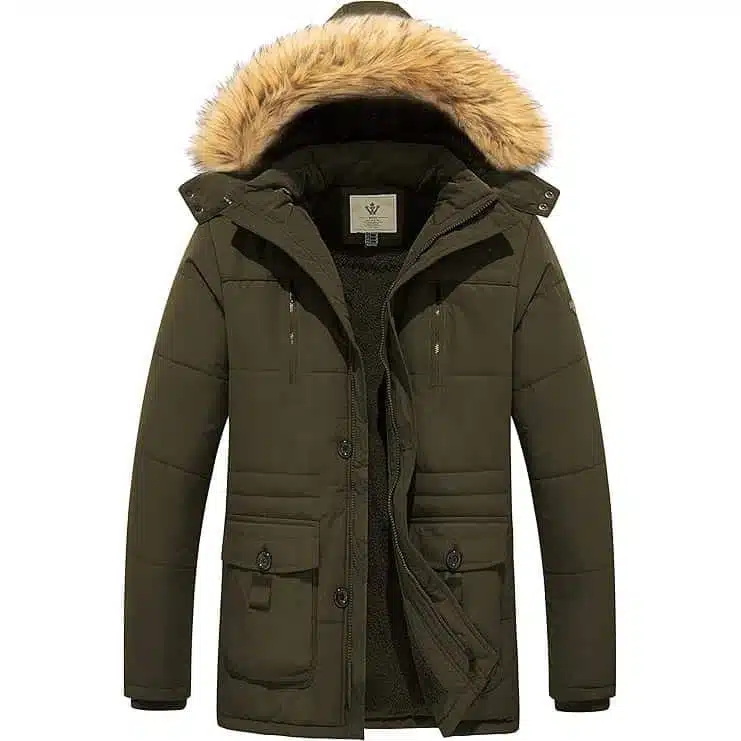
What Are Men’s Coats and Jackets?
Men’s coats and jackets are outerwear garments worn over other clothing. They can include waterproof jackets, insulated jackets, parkas, softshell jackets, windproof jackets, fleece lined jackets, walking jackets, casual coats and lightweight layers, depending on the products listed.
Some styles focus on warmth, while others are designed for rain, wind, breathability, packability or everyday comfort where stated. Because features vary widely, it is worth comparing each product carefully rather than choosing by appearance alone.
What Are Men’s Coats and Jackets Used For?
Men’s coats and jackets are used to help keep you comfortable outdoors and during daily routines. They can be worn for the school run, dog walking, commuting, travel, hiking, camping, fishing, sports sidelines, weekend errands and general casual use.
For everyday wear, comfort and easy layering are often the main priorities. For outdoor activities, weather protection, freedom of movement and practical pockets may matter more. For colder months, insulation and coverage become more important, depending on the product.
A good coat or jacket should work with your lifestyle, not against it.
How To Choose The Right Men’s Coat Or Jacket
Start by thinking about the main purpose. If you need protection from rain, compare waterproof or water resistant wording where listed. If warmth is the priority, look at insulation, lining and coverage details. If you need something for active outdoor use, breathability, weight and movement are worth checking.
Fit is also important. A jacket should allow room for a T shirt, jumper, fleece or base layer underneath where needed, without feeling too bulky or restrictive. Sleeves should allow easy arm movement, and the jacket should feel comfortable when walking, driving, carrying a bag or reaching.
Also consider the season. A lightweight jacket may be useful for spring and autumn. A warmer coat or parka may suit winter. A waterproof shell may work well over layers in wet weather, while a softshell may suit active use in cooler, breezy conditions where suitable.
Key Features To Compare
When comparing men’s coats and jackets, look at fabric, lining, insulation, hood design, pocket layout, fastening style, cuffs, hem adjustment, length, weight and care instructions.
A hood can be useful for rain and wind, but hood styles vary. Some may be fixed, adjustable or removable where listed. Pockets can be useful for keys, gloves, phone storage or keeping hands warmer, but check whether they close securely if that matters.
Cuffs and hems affect comfort. Adjustable or elasticated areas where listed can help reduce draughts and improve fit. Longer coats may provide more coverage, while shorter jackets may feel easier for active movement.
Packability can be helpful for travel, walking and changeable weather. A jacket that can be carried easily may get more use than one that feels awkward to bring along.
Men’s Coats Compared With Jackets Fleeces And Waterproofs
A coat is often chosen for warmth, coverage and colder conditions. It may be longer, heavier or more insulated than a jacket, depending on the product.
A jacket can be lighter and more versatile. It may suit everyday wear, walking, commuting or layering. Some jackets focus on wind protection, some on rain protection and some on active comfort where listed.
A fleece is usually used as a warm mid layer rather than a full weatherproof outer layer. It can be worn under a jacket for extra warmth.
A waterproof jacket is mainly chosen for wet weather where stated. Some waterproofs are lightweight shells that need warm layers underneath, while others may include insulation where listed.
The best choice depends on whether you need warmth, rain protection, wind protection, easy movement or a balance of everyday comfort.
Guidance For First Time Regular And Outdoor Focused Buyers
For first time buyers, choose a coat or jacket that suits your most common use. If you mainly need something for daily wear, comfort, fit and easy care are often more important than technical details.
Regular users should compare pocket layout, hood comfort, durability, warmth and how well the jacket works with everyday clothing. A coat worn most days needs to be practical and comfortable over time.
Outdoor focused buyers may want to look more closely at breathability, water resistance where listed, wind protection, packability and layering space. A jacket for walking or camping should allow movement and work well with other outdoor kit.
For work or travel, consider how the jacket feels when sitting, carrying a bag or moving between indoor and outdoor spaces.
Use Cases By Activity And Lifestyle
For commuting, a men’s coat or jacket should be comfortable, practical and suited to the weather. Pockets, hood style and smart casual appearance may all matter, depending on your routine.
For walking and hiking, look for freedom of movement, suitable weather protection and comfortable layering. A jacket that works with a rucksack can be useful where suitable.
For camping and outdoor trips, versatility matters. A jacket that layers well over base layers and fleeces can help you adapt to cooler mornings, breezy afternoons and damp evenings.
For casual everyday wear, choose a style that feels comfortable with jeans, trousers, hoodies or jumpers. Easy care and reliable comfort often matter most.
For colder weather, insulated coats, parkas or padded jackets where listed may be more suitable. For milder weather, lightweight or wind resistant jackets may be more practical.
For wet weather, check the product description carefully for waterproof or water resistant features where stated.
Fit Compatibility And Layering Comfort
Men’s coats and jackets should fit comfortably across the shoulders, chest and back. You should be able to raise your arms, bend, walk and sit without the jacket pulling or feeling restrictive.
If the coat will be worn over a jumper, fleece or work clothing, allow enough room for layering. A close fitting jacket may look neat, but it may not be practical if you need warmth underneath.
Check the size guide where listed. Some jackets may be designed with a relaxed fit, while others may be more fitted. If you carry a backpack, wear gloves or use outdoor accessories, consider how the cuffs, hood and shoulders will work with your kit.
Length also matters. A longer coat can offer more coverage, while a shorter jacket may feel easier for driving, cycling or active movement where suitable.
Weather Protection Warmth And Breathability
Weather protection varies by product. Waterproof, water resistant, windproof and breathable are not the same thing, so always check the wording in the product description.
Warmth depends on lining, insulation, fabric and how the jacket is layered. A lightweight waterproof shell may not be warm on its own, but it can work well over a fleece. An insulated coat may feel warmer, but it may be too much for high intensity activity.
Breathability can be useful if you walk, hike or move actively outdoors. A jacket that traps too much heat can become uncomfortable during longer activity. For mixed conditions, layering is often more flexible than relying on one heavy outer layer.
Safety Care Maintenance And Storage
Choose outerwear to suit the conditions. A jacket can help with comfort, but it should be part of sensible clothing choices, especially in cold, wet or windy weather. Hats, gloves, base layers, suitable footwear and waterproof trousers may also be needed depending on the activity.
Reflective details or brighter colours may support visibility where listed, but they should not replace proper lights, road awareness or safe outdoor habits in low light.
Follow the care label on each product. Some technical fabrics, waterproof finishes or insulated linings may need specific washing and drying methods. Avoid harsh detergents or high heat unless the care instructions allow them.
Let damp coats and jackets dry fully before storing. Store them clean and dry, and avoid leaving wet outerwear in bags, cars or storage boxes for long periods.
Useful Accessories To Consider
Useful accessories can include base layers, fleeces, waterproof trousers, gloves, hats, neck warmers, walking socks, backpacks, rucksacks and outdoor footwear. The right accessories depend on the weather and activity.
For everyday use, gloves and a practical backpack can make cold or wet days easier. For walking and camping, a layering setup with a base layer, fleece and suitable outer jacket can help you manage changing conditions.
For wet weather, waterproof trousers and suitable footwear may be worth considering where appropriate.
Why Buy Men’s Coats and Jackets From YPC?
At YPC, we understand active lifestyles and the need for practical products that work in real use. Men’s coats and jackets can vary by warmth, fit, fabric, hood style, weather protection, pocket layout and care needs, so comparing the details helps you choose with more confidence.
YPC helps you browse men’s outerwear with real use in mind, whether you are buying for commuting, walking, camping, travel, work, casual wear or everyday outdoor comfort. Explore the Men’s Coats and Jackets category to browse the available options and compare the features that matter most for your routine.
FAQs
What should I look for in a men’s coat or jacket?
Look for the right fit, warmth, weather protection, hood style, pockets, fabric and care instructions. Choose based on how and where you will use it most often.
Are men’s coats and jackets waterproof?
Some men’s coats and jackets may be waterproof where stated, while others may be water resistant, windproof or mainly designed for warmth. Always check the product description before buying for wet weather.
What is the difference between a coat and a jacket?
A coat is often longer and may be warmer or more covered, while a jacket is usually shorter and can be lighter or more versatile. Product styles vary, so compare fit and features carefully.
What jacket is best for walking?
For walking, look for comfort, freedom of movement, suitable weather protection and space for layers. Breathability, hood design and pocket layout may also be useful where listed.
Should I size up in a men’s jacket?
A little extra room can be useful if you plan to wear layers underneath. Avoid sizing up too much, as a jacket that is overly large may feel bulky and less comfortable.
What should I wear under a men’s coat?
You can wear a T shirt, shirt, jumper, hoodie, fleece or base layer under a coat, depending on the weather and fit. Layering helps you adjust to changing temperatures.
Are insulated jackets better than waterproof jackets?
They do different jobs. Insulated jackets focus on warmth, while waterproof jackets focus on rain protection where stated. Some products may offer both, but check the listing carefully.
How do I care for men’s coats and jackets?
Follow the care label on the product. Wash and dry as instructed, especially where waterproof finishes, insulation or specialist fabrics are used. Let the jacket dry fully before storing.
 Getting ready for Summer? View our Home and Garden Products

Heading outdoors this winter? Take a look at our Outdoor Clothing.