
Footwear
Footwear covers shoes designed for movement, comfort, training, sport, walking and active everyday wear. This category is ideal if you want practical shoes for gym sessions, running, walking, strength training, outdoor activities, fitness goals or general daily use.
The right footwear depends on where you will use it, how your feet move and what activity you need it for. Running shoes, gym trainers, walking shoes and weightlifting shoes are not all built for the same job, so choosing by use case is the best place to start.
What Is Included In Footwear?
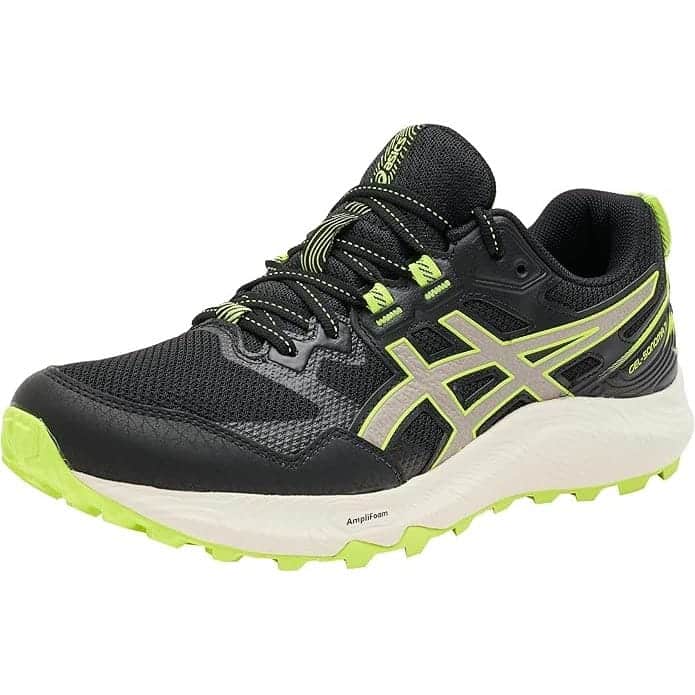
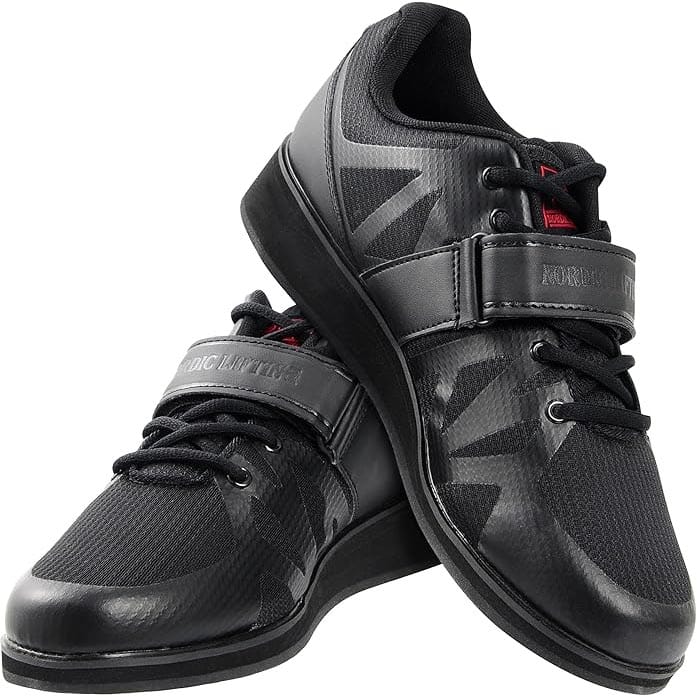
Footwear can include running shoes, gym trainers, walking shoes, weightlifting shoes, trail shoes, sports shoes, casual active shoes and other footwear designed for exercise or regular movement.
Some shoes focus on cushioning and comfort. Others focus on grip, stability, support, flexibility or performance during a specific activity. The best choice is usually the pair that fits properly, suits the surface and feels comfortable during real use.
How To Choose The Right Footwear
Start with the activity. If you run regularly, look for shoes designed for repeated forward movement and impact. If you lift weights, look for a stable base and secure grip. If you walk long distances, comfort, fit and support usually matter more than speed focused features.
Fit is one of the most important buying factors. Shoes should feel secure at the heel, comfortable across the midfoot and roomy enough around the toes. Footwear that feels slightly wrong at first can become uncomfortable quickly once you start moving.
Also think about the surface. Pavement, gym floors, grass, trails, treadmills and indoor training areas all place different demands on footwear. Grip, sole design and cushioning should match where the shoes will actually be used.
Running Shoes, Gym Trainers Or Walking Shoes?
Running shoes are usually best for running, jogging and treadmill work. They often focus on cushioning, forward movement and impact comfort.
Gym trainers are usually better for mixed workouts, classes, light lifting, circuits and general training. They often need a balance of grip, flexibility and stability.
Walking shoes are designed for comfort over longer periods. They may suit everyday activity, leisure walking, travel and people who spend a lot of time on their feet.
The best option depends on the activity you do most often. One pair can sometimes handle mixed use, but specialist footwear may be better if you train regularly.
Weightlifting Shoes And Stable Training Footwear
Weightlifting shoes are designed to create a stable base during strength training. They may be useful for squats, Olympic lifting and controlled lifting work where foot position and stability matter.
They are not usually the best choice for running, walking long distances or general all day wear. The raised heel and firm sole can help with certain lifts, but may feel too rigid for other activities.
If you do mixed gym sessions, a general training shoe may be more practical. If lifting is your main focus, a dedicated weightlifting shoe can make more sense.
Key Features To Compare
When comparing footwear, look at fit, comfort, cushioning, grip, support, sole design, stability, breathability, weight, durability, fastening style and whether the shoe suits your main activity.
Cushioning can help with impact comfort, especially for running and walking. Stability matters for lifting, gym work and controlled movement. Grip is important for outdoor surfaces, gym floors and wet conditions.
Breathability can help during warm or high intensity sessions. Durability matters if you train often, walk daily or use the shoes outdoors.
Beginner, Regular Exerciser Or Serious Trainer?
Beginners should choose footwear that feels comfortable, fits well and suits the activity they are starting with. You do not need the most technical shoe straight away if your main goal is to move more often.
Regular exercisers may benefit from footwear chosen around specific activities, such as running, gym training, walking or lifting. Serious trainers may want different shoes for different sessions rather than relying on one pair for everything.
The best footwear is not always the most expensive pair. It is the pair that supports your activity, feels right on your feet and encourages you to keep moving.
Using Footwear Sensibly
Footwear should feel comfortable and secure during movement. If shoes rub, slip, pinch, feel unstable or cause discomfort, they may not be the right fit or style for that activity.
Replace footwear when the soles are worn, cushioning feels flat, grip is poor or the shoes no longer feel supportive. Worn shoes can affect comfort and stability, especially during regular exercise.
If you have foot pain, injury concerns, mobility issues or specific medical needs, seek suitable professional advice before choosing specialist footwear or starting a demanding training routine.
Useful Footwear Accessories To Consider
Useful accessories can include sports socks, insoles, shoe bags, laces, cleaning brushes, waterproofing sprays, odour control products and storage solutions.
Good socks can make a noticeable difference to comfort, especially for running, walking and gym training. Insoles may help some users improve comfort, but they should suit the shoe and your own foot needs.
Cleaning and storing footwear properly can also help it last longer, especially if you use it outdoors, in wet conditions or for regular training.
Why Buy Footwear From YPC?
At YPC, we have used a lot of outdoor and activity equipment ourselves in real world settings, so we understand why practical footwear matters. Shoes need to be comfortable, useful and suitable for the way you actually move.
Browse the Footwear range, compare the options and choose the shoes that fit your training, walking, sport or everyday activity needs.
Footwear FAQs
What type of footwear is best for exercise?
The best footwear for exercise depends on the activity. Running shoes suit running, gym trainers suit mixed workouts, walking shoes suit longer daily movement and weightlifting shoes suit strength training.
Can I use running shoes for the gym?
Running shoes can work for treadmill running and light gym use, but they may not be ideal for heavy lifting or exercises that need a very stable base.
What should I look for in walking shoes?
Look for comfort, fit, cushioning, grip, support, durability and enough room around the toes. Walking shoes should feel comfortable for the distance and surface you use most often.
Are weightlifting shoes worth buying?
Weightlifting shoes can be worth buying if you regularly lift and need a stable base for exercises such as squats or Olympic lifts. They are not usually needed for casual exercise.
How should training shoes fit?
Training shoes should feel secure at the heel, comfortable through the middle and roomy enough at the toes. They should not rub, slip, pinch or feel unstable during movement.
Are expensive trainers always better?
No. Expensive trainers may offer advanced materials or features, but the best pair is the one that fits properly and suits your activity, surface and comfort needs.
What is the difference between gym trainers and running shoes?
Gym trainers are usually designed for mixed movement, grip and stability. Running shoes are designed mainly for repeated forward movement and impact cushioning.
Do I need different shoes for different activities?
You may need different shoes if you train regularly across different activities. Running, lifting, walking and trail use can all benefit from footwear designed for that purpose.
When should I replace exercise footwear?
Replace footwear when the soles are worn, grip is reduced, cushioning feels flat, support feels poor or the shoes become uncomfortable during normal use.
Are trail shoes suitable for everyday walking?
Trail shoes can suit rougher paths, grass and uneven ground, but they may feel less comfortable on smooth pavements than walking shoes or everyday trainers.
Can footwear help prevent injury?
Suitable footwear can support comfort, grip and stability, but it cannot guarantee injury prevention. Training load, technique, surface, strength, recovery and individual needs all matter.
What accessories are useful with footwear?
Useful accessories can include sports socks, insoles, spare laces, shoe bags, cleaning brushes, waterproofing sprays and odour control products.
 Getting ready for Summer? View our Home and Garden Products

Heading outdoors this winter? Take a look at our Outdoor Clothing.