
Sunglasses
Sunglasses are designed to make bright days more comfortable by helping reduce glare and shielding the eyes from direct sunlight, depending on the lens type and product features. Whether you need sunglasses for driving, walking, holidays, sport, gardening, cycling, fishing or everyday wear, the right pair can make outdoor time feel easier on the eyes.
This category can include casual sunglasses, sports sunglasses, polarised sunglasses, fashion sunglasses, wraparound styles, mirrored lenses, tinted lenses and lightweight frames, depending on the products listed. Features vary by item, so always check the product details for lens type, UV protection where listed, fit, frame material, lens category and care guidance before choosing.
-

Burberry Sunglasses92 Products
-
Calvin Klein Sunglasses201 Products
-
Carrera Sunglasses360 Products
-
Dita Sunglasses64 Products
-
Dolce & Gabbana Sunglasses111 Products
-
Gucci Sunglasses126 Products
-
Hugo Boss Sunglasses225 Products
-
Karl Lagerfeld Sunglasses170 Products
-
Lacoste Sunglasses258 Products
-
Maui Jim Sunglasses294 Products
-
Michael Kors Sunglasses144 Products
-
O'Neil Sunglasses235 Products
-
Oakley Sunglasses392 Products
-
Persol Sunglasses101 Products
-
Prada Sunglasses193 Products
-
Ralph Lauren Sunglasses44 Products
-
Ray-Ban Sunglasses260 Products
-
Sunglasses £20 to £4096 Products
-
Sunglasses Over £4045 Products
-
Sunglasses Under £20249 Products
-
Superdry Sunglasses206 Products
-
Tom Ford Sunglasses111 Products
-
Tommy Hilfiger Sunglasses197 Products
-
Versace Sunglasses188 Products


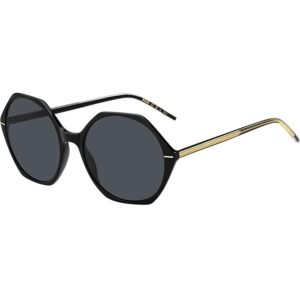


What Are Sunglasses?
Sunglasses are eyewear with tinted or treated lenses designed to reduce brightness and improve comfort in sunny or bright conditions. They are worn outdoors for everyday use, leisure, travel and sport.
Different sunglasses can feel very different in use. Some are made mainly for style, while others are designed for sport, driving, water glare, general outdoor comfort or more secure movement where listed. The frame shape, lens colour, lens darkness and fit can all affect how practical they feel.
What Are Sunglasses Used For?
Sunglasses are used for bright weather, outdoor activities, holidays, driving, walking, cycling, running, fishing, beach days, gardening, spectating sport and general day to day wear. They help reduce squinting and make it more comfortable to look around in strong light.
For driving, the right lens darkness and glare control can be important, but sunglasses should still allow safe vision of the road, signs and traffic signals. For sport, fit and grip may matter more. For holidays, lightweight comfort and easy storage can be useful. For water, snow or open spaces, glare reduction may be especially important where suitable.
How To Choose The Right Sunglasses
Start by thinking about where you will wear them most. Everyday sunglasses may focus on comfort and style, while sports sunglasses may need a closer, more secure fit. Driving sunglasses may need lenses that reduce brightness without making the view too dark.
Next, check the lens information. Look for UV protection details where listed, and compare lens tint, darkness, polarisation and suitability for your activity. Do not assume every pair has the same level of protection or the same use guidance.
Fit is also important. Sunglasses should sit comfortably on the nose and ears without slipping, pinching or feeling too loose. If you will wear them for sport or long days outside, comfort becomes even more important.
Key Features To Compare
Lens type is one of the most useful features to compare. Some sunglasses may include polarised lenses where listed, which can help reduce certain types of glare, especially from water, roads or flat bright surfaces. Other lenses may be tinted, mirrored or gradient, depending on the product.
Frame shape also matters. Larger frames may give more coverage, while smaller frames may feel lighter and more discreet. Wraparound styles may offer a closer fit and more side coverage where suitable.
Lens colour can affect how the world looks through the sunglasses. Grey, brown, green, amber and other tints may feel different in brightness, contrast and colour perception. Choose based on comfort, activity and listed guidance.
Other useful features to compare include frame weight, nose pads, arm grip, hinge design, lens category, case included where listed, prescription compatibility where stated and whether the sunglasses are intended for sport, driving, casual wear or outdoor activity.
Sunglasses Compared With Sports Glasses
Casual sunglasses are usually chosen for everyday wear, style and general comfort in bright conditions. They may work well for walking, holidays, driving and relaxed outdoor use, depending on the lens and fit.
Sports glasses are often designed to stay in place during movement. They may have wraparound frames, grippy nose pads, lightweight construction or more secure arms where listed. This can make them more practical for cycling, running, hiking or other active use.
The main trade off is relaxed style versus secure performance. Casual sunglasses may be more versatile for everyday outfits, while sports sunglasses may be better when movement, coverage and stability matter most.
Polarised Sunglasses Compared With Standard Sunglasses
Polarised sunglasses include a lens treatment designed to reduce certain glare from reflective surfaces where listed. They can be useful near water, wet roads, snow, glass, sand or bright open spaces.
Standard sunglasses may still reduce brightness, but they may not reduce reflected glare in the same way. Some people prefer polarised lenses for driving or fishing, while others prefer standard lenses for screens or certain activities where polarisation may affect visibility.
The main choice is brightness reduction versus glare control. If glare is your main problem, polarised sunglasses may be worth comparing where listed. If you mainly want general shade and style, standard sunglasses may be suitable.
Guidance For Casual Wear, Regular Outdoor Use And Active Sport
For casual wear, choose sunglasses that feel comfortable, suit your face shape and work with your usual clothing. Style matters, but fit and lens comfort still count.
For regular outdoor use, compare coverage, lens tint, frame weight and storage options more carefully. If you wear sunglasses often, small details such as nose comfort, arm pressure and cleaning ease become more noticeable.
For active sport, look for a secure fit, good coverage and a frame that stays comfortable during movement where listed. Sunglasses that slip, bounce or fog can become distracting, so practical fit should come before appearance.
Use Cases By Activity And Lifestyle
For driving, sunglasses should reduce brightness while allowing clear, safe vision. Check lens category and product guidance carefully, especially if lenses are very dark.
For walking and hiking, lightweight sunglasses with comfortable coverage can help on open paths, hills, woodland edges and bright countryside routes.
For cycling and running, secure fit and side coverage may be useful where listed. Wraparound or sports styles can help reduce movement during activity.
For fishing and waterside use, polarised lenses may be useful where listed because glare from water can be tiring on the eyes.
For holidays and travel, sunglasses should be comfortable enough for long days and easy to store safely when not in use.
For everyday fashion, frame style, colour and lens appearance may be the main deciding points, while still checking comfort and lens details.
Fit, Comfort And Face Shape
Sunglasses should sit securely without pressing too hard on the nose, temples or behind the ears. They should not slide down easily when you look down or move around.
Frame width matters. Sunglasses that are too narrow may pinch, while frames that are too wide may slip or feel unstable. The arms should sit comfortably and the lenses should give enough coverage for your needs.
Face shape can influence style preference. Some people prefer square frames, while others prefer round, oval, aviator, rectangular or wraparound styles. The most practical choice is one that feels comfortable and gives the coverage you need.
Compatibility With Clothing, Helmets And Outdoor Kit
Sunglasses should work with the activities and kit you use. If you wear a cycling helmet, cap, hat, ear defenders or headset, check that the arms sit comfortably and do not create pressure.
For driving, sunglasses should not interfere with your view, mirrors or dashboard visibility. For sport, they should stay secure without needing constant adjustment.
If you already use prescription eyewear, check whether the sunglasses are prescription compatible where listed, or consider suitable prescription sunglasses separately.
Safety And Practical Considerations
Sunglasses should be suitable for the activity and conditions. Very dark lenses may not be suitable for driving or low light use unless the product guidance says they are appropriate.
Do not use ordinary sunglasses to look directly at the sun. They are also not suitable for welding, sunbeds, eclipse viewing or other specialist eye protection needs unless clearly designed and listed for that purpose.
For children, choose sunglasses that fit properly and are suitable for the child’s age and use where listed. Poor fit can make sunglasses uncomfortable and less likely to be worn.
Care, Cleaning And Maintenance
Always follow the care guidance for the sunglasses. Clean lenses with a suitable cloth and avoid rough materials that may scratch the surface.
Rinse or wipe away dust, sand or grit carefully before polishing the lenses. Avoid leaving sunglasses loose in bags, pockets or car compartments where they can be scratched or bent.
Check hinges, nose pads, arms and lenses from time to time. If sunglasses become cracked, badly scratched, loose or uncomfortable, they may need replacing.
Storage Tips For Sunglasses
Store sunglasses in a protective case or soft pouch where available. This helps reduce scratches and damage when they are not being worn.
Avoid placing sunglasses lens side down on hard surfaces. Do not leave them where they may be sat on, stepped on or crushed under other items.
In cars, avoid leaving sunglasses in extreme heat where possible, as heat may affect some frames, coatings or fittings depending on the product.
Useful Accessories To Consider
Useful accessories may include sunglasses cases, lens cloths, retaining straps, sports cords, cleaning sprays where suitable, hats, caps, neck warmers, outdoor clothing and travel bags.
For active use, a retaining strap may help keep sunglasses secure where compatible. For travel, a hard case can make storage safer in luggage or backpacks.
Why Buy From YPC?
At YPC, we understand active lifestyles and the need for practical products that work in real use. Sunglasses can vary by lens type, frame shape, fit, coverage, tint, polarisation, activity suitability and care needs, so it helps to compare the details carefully before choosing.
YPC makes it easier to browse sunglasses in a practical way, with options that can be compared by listed features, intended use and personal style. Whether you are buying for driving, holidays, sport, walking, fishing or everyday wear, you can browse and compare sunglasses at YPC to find suitable options for your needs.
FAQs
What should I look for when buying sunglasses?
Look for a comfortable fit, suitable lens type, good coverage, frame style, activity suitability and UV protection details where listed. Choose based on how and where you plan to wear them.
Are polarised sunglasses better?
Polarised sunglasses can be useful where listed because they may reduce glare from reflective surfaces such as water, wet roads or glass. Standard sunglasses may still be suitable for general brightness and everyday wear.
Can I wear sunglasses for driving?
Many sunglasses may be suitable for driving, depending on lens darkness and product guidance. Avoid lenses that are too dark for safe road use and always make sure you can see clearly.
What lens colour is best for sunglasses?
The best lens colour depends on comfort and use. Grey, brown, green, amber and other tints can all feel different, so check the listed lens details and choose what suits your activity.
Are sports sunglasses different from normal sunglasses?
Sports sunglasses often have a more secure fit, more coverage and movement friendly designs where listed. Normal sunglasses may focus more on everyday comfort and style.
Do sunglasses protect against UV?
Some sunglasses include UV protection where listed, but you should check the product details carefully. Do not assume every pair offers the same level of protection.
How should sunglasses fit?
They should sit securely without pinching the nose or temples. They should not slide down easily, feel too tight or leave uncomfortable pressure behind the ears.
How do I clean sunglasses?
Use a suitable lens cloth and follow the product care guidance. Avoid rough fabrics, dry grit or harsh cleaners unless the instructions say they are suitable.
 Getting ready for Summer? View our Home and Garden Products

Heading outdoors this winter? Take a look at our Outdoor Clothing.