
Supplements and Vitamins
Supplements and Vitamins are used to add specific nutrients, ingredients or convenient nutrition products to a daily routine. Whether you are buying for general wellbeing, sport, busy family life, travel, training support or dietary preferences, the right product should be chosen carefully based on the label, ingredients and your personal needs.
This category includes supplements and vitamins in different formats, strengths and ingredient types. Depending on the product, you may find multivitamins, single vitamin supplements, minerals, protein products, sports nutrition, gummies, tablets, capsules, powders, liquids and specialist formulas where listed.
-

Herbal Supplements233 Products
-
Immune Support Supplements260 Products
-
Mineral Supplements127 Products
-
Multivitamins292 Products
-
Single Vitamins415 Products
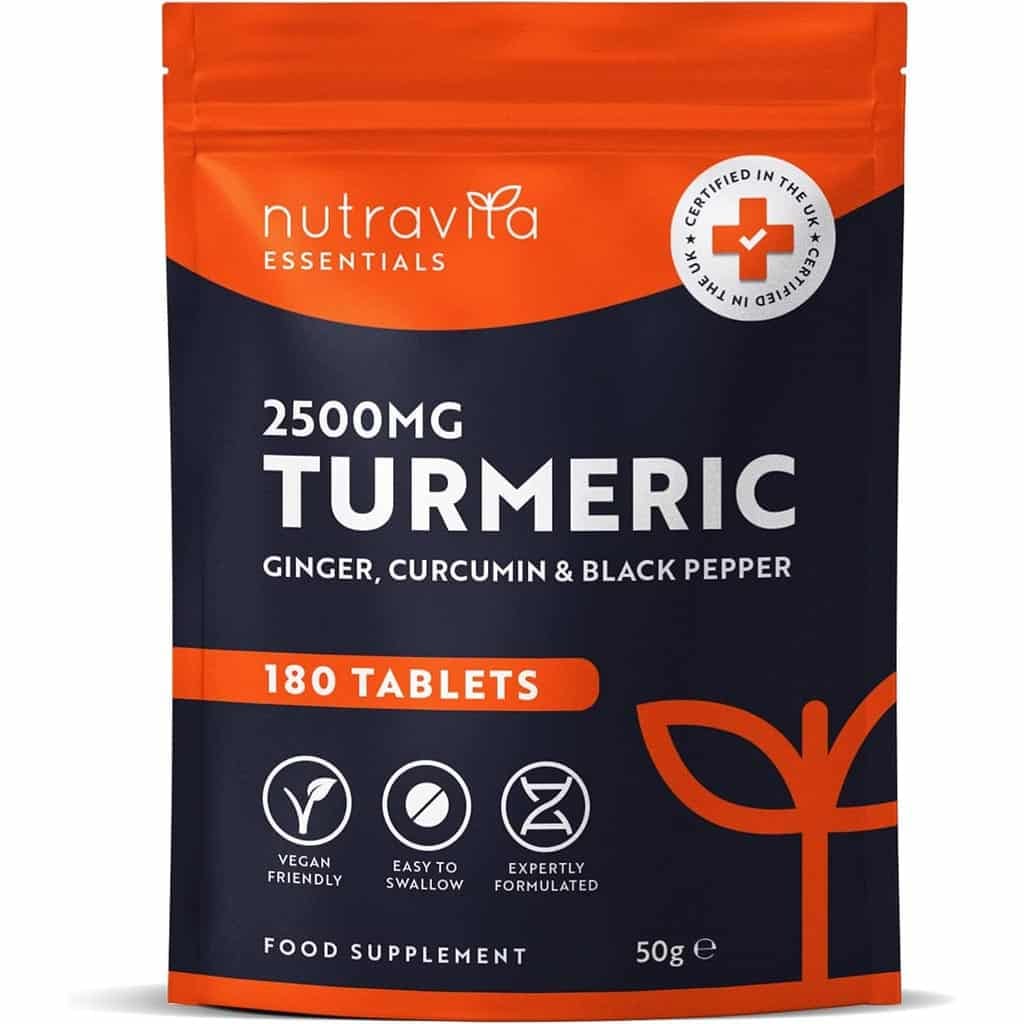
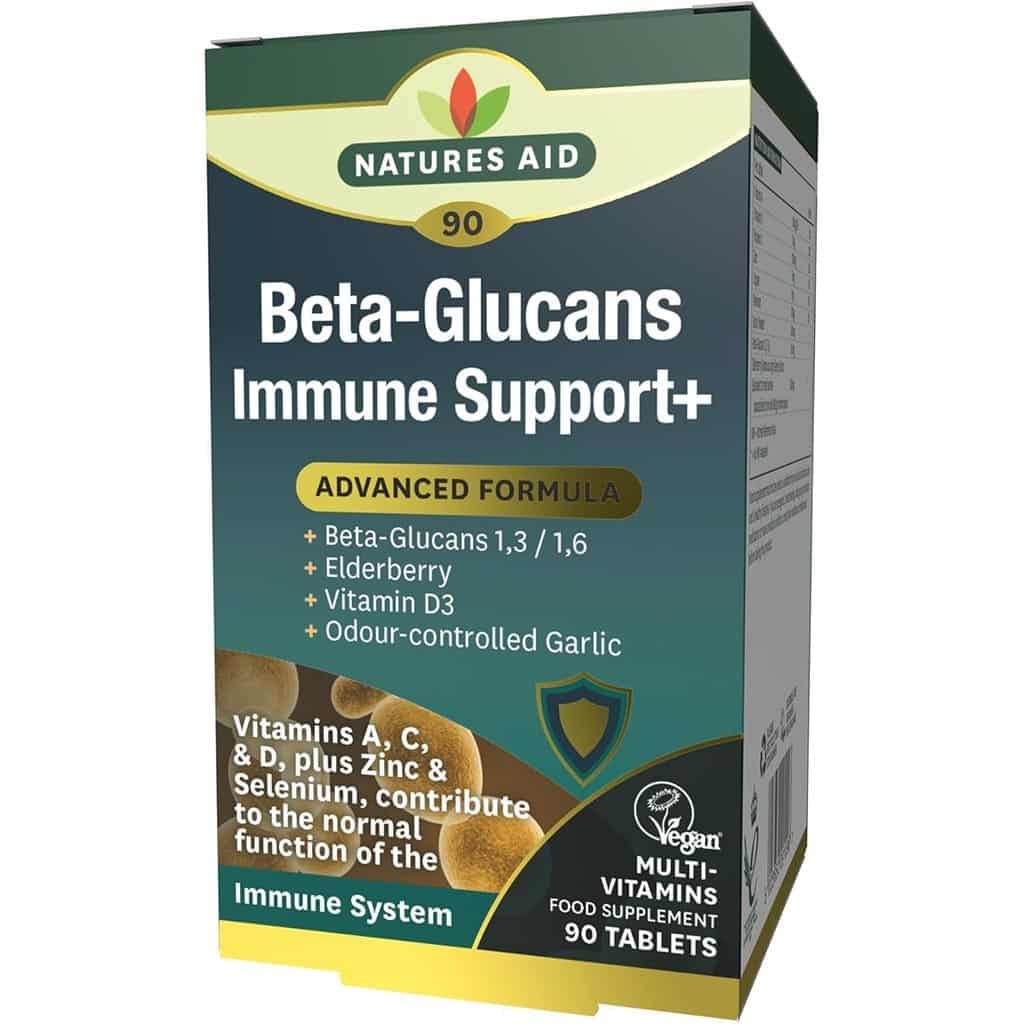
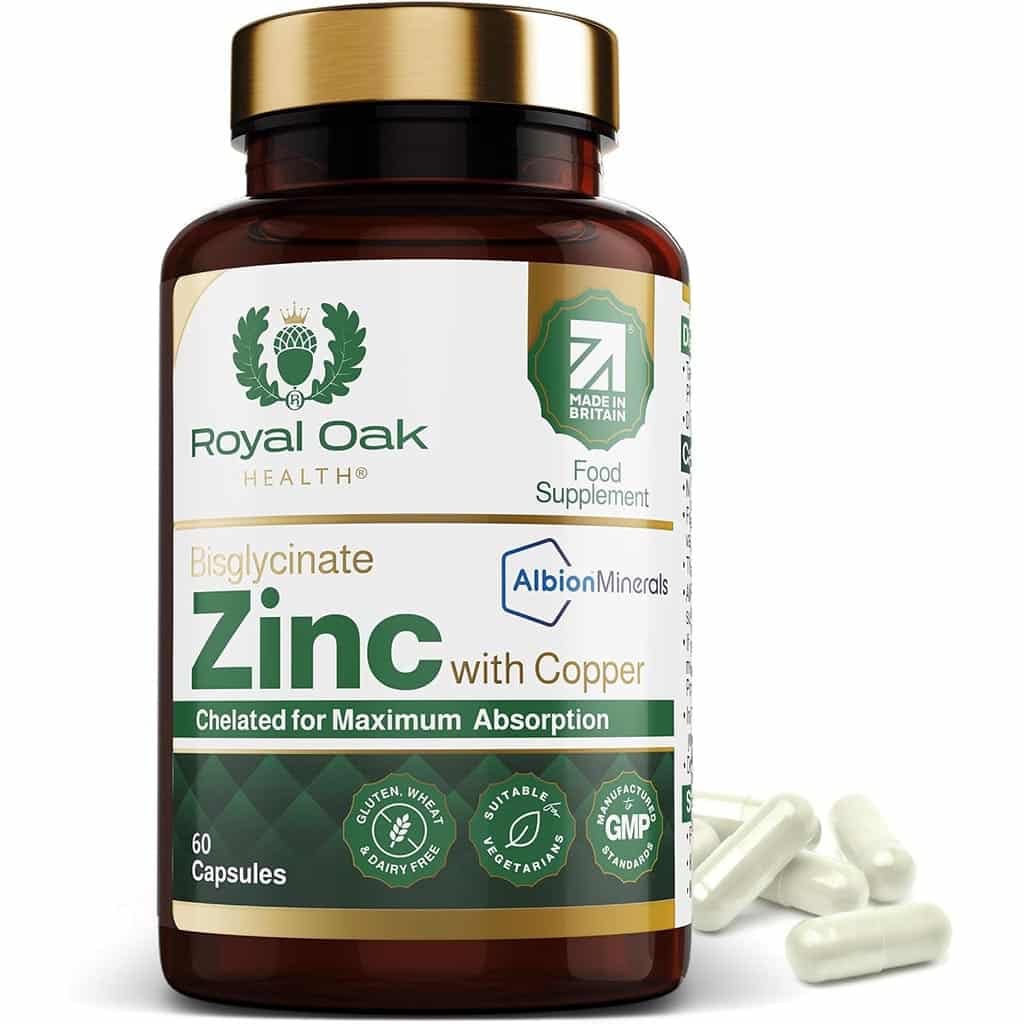

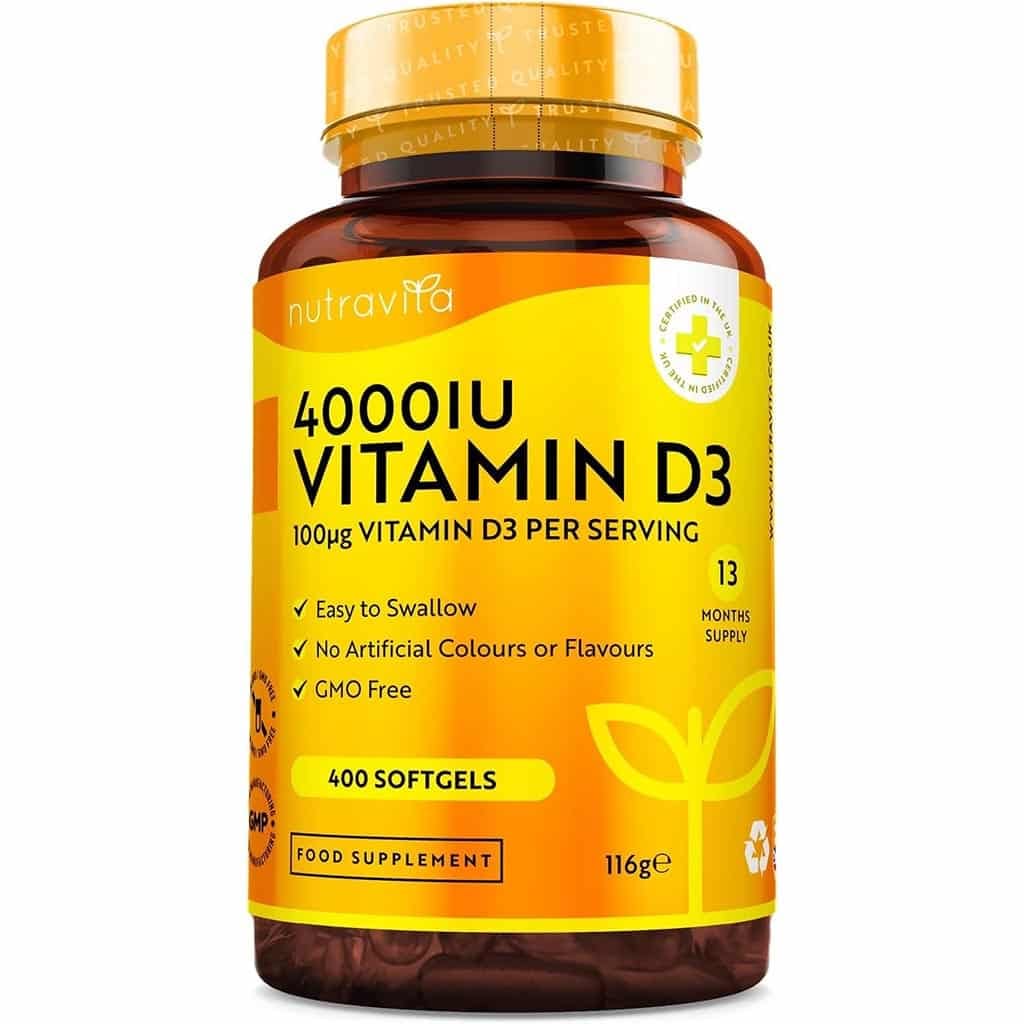
What Are Supplements and Vitamins?
Supplements and vitamins are products designed to add nutrients or other listed ingredients to your normal diet. They may be used to help top up intake where suitable, support a specific routine or provide a more convenient format for certain nutrients.
They are not a replacement for a balanced diet, varied meals or professional medical advice. Ingredients, dosage, suitability and intended use can vary widely, so it is important to read the product label and follow the supplied guidance.
What Supplements and Vitamins Are Used For
Supplements and vitamins can be used as part of everyday nutrition routines, active lifestyles, gym plans, travel packing, family organisation and dietary support where suitable. Some people use them when they have a known dietary gap, while others choose products that fit a particular lifestyle or training routine.
For example, a multivitamin may be chosen for general daily convenience, while a protein powder may be used after training where suitable. A mineral supplement, vitamin D product or electrolyte formula should always be checked carefully against personal needs, label guidance and any relevant professional advice.
The key point is suitability. A product should match the person using it, not just the category name.
How To Choose The Right Supplement Or Vitamin
Start with the reason for buying. Are you looking for a daily multivitamin, a specific vitamin, a sports nutrition product, a mineral supplement or a convenient powder or drink? Knowing the purpose makes comparison much easier.
Next, check the label. Look at ingredients, serving size, dosage instructions, allergens, age suitability, warnings, storage guidance and any dietary suitability information where listed.
Finally, consider your own circumstances. If you are pregnant, breastfeeding, under 18, taking medication, managing a health condition or unsure whether a supplement is suitable, seek appropriate professional guidance before use.
Key Features To Compare
Ingredient type is one of the first features to compare. Some products contain one main nutrient, while others include blends of vitamins, minerals, botanicals, amino acids, protein, fibre or other listed ingredients.
Format also matters. Tablets and capsules can be simple and compact, gummies may feel easier for some users, powders can be mixed into drinks, and liquids may suit people who prefer not to swallow tablets where suitable.
Serving size should always be checked. Some products require one serving per day, while others may have different instructions where listed. More is not automatically better, and label guidance should be followed.
Dietary suitability is another important factor. Check for vegetarian, vegan, gluten free, lactose free, halal, kosher or other suitability claims only where clearly listed. Also check allergens carefully.
Flavour, texture, sweetness, caffeine content, calories, sugar, pack size and cost per serving may also affect which product is most practical for regular use.
Supplements Compared With A Balanced Diet
A balanced diet provides nutrients through normal food and drink. For many people, this should remain the foundation of everyday nutrition.
Supplements and vitamins are used to add specific nutrients or ingredients where suitable, but they should not be treated as a shortcut for poor diet, lack of sleep or unrealistic health goals.
The trade off is convenience. Supplements can be easy to use, but food provides wider nutrition, fibre and variety. The most sensible approach is to choose supplements thoughtfully and use them as part of an overall routine.
Multivitamins Compared With Single Nutrient Supplements
Multivitamins usually include a range of vitamins and minerals in one product where listed. They can be convenient for people who want a broad daily option.
Single nutrient supplements focus on one vitamin, mineral or ingredient. They may be more suitable where someone has a specific need or has been advised to use a particular nutrient.
The right choice depends on the reason for use. A broad formula may be convenient, but a single nutrient product may be more targeted. Always check the label and avoid doubling up on the same nutrient across multiple products without appropriate guidance.
Tablets Capsules Gummies Powders And Liquids
Tablets are compact and easy to store, but some people may find them harder to swallow depending on size and coating.
Capsules may feel easier for some users and can contain powders, oils or blended ingredients depending on the product.
Gummies can be more pleasant for people who dislike tablets, but they may contain sugar, sweeteners or flavourings where listed.
Powders can be mixed with water, milk or other suitable liquids depending on instructions. They can be useful for protein, electrolytes or drink formulas.
Liquids may suit people who prefer measured servings or easier swallowing, but storage and serving instructions should be checked carefully.
Beginner Regular User And Experienced Buyer Guidance
Beginners should start with simple products, clear labels and a realistic reason for use. Avoid complex blends if you do not understand the ingredients or whether they suit your routine.
Regular users may want to compare dosage, ingredient quality indicators where listed, serving cost, storage needs and how easily the product fits into daily life.
Experienced buyers often compare nutrient forms, serving amounts, allergens, sweeteners, caffeine content, third party testing where listed, dietary suitability and how products overlap with others they already use.
Use Cases By Lifestyle
For general daily routines, multivitamins or single nutrient products may be considered where suitable and clearly labelled.
For active lifestyles, protein powders, electrolyte products or sports nutrition formulas may be useful depending on training, diet and product details.
For travel, compact tablets, sachets or gummies may be practical where suitable. Always keep products in labelled packaging so instructions remain clear.
For busy families, clearly organised supplements can help avoid confusion, but products should be chosen by age suitability and label guidance.
For plant based diets, some buyers may compare vegan suitable vitamins, minerals or protein products where listed. Suitability should always be checked on the product label.
For older adults, medication interactions and health considerations can be more important, so professional guidance may be appropriate before choosing supplements.
Ingredients Nutrition And Label Checks
The product label is the most important place to check before buying. Look at active ingredients, serving size, daily amount, warnings, allergens, sweeteners, caffeine, calories, sugar and storage guidance where listed.
Be careful with blends. Some products include many ingredients, and it may not always be obvious how they fit with other supplements, medicines or dietary needs.
If you already take other supplements, compare ingredients to avoid taking the same nutrient from several products unless advised. This is especially important with fat soluble vitamins, minerals and high strength formulas.
Only rely on claims that are clearly shown on the product listing or packaging. Avoid assuming benefits that are not stated.
Allergens Dietary Needs And Suitability
Allergen checks are essential. Supplements and vitamins may contain or be made around ingredients such as milk, soya, gluten, nuts, fish, shellfish or other allergens depending on the product.
Dietary suitability can vary widely. A product is not automatically vegan, vegetarian, gluten free or lactose free unless clearly listed.
Some products may not be suitable for children, pregnant people, breastfeeding people, people taking medication or people with certain health conditions. Always read warnings and seek advice where needed.
If buying for someone else, check their dietary needs and preferences before choosing.
Strength Dosage And Serving Size
Strength and dosage should be compared carefully. Two products with similar names may contain different amounts of the same nutrient or ingredient.
Always follow the serving instructions on the label. Taking more than instructed does not mean better results and may be unsuitable.
Some products are designed for daily use, while others may be intended for specific situations or routines where listed. Check whether the serving is one tablet, several capsules, a scoop, a sachet or a measured liquid amount.
If you are unsure about strength or dosage, ask a qualified professional rather than guessing.
Safety And Practical Considerations
Supplements and vitamins should be used responsibly. They are not intended to diagnose, treat, cure or prevent disease, and they should not replace medical advice or prescribed treatment.
If you have a health condition, take medication, are pregnant, breastfeeding, planning surgery or buying for a child, check suitability carefully and seek appropriate professional guidance.
Keep supplements out of reach of children and pets. Gummies, flavoured powders and chewable products can look appealing, so safe storage matters.
Stop using a product and seek advice if you experience an unexpected reaction or if the product looks, smells or tastes unusual.
Storage Preparation And Daily Routine
Store supplements according to the product instructions. Many should be kept sealed, dry and away from heat, damp or direct sunlight where listed.
Powders should be prepared with clean utensils, shakers or bottles. Close tubs and pouches properly after use to help keep the contents dry.
Liquids and ready to drink products may have specific storage guidance after opening, including refrigeration where listed.
A consistent routine can help products be used correctly. Keep them somewhere safe, visible and separate from medicines or other household items where appropriate.
Care Cleaning And Hygiene
Hygiene matters with powders, drinks and scoop based products. Use a clean scoop, shaker or spoon each time, and wash bottles or shakers thoroughly after use.
Do not leave mixed drinks in warm bags or cars for long periods. Prepared drinks should be used according to product guidance.
Check dates before use and avoid using products that are past their use by or best before guidance where relevant.
If a product seal is broken before first use, or the packaging appears damaged, check the seller and product guidance before consuming it.
Useful Accessories To Consider
Useful accessories for supplements and vitamins may include shaker bottles, pill organisers, water bottles, measuring spoons, storage containers, lunch boxes, cool bags and gym bags.
For sports nutrition, a shaker bottle can make powders easier to prepare. For daily tablets, a clearly labelled organiser may help some adults manage routines, but it should be kept safely away from children.
For travel, keeping products in their original labelled packaging can help preserve instructions, ingredients and warnings.
Why Buy From YPC?
At YPC, we understand active lifestyles and the need for practical products that work in real use. Supplements and vitamins should be chosen for ingredients, suitability, label information, format, serving guidance and how they fit into a real daily routine.
YPC brings together a wide range of lifestyle, fitness and nutrition products so you can compare available supplements and vitamins by format, ingredient type, pack size, flavour, dietary suitability and practical use. Browse the Supplements and Vitamins category to compare the range and choose products that suit your routine responsibly.
FAQs
What are supplements and vitamins used for?
Supplements and vitamins are used to add specific nutrients or ingredients to a normal diet where suitable. They may be used as part of everyday routines, sport, travel or dietary support depending on the product.
Are supplements a replacement for a balanced diet?
No. Supplements should not replace a varied and balanced diet. They are usually intended to add to normal nutrition where suitable, not to replace meals or healthy eating habits.
How do I choose the right vitamin supplement?
Start by identifying why you want it, then check the ingredients, strength, serving size, warnings, allergens and suitability information. Seek professional guidance if you are unsure.
Are multivitamins better than single vitamins?
Not always. Multivitamins can be convenient, while single vitamins are more targeted. The right choice depends on your diet, needs and any advice you have been given.
Should I check with a doctor before taking supplements?
You should seek professional guidance if you are pregnant, breastfeeding, under 18, taking medication, managing a health condition or unsure whether a product is suitable.
Can supplements contain allergens?
Yes, some supplements may contain allergens such as milk, soya, gluten, nuts, fish or shellfish depending on the product. Always check the ingredients and allergen information before use.
What format is best for supplements?
The best format depends on preference and routine. Tablets, capsules, gummies, powders and liquids can all be suitable depending on the product, serving guidance and how easy you find them to use.
How should supplements and vitamins be stored?
Store them according to the product instructions, usually sealed, dry and away from heat, damp and direct sunlight where listed. Keep all supplements safely out of reach of children and pets.
 Getting ready for Summer? View our Home and Garden Products

Heading outdoors this winter? Take a look at our Outdoor Clothing.