
Climbing Frames
Climbing Frames: Fun, Safe & Engaging Outdoor Play for Kids
Encourage active outdoor play with a climbing frame, the perfect way to keep children entertained while promoting physical development, coordination, and confidence. Whether you have a small garden or a large outdoor space, a climbing frame provides hours of fun while ensuring safety and durability. With options from wooden adventure sets to metal climbing domes, there’s a perfect climbing frame for every family.
Since 1988, we’ve been supplying high-quality, safe, and durable climbing frames, helping families create exciting and engaging outdoor play areas for children of all ages.
- Climbing Frames
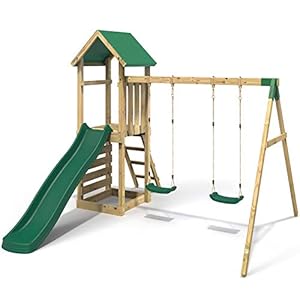
Rebo Adventure Playset Wooden Climbing Frame, Swing Set and Slide
£389.99 View On Amazon - Climbing Frames
Dunster House Climbing Frame with Double Swing, High Platform & Slide BalconyFort
£474.99 View On Amazon - Climbing Frames
TP Toys Explorer Metal Climbing Frame Set and Ripple Slide – Black Edition – Adventure Playmat, Climbing Ladder, Sandpit and Ripple Slide. Roll Up Door. Round Viewing Window. Aged 3-12 Years
Original price was: £359.99.£234.99Current price is: £234.99. *View On Amazon* - Climbing Frames
BIG KRAXXL The Frame climbing frame, garden fun for kids. For Children 3+ yrs. Holds 100kg. Easy assemble. Great for physical activity and motor skills. 185cm high and multiple combinations possible.
Original price was: £329.99.£264.99Current price is: £264.99. *View On Amazon*



Why Choose a Climbing Frame?
🏃 Encourages Active Play
- Improves strength, balance & coordination through climbing, swinging & sliding.
- Keeps kids entertained while reducing screen time.
🏃 Safe & Child-Friendly Designs
- Non-slip steps, rounded edges & sturdy construction for added safety.
- Age-appropriate designs for toddlers, young children & older kids.
🏃 Durable & Weather-Resistant
- Wooden & metal climbing frames designed for year-round outdoor use.
- Weatherproof coatings protect against rain, sun & rust.
🏃 Multi-Feature Play Areas
- Swing sets, slides, climbing walls & monkey bars for extra fun.
- Customisable options to expand play areas as children grow.
🏃 Ideal for Gardens of All Sizes
- Compact frames for small gardens & large adventure sets for bigger spaces.
- Freestanding or anchored designs for secure installation.
Types of Climbing Frames
🛝 Wooden Climbing Frames
- Classic, natural look that blends into any garden.
- Strong, durable, and often includes slides & swings.
🛝 Metal Climbing Frames
- Lightweight yet sturdy – rust-resistant & long-lasting.
- Great for modular expansion with additional play features.
🛝 Climbing Domes & Jungle Gyms
- Compact, space-saving geometric frames.
- Ideal for active climbing & imaginative play.
🛝 Climbing Frames with Swings & Slides
- Multi-functional playsets for complete outdoor fun.
- Swing attachments, slides & climbing walls included.
🛝 Toddler Climbing Frames
- Lower heights, soft grips & rounded edges for safety.
- Plastic or wooden designs perfect for younger children.
Why a Climbing Frame is an Outdoor Essential
✅ Encourages physical activity & outdoor fun.
✅ Boosts confidence, strength & coordination.
✅ Durable & weatherproof for year-round use.
✅ Safe, sturdy & designed for child-friendly play.
Why Shop Climbing Frames With Us?
✔️ Expertise Since 1988 – Over 35 years in outdoor play equipment.
✔️ Wide Range of Sizes & Styles – From small sets to large adventure playsets.
✔️ Trusted Brands – Stocking Plum, TP Toys, Dunster House & Fatmoose.
✔️ Competitive Pricing – High-quality climbing frames at great prices.
✔️ Fast UK Delivery – Get your climbing frame quickly and ready for play.
How to Choose the Best Climbing Frame
- Consider Your Garden Size: Compact for small gardens, large sets for big spaces.
- Choose the Right Material: Wood for durability, metal for lightweight strength.
- Look for Added Features: Slides, swings & monkey bars enhance play.
- Check Age Suitability: Toddler-friendly or full adventure playsets for older kids.
Popular Climbing Frame Picks
🛝 Plum Wooden Climbing Frame with Slide – Classic & durable wooden playset.
🛝 TP Explorer Metal Climbing Frame – Adjustable height for growing kids.
🛝 Dunster House Monkey Bar Climbing Frame – Perfect for adventurous climbers.
🛝 Fatmoose Jungle Gym Playset – Large, multi-feature climbing adventure.
Give your kids a fun and safe outdoor play area with a high-quality climbing frame. Shop online now or visit us in-store to explore our full range!
Frequently Asked Questions (FAQs) About Climbing Frames
1. What is the best material for a climbing frame?
- Wooden frames – Strong, durable & blends into gardens.
- Metal frames – Lightweight, rust-resistant & easy to move.
- Plastic frames – Great for toddlers & easy to clean.
2. Are climbing frames safe?
Yes! Modern climbing frames are designed with rounded edges, secure fixings & anti-slip surfaces. Always follow age recommendations and install on soft ground like grass or play mats.
3. What’s the best climbing frame for a small garden?
- Compact metal climbing domes are ideal for tight spaces.
- Foldable or modular climbing frames allow for easy storage.
4. Do climbing frames need to be anchored?
Some climbing frames require anchoring for stability, especially larger wooden playsets. Metal frames often use weighted bases for secure placement.
5. Can I leave a climbing frame outside all year?
Yes! Wooden frames should be treated annually to prevent weather damage. Metal frames are generally rust-resistant but may need occasional maintenance.
6. What age are climbing frames suitable for?
- Toddlers (1-3 years) – Low-level frames with soft surfaces.
- Young children (3-7 years) – Frames with slides, swings & small climbing walls.
- Older kids (7+ years) – Adventure playsets with monkey bars & taller structures.
7. How do I maintain a wooden climbing frame?
- Apply wood treatment yearly to prevent rot.
- Check bolts & screws for tightness regularly.
- Cover or store accessories like swings during winter.
8. Can climbing frames be customised?
Yes! Many climbing frames allow for modular add-ons, such as extra swings, rope ladders, or playhouses.
9. What’s the best safety surface for a climbing frame?
- Grass – Natural cushioning but may wear down over time.
- Rubber mats – Soft, impact-absorbing & weather-resistant.
- Bark chips – Good cushioning but requires regular top-ups.
10. How long does a climbing frame last?
A high-quality wooden climbing frame can last 10+ years with proper care, while metal frames typically last 5-10 years, depending on weather exposure.


Amazon Associate Disclosure
As an Amazon Associate, the Yorkshire Outdoor Activity Park may earn a small commission from qualifying purchases. Please know that this does not affect reviews, content, or this site's opinions of products, services, manufacturers, partners, or merchants. The mission of the Yorkshire Outdoor Activity Park is to provide the best functionality for this site's users, regardless of any potential affiliate commissions.