
Outdoor Bins
Outdoor Bins for Practical Household Waste and Recycling Storage
Outdoor bins provide secure storage for general rubbish, recycling, food waste and garden waste before collection or disposal. Choosing the right capacity, lid design and construction can help keep waste contained while protecting it from rain, wind, pests and accidental spills.
Browse wheelie bins, refuse bins, recycling containers, garden-waste bins, lockable bins and outdoor bin-storage solutions. Compare products by their dimensions, capacity, materials, wheels, handles, lid closure and compatibility with your household waste routine.
Explore Outdoor Bins at YPC to find practical options for gardens, driveways, yards, garages and shared outdoor waste-storage areas.
-
Outdoor Bins
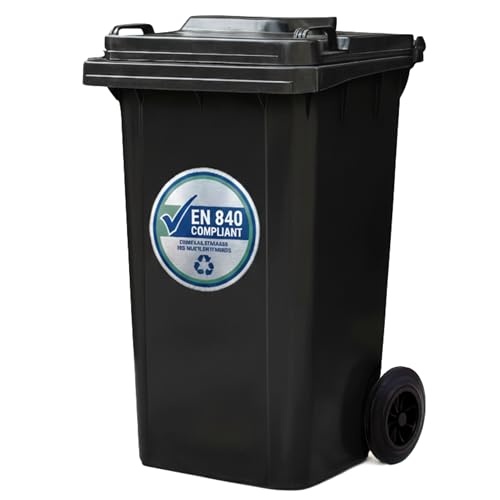
SuperGift.com Black 240L Wheelie Bin with Wheels and Hinged Lid
£59.99 *View On Amazon* -
Outdoor Bins
Curvaso Premium Stainless Steel Ashtray Bin Large, Black Square
£38.95 *View On Amazon* -
Outdoor Bins
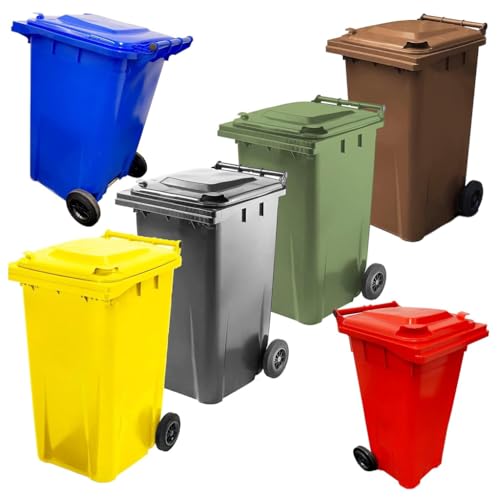
STORM TRADING GROUP 240L Wheelie Bin with Lids and Wheels (Grey)
£59.99 *View On Amazon* -
Outdoor Bins
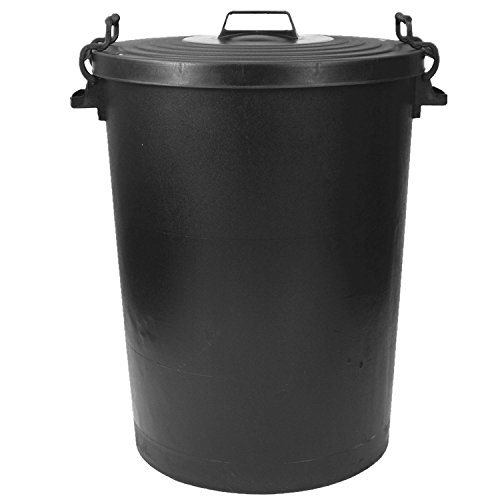
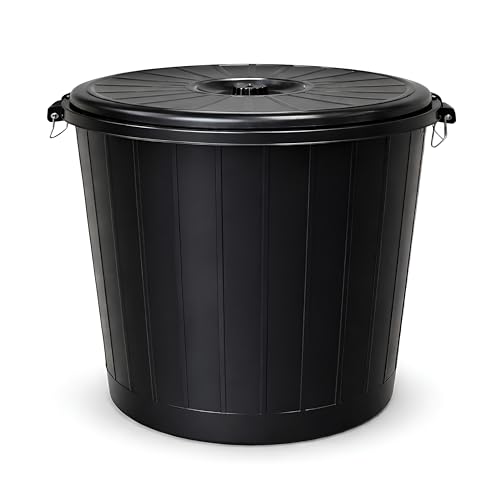
Easy Shopping® 80 Litre Black Plastic Dustbin with Clip Locking Lid
£16.95 *View On Amazon* -
Outdoor Bins
besto Outdoor Wall Mounted Lockable Ashtray with Removable Inner
£12.99 *View On Amazon* -
Outdoor Bins
Recycling Rules Small Hanging Wastebasket for Dog Poop Bags, Green
£23.44 *View On Amazon*








How to Choose an Outdoor Bin
Outdoor bins provide a contained place for storing household rubbish and recyclable materials between collections. They may be used for general waste, mixed recycling, food waste, garden waste or other approved materials, depending on the bin and local collection arrangements.
The right outdoor bin depends on the type and volume of waste produced, the available storage space and whether the container must be moved to a kerbside or communal collection point.
Before ordering, check your council’s current requirements. Some collection services only empty bins that they supply or approve, and accepted sizes, colours and contents can vary between areas.
Measure the intended storage position carefully. Compare the full width, depth and height, including the lid, wheels, handles and the additional space needed to open and move the bin.
Types of Outdoor Bins
Wheelie Bins
Wheelie bins use two or more wheels to help move household waste between a storage area and collection point.
They are commonly used for general rubbish, recycling and garden waste. Capacity, colour and compatibility with lifting equipment can vary, so check whether the bin is suitable for your local collection service.
Look at the handle position, wheel diameter, lid fit and overall dimensions. A larger bin holds more waste but can become heavy and difficult to manoeuvre when full.
General Waste Bins
General waste bins are intended for non-recyclable household rubbish accepted by the relevant collection service.
They usually include a close-fitting lid to help contain loose waste and reduce access by animals. Waste should normally be placed inside suitable bags where local rules require this.
Do not use a general waste bin for hazardous chemicals, hot ashes, batteries or electrical products that require separate disposal.
Outdoor Recycling Bins
Recycling bins collect materials accepted through local kerbside or communal recycling schemes.
Depending on the area, these may include paper, cardboard, tins, cans, glass or plastic packaging. Some councils collect mixed recycling, while others require materials to be separated.
Use clear labels where several outdoor bins are stored together and check current local guidance before adding unfamiliar packaging.
Garden Waste Bins
Garden waste bins may be used for accepted grass cuttings, leaves, plants, hedge trimmings and small branches.
Local garden-waste services can have specific subscription, weight and material requirements. Soil, stones, plant pots, food waste and large branches may be excluded.
Do not overload the bin with wet grass or dense garden waste, as it can become extremely heavy.
Food Waste Bins
Outdoor food-waste bins receive scraps transferred from a smaller kitchen caddy.
They may be supplied by a local collection scheme and can include lockable or close-fitting lids. Use only approved liners or bags where required.
Keep the lid closed and clean any spills promptly to reduce odours and pest activity.
Lockable Outdoor Bins
Lockable bins can help prevent animals, wind or unauthorised users from opening the lid.
They may use clips, catches, handles or key-operated locks. Check whether the locking mechanism must remain open on collection day.
A lock should not prevent authorised collection or create difficulty during an emergency.
Metal Outdoor Bins
Metal bins provide a rigid structure and can suit certain waste-storage areas, garages and commercial-style household settings.
Check whether the metal is galvanised, coated or otherwise intended for outdoor exposure. Damaged finishes can lead to corrosion and sharp edges.
Metal bins can be heavier than plastic alternatives and may require more effort to move.
Plastic Outdoor Bins
Plastic bins are commonly used because they are relatively lightweight, weather resistant and easy to wash.
The quality and thickness of the material can affect durability. Prolonged exposure to sunlight, frost and impact may eventually cause some plastics to fade, warp or become brittle.
Inspect the body, lid and wheel areas regularly for cracks.
Dustbins with Removable Lids
Traditional dustbins use a separate lift-off lid rather than a hinged wheelie-bin design.
They can suit smaller quantities of household, garage or garden waste. Side handles can make them easier to carry, although a full container may become heavy.
Check that the lid fits securely enough to resist wind and animal access.
Outdoor Bin Stores
Bin stores surround or conceal one or more outdoor bins.
They may be made from wood, plastic, metal or mixed materials and can help create a tidier appearance. Some include hinged lids, doors, locks or connecting chains that lift the bin lid.
Measure the full bin dimensions and allow enough clearance for handles, wheels and lid movement. The store should not obstruct collection or make the bin difficult to remove.
Communal Outdoor Bins
Communal bins serve several households, flats or shared properties.
They may have larger capacities and different access or collection arrangements from standard household wheelie bins. Residents should follow building-management and council rules regarding accepted waste and bagging.
Do not leave rubbish beside a communal bin when it is full unless the responsible service provides specific instructions.
Important Buying Considerations
Local Collection Compatibility
A privately purchased bin may not be accepted by every council collection vehicle.
Before choosing a replacement or additional bin, check:
- Permitted capacity
- Required colours
- Bin dimensions
- Lifting-rim design
- Whether council approval is needed
- Whether extra bins require payment
- Collection frequency
- Accepted materials
- Maximum weight
- Placement requirements
A bin can be suitable for private storage without being compatible with kerbside collection.
Capacity
Outdoor-bin capacity is normally stated in litres.
Larger bins hold more waste but occupy more space and become heavier when full. Smaller bins are easier to move but may overflow before the next collection.
Consider household size, collection frequency, recycling habits and the amount of storage space available.
External Dimensions
Measure the complete storage area before ordering.
Allow space for:
- The lid to open fully
- Handles
- Wheels
- Nearby walls
- Gates and pathways
- Bin-store doors
- Steps and kerbs
- Other household bins
- Removing the bin for collection
- Cleaning around the container
Make sure the bin can pass through gates and narrow side passages.
Wheels
Wheels should move smoothly and support the expected load.
Larger wheels may cope better with uneven paving, gravel and kerbs, while smaller wheels can be easier to manoeuvre on smooth ground.
Check that each wheel is securely fitted and free from cracks, trapped string or debris.
Handles
A strong handle makes the bin easier to tilt and move.
Check its height and shape, particularly if the bin will be pulled over a long distance. The grip should remain comfortable when wearing gloves.
Do not move a bin using a damaged or cracked handle.
Lid Design
A well-fitting lid helps contain rubbish and reduce rainwater entering the bin.
Hinged lids remain attached, while removable lids can provide wider access. Lockable or clip-down lids may be useful in exposed locations.
Check that the lid opens without striking walls, fences or bin-store roofs.
Materials
Plastic is lightweight and generally easy to clean. Metal provides a more rigid structure but can be heavier and vulnerable to corrosion if damaged.
Wooden bin stores can create an attractive enclosure but require suitable treatment and maintenance for outdoor conditions.
Choose according to the waste type, climate exposure and cleaning requirements.
Weather Resistance
Outdoor bins can be exposed to rain, sunlight, frost, wind and temperature changes.
Check whether the product is intended for permanent outdoor use. A weather-resistant bin still needs periodic inspection and cleaning.
Position the bin on stable ground and avoid locations where rainwater regularly pools.
Stability
A stable bin is less likely to tip in wind or while being loaded.
Tall, narrow bins may become unbalanced when heavy waste is placed near the top. Keep dense items lower down and close the lid after use.
Do not position bins on steep slopes, loose ground or unstable surfaces.
Ease of Cleaning
Outdoor bins can collect leaks, residue, insects and odours.
Smooth interiors and accessible drainage points can make washing easier. Hinges, lid rims and wheel areas may require additional attention.
Choose a bin that can be safely emptied, rinsed and dried within the available outdoor space.
Two-Wheel or Four-Wheel Outdoor Bins
Two-wheel bins are commonly used by individual households and are tilted backwards for movement.
Four-wheel bins generally offer larger capacity and may suit shared or commercial-style settings. They require a level surface and may include brakes or lockable lids.
A four-wheel bin can be difficult to position in a small garden or narrow side passage.
Large or Small Outdoor Bins
A large bin can reduce overflow between collections but may encourage excessive weight and take up significant space.
A smaller bin is easier to move and may suit households that recycle extensively. It requires careful waste management where collections are less frequent.
Choose a size that can be filled, moved and emptied safely.
Plastic or Metal Outdoor Bins
Plastic bins are lighter, resistant to many weather conditions and usually straightforward to wash.
Metal bins are rigid and may offer additional fire resistance depending on their design, but they can rust, become hot in sunlight and create sharp edges if damaged.
Check the individual product information rather than assuming either material is suitable for every use.
Lockable or Standard-Lid Bins
A standard hinged lid provides quick access and may be sufficient in a sheltered household location.
A lockable lid offers additional security against wind, wildlife or unauthorised use. It introduces a mechanism that needs maintenance and may need releasing before collection.
Choose according to the location and local collection arrangements.
Outdoor Bins for General Waste
Use suitable bags where local rules require rubbish to be bagged.
Tie bags securely and avoid placing loose lightweight packaging where it can escape when the lid opens. Do not overfill the bin so the lid remains raised.
Extra waste left beside the bin may not be collected.
Outdoor Bins for Recycling
Place only accepted recyclable materials into the relevant container.
Empty food and liquid residue where required and keep paper or cardboard dry. Incorrect waste can contaminate a recycling load.
Labels can help household members distinguish between general waste and recycling bins.
Outdoor Bins for Garden Waste
Allow very wet grass to drain or dry where practical before adding it to the bin.
Distribute dense garden waste rather than compacting it aggressively. Large branches should be cut only within the limits provided by the collection service.
Do not place soil, rubble or stones inside unless local guidance explicitly permits them.
Outdoor Bins for Food Waste
Transfer food scraps using approved liners or containers.
Keep the lid firmly closed and position the bin away from doors and windows where practical. Clean spills around the rim and handle regularly.
Do not place ordinary plastic packaging into food-waste collections unless permitted.
Outdoor Bins for Flats
Flats may rely on communal waste and recycling containers.
Follow building-management rules and keep communal areas, corridors and fire routes clear. Do not store private bins on balconies or shared land without permission.
Report damaged, overflowing or inaccessible communal bins to the responsible service.
Outdoor Bins for Family Homes
Family households may produce larger amounts of rubbish, packaging and food waste.
Clear labelling and separate recycling containers can help everyone use the correct bin. Keep bin lids closed and ensure children cannot access unsafe waste.
Review the required capacity before requesting or purchasing additional containers.
Outdoor Bins for Small Gardens
Slim bins, compact dustbins and enclosed bin stores can help organise waste in smaller outdoor spaces.
Make sure the bin does not block gates, pathways or emergency access. A compact bin still needs enough clearance for the lid and collection movement.
Avoid positioning it directly beneath windows where odours may enter the home.
Positioning Outdoor Bins
Choose a level, stable and accessible location.
Avoid placing bins:
- On steep slopes
- Across paths
- In front of gates
- Beside open windows
- Against fragile fencing
- Over drains that need access
- Beneath loose roof materials
- Close to open flames
- Where vehicles may strike them
- Where collection crews cannot reach them
Keep the route to the collection point clear.
Outdoor Bin Bases
A firm base can improve stability and make cleaning easier.
Paving, concrete or a suitable level platform may prevent wheels sinking into soil and reduce the build-up of mud around the bin.
The base should drain properly and must not create a trip hazard.
Outdoor Bin Stores
Check whether the store accommodates the exact number and size of bins.
Allow space for:
- Lids
- Handles
- Wheels
- Removing each bin
- Locking mechanisms
- Ventilation
- Ground slope
- Door movement
- Collection access
- Cleaning
A store that fits empty bins tightly may be difficult to use once they contain waste.
Wooden Bin Stores
Wooden stores can blend with fencing and garden furniture.
They require suitable outdoor treatment and periodic inspection for rot, splitting and loose fittings. Position them away from constant ground moisture where possible.
Doors and lids should open smoothly without dragging.
Plastic Bin Stores
Plastic stores are generally easy to wipe and resistant to rot.
They may be lighter than wooden or metal alternatives and should be secured where wind exposure is significant.
Check ventilation, floor strength and whether the material can tolerate prolonged sunlight.
Metal Bin Stores
Metal stores provide a rigid enclosure and can offer additional security.
Check for corrosion-resistant finishes, smooth edges and suitable ventilation. They can become hot in direct sunlight and may be noisy when doors close.
Follow all anchoring and assembly instructions.
Securing Bins in Wind
Close the lid and position the bin beside a stable shelter without blocking access.
Approved straps, clips or bin-store enclosures may help in exposed locations. Do not tie the bin to public property or utility equipment.
Bring an emptied bin back from the kerb promptly after collection.
Preventing Bin Lids Blowing Open
A properly fitting lid should close fully without waste pressing against it.
Avoid overfilling and check hinges for damage. Use only compatible lid locks or straps that can be removed or released for collection.
Do not place heavy loose objects on top of the lid where they could fall.
Preventing Animals Accessing Outdoor Bins
Food waste and packaging can attract foxes, rodents, birds and other animals.
Use secure bags and keep the lid closed. Clean food residue from the rim, handles and ground around the bin.
A lockable lid or secure bin store may help where animal access is a repeated problem.
Preventing Insects
Flies and other insects are attracted to exposed food waste and leaking bags.
Tie rubbish securely, clean spills and avoid allowing waste to remain above the rim. Food-waste containers may require more frequent washing during warm weather.
Persistent insect activity can indicate residue beneath or behind the bin.
Preventing Odours
Regular emptying and cleaning provide the most effective odour control.
Helpful steps include:
- Securing rubbish bags
- Keeping lids closed
- Separating food waste
- Cleaning spills
- Keeping bins away from heat
- Rinsing packaging where required
- Washing the bin after leaks
- Allowing it to dry
- Avoiding liquids
- Using deodorising products only as directed
Fragrances may mask smells without removing their source.
Using Bin Bags and Liners
Check local rules regarding bagged and loose waste.
Choose bags strong enough for the contents and bin size. A liner that is too small may split, while an oversized bag can interfere with the lid.
Do not place sharp, hot or hazardous materials into an ordinary refuse sack.
Preventing Bag Leaks
Drain liquids from waste where appropriate and inspect packaging before disposal.
Double-bagging may help with permitted messy waste, but it should not be used to contain hazardous chemicals or unsuitable materials.
Clean leaks immediately so liquid does not remain inside the bottom of the bin.
Avoiding Overfilled Outdoor Bins
The lid should close completely.
Overfilled bins can attract pests, allow rubbish to escape and may be refused by the collection service.
Do not compress waste using your hands, feet or body weight. Hidden glass, tins and sharp packaging can cause injury.
Maximum Weight
Collection services may impose weight limits even when the bin lid closes.
Wet garden waste, glass, soil and dense household rubbish can make a bin difficult or unsafe to move.
Split heavy material between approved disposal routes rather than forcing it into one container.
Moving an Outdoor Bin Safely
Check the route for steps, gravel, ice, steep slopes and obstacles.
Stand behind the bin, hold the handle firmly and tilt it only enough for the wheels to support the weight. Move at a controlled pace.
Do not pull a heavy bin down steps or across unsafe ground without appropriate assistance.
Moving Bins on Slopes
A full bin can gather momentum quickly on sloping ground.
Keep it behind or beside you according to safe handling guidance and maintain a firm grip. Avoid moving an overloaded bin in wet, icy or windy conditions.
Use a safer route where available.
Moving Bins over Gravel
Small wheels can sink or catch in loose gravel.
Move slowly and avoid twisting the bin sharply. A product with larger wheels may be easier to manage where listed as suitable.
Do not drag the bin on its base, as this can damage the container.
Moving Bins over Steps and Kerbs
Use lowered kerbs or step-free routes where possible.
Lifting a full bin can place significant strain on the body and damage the wheels or base. Do not attempt to pull an overloaded bin down several steps.
Seek assistance or review the storage position if the collection route is regularly difficult.
Collection-Day Placement
Follow local instructions about where and when the bin should be presented.
Place it with the handle or lid facing the direction requested by the service. Keep it clear of parked vehicles, walls, trees and other obstacles.
Do not block pavements, driveways or access for wheelchair and pushchair users.
Bringing Bins Back after Collection
Return bins to the storage area as soon as reasonably practical.
An empty wheelie bin can move easily in strong wind or obstruct pavements and roads.
Check that the lid, wheels and body have not been damaged during collection.
Outdoor Bin Cleaning
Empty the bin completely before cleaning.
Wear suitable gloves and use a method appropriate for the material. Pay attention to:
- Lid edges
- Handles
- Hinges
- Wheel areas
- Inner corners
- Drainage points
- The base
- Lifting rims
- Locks and catches
- Areas beneath removable liners
Rinse where appropriate and allow the bin to dry before adding new waste.
Cleaning a Plastic Outdoor Bin
Use a suitable household cleaner and water according to the product guidance.
A long-handled brush can help reach the base. Avoid very hot water or strong solvents unless the manufacturer confirms compatibility.
Tip out cleaning water responsibly and do not allow contaminated liquid to enter unsuitable drains or neighbouring property.
Cleaning a Metal Outdoor Bin
Use a non-abrasive cleaning method suited to the coating or finish.
Dry the bin thoroughly and check for rust, chipped paint and exposed sharp edges.
Do not use strongly corrosive cleaners unless the product manufacturer permits them.
Pressure Washing Outdoor Bins
Pressure washing may be suitable for some bins but can damage labels, seals, hinges and surfaces if used too closely or forcefully.
Follow the bin manufacturer’s guidance. Wear suitable protective equipment and control where contaminated spray and wastewater travel.
Do not pressure wash near electrical equipment, open windows, people or pets.
Professional Bin Cleaning Services
Professional services may provide periodic washing and deodorising.
Check what is included, which products are used and whether the service operates after collection.
A cleaning service does not remove the need to secure bags and deal with leaks promptly between visits.
Preventing Mould
Keep the bin as dry as practical and clean food residue promptly.
Allow washed bins to air with the lid open only in a secure location where animals and rain cannot enter.
Persistent mould can indicate trapped moisture, poor drainage or uncontained organic waste.
Preventing Rust
Inspect metal bins, hinges, axles and locks for corrosion.
Clean and dry affected areas and follow any manufacturer-recommended maintenance. Replace components or the complete bin where rust creates sharp edges or structural weakness.
Maintaining Wheels and Axles
Remove string, hair, plastic and debris wrapped around the wheels.
Check that each wheel rotates freely and remains securely attached. Avoid applying oil or lubricant unless recommended for the product.
Replace cracked wheels or damaged axles before the bin becomes difficult to control.
Maintaining Lids and Hinges
Check hinges for cracks, looseness and distortion.
A damaged lid may not close securely and can detach in strong wind. Replacement lids may be available for some bin models, but compatibility should be confirmed carefully.
Do not drill improvised holes or attach unsuitable weights to the lid.
Maintaining Locks and Catches
Keep locking components clean and free from waste residue.
Check that they release reliably and do not create sharp edges. Store keys somewhere secure and accessible to authorised users.
Unlock the bin for collection where required.
Outdoor Bins Around Children
Outdoor bins can contain sharp, contaminated and hazardous waste.
Keep children from climbing, hiding inside or playing around bins. Secure lids where appropriate and store the containers away from play areas.
Small locks, clips and wheels should be inspected for loose components.
Outdoor Bins Around Pets
Pets may knock over bins, chew bags or access harmful food and packaging.
Use secure lids and clean spills promptly. Position bins away from kennels, feeding areas and places where animals remain unsupervised.
Do not store pet food inside a waste bin or bin store.
Fire Safety
Keep outdoor bins away from:
- Open fires
- Barbecues
- Fire pits
- Smoking areas
- Hot ashes
- Flammable storage
- Fuel containers
- Electrical equipment
- Building vents
- Emergency exits
Never place smouldering waste, hot charcoal or hot cooking material inside a bin.
Local fire-safety guidance may recommend minimum distances from buildings and boundaries in some settings.
Hazardous Waste
Do not place hazardous materials into ordinary outdoor bins unless an authorised service explicitly accepts them.
Items requiring separate disposal may include:
- Paint
- Solvents
- Pesticides
- Motor oil
- Fuel
- Gas cylinders
- Batteries
- Electrical appliances
- Medicines
- Sharps
- Clinical waste
- Asbestos-containing materials
Use appropriate council, retailer or specialist collection services.
Batteries and Electrical Waste
Batteries and electrical products can create fire and environmental risks in household bins.
Use retailer take-back points, recycling centres or approved collection schemes.
Store used batteries securely and protect terminals where guidance requires it.
Glass and Sharp Waste
Follow local instructions for broken glass and sharp household items.
Do not hide exposed blades or sharp metal inside loose rubbish bags. Use appropriate wrapping or purpose-designed containers where permitted.
Collection workers and household members must be protected from hidden sharp objects.
Garden Chemicals
Pesticides, weed killers, fertilisers and other garden products may require specialist disposal.
Keep them in their original labelled containers and follow local hazardous-waste guidance.
Do not pour leftover chemicals into bins, soil, drains or watercourses.
Bin Security
Bins can be moved, used by other households or stolen.
Marking the container with an appropriate house number may help identification where permitted. Avoid displaying unnecessary personal information.
Lockable stores and gates can improve security but must not prevent collection access.
Preventing Unauthorised Use
Keep bins within your property boundary between collections where possible.
A lid lock can deter casual use, but it should remain easy for authorised household members to operate.
Report repeated misuse through the appropriate landlord, council or property-management route.
Bin Stores and Planning Considerations
Large permanent bin stores may need to comply with property boundaries, access rules, tenancy terms or local planning requirements.
Check before installing a substantial structure, particularly in shared, listed or restricted properties.
The store must not block visibility, drainage or emergency access.
Outdoor Bins in Rented Homes
Check the tenancy agreement before installing fixed bin stores or drilling into walls and fences.
Council-supplied bins may remain the property of the local authority and should not be altered.
Report damaged or missing official bins through the appropriate landlord or council process.
Shared Bin Storage
Clearly label communal sections and keep doors, lids and access routes clear.
Do not place personal items, chemicals or bulky waste in shared bin stores unless the responsible service permits them.
Report overflowing containers and damaged locks promptly.
Outdoor Bins on Balconies
Check tenancy, building-management and fire-safety rules before storing waste on a balcony.
Bins should not block drainage or escape routes, leak onto lower properties or contain combustible waste close to the building.
Communal waste areas are usually more appropriate where provided.
Outdoor Bins in Garages
Garages can shelter bins from weather but may trap smells and attract pests.
Maintain ventilation and keep bins away from vehicles, boilers, electrical equipment and flammable products.
Do not allow waste to obstruct access or escape routes.
Outdoor Bin Labels
Labels can identify:
- General waste
- Mixed recycling
- Paper and card
- Glass
- Food waste
- Garden waste
- Household number
- Collection day
- No hot ashes
- Approved users
Use weather-resistant labels that do not cover official council markings or lifting points.
Colour Coding
Bin colours often correspond to local waste streams, but the meanings differ between councils.
Do not purchase a colour based only on assumptions. Check the collection service requirements before choosing a replacement or additional bin.
Written labels can provide extra clarity.
Reducing Outdoor Bin Overflow
To reduce unnecessary volume:
- Flatten accepted cardboard
- Compress suitable packaging
- Separate recycling correctly
- Remove bulky items through approved services
- Avoid placing air-filled bags inside the bin
- Plan for missed collections
- Use food-waste services where available
- Review household purchasing and packaging
- Do not place garden waste in general rubbish where separate collection exists
Do not compress waste beyond safe handling limits.
Missed Collections
If a bin is not emptied, check whether it was placed correctly, contained unsuitable items, exceeded the weight limit or was presented after the collection time.
Follow the council’s reporting process and keep the waste contained while awaiting instructions.
Do not move rubbish into another household’s bin without permission.
Bulky Waste
Furniture, mattresses, appliances and large household items should not be forced into an outdoor bin.
Use council bulky-waste collections, retailer take-back services or authorised waste facilities.
Check that any private waste carrier is appropriately authorised where required.
Replacing an Outdoor Bin
Replace or report the bin when it becomes:
- Cracked
- Split
- Warped
- Unstable
- Unable to close
- Difficult to move
- Damaged around the lifting rim
- Missing wheels
- Sharp around the edges
- Permanently unhygienic
- Structurally weakened by fire or impact
Council-owned bins may need to be replaced through the local authority rather than purchased privately.
Useful Outdoor Bin Accessories
Useful additions may include:
- Weather-resistant labels
- Lid locks
- Bin-store enclosures
- Replacement wheels
- Replacement lids
- Wheelie-bin liners
- Deodorising products
- Long-handled cleaning brushes
- Ground anchors
- Approved food-waste liners
- Protective gloves
- Washable bin bases
Check dimensions, collection compatibility and installation requirements before ordering accessories.
Why Buy Outdoor Bins from YPC?
At YPC, we understand active lifestyles and the need for practical products that work in real use. Our Outdoor Bins category makes it easier to compare wheelie bins, refuse containers, recycling bins and secure outdoor waste-storage options.
Browse the available products and compare dimensions, capacity, materials, wheels and lid design to find an outdoor bin suited to your household, available space and waste-storage routine.
Frequently Asked Questions
Can I buy any wheelie bin for council collection?
Not necessarily. Some councils only empty bins they supply or approve. Check the required capacity, colour and lifting design before purchasing a replacement.
What size outdoor bin should I choose?
Consider household size, collection frequency, available storage space and the type of waste involved. The full bin must remain safe to move and within any local weight limit.
How can I stop an outdoor bin smelling?
Keep rubbish securely bagged, separate food waste, clean spills promptly and wash the bin regularly. Store it away from direct heat where practical.
How can I stop animals opening my outdoor bin?
Keep the lid fully closed, remove food residue and consider a compatible lid lock or secure bin store. Make sure any lock can be released for collection.
Can hot ashes go into an outdoor bin?
No. Hot or smouldering ash can start a fire and damage the bin. Allow ashes to cool completely and follow local disposal guidance.
 Getting ready for Summer? View our Home and Garden Products

Heading outdoors this winter? Take a look at our Outdoor Clothing.