
Recycling Bins
Recycling Bins for Easier Household Waste Sorting
Recycling bins help separate paper, cardboard, tins, cans, glass, plastic packaging and other materials accepted by your local collection service. Choosing the right capacity and compartment layout can make household recycling easier while keeping loose packaging organised before collection.
Browse single recycling bins, multi-compartment systems, stackable containers, recycling bags, cupboard bins and labelled sorting stations. Compare products by their dimensions, individual compartment capacity, lid style, materials, handles and suitability for your kitchen, utility room, garage or shared household space.
Explore Recycling Bins at YPC to find practical options for sorting recyclable materials according to your household routine and local collection requirements.
-
Recycling Bins
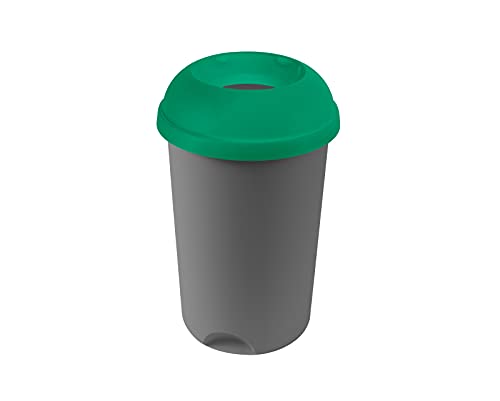
Addis Open 50 Litre Recycling Bin, Green Lid, Metallic Grey Base, 519041AMP
£19.99 *View On Amazon* -
Recycling Bins
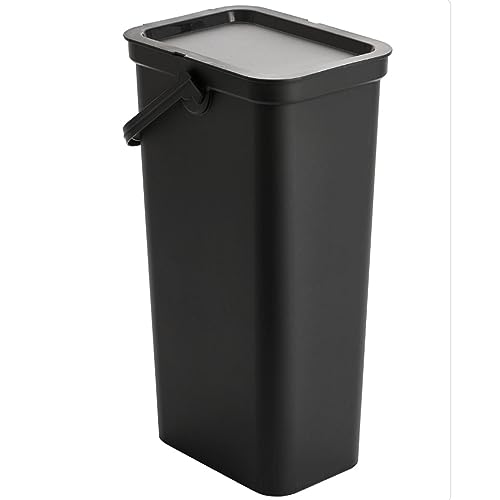
Warmiehomy 36L Triple Compartment Dry Wet Separation Kitchen Bin with Lid
Original price was: £38.99.£35.09Current price is: £35.09. *View On Amazon* -
Recycling Bins
Viviendo 100L Foldable Recycling Bin with Wheels and 2 Bags
Original price was: £28.99.£27.54Current price is: £27.54. *View On Amazon* -
Recycling Bins
lovewind Kitchen Bin 3 x 20L Triple Compartment Recycling Bin, Steel, Silver
£75.99 *View On Amazon* -
Recycling Bins
SONGMICS LTB24GS 3 x 8L Small Volume Kitchen Waste Bin with Lids, Pedals and Buckets, Greenish Grey and Black
Original price was: £38.99.£31.19Current price is: £31.19. *View On Amazon* -
Recycling Bins
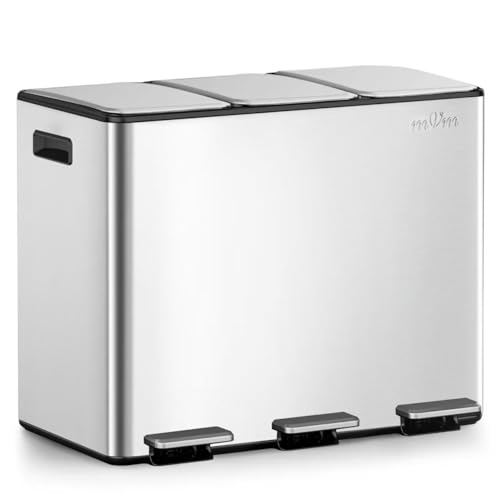
mVm Triple Kitchen Bin 45L, 3 Compartment Recycling Bin
Original price was: £79.98.£75.98Current price is: £75.98. *View On Amazon* -
Recycling Bins
Pack of 3 Recycling Bins 25L Plastic Dust Bins, Red, Green and Yellow
£26.79 *View On Amazon* -
Recycling Bins
Pack of 3 Recycling Bins 50L Plastic Recycle Dust Bins, Red, Yellow and Blue
£41.99 *View On Amazon* -
Recycling Bins
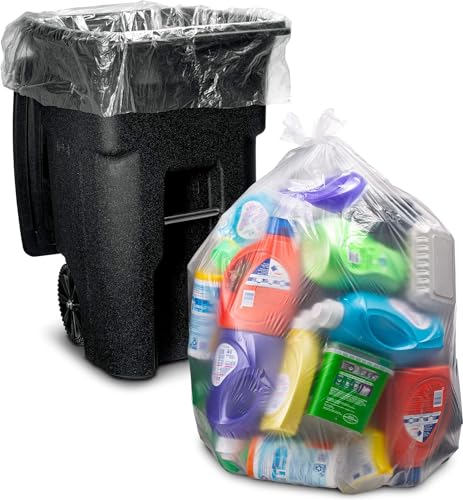
EKO 40-60 Litre Drawstring Bin Bags, Code F, White, 12 Count
Original price was: £4.79.£4.49Current price is: £4.49. *View On Amazon* -
Recycling Bins
Rotho Albula Recycling Waste Bin with Lid, 2 x 25 L, Blue/Anthracite
Original price was: £41.88.£38.98Current price is: £38.98. *View On Amazon*








How to Choose Recycling Bins
Recycling bins provide designated containers for storing accepted household materials before they are transferred to an outdoor bin, communal collection point or recycling centre. A clear system can make sorting easier and reduce the chance of recyclable packaging becoming mixed with general rubbish.
The right recycling bins depend on your local collection arrangements, the materials your household produces and the space available inside your home.
Start by checking your council’s current recycling guidance. Accepted materials, container colours and sorting requirements can vary between areas and may change over time.
Measure the intended storage area before ordering. Compare the complete external width, depth and height, including lids, handles, wheels and the space required to remove individual compartments.
Types of Recycling Bins
Single Recycling Bins
A single recycling bin provides one container for an accepted mixed recycling stream or a particular material.
It can suit households where the council collects paper, plastic, tins and cans together. It may also be used specifically for glass, cardboard or another separate category.
Check whether the bin’s capacity matches the amount of recycling produced between collections.
Multi-Compartment Recycling Bins
Multi-compartment recycling bins divide several waste streams inside one unit.
They may include sections for general rubbish, mixed recycling, food waste, glass or paper, depending on the design. This can make sorting convenient at the point where packaging is discarded.
Check the capacity of each individual compartment rather than relying only on the total litre figure. A small recycling section may fill much faster than the general-waste section.
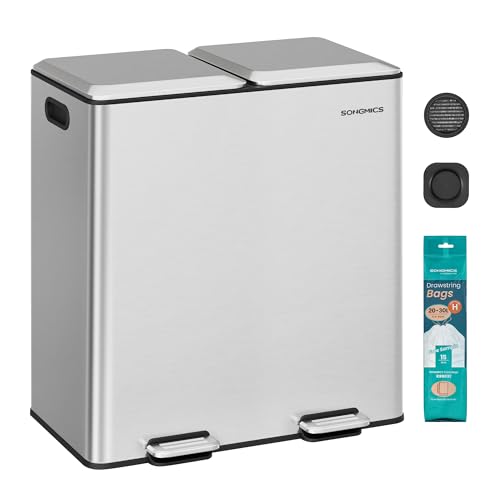
Dual Recycling Bins
Dual bins contain two separate sections within one container.
They may be suitable for combinations such as general waste and recycling, paper and packaging, or recycling and food waste.
Choose a compartment split that reflects the volumes your household produces. Equal-sized sections may not be practical where one waste stream is considerably larger.
Triple-Compartment Recycling Bins
Triple-compartment systems can separate three categories within a compact unit.
They can work well in households that need distinct containers for general rubbish, recycling and food waste. Each section will usually be smaller than a single bin of the same overall size.
Check whether each inner bucket can be removed independently for emptying and cleaning.
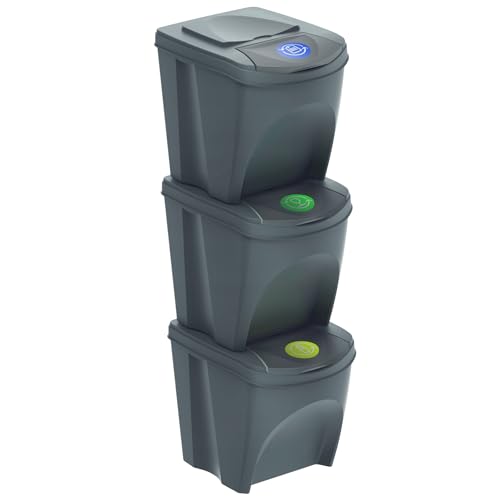
Stackable Recycling Bins
Stackable recycling bins use vertical space and can suit utility rooms, cupboards, garages and smaller kitchens.
Some designs include front-opening lids so the contents can be accessed without removing the bin above. Others must be unstacked before opening.
Only stack containers specifically designed for this purpose. Follow any stated height and weight limits and keep heavier materials on the lowest level.
Recycling Bags
Reusable recycling bags provide flexible storage for paper, cardboard, plastic packaging and other suitable materials.
They can be folded when empty and carried easily to an outdoor bin or communal recycling point. Their flexibility makes them less protective against liquids, sharp packaging and broken glass.
Check the handle strength, base construction and whether the bag can be wiped or washed.
Box-Style Recycling Containers
Rigid boxes can contain loose packaging and may stack or fit inside cupboards where compatible.
They can be easier to clean than fabric bags and provide more support for heavier recycling.
Check whether the box includes a lid, handles or a front opening and whether it can be carried safely when full.
Recycling Bins with Lids
Lidded bins keep contents contained and reduce the amount of visible clutter.
A lid can help prevent lightweight packaging from falling out and may limit access by pets. However, closed containers can trap moisture and make unsuitable food residue harder to notice.
Check whether the lid lifts, swings, clips or opens using a pedal.
Open Recycling Bins
Open-top bins provide quick access and make it easy to see the contents.
They can suit clean, dry paper, cardboard and packaging in utility rooms or home offices. They provide little containment for smells, liquids or lightweight materials in draughty areas.
An open bin should not be used where children or pets could reach unsafe contents.
Pedal Recycling Bins
Pedal recycling bins open without direct hand contact.
They can be useful in kitchens where recyclable packaging is handled during food preparation. Check the pedal position and ensure the bin remains stable during use.
Multi-compartment pedal bins may use one pedal for the full lid or separate openings for different sections.
Sensor Recycling Bins
Sensor bins open automatically when movement is detected.
They can reduce direct contact with the lid but require batteries, charging or mains power. Electronic sections need careful cleaning and must be protected from moisture.
Check the detection range so the bin does not repeatedly open when people or pets pass nearby.
Pull-Out Recycling Bins
Pull-out recycling bins are installed inside kitchen or utility cupboards.
They can hide waste storage and make use of existing cabinetry. Options may include two or more removable buckets mounted on runners.
Measure the cupboard interior carefully and account for hinges, pipes, shelves and door fittings. The unit must not obstruct plumbing or appliance access.
Under-Sink Recycling Bins
Under-sink recycling systems use space beneath a sink or worktop.
Pipework and waste traps can reduce the usable area considerably. Adjustable or modular bins may fit around these obstacles more effectively.
Leave stop taps and plumbing connections accessible and check regularly for leaks.
Wall-Mounted Recycling Bins
Wall-mounted containers keep the floor clear and can suit smaller utility rooms or garages.
They require suitable installation and must be fixed to a surface capable of supporting the bin and its contents.
Do not mount heavy recycling above head height or where a full container could fall into a walkway.
Wheeled Recycling Bins
Wheeled containers can make heavier recycling easier to move across level floors.
They may be useful for glass, tins, paper and larger household collections. Check the wheel type and whether the bin remains stable while being loaded.
Small wheels may struggle over carpet, thresholds and uneven outdoor surfaces.
Important Buying Considerations
Local Recycling Requirements
Before choosing a sorting system, check how recycling is collected in your area.
Local guidance may specify:
- Accepted plastics
- Paper and cardboard rules
- Glass collection arrangements
- Whether tins and cans are mixed
- Food-waste requirements
- Bin or bag colours
- Whether packaging should be rinsed
- Whether lids remain attached
- Collection frequency
- Items requiring recycling-centre disposal
A recycling symbol on packaging does not guarantee that the item is accepted through every household collection service.
Total Capacity
Recycling-bin capacity is normally shown in litres.
Larger households and homes that receive frequent deliveries may produce significant volumes of cardboard and packaging. Smaller households may prefer compact containers that are emptied more frequently.
Consider the volume rather than only the weight of your recycling. Flattened packaging can require far less space than uncompressed boxes and bottles.
Individual Compartment Capacity
In a divided bin, each compartment has its own usable capacity.
A 60-litre dual bin may contain two 30-litre sections, or the split may be uneven. Check the product information carefully.
Choose larger sections for the materials your household produces most frequently.
External Dimensions
Measure the full area where the recycling bin will stand.
Allow room for:
- Lids to open
- Pedals to move
- Drawers to pull out
- Inner buckets to lift
- Handles
- Wheels
- Cupboard doors
- Appliance access
- Skirting boards
- Walkways
A high-capacity bin may be unsuitable if it restricts movement through the kitchen or utility room.
Shape
Rectangular bins can sit closely against walls and cupboards. Slim bins can fit narrow gaps, while round containers may suit open corners.
Tall, narrow designs save floor width but can become unstable or difficult to empty when filled with heavy materials.
Choose a shape that fits the room and allows convenient access.
Lid Style
Lids help contain the contents and reduce visual clutter.
Common options include:
- Lift lids
- Pedal lids
- Swing tops
- Touch lids
- Sensor lids
- Clip-on covers
- Front-opening panels
- Open tops
Consider the materials being stored and how frequently the bin will be used.
Inner Buckets
Removable inner buckets make separate recycling sections easier to carry and clean.
Check whether each bucket has a handle and can be removed without lifting the complete bin.
The usable capacity of the bucket may be smaller than the outer bin dimensions suggest.
Handles
Strong handles can make containers and reusable bags easier to carry outside.
Check that they remain comfortable when the bin is full. Paper, glass and tins can become heavy even when the container does not look overloaded.
Use both handles where supplied and stop using a container if the handle becomes cracked or loose.
Materials
Plastic recycling bins are lightweight and generally easy to wipe clean. Metal bins provide a rigid structure but can show fingerprints, water marks or corrosion.
Fabric recycling bags fold easily but may absorb leaks and odours. Wood-effect or decorative bins may suit visible rooms but require suitable care.
Choose according to the contents, room conditions and cleaning routine.
Liner Compatibility
Some recycling bins can be used without liners, especially for clean, dry materials.
Liners can make emptying easier, but plastic bags may need to be removed before the recycling is transferred to the collection bin.
Check whether your local recycling service accepts bagged materials or requires them to be placed loose inside the outdoor container.
Ease of Cleaning
Recycling containers can collect sticky residue, dust and small packaging fragments.
Removable inner buckets and smooth surfaces are generally easier to clean. Complex lids, runners and multiple compartments require additional attention.
Choose a design that can be emptied and washed without difficult dismantling.
Single Bin or Multi-Compartment System
A single bin offers maximum capacity for one recycling stream and can be simple to line, carry and clean.
A multi-compartment system separates several materials within one unit. It reduces the number of separate containers but gives each category less space.
The better choice depends on local sorting rules and the amount of each material produced.
Recycling Bins or Recycling Bags
Rigid bins provide structure, contain smaller scraps and protect contents from being crushed or scattered.
Recycling bags are lightweight, foldable and easy to carry. They may leak or tear when filled with sharp or wet packaging.
Use rigid bins for heavier or mixed materials and bags for clean, dry recycling where suitable.
Open or Lidded Recycling Bins
Open bins provide immediate access and make incorrect items easy to spot.
Lidded bins create a tidier appearance and help contain lightweight packaging. They can trap moisture and make contamination less visible.
Open containers can suit paper and cardboard, while lidded bins may be preferable for packaging stored in kitchens.
Freestanding or Cupboard Recycling Bins
Freestanding bins can be moved and replaced easily. They require visible floor space and must fit the room layout.
Cupboard bins keep recycling hidden and use fitted storage space. They require accurate measurements and reduce the cupboard area available for other items.
Choose according to your kitchen design and whether permanent installation is practical.
Recycling Bins for Kitchens
Kitchen recycling bins should remain close enough to food preparation areas to be convenient without obstructing worktops, appliances or walkways.
A dual or triple bin can separate rubbish and packaging immediately. Check whether food residue needs to be removed before items enter the recycling section.
Avoid positioning recycling beside direct heat, open flames or uncovered food.
Recycling Bins for Utility Rooms
Utility rooms can accommodate larger sorting systems, stackable boxes and reusable recycling bags.
Keep bins clear of washing-machine and tumble-dryer ventilation. Allow enough space to carry baskets and operate appliance doors.
Food-contaminated packaging should not be left for extended periods simply because the recycling is stored away from the kitchen.
Recycling Bins for Garages
Garages may provide space for larger containers and materials awaiting a recycling-centre trip.
Choose rigid, stable storage and keep paper away from damp. Avoid allowing glass, tins or packaging to create a trip hazard around vehicles and tools.
Do not mix household recycling with fuels, paints, automotive fluids or hazardous chemicals.
Recycling Bins for Small Homes
Slim bins, cupboard systems and stackable containers can make better use of limited space.
Choose a capacity that can be carried easily to an outdoor or communal collection point. Avoid storing recycling in hallways or beside exits.
Flatten accepted packaging to reduce the required storage volume.
Recycling Bins for Flats
Flats often use communal recycling bins rather than individual outdoor containers.
Handled bags or compact rigid boxes can make materials easier to carry through the building. Do not leave recycling in shared corridors, stairways or fire exits.
Check building-management guidance for glass, bulky cardboard and collection areas.
Recycling Bins for Family Homes
Family households may benefit from clear labels and larger compartments.
Position everyday recycling where adults and older children can use it safely. Glass, sharp tins and batteries should remain in suitable controlled storage.
Review the system periodically so everyone understands which materials belong in each section.
Recycling Bins for Home Offices
Office recycling bins can collect clean paper, cardboard and suitable packaging.
Separate confidential documents from ordinary paper recycling. Use secure shredding or an approved confidential-waste service where required.
Keep printer cartridges, batteries and electrical items out of ordinary paper bins.
Recycling Bins for Children’s Areas
A clearly labelled paper or packaging bin can help older children learn basic recycling routines.
Choose lightweight, stable products with smooth edges. Do not place glass, tins, batteries or hazardous items in child-accessible containers.
Picture labels may make categories easier for younger household members to understand.
Sorting Paper and Cardboard
Keep paper and cardboard clean and dry.
Commonly accepted materials may include:
- Newspapers
- Magazines
- Envelopes
- Office paper
- Cardboard boxes
- Cereal boxes
- Toilet-roll tubes
- Paper packaging
Thermal receipts, laminated paper, food-stained card and padded envelopes may be treated differently by local services.
Flatten cardboard where accepted to save space.
Sorting Plastic Packaging
Plastic recycling rules vary significantly.
Your local service may accept particular bottles, pots, tubs and trays while excluding plastic film, bags, black plastic or mixed-material packaging.
Check the packaging label and council guidance. Empty containers and rinse where required.
Do not place electrical plastic items or toys in packaging recycling unless specifically accepted.
Sorting Tins and Cans
Food tins and drinks cans are commonly collected, but preparation instructions can vary.
Empty and rinse containers where required. Take care around sharp lids and damaged metal edges.
Do not place your hands blindly inside a full recycling container. Aerosols may need separate handling depending on their contents and local rules.
Sorting Glass
Glass bottles and jars may be collected at the kerbside or through bottle banks.
Drinking glasses, mirrors, window glass, ceramics and cookware are often unsuitable for ordinary glass-container recycling.
Use a rigid bin for household glass and avoid overfilling it. Broken glass requires careful containment and local disposal guidance.
Sorting Food Waste
Food waste is usually collected separately from dry recycling.
Accepted materials can vary but may include peelings, leftovers, tea bags and coffee grounds. Check whether your scheme permits liners and which type is required.
Do not place food scraps inside dry mixed-recycling containers.
Sorting Garden Waste
Garden waste may require a separate subscription bin, collection bag or recycling-centre visit.
Grass cuttings, leaves, plants and small branches should not normally be placed inside household packaging-recycling bins.
Check local size and material restrictions before collection.
Batteries
Household batteries should not usually be placed in general rubbish or standard recycling bins.
Use retailer take-back points, council collection schemes or recycling centres where provided. Store used batteries safely and keep their terminals away from loose metal objects where appropriate.
Button batteries require especially secure storage away from children and pets.
Electrical Items
Small electrical products, cables, chargers and appliances require electrical-waste recycling rather than ordinary household bins.
Retailers and local recycling centres may offer collection or return services.
Remove personal data from electronic devices where applicable before disposal.
Medicines and Medical Waste
Unused medicines should normally be returned through an appropriate pharmacy or healthcare service.
Needles and sharps require authorised containers and collection arrangements.
Do not place medical waste inside household recycling containers.
Paint and Household Chemicals
Paint, solvents, pesticides and strong household chemicals may require specialist disposal.
Keep them in their original labelled containers and follow local hazardous-waste guidance.
Never pour unwanted chemicals into a recycling bin, sink, drain or toilet.
Preparing Packaging for Recycling
Remove leftover food and liquids where required.
Separate components where local rules ask you to do so. This may include removing plastic film, foam inserts or non-recyclable sections.
Avoid spending excessive energy or hot water cleaning packaging beyond what the collection scheme requires.
Rinsing Recyclables
A quick rinse can reduce smells and contamination.
Allow containers to drain before placing them inside paper bags or closed recycling bins.
Items do not necessarily need to be spotless, but heavy food residue can affect recycling suitability.
Follow current local instructions.
Flattening Cardboard and Bottles
Flattening accepted packaging reduces the amount of storage space required.
Take care around staples, sharp edges and rigid plastic. Replace bottle lids where instructed by the local service.
Do not crush containers if the collection scheme requires them to remain intact.
Removing Lids and Labels
Some recycling services ask residents to leave lids attached, while others request separation.
Labels often do not need to be removed, but this varies by material and process.
Follow local guidance rather than applying one rule to every container.
Preventing Recycling Contamination
Contamination occurs when unsuitable or dirty items are mixed with accepted recycling.
Common problem items may include:
- Food waste
- Plastic film
- Nappies
- Used tissues
- Ceramics
- Drinking glasses
- Electrical items
- Batteries
- Clothes
- Paint containers
- Medical waste
- Heavily soiled packaging
Check the contents before transferring them to the outdoor recycling bin.
Recycling Symbols and Labels
Packaging symbols can provide useful information, but they do not always confirm local acceptance.
Some symbols identify the material, manufacturer membership scheme or general recyclability rather than kerbside collection eligibility.
Use the packaging information alongside your council’s current guidance.
Labelling Household Recycling Bins
Clear labels help household members place items into the correct section.
Useful labels may include:
- Mixed recycling
- Paper and card
- Glass
- Tins and cans
- Plastic packaging
- Food waste
- General rubbish
- Batteries
- Electrical recycling
Use removable labels where collection arrangements may change.
Colour-Coded Recycling Bins
Different colours can make recycling sections easier to identify.
Colour meanings are not universal between councils or manufacturers. Written or picture labels provide additional clarity.
Match your indoor system to the outdoor collection containers where practical.
Using Bin Liners
Check whether liners are suitable for your recycling system.
A liner can help contain leaks and small scraps, but the recycling may need to be emptied loose into the outdoor bin.
Do not place a tied plastic bag into recycling unless the local collection service explicitly permits bagged materials.
Emptying Recycling Bins
Check the contents for unsuitable waste before emptying.
Lift containers using the supplied handles and avoid overfilling them until they become unsafe to carry.
Divide heavy glass, paper or tins between smaller loads where necessary.
Carrying Recycling Outside
Keep the container close to your body and make sure it does not block your view on stairs or paths.
Use a rigid box or secure bag so loose items do not fall.
Clean any dropped packaging or leaks promptly.
Preventing Recycling Odours
Clean, dry recycling should produce relatively little smell.
Odours usually indicate trapped liquids, food residue or damp paper.
To reduce smells:
- Empty containers fully
- Rinse where required
- Allow packaging to drain
- Keep food waste separate
- Clean spills promptly
- Empty indoor bins regularly
- Provide suitable ventilation
- Wash the bin periodically
Fragrance products should not be used as a substitute for correct cleaning.
Preventing Pests
Food residue inside recycling can attract insects and rodents.
Keep lids closed where appropriate and empty indoor containers regularly. Clean the floor and surrounding area after spills.
If pests repeatedly appear, address their access point and food source.
Cleaning Plastic Recycling Bins
Empty the bin and remove loose packaging fragments.
Wash or wipe it using a suitable method. Pay attention to corners, handles, lid channels and compartment dividers.
Allow every surface to dry before returning it to use.
Cleaning Metal Recycling Bins
Use a soft cloth and a cleaning product suitable for the finish.
Dry the metal thoroughly and inspect it for rust, chipped coatings and sharp edges.
Avoid abrasive tools that could damage protective surfaces.
Cleaning Fabric Recycling Bags
Check whether the bag is machine washable, hand washable or suitable for wiping only.
Remove rigid inserts where instructed. Clean spills promptly and allow every section and seam to dry fully.
Do not continue using a bag that remains musty or cannot be cleaned properly.
Cleaning Multi-Compartment Bins
Remove each bucket separately where possible.
Clean the compartments and the outer shell, paying attention to the areas between buckets where residue can collect.
Ensure each bucket is completely dry before reassembly.
Maintaining Lids and Pedals
Inspect hinges, pedals, catches and lids regularly for looseness or damage.
Remove packaging that becomes trapped around the mechanism. Stop using the bin if the lid creates a trapping hazard or no longer closes securely.
Use replacement parts only where they are compatible with the product.
Maintaining Pull-Out Systems
Keep runners and mounting points clean.
Do not lean on an extended recycling bucket or exceed the stated load. Check screws and brackets periodically.
Stop using the system if it becomes unstable, misaligned or difficult to close.
Preventing Floor Damage
Grit trapped beneath bins and wheeled containers can scratch flooring.
Clean the bin base and floor regularly. Use compatible protective feet or mats where appropriate.
Do not drag heavy recycling containers across wood, laminate or vinyl.
Recycling Bins Around Children
Keep glass, tins, batteries and unsafe packaging away from young children.
Choose stable bins with smooth edges and avoid tall stacks that could be pulled down.
Do not allow children to climb, hide inside or play with recycling containers.
Recycling Bins Around Pets
Pets may remove packaging, knock over containers or swallow unsafe waste.
Use a secure lid or inaccessible storage position where required. Keep food residue, tins, glass and batteries completely out of reach.
Check reusable bags and low containers for chewing damage.
Recycling Bin Fire Safety
Paper, cardboard and some plastics are combustible.
Keep recycling away from:
- Hobs
- Open fires
- Candles
- Portable heaters
- Boilers
- Hot appliances
- Smoking materials
- Electrical equipment that overheats
- Escape routes
Do not place hot ash, batteries showing damage or burning materials into a recycling bin.
Recycling Storage in Shared Areas
Do not leave recycling bins or bags in communal corridors, stairways or emergency exits.
Follow building-management rules and keep collection areas clean.
Shared containers should be clearly labelled and emptied before they overflow.
When to Replace a Recycling Bin
Replace the bin or bag when it becomes:
- Cracked
- Torn
- Rusted
- Unstable
- Difficult to clean
- Permanently odorous
- Damaged around handles
- Unable to close
- Sharp around the edges
- Unable to contain its contents
A damaged recycling container can spill materials, attract pests or become unsafe to carry.
Useful Recycling Bin Accessories
Useful additions may include:
- Recycling labels
- Fitted liners
- Replacement inner buckets
- Stackable lids
- Carrying handles
- Protective floor mats
- Food-caddy liners
- Bottle organisers
- Bin-cleaning brushes
- Replacement filters
Check dimensions and compatibility before buying replacement parts or liners.
Why Buy Recycling Bins from YPC?
At YPC, we understand active lifestyles and the need for practical products that work in real use. Our Recycling Bins category makes it easier to compare single, dual, multi-compartment, stackable and cupboard systems for different household spaces.
Browse the available options and compare total capacity, compartment sizes, dimensions, materials and lid design to find recycling storage suited to your home and local collection arrangements.
Frequently Asked Questions
What size recycling bin should I choose?
Consider the amount of packaging your household produces, collection frequency and available storage space. Compare the individual compartment capacities as well as the total volume.
Are multi-compartment recycling bins useful?
They can make sorting easier and reduce the number of separate containers. Choose a compartment layout that reflects your local recycling requirements and household waste volumes.
Do recyclable containers need to be washed?
Remove leftover contents and rinse packaging where your local collection guidance requires it. Allow containers to drain before placing them into paper bags or enclosed bins.
Can recycling be placed inside plastic bin liners?
This depends on the collection service. Many councils require recycling to be emptied loose into the outdoor bin, so check current local guidance.
Can every item with a recycling symbol go into household recycling?
No. Symbols do not guarantee local kerbside acceptance. Check the packaging material and your council’s current recycling instructions.
 Getting ready for Summer? View our Home and Garden Products

Heading outdoors this winter? Take a look at our Outdoor Clothing.