
Brooms, Dustpans and Brushes
Brooms, Dustpans and Brushes for Everyday Cleaning
Brooms, dustpans and brushes help remove dust, crumbs, hair, mud and loose dirt from floors, steps, worktops and other suitable household areas. Choosing the right bristle type, head size and handle length can make sweeping and scrubbing quicker while helping protect the surface being cleaned.
Browse indoor brooms, outdoor yard brushes, hand brushes, dustpan sets, scrubbing brushes and specialist cleaning brushes. Compare products by their intended use, bristle firmness, dimensions, materials, handle design and storage requirements.
Explore Brooms, Dustpans and Brushes at YPC to find practical cleaning tools for kitchens, bathrooms, hallways, utility rooms, patios and other areas around the home.
-
Brooms, Dustpans and Brushes
EZKEY Broom and Step-on Dustpan Set, 60-inch Adjustable Long Handle, Black and Red
£16.99 *View On Amazon* -
Brooms, Dustpans and Brushes
CUQOO Dustpan and Brush Set with Long Handle, Built-In Comb Teeth
£14.99 *View On Amazon* -
Brooms, Dustpans and Brushes
Gloffer Stainless Steel Dustpan with Brush Set, Long Handle Sweeping Broom
£26.99 *View On Amazon* -
Brooms, Dustpans and Brushes
Ouligay Portable Hand Broom and Dustpan Set, Brown Bear
£5.99 *View On Amazon* -
Brooms, Dustpans and Brushes
4 in 1 Dustpan and Brush Set
Original price was: £9.99.£8.49Current price is: £8.49. *View On Amazon* -
Brooms, Dustpans and Brushes
Rubber Broom with 120cm Multi-Section Metal Handle and 31cm Rubber Brush Head with Built-in Squeegee
Original price was: £9.99.£8.49Current price is: £8.49. *View On Amazon* -
Brooms, Dustpans and Brushes
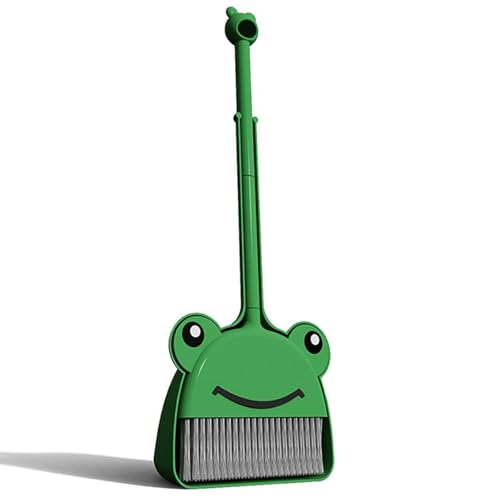
Children’s Small Broom Dustpan Set Green Frog Pretend Play Set
£16.29 *View On Amazon* -
Brooms, Dustpans and Brushes
Taylor & Brown Long Handled Dustpan and Brush Set, 76-130cm, Beige
£11.99 *View On Amazon* -
Brooms, Dustpans and Brushes
Blue Long Handled Broom and Dustpan Set with Comb Teeth
£11.79 *View On Amazon* -
Brooms, Dustpans and Brushes
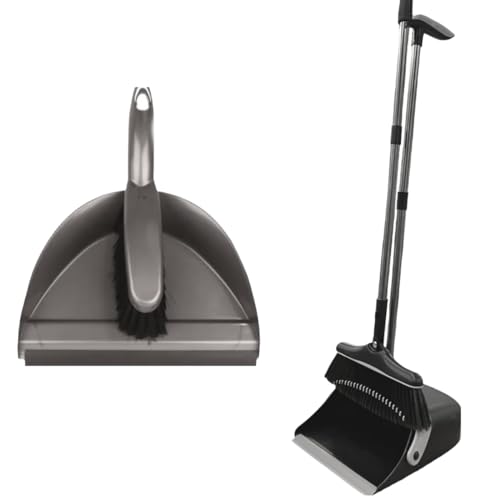
ZEEWIZZ Long Handled Dustpan and Brush Set, Black
£14.95 *View On Amazon* -
Brooms, Dustpans and Brushes
Rubber Broom and Rubber Hand Brush Set with 31cm Brush Head and 120cm 4-Section Metal Handle
Original price was: £14.99.£9.97Current price is: £9.97. *View On Amazon* -
Brooms, Dustpans and Brushes
Abbey DPBSYEL Plastic Dustpan and Brush Set, Yellow
£6.90 *View On Amazon* -
Brooms, Dustpans and Brushes
LSC Long Handled Dustpan and Brush Set with Adjustable Handle
£12.99 *View On Amazon* -
Brooms, Dustpans and Brushes
Addis Soft Dustpan & Brush Black
Original price was: £7.65.£6.90Current price is: £6.90. *View On Amazon* -
Brooms, Dustpans and Brushes
UMERAL 4-in-1 Dustpan and Brush Set with 180° Swivel Head
£14.99 *View On Amazon* -
Brooms, Dustpans and Brushes
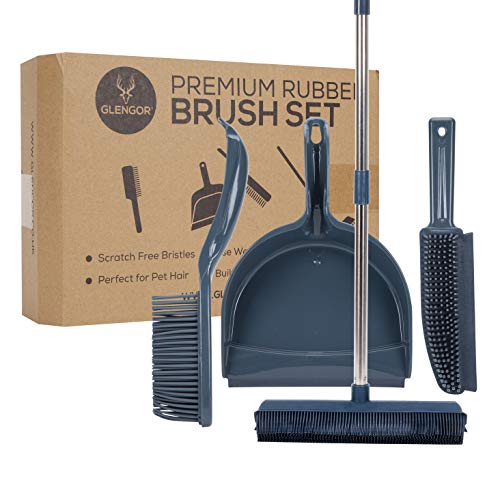
Glengor Premium Rubber Broom & Dustpan Set, 4 Piece
£19.99 *View On Amazon* -
Brooms, Dustpans and Brushes
Tower 3 in 1 Dustpan and Brush with Squeegee, Anthracite & Teal, T769016TL
£16.99 *View On Amazon* -
Brooms, Dustpans and Brushes
Metal Dustpan and Brush Set, Long Handle, Square
£19.98 *View On Amazon* -
Brooms, Dustpans and Brushes
Knight Rubber Broom & Dustpan Set with Telescopic Long Handle, Squeegee, Grey/Teal
£17.49 *View On Amazon*








How to Choose Brooms, Dustpans and Brushes
Brooms, dustpans and brushes are manual cleaning tools used to collect loose debris, scrub marks and reach areas that may be difficult to clean with a vacuum or mop. The most suitable option depends on the surface, type of dirt, size of the area and whether the tool will be used indoors or outside.
Start by deciding whether you need soft bristles for dust and delicate flooring, firmer bristles for stubborn debris or a small brush for detailed cleaning. Using a brush that is too stiff can scratch or mark some surfaces, while bristles that are too soft may struggle with heavy dirt.
Types of Brooms
Indoor Brooms
Indoor brooms are generally designed to collect dust, crumbs, pet hair and other light debris from smooth household floors. They may use soft or medium bristles that move easily across tiles, vinyl, laminate and other compatible surfaces.
A wide broom head can cover open areas quickly, while a narrower head may be easier to manoeuvre around furniture, doorways and kitchen units.
Check whether the bristle ends are flagged or split, as these may help collect finer particles. The performance will also depend on the floor texture and the condition of the broom.
Outdoor Brooms and Yard Brushes
Outdoor brooms usually have firmer bristles for sweeping leaves, grit, mud and heavier debris from paths, patios, garages and driveways.
Stiff bristles can provide more scrubbing force on durable surfaces, but they may be unsuitable for polished floors, delicate decking or easily marked finishes.
Compare the head width, handle strength and weather resistance. Wider yard brushes can cover large spaces efficiently, although they may feel heavier and require more storage room.
Rubber Brooms
Rubber brooms use flexible rubber bristles or blades that can help gather hair, lint and debris from suitable hard floors and low pile carpets.
They may be particularly useful in homes with pets because hair can be less likely to become tangled deeply within rubber bristles. Some designs also include a squeegee edge for suitable smooth surfaces.
Check the listed flooring compatibility before use, particularly on delicate rugs or high pile carpets.
Push Brooms
Push brooms have broad heads and are designed to move larger quantities of loose debris across spacious areas. They can suit garages, workshops, patios, halls and other durable surfaces.
A wider head reduces the number of passes required, but it may be difficult to use in small rooms or around obstacles.
Consider the handle angle and attachment strength, particularly if the broom will be used regularly for demanding outdoor cleaning.
Dustpans and Hand Brush Sets
Long Handled Dustpan Sets
Long handled dustpans allow you to collect swept debris without bending down repeatedly. They can be useful for regular kitchen cleaning, larger homes and users who find crouching uncomfortable.
Some designs include upright storage, closing lids or comb edges for removing hair from the brush. Check whether the pan sits flat against the floor, as a raised edge may allow fine dust to escape underneath.
Handheld Dustpan and Brush Sets
Compact dustpan and brush sets are useful for crumbs, small spills, shelves, stairs and quick cleaning tasks. They are easy to store beneath sinks, in utility cupboards or near frequently used areas.
Compare the pan width, lip design and brush handle. A rubber or flexible edge may help the pan sit closely against smooth flooring.
Enclosed Dustpans
Enclosed or lidded dustpans can help contain collected dirt while it is being carried to the bin. They may be useful for pet hair, dusty areas or larger cleaning tasks.
These designs can be bulkier than standard dustpans and may require additional cleaning around hinges or moving parts.
Types of Cleaning Brushes
Scrubbing Brushes
Scrubbing brushes are designed to apply pressure to stubborn dirt on suitable hard surfaces. They may be used on floors, tiles, grout, sinks, baths, outdoor furniture and other compatible areas.
Choose the bristle firmness carefully. Stiff bristles can help with heavy grime but may damage acrylic, polished metal, natural stone, painted finishes or delicate grout.
Grout Brushes
Grout brushes usually have a narrow head that fits between tiles. Their concentrated bristles can help remove dirt from grout lines and corners.
Avoid excessive pressure on crumbling or weakened grout. If joints are loose or damaged, repair may be more appropriate than repeated scrubbing.
Dish and Sink Brushes
Dish brushes are used for cleaning suitable plates, pans, utensils and sink areas. Designs may include long handles, replaceable heads, soap dispensers or scraper edges.
Check compatibility before using stiff bristles or built-in scrapers on non-stick cookware, glass, enamel or polished surfaces.
Keep brushes used for dishes separate from those used for bins, floors or bathrooms.
Bottle Brushes
Bottle brushes have narrow, often flexible heads for cleaning bottles, flasks, drinking containers and other tall items.
Compare the brush diameter and length with the opening and depth of the container. A brush that is too large may not fit, while one that is too small may not contact the sides effectively.
Check whether the brush is suitable for glass, plastic, stainless steel or coated interiors.
Toilet Brushes
Toilet brushes are shaped to clean inside toilet bowls and beneath the rim. Options may include traditional bristles, silicone heads and replaceable brush systems.
Compare the head shape, handle length and holder design. The brush should drain and dry where possible rather than remaining continuously wet.
Toilet brushes should be kept separate from all other bathroom and household cleaning equipment.
Radiator and Crevice Brushes
Long, narrow brushes can help remove dust from radiators, vents, gaps, skirting boards and other confined areas.
Flexible designs may reach around awkward shapes, although care is needed near electrical parts, sharp metal edges and delicate finishes.
Choosing the Right Bristle Type
Soft Bristles
Soft bristles are generally suitable for dust, crumbs and light debris on smooth indoor flooring. They may also be better for surfaces that could be scratched by a firmer brush.
Very soft bristles can struggle with wet mud, grit and embedded dirt.
Medium Bristles
Medium bristles provide a balance between sweeping fine particles and moving heavier debris. They can suit general household cleaning where the surface is reasonably durable.
Check the intended use rather than assuming a medium brush is suitable for every floor.
Stiff Bristles
Stiff bristles are intended for robust surfaces, outdoor cleaning and stubborn dirt. They can help scrub patios, steps and textured flooring where listed as suitable.
They may scratch wood, vinyl, polished tiles, bath surfaces and decorative finishes. Test the brush on a discreet area where appropriate.
Natural and Synthetic Bristles
Natural bristles can be soft and effective for collecting fine dust, although they may require careful drying and storage.
Synthetic bristles are often resistant to moisture and easy to rinse. Their stiffness and durability vary according to the material and design.
Choose according to the task, surface and care requirements rather than bristle material alone.
Important Buying Considerations
Head Width and Shape
Wide broom heads cover large, open areas quickly. Smaller heads provide greater control around furniture, stairs and narrow spaces.
Angled heads may help reach corners and skirting boards, while rounded brushes can follow the shape of sinks, baths or containers.
Handle Length
Long handles reduce bending and may make floor cleaning more comfortable. Short handles provide greater pressure and control for detailed scrubbing.
Telescopic handles can be adjusted for different users and tasks, but the locking mechanism should remain secure during use.
Weight and Grip
A lightweight broom is easy to carry and use for quick tasks, while a heavier brush may provide more force for demanding cleaning.
Look for handles that feel comfortable and secure, particularly when the tool will be used while wet or while wearing gloves.
Storage
Brooms and long handled brushes can take up significant cupboard space. Hanging loops, clips and wall mounted holders may help keep them upright and organised.
Check whether the handle can be detached or shortened for storage. Store brushes where their bristles will not become crushed or misshapen.
Replaceable Heads
Some brush and broom systems allow the cleaning head to be replaced while retaining the handle. This can reduce the need to replace the complete product when the bristles wear out.
Check the fitting type, thread, dimensions and model compatibility before ordering a replacement.
Broom or Vacuum Cleaner
A broom is simple, quiet and ready to use without electricity or charging. It can be practical for collecting crumbs, grit and small amounts of debris quickly.
A vacuum cleaner can remove finer dust and debris from carpets, rugs and crevices more effectively, depending on the model and attachment used.
Many households use both. A broom may suit quick hard floor cleaning, while a vacuum can provide more thorough removal of dust and embedded hair.
Choosing Tools for Different Areas
Kitchens and Dining Areas
A soft or medium indoor broom can help collect crumbs and food debris from compatible hard floors. A compact dustpan set may be useful for quick cleaning beneath tables and worktops.
Choose washable tools and keep them separate from brushes used in bathrooms or outdoor areas.
Bathrooms
Bathroom brushes may be used for grout, tiles, baths and sinks where suitable. Select non-abrasive options for acrylic, chrome and polished surfaces.
Use dedicated tools for the toilet and store them separately from other bathroom equipment.
Hallways and Entrances
Hallways often collect grit, mud and outdoor debris. A medium or firm broom may be suitable, depending on the flooring.
Remove gritty particles promptly because they can scratch some laminate, wood and polished floors when walked on.
Patios and Outdoor Spaces
Stiff yard brushes can help sweep leaves, soil and loose dirt from suitable patios, pathways and garage floors.
Check the surface before scrubbing. Soft stone, decorative paving, decking and painted areas may require gentler tools.
Homes with Pets
Pet hair may collect along skirting boards, beneath furniture and on suitable carpets. Rubber brooms and fine bristled brushes may help gather loose hair, depending on the surface.
Clean collected hair from the bristles regularly to maintain performance.
Using Brooms and Brushes Safely
Clear obstacles before sweeping and avoid leaving long handles across doorways or walkways where they could create a trip hazard.
Wear gloves where needed, particularly when cleaning bins, bathrooms, drains or outdoor areas.
Do not use wet brushes near electrical sockets, appliances or exposed wiring. Avoid applying excessive pressure to weakened grout, damaged flooring or fragile surfaces.
Keep cleaning tools and any associated chemicals away from children and pets.
Cleaning and Maintaining Brooms and Brushes
Remove hair, threads and debris from bristles after use. A cleaning comb or gloved hand may help, depending on the brush design.
Wash suitable brushes in accordance with the manufacturer’s instructions. Allow them to dry fully before storage to help prevent odours and deterioration.
Rinse dustpans after collecting wet or dirty debris and dry them before putting them away.
Replace tools when bristles become permanently flattened, split or loose, or when handles and fittings become damaged.
Preventing Cross Contamination
Use separate brushes and dustpans for different areas of the home. A tool used around toilets, pet areas or outdoor waste should not be used on kitchen surfaces.
Colour coded tools or clearly labelled storage can help household members identify the correct equipment.
Clean and dry reusable tools regularly and store them so that dirty brush heads do not contact clean cloths or other household items.
Useful Accessories
Useful accessories may include broom holders, wall hooks, replacement brush heads, cleaning caddies and protective gloves.
A dedicated storage rack can help keep long handled tools upright and prevent bristles from bending against the floor.
Choose replacement parts and accessories that match the product dimensions and fitting type.
Why Buy Brooms, Dustpans and Brushes from YPC?
At YPC, we understand active lifestyles and the need for practical products that work in real use. Our Brooms, Dustpans and Brushes category makes it easier to compare indoor brooms, yard brushes, hand brush sets and specialist cleaning tools.
Browse the available options and compare bristle type, head size, handle design and intended use to find suitable products for your household cleaning routine.
Frequently Asked Questions
Which broom is suitable for indoor floors?
A soft or medium bristled broom is usually suitable for collecting dust and crumbs from compatible hard floors. Check the product guidance for delicate wood, laminate or polished surfaces.
Are stiff brushes suitable for every surface?
No. Stiff bristles can scratch or mark acrylic, wood, vinyl, polished tiles and decorative finishes. Use them only on surfaces listed as suitable.
Is a long handled dustpan better than a handheld one?
A long handled set reduces bending and can suit frequent floor cleaning. A handheld dustpan is more compact and useful for stairs, worktops and smaller spills.
How do I remove pet hair from a broom?
Pull or comb hair from the bristles after each use. Rubber brooms may be easier to clean where pet hair is a regular problem.
How often should brooms and brushes be replaced?
Replace them when the bristles become flattened, loose or difficult to clean, or when the handle, head or fittings are damaged.
 Getting ready for Summer? View our Home and Garden Products

Heading outdoors this winter? Take a look at our Outdoor Clothing.