
Cleaning Gloves
Cleaning Gloves for Household Protection and Everyday Tasks
Cleaning gloves help protect your hands from dirt, moisture and suitable household cleaning products during washing up, bathroom cleaning, floor care and other routine jobs. Choosing the right material, size, cuff length and grip can make wet or messy tasks more comfortable and easier to manage.
Browse reusable household gloves, disposable gloves, long-cuff cleaning gloves and specialist designs for different domestic tasks. Compare products by their intended use, material, thickness, fit, lining, texture and any latex or chemical-resistance information provided.
Explore Cleaning Gloves at YPC to find practical hand protection for kitchens, bathrooms, utility rooms, pet areas and general household cleaning.
-
Cleaning Gloves
12 PCS Pet Glove Wipes, Dog Cleaning Gloves, Thickened No-Rinse Wipes
Original price was: £6.99.£5.99Current price is: £5.99. *View On Amazon* -
Cleaning Gloves
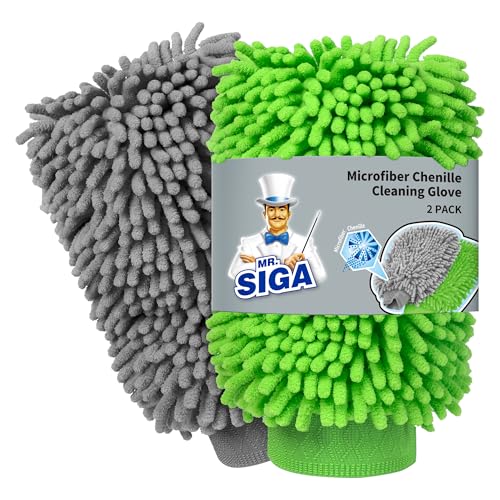
Horyue Reusable Microfibre Dusting Gloves, Green, 1 Pair
Original price was: £4.79.£4.29Current price is: £4.29. *View On Amazon* -
Cleaning Gloves
LANON Wahoo Cleaning Gloves with Cotton Flocked Liner, Surf Spray, Medium
£5.99 *View On Amazon* -
Cleaning Gloves
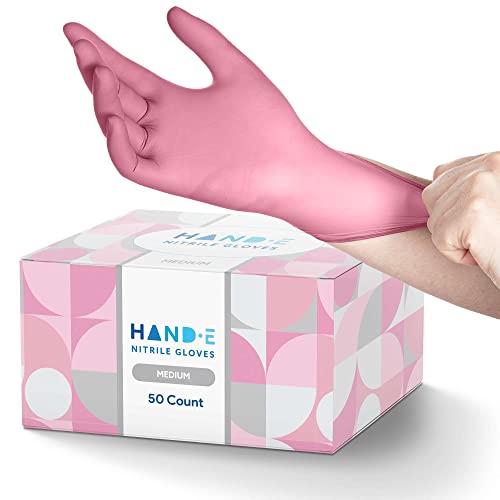
Unigloves PRO.TECT Black GA0042 Nitrile Single Use Gloves, Size S, Pack of 100
£11.24 *View On Amazon* -
Cleaning Gloves
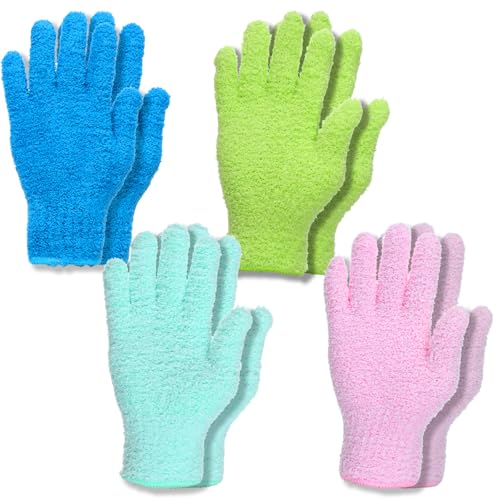
Sernvaloq 3 Pairs Microfibre Dusting Gloves
Original price was: £7.59.£7.29Current price is: £7.29. *View On Amazon* -
Cleaning Gloves
EcoEarth Premium Pet Wipes for Dogs & Cats, 12 Disposable Washing Mitts
£7.69 *View On Amazon* -
Cleaning Gloves
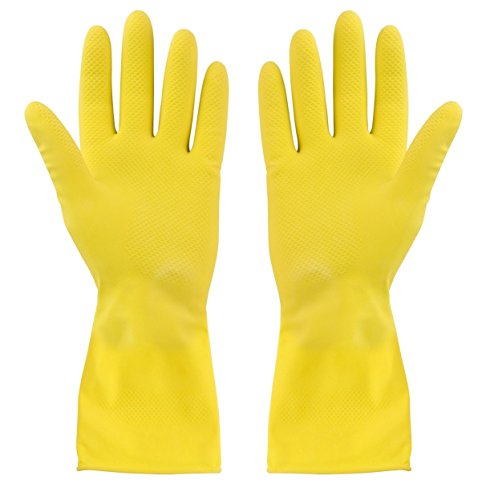
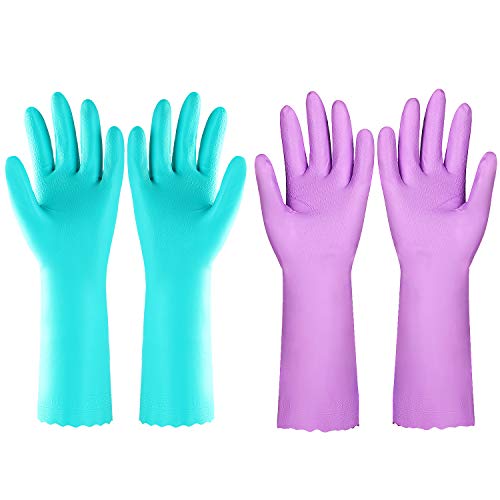
Elgood Reusable Washing Up Gloves, Latex Free
Original price was: £14.99.£13.59Current price is: £13.59. *View On Amazon* -
Cleaning Gloves
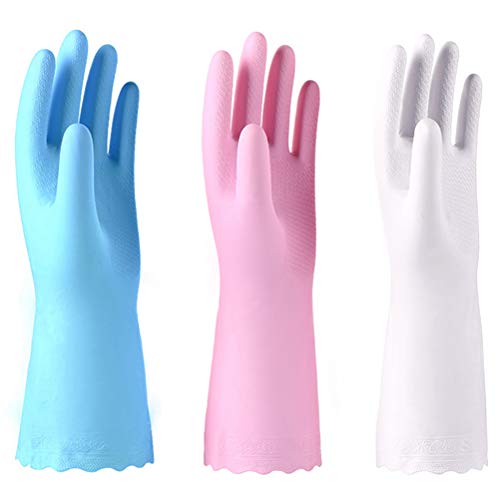
Alimat PluS 3 Pack Reusable Cleaning Gloves, Latex Free, Medium
Original price was: £13.99.£12.99Current price is: £12.99. *View On Amazon*




How to Choose Cleaning Gloves
Cleaning gloves create a protective barrier between your hands and water, dirt, food residue and compatible cleaning products. They can help keep hands dry and reduce direct contact with substances that may cause irritation when used according to the product and cleaner instructions.
The right gloves depend on the task, the chemicals involved, how long they will be worn and whether you need a reusable or disposable option.
Always check the cleaning product label as well as the glove information. Ordinary household gloves are not automatically suitable for every chemical, temperature or hazardous material.
Types of Cleaning Gloves
Reusable Household Gloves
Reusable household gloves are commonly used for washing up, wiping surfaces, cleaning bathrooms and handling routine household mess.
They are usually thicker than disposable gloves and may include textured palms, long cuffs or a soft inner lining. Their additional thickness can provide more durability, although it may reduce fingertip sensitivity.
Rinse and dry reusable gloves after use and replace them when they become split, sticky, brittle or difficult to clean.
Washing-Up Gloves
Washing-up gloves are designed to protect hands during dishwashing and kitchen cleaning. A textured palm or fingertips can help improve grip on wet plates, glasses and cookware.
Choose gloves that fit securely without restricting movement. Gloves that are too loose may make items harder to hold, while gloves that are too tight can become uncomfortable during longer tasks.
Keep gloves used for washing dishes separate from those used for bins, floors, toilets or pet areas.
Long-Cuff Cleaning Gloves
Long-cuff gloves extend further up the wrist or forearm and can provide additional protection against splashes and water running inside the glove.
They may be useful for bathroom cleaning, deep sinks, buckets and tasks involving larger amounts of water. Some designs include rolled or shaped cuffs to help reduce dripping.
Check the full glove length and make sure the cuff does not restrict movement.
Disposable Cleaning Gloves
Disposable gloves can be useful for short, unpleasant or hygiene-sensitive tasks where washing reusable gloves may be impractical.
They are generally thinner and offer greater touch sensitivity, but they can tear more easily and are intended for limited use. Dispose of them after contamination, damage or completion of the task.
Check the material, size and stated chemical compatibility before use. Thin disposable gloves are not suitable for every household cleaner.
Lined Cleaning Gloves
Lined gloves include a soft inner surface that may improve comfort and make the gloves easier to put on and remove.
A lining can help absorb small amounts of perspiration, although it may take longer to dry if water enters the glove.
Check whether the lining is fixed or removable and follow the care instructions carefully.
Heavy-Duty Cleaning Gloves
Heavy-duty gloves are designed for more demanding household, garage or outdoor cleaning tasks. They may use thicker materials and reinforced areas for additional durability.
Greater thickness can reduce flexibility and fine control. Check whether the gloves are suitable for the particular chemical, abrasive material or task involved.
Heavy-duty wording does not mean the gloves protect against every hazardous substance.
Cleaning Glove Materials
Latex Gloves
Latex gloves can offer flexibility, grip and a close fit. They are available in both reusable and disposable designs.
Some people are sensitive or allergic to natural rubber latex. Check the product material carefully and choose a latex-free alternative where needed.
Latex gloves are not resistant to every chemical, oil or solvent, so follow the compatibility information provided.
Nitrile Gloves
Nitrile gloves are latex-free and are available in disposable and reusable forms. Depending on the product, they may offer useful resistance to certain oils, chemicals and punctures.
Their protection varies by thickness and formulation. Do not assume that all nitrile gloves provide the same level of chemical resistance.
Check the product specification and cleaning chemical instructions before use.
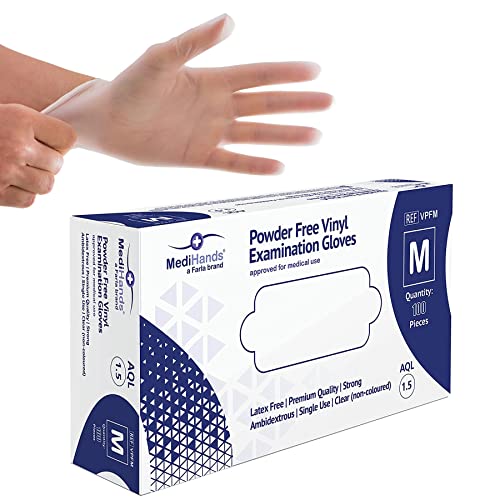
Vinyl Gloves
Vinyl gloves are generally latex-free and may be suitable for some light, short-duration household tasks.
They can offer a looser fit and may provide less resistance to stretching, tearing or certain chemicals than other materials, depending on the product.
Choose them only where their stated protection matches the task.
Rubber and Synthetic Household Gloves
Reusable household gloves may be described as rubber, natural rubber, synthetic rubber or a blended material.
Their flexibility, grip, lining and chemical resistance can vary considerably. Check the exact product information rather than relying on appearance alone.
Important Buying Considerations
Intended Task
Consider whether the gloves will be used for:
- Washing dishes
- Cleaning bathrooms
- Handling bins and waste
- Mopping and floor care
- Using household sprays
- Cleaning ovens or drains
- Pet-related cleaning
- Outdoor household tasks
Different tasks may require different materials, lengths and levels of protection.
Size and Fit
Correctly fitting gloves are easier to control and less likely to slip during use. Check the manufacturer’s sizing information where available.
Gloves that are too small can feel restrictive and may be more likely to split. Oversized gloves can bunch around the fingers and reduce grip.
Measure your hand if the product provides a size chart rather than relying only on small, medium or large descriptions.
Cuff Length
Short cuffs may suit washing up and quick household tasks. Longer cuffs offer more coverage where splashing, deep water or running liquid is likely.
Check that sleeves can sit over or beneath the cuff as recommended for the task. Water entering from the top can become trapped against the skin.
Grip and Texture
Textured palms and fingertips can improve grip on wet tools, plates, bottles and cleaning equipment.
The amount of texture varies. A heavily patterned surface may help with demanding wet work, while a finer texture may provide better control for smaller objects.
Gloves should still be kept reasonably clean, as grease and detergent can reduce grip.
Thickness and Flexibility
Thicker gloves may provide greater durability and physical protection, but they can reduce touch sensitivity and hand movement.
Thinner gloves make detailed tasks easier but may tear or wear more quickly.
Choose a balance that suits the task rather than assuming thicker is always better.
Lining and Comfort
Cotton-flocked or soft-lined gloves may feel more comfortable during longer cleaning sessions. Unlined gloves can be easier to rinse and may dry more quickly.
If your hands perspire heavily, remove the gloves periodically where safe and allow both your hands and the glove interiors to dry.
Reusable or Disposable Cleaning Gloves
Reusable gloves can suit regular washing up, bathroom cleaning and general household tasks. They can be rinsed, dried and used repeatedly, provided they remain undamaged and hygienic.
Disposable gloves can be more practical for contaminated, greasy or unpleasant jobs where reuse would not be appropriate. They offer convenience but create more waste and ongoing replacement costs.
Many households keep reusable gloves for routine cleaning and disposable gloves for occasional specialist tasks.
Choosing Gloves for Household Cleaning Products
Read the cleaning product label before selecting gloves. Some products specify a particular type of protective glove or level of chemical resistance.
Strong oven cleaners, drain cleaners, mould removers, disinfectants and descalers may require more protection than mild washing-up liquid or general surface cleaner.
If the product does not provide clear guidance and the chemical is strong or hazardous, consult the manufacturer’s safety information before use.
Never rely on colour or thickness alone to judge chemical compatibility.
Gloves for Washing Up
Choose a flexible, waterproof glove with a secure grip for handling wet dishes and cookware.
The cuff should be long enough to reduce water entering during normal use. Avoid filling the sink so deeply that water regularly reaches over the glove opening.
Remove sharp knives and broken glass from washing-up water and clean them separately using a safer method. Cleaning gloves provide limited protection from cuts and punctures.
Rinse the gloves after use and keep them separate from toilet or floor-cleaning gloves.
Gloves for Bathroom Cleaning
Bathroom cleaning can involve water, limescale products, toilet cleaners, mould treatments and disinfectants.
Use gloves that are compatible with the specific product and long enough to protect against splashes. Do not use the same pair for washing dishes or food-related surfaces.
Rinse the exterior carefully after use and allow the gloves to dry before storage.
Gloves for Oven and Drain Cleaning
Oven and drain cleaners may contain highly corrosive chemicals. Ordinary washing-up gloves may not provide suitable protection.
Follow the cleaner instructions exactly and use the glove type specified by the manufacturer. Eye protection, ventilation and protective clothing may also be required.
Never use damaged gloves with strong chemicals. Stop immediately if liquid enters the glove or the material begins to soften, swell or change colour.
Gloves for Pet and Waste Cleaning
Dedicated gloves can be useful when cleaning pet bedding, litter areas, cages, bins or household waste.
Keep these gloves separate from kitchen and dishwashing equipment. Wash reusable gloves according to their care instructions and dispose of single-use gloves after the task.
Gloves do not replace handwashing. Wash and dry your hands thoroughly after removing them.
Chemical Resistance and Protection Limits
Chemical resistance depends on the glove material, thickness, construction and length of exposure.
A glove may resist one substance but offer poor protection against another. It may also provide temporary splash protection without being suitable for prolonged immersion.
Check for clear manufacturer information relating to the chemical or product being used. Replace gloves immediately if they become damaged or contaminated inside.
Cleaning gloves should not be used for industrial chemicals, pesticides or specialist hazardous substances unless they are specifically approved for that purpose.
Preventing Cross-Contamination
Use separate gloves for kitchens, bathrooms, toilets, pet areas and outdoor cleaning.
Different colours can make it easier to identify which pair belongs to each task. Store them separately so that contaminated outer surfaces do not touch clean equipment.
Do not handle cupboard doors, phones or clean household items while wearing dirty gloves.
Remove gloves carefully and wash your hands afterwards.
How to Put On and Remove Cleaning Gloves
Make sure your hands are clean and dry before putting reusable gloves on. Wet hands can make gloves difficult to remove and create damp conditions inside.
Check each glove for tears, punctures or weak areas before beginning.
When removing contaminated gloves, avoid touching the outer surface with bare skin. Peel them away carefully and follow any disposal or cleaning guidance provided.
Wash your hands with soap and water after removal, even when the gloves appear intact.
Checking Gloves for Damage
Inspect reusable gloves before every use. Look for:
- Splits or punctures
- Thin or stretched areas
- Sticky surfaces
- Brittle material
- Loose lining
- Discolouration
- Damage around cuffs or fingers
A simple water test may reveal leaks in gloves intended for ordinary household use, but contaminated or chemically damaged gloves should be discarded rather than tested and reused.
Cleaning Reusable Gloves
Rinse the outside of the gloves while still wearing them where the product instructions permit. Use clean water and remove any cleaning residue thoroughly.
Take the gloves off carefully and allow both the exterior and interior to dry. Turn them inside out only where the care guidance allows.
Do not place gloves on radiators or close to direct heat unless specifically permitted, as heat may damage the material.
Wash or disinfect reusable gloves only using methods approved by the manufacturer.
Drying and Storing Cleaning Gloves
Store gloves in a cool, dry and ventilated place away from direct sunlight, heat and strong chemicals.
Hang them by the cuffs or place them where air can circulate. Avoid folding or crushing them beneath heavy products.
Make sure the inside is fully dry before storage. Persistent dampness can cause odours and make the gloves uncomfortable to wear.
Keep different pairs clearly separated by task.
When to Replace Cleaning Gloves
Replace reusable gloves when they become torn, punctured, sticky, brittle, badly stained or difficult to clean.
Gloves should also be replaced if the lining remains damp, they retain unpleasant odours or cleaning chemicals have penetrated inside.
Disposable gloves should not be washed and reused unless the manufacturer explicitly states that they are designed for this.
Keep spare pairs available so damaged gloves are not used simply because no replacement is ready.
Cleaning Gloves and Skin Sensitivity
Some glove materials, linings or powders may irritate sensitive skin. Latex can also trigger allergic reactions in susceptible people.
Stop using the gloves if you notice itching, redness, swelling or discomfort. Wash your hands and seek appropriate medical advice if symptoms are severe or persistent.
Choose powder-free, latex-free or differently lined gloves where these features are relevant and clearly listed.
Cleaning products can also cause irritation if they leak inside the glove or remain on the skin.
Cleaning Gloves Are Not Cut-Proof
Standard household gloves provide little protection against knives, broken glass, sharp metal or needles.
Do not reach blindly into washing-up water, bins or drains. Remove sharp objects using an appropriate tool or safer handling method.
Specialist cut-resistant gloves are a separate product type and must still be suitable for the cleaning task and chemicals involved.
Useful Cleaning Glove Accessories
Useful additions may include glove drying racks, hanging clips, storage hooks, protective aprons and safety glasses.
A labelled storage area can help keep kitchen, bathroom and toilet gloves separate.
Choose accessories that allow gloves to dry fully and remain away from food, children and pets.
Why Buy Cleaning Gloves from YPC?
At YPC, we understand active lifestyles and the need for practical products that work in real use. Our Cleaning Gloves category makes it easier to compare reusable, disposable, lined and long-cuff options for different household tasks.
Browse the available products and compare material, size, grip, thickness and intended use to find gloves suited to your cleaning routine.
Frequently Asked Questions
Which gloves are suitable for household cleaning?
Choose gloves that fit correctly and are listed as suitable for the cleaning product and task. Mild washing up and strong chemical cleaning may require different glove materials.
Are nitrile gloves better than latex gloves?
Neither material is best for every task. Nitrile is latex-free and may resist certain chemicals well, while latex can offer flexibility and grip. Check the individual product specification.
Can I use washing-up gloves with oven cleaner?
Only if both the glove and cleaner instructions confirm compatibility. Strong oven cleaners may require specialist chemical-resistant gloves.
How should reusable cleaning gloves be dried?
Rinse them, remove them carefully and allow the inside and outside to dry fully in a ventilated place away from direct heat.
How often should cleaning gloves be replaced?
Replace them as soon as they split, leak, become sticky or brittle, retain odours or show signs of chemical damage.
 Getting ready for Summer? View our Home and Garden Products

Heading outdoors this winter? Take a look at our Outdoor Clothing.