
Scrubbing Brushes
Scrubbing Brushes for Tough Household Cleaning
Scrubbing brushes help loosen dirt, grease, soap residue and stubborn marks from suitable household surfaces. Whether you are cleaning grout, tiles, sinks, floors, baths or outdoor areas, choosing the correct bristle firmness and brush shape can make the task easier while reducing the risk of surface damage.
Browse handheld scrub brushes, grout brushes, floor brushes, dish brushes, crevice brushes and long-handled cleaning tools. Compare products by their intended use, bristle material, firmness, head shape, handle design and surface compatibility.
Explore Scrubbing Brushes at YPC to find practical tools for kitchens, bathrooms, utility rooms, patios and other demanding cleaning tasks.
-
Scrubbing Brushes
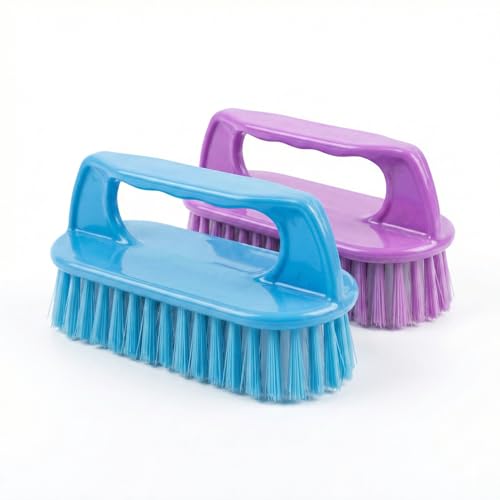
Maisirex Scrubbing Brush 2 Pack, Stiff Bristle Handheld Brush, Assorted Colours
£6.99 *View On Amazon* -
Scrubbing Brushes
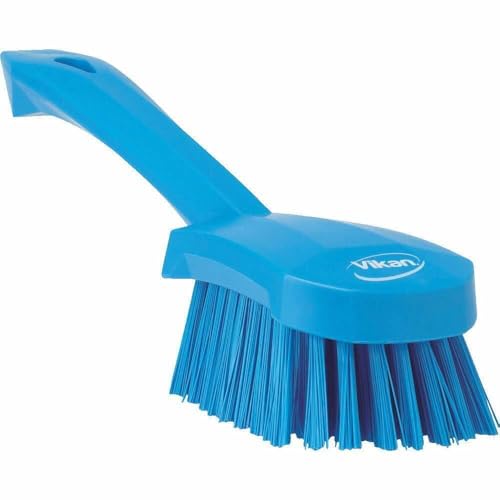
Vikan 41923 Stiff Washing / Scrubbing Hand Brush, Short Handle, 270mm (Blue)
Original price was: £10.58.£10.00Current price is: £10.00. *View On Amazon* -
Scrubbing Brushes
ASelected Floor Scrubbing Brush with Adjustable Long Handle and Squeegee, White
£12.34 *View On Amazon* -
Scrubbing Brushes
CLEANHOME Floor Scrubbing Brush with Handle for Tile Grout
£11.89 *View On Amazon* -
Scrubbing Brushes
Mitclear Floor Scrubbing Brush with Squeegee and 50IN Long Handle
Original price was: £11.89.£9.89Current price is: £9.89. *View On Amazon* -
Scrubbing Brushes
Mitclear Floor Scrubbing Brush with Long Handle, Hard Bristle and Rubber Squeegee, Grey
£15.89 *View On Amazon* -
Scrubbing Brushes
Newthinking Floor Scrubbing Brush with Long Handle
Original price was: £15.99.£10.99Current price is: £10.99. *View On Amazon* -
Scrubbing Brushes
Thboxes Floor Scrub Brush with Squeegee, Stiff Bristles
Original price was: £11.99.£9.99Current price is: £9.99. *View On Amazon* -
Scrubbing Brushes
Newman and Cole Natural Wooden Hand Brush, Bassine Stiff Bristles
£5.99 *View On Amazon* -
Scrubbing Brushes
Draper 44247 Washing Brush with Long Handle Black/Blue
Original price was: £10.83.£8.51Current price is: £8.51. *View On Amazon* -
Scrubbing Brushes
SetSail Floor Scrub Brush with 52-inch Adjustable Handle and 3 Replacement Heads
£12.99 *View On Amazon*




How to Choose a Scrubbing Brush
Scrubbing brushes are designed to apply cleaning pressure and help remove residue that cloths or sponges may struggle to shift. Different brush shapes and bristle types suit different surfaces, so it is important to choose a product that matches the task.
Start by identifying what you need to clean. A narrow grout brush may suit tile joints, while a broader handheld brush can cover sinks, baths or floors more quickly.
Check the surface care guidance before use. Stiff bristles can scratch acrylic, polished metal, painted finishes, wood and other delicate materials.
Types of Scrubbing Brushes
Handheld Scrubbing Brushes
Handheld scrub brushes are suitable for controlled cleaning on sinks, baths, tiles, worktops and other compatible surfaces.
A shaped handle can provide a secure grip and help you apply pressure. Larger heads cover more space, while smaller brushes are easier to manoeuvre around taps, corners and fittings.
Check whether the bristles are soft, medium or stiff before using the brush on a delicate finish.
Grout Brushes
Grout brushes have narrow heads designed to fit between tiles and into tight joints. Their concentrated bristles can help remove dirt, soap residue and surface staining from suitable grout.
Avoid using excessive force on damaged, loose or crumbling grout. Deeply stained joints may need specialist treatment, repair or replacement rather than repeated aggressive scrubbing.
Floor Scrubbing Brushes
Floor brushes are designed for larger areas and may be supplied with short or long handles. They can suit textured tiles, utility floors, patios and other durable surfaces where listed as suitable.
Long handles reduce bending and can make larger jobs more comfortable. Handheld designs offer greater control and pressure for small areas or stubborn marks.
Check the floor material carefully before use, particularly on laminate, sealed wood, vinyl and natural stone.
Dish and Washing-Up Brushes
Dish brushes can help remove food residue from suitable plates, pans, utensils and cookware. Some designs include replaceable heads, soap dispensers or scraper edges.
Use gentle bristles on non-stick cookware, glassware and delicate coatings. Built-in scraper edges should only be used where the item manufacturer permits them.
Keep brushes used for household dishes separate from tools used for floors, bins or bathrooms.
Bottle Brushes
Bottle brushes use narrow heads and long handles to reach inside bottles, flasks, glasses and other containers.
Compare the brush diameter and length with the container opening and depth. Some designs include flexible stems or smaller brushes for straws, lids and narrow openings.
Check compatibility with glass, plastic, stainless steel and coated interiors.
Crevice and Detail Brushes
Crevice brushes are designed for corners, tracks, seals, vents, appliance edges and other confined areas.
Their narrow bristles can reach places that larger brushes cannot, but care is needed around electrical components, delicate seals and painted surfaces.
Avoid pushing dirt further into vents or appliance openings.
Long-Handled Scrubbing Brushes
Long-handled brushes can help clean floors, walls, shower areas and other spaces without repeated bending or stretching.
Telescopic handles allow the length to be adjusted, although the locking mechanism should remain secure during use.
Long handles provide reach but may offer less precise control than a compact handheld brush.
Choosing the Right Bristle Firmness
Soft Bristles
Soft bristles are suitable for light cleaning and surfaces that may be scratched by firmer tools. They can help lift dust, loose residue and everyday marks.
They may not provide enough pressure for heavy grime or textured outdoor surfaces.
Medium Bristles
Medium bristles offer a balance between cleaning pressure and surface protection. They may suit general bathroom, kitchen and utility cleaning where the surface is reasonably durable.
Check the product guidance before using them on polished or coated finishes.
Stiff Bristles
Stiff bristles provide stronger scrubbing action for stubborn dirt, outdoor areas and durable surfaces.
They can scratch or dull acrylic, glass, polished tiles, stainless steel, wood, paint and non-stick finishes. Test the brush on a discreet area where appropriate.
Choose the least aggressive bristle type capable of completing the task.
Important Buying Considerations
Surface Compatibility
Consider whether the brush will be used on:
- Ceramic or porcelain tiles
- Grout
- Acrylic baths and shower trays
- Stainless steel
- Glass
- Natural stone
- Wood or laminate
- Painted surfaces
- Cookware
- Patios and outdoor paving
A brush suitable for one surface may permanently damage another. Follow the manufacturer’s care instructions where available.
Brush Head Shape
Flat heads cover broad surfaces efficiently, while narrow heads reach corners and joints. Rounded brushes can follow the shape of sinks, baths and containers.
Angled heads may provide better access beneath taps, around fittings and along edges.
Handle Design
Short handles offer control and allow more direct pressure. Long handles reduce bending and can suit floors or high areas.
Look for a comfortable grip, particularly when the brush may be used with wet hands or protective gloves.
Size and Storage
Large brushes can clean open areas quickly but require more storage space. Compact brushes fit inside cleaning caddies and under-sink cupboards more easily.
Hanging loops and detachable handles may make storage simpler.
Replaceable Heads
Some scrubbing brushes use replaceable heads, allowing the handle or main body to be retained.
Check the fitting type, dimensions, brand and model number before ordering replacements. Similar-looking heads are not always compatible.
Scrubbing Brush or Scouring Pad
A scrubbing brush provides focused pressure through its bristles and can reach textured surfaces, joints and corners. It may be easier to rinse after use than a dense scouring pad.
A scouring pad offers close contact with flat surfaces and can suit cookware or worktops where the material is compatible.
Both can cause scratching if they are too abrasive. Choose according to the surface and type of residue rather than cleaning strength alone.
Using Scrubbing Brushes in the Kitchen
Kitchen brushes may be used on suitable sinks, splashbacks, tiles, chopping equipment and cookware.
Use separate brushes for dishes, food preparation surfaces, bins and floors. This helps reduce the transfer of dirt and microorganisms between areas.
Check whether the brush and cleaning product are suitable for surfaces that come into contact with food. Rinse thoroughly where instructed.
Using Scrubbing Brushes in the Bathroom
Bathroom brushes can help clean tiles, grout, baths, showers, sinks and fittings where compatible.
Use softer brushes on acrylic, chrome, glass and polished finishes. A stiff brush may remove dirt but also leave scratches or damage sealant.
Keep toilet brushes and tools used around the toilet separate from all other bathroom cleaning equipment.
Outdoor Scrubbing Brushes
Outdoor brushes may help remove mud, moss, loose dirt and residue from suitable patios, paths, steps and garden furniture.
Choose firm bristles only for durable surfaces. Softer stone, painted areas, decking and decorative paving may require gentler cleaning methods.
Take care when using chemical cleaners outdoors, particularly near plants, drains, ponds and pets.
Using Cleaning Products with Scrubbing Brushes
Check that the brush material is compatible with the cleaning product. Strong acids, bleach, solvents and oven cleaners can damage some bristles, handles and adhesives.
Never mix cleaning chemicals on the same brush. Residue from one product may react with another during later use.
Wear gloves, eye protection and other equipment where required by the cleaner instructions.
Preventing Cross-Contamination
Assign separate brushes to kitchens, bathrooms, toilets, pet areas and outdoor cleaning.
Colour-coded handles or labelled storage can help household members identify the correct tool. Avoid storing dirty brushes where they can touch clean cloths, sponges or dishwashing equipment.
Wash and dry reusable brushes thoroughly after contaminated cleaning tasks.
Cleaning and Maintaining Scrubbing Brushes
Rinse the brush after use to remove dirt and cleaning-product residue. Hair, fibres and trapped debris should be removed from between the bristles.
Wash the brush according to the care instructions and allow it to dry fully before storage. Storing a wet brush in an enclosed container can lead to odours and deterioration.
Inspect the handle, bristles and fittings regularly. Replace the brush when the bristles become flattened, loose, split or difficult to clean.
Storing Scrubbing Brushes
Store brushes in a dry, ventilated area. Hanging them by the handle or loop can help the bristles drain and keep their shape.
Do not leave a brush standing permanently on its bristles, as this can cause them to bend and reduce cleaning performance.
Keep brushes used with strong chemicals away from children, pets and food-related cleaning tools.
Useful Cleaning Accessories
Scrubbing brushes may be used alongside protective gloves, buckets, cleaning sprays, grout cleaners, sponges and microfibre cloths.
A cloth can help remove loosened residue after scrubbing, while a squeegee may be useful for wet bathroom or floor surfaces.
Choose accessories and cleaning products that are suitable for the material being treated.
Why Buy Scrubbing Brushes from YPC?
At YPC, we understand active lifestyles and the need for practical products that work in real use. Our Scrubbing Brushes category makes it easier to compare handheld, long-handled, grout, floor and detail-cleaning brushes.
Browse the available options and compare bristle firmness, head shape, handle design and surface suitability to find a brush that matches your household cleaning tasks.
Frequently Asked Questions
Which scrubbing brush should I use for grout?
Choose a narrow grout brush with bristles suited to the condition of the joints. Avoid excessive pressure on loose, damaged or crumbling grout.
Can stiff scrubbing brushes scratch surfaces?
Yes. Stiff bristles can mark acrylic, glass, polished tiles, wood, paint and metal finishes. Check compatibility and test a discreet area first.
Are scrubbing brushes suitable for non-stick pans?
Only use a brush specifically listed as suitable for non-stick cookware. Firm or abrasive bristles can damage the coating.
How should scrubbing brushes be cleaned?
Rinse away dirt and chemical residue after use, remove trapped debris and allow the brush to dry fully before storage.
When should a scrubbing brush be replaced?
Replace it when the bristles become flattened, loose, split or difficult to clean, or when the handle or fittings are damaged.
 Getting ready for Summer? View our Home and Garden Products

Heading outdoors this winter? Take a look at our Outdoor Clothing.