
Reed Diffusers
Reed Diffusers for Continuous Home Fragrance
Reed diffusers provide a continuous background fragrance without electricity, batteries or an open flame. Fragranced liquid travels through absorbent reeds and gradually disperses into the surrounding air, making diffusers suitable for living rooms, bedrooms, hallways, bathrooms and other appropriate household spaces.
Browse reed diffuser sets, fragrance refills, replacement reeds, compact diffusers and larger decorative bottles. Compare products by their fragrance family, liquid volume, number of reeds, expected duration, bottle design and suitability for the intended room.
Explore Reed Diffusers at YPC to find practical home-fragrance options for different room sizes, interior styles and preferred scent strengths.
-
Reed Diffusers
Air Wick Reed Diffuser Multipack, Cherry Blossom Scent, Pack of 5 x 25 ml
£18.64 *View On Amazon* -
Reed Diffusers
SCENTORINI Reed Diffuser 120ml with 6 Sticks
Original price was: £9.99.£8.49Current price is: £8.49. *View On Amazon* -
Reed Diffusers
Hassett Green London Boutique Classics Lime Basil & Mandarin Reed Diffuser Duo Set, 2 x 125ml, Reduced Packaging
Original price was: £21.99.£19.99Current price is: £19.99. *View On Amazon* -
Reed Diffusers
COCORRÍNA Coconut Beach Reed Diffuser Set 200ml with 8 Reed Sticks
£19.99 *View On Amazon* -
Reed Diffusers
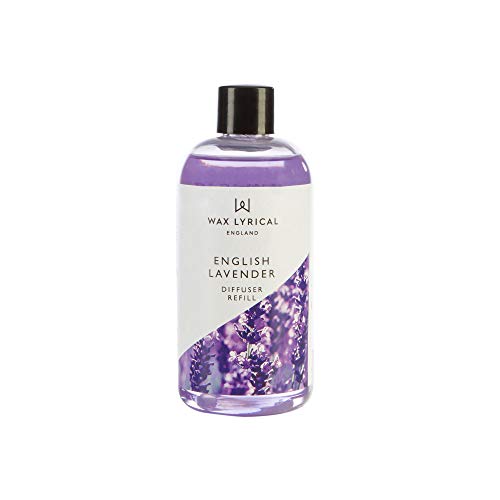
Wax Lyrical English Lavender Reed Diffuser Refill 200ml
Original price was: £12.00.£7.99Current price is: £7.99. *View On Amazon* -
Reed Diffusers
Scent-Hi Jasmine Reed Diffuser Refill 200ml with 6 Reed Sticks
£8.99 *View On Amazon* -
Reed Diffusers
Stoneglow Elements Wood Palo Santo & Amber Scented Reed Diffuser 100ml
£24.00 *View On Amazon* -
Reed Diffusers
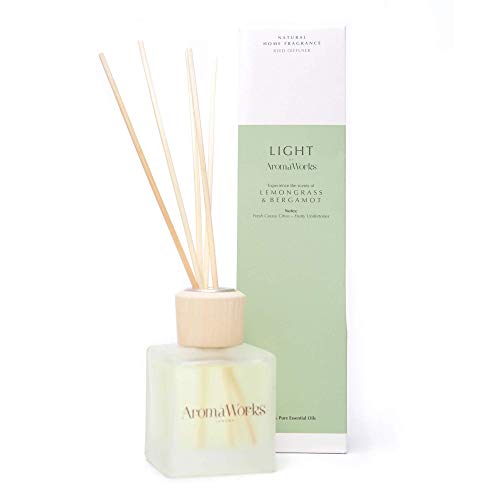
AromaWorks London Reed Diffuser Lemongrass & Bergamot 100ml
Original price was: £11.99.£10.45Current price is: £10.45. *View On Amazon* -
Reed Diffusers
Glade Aromatherapy Reed Diffuser Pure Happiness, 80 ml
Original price was: £9.00.£8.65Current price is: £8.65. *View On Amazon* -
Reed Diffusers
M&SENSE Luxury Large Reed Diffuser 300ml Linen Breeze with 7 Sticks
Original price was: £29.99.£16.22Current price is: £16.22. *View On Amazon* -
Reed Diffusers
Scent-Hi Reed Diffuser Set 4 x 50ml Lavender Home Fragrance
Original price was: £15.99.£12.99Current price is: £12.99. *View On Amazon* -
Reed Diffusers
AIRPURE Reed Diffuser 100ml Oil Set with Sticks, Pack of 2
Original price was: £9.96.£7.98Current price is: £7.98. *View On Amazon*








How to Choose a Reed Diffuser
Reed diffusers use porous sticks to draw fragranced liquid from a container and release it gradually into the surrounding air. They provide continuous scent without requiring a flame, socket or repeated manual spraying.
The right diffuser depends on the room size, preferred fragrance strength, bottle capacity and how much airflow and warmth the area receives.
Fragrance strength and duration can vary according to the number of reeds, product formulation, room temperature and placement. Stated lifespans are generally estimates under particular conditions.
Always read the instructions before removing the stopper or inserting the reeds. Fragrance liquid can damage furniture, flooring, paint and fabrics if spilled.
Types of Reed Diffusers
Standard Reed Diffusers
Standard reed diffusers usually include a bottle of fragranced liquid and a set of absorbent reeds.
They provide continuous scent and require little daily attention. The bottle should remain upright on a stable, protected surface.
Check the included liquid volume, number of reeds and expected room suitability before ordering.
Small Reed Diffusers
Compact diffusers suit smaller rooms, shelves and areas with limited surface space.
They contain less liquid and may need replacing or refilling sooner than larger designs. Their lighter bottles can also be easier to knock over.
Use fewer reeds initially where the fragrance feels too strong for the room.
Large Reed Diffusers
Large diffusers contain more fragrance liquid and may include longer or thicker reeds.
They can suit spacious rooms and may last longer, depending on the formulation and setting. A larger bottle requires a secure surface capable of supporting it safely.
Do not assume that a larger diffuser will always provide stronger fragrance. Performance also depends on the liquid and reeds.
Decorative Reed Diffusers
Decorative diffusers combine fragrance with bottles designed to complement household interiors.
They may use coloured glass, ceramic covers, artificial flowers or shaped reeds. Decorative sections should not make the bottle unstable or difficult to refill.
Choose a design that remains easy to clean and protect from accidental spills.
Minimalist Reed Diffusers
Minimalist diffusers use simple bottles, neutral colours and plain reeds.
They can suit modern rooms where a discreet appearance is preferred. Check whether the label can be removed without losing essential safety and fragrance information.
Retain the packaging for future reference.
Flower Reed Diffusers
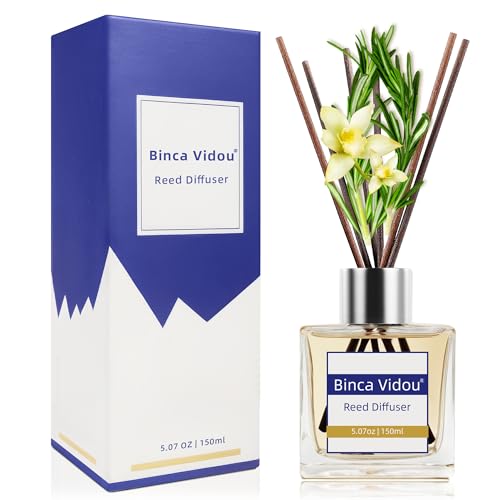
Flower diffusers use an absorbent artificial flower, sometimes alongside conventional reeds.
The flower draws fragrance liquid and can gradually change colour where the design allows. Its larger surface area may affect fragrance strength and evaporation.
Keep the flower away from walls, curtains and furniture because fragrance may transfer if it touches them.
Natural Rattan Reed Diffusers
Rattan reeds contain small channels that draw liquid upwards through capillary action.
They are commonly used in standard diffuser sets. The number, length and thickness of the reeds can affect fragrance output.
Replace reeds that become saturated, dusty or ineffective.
Fibre Reed Diffusers
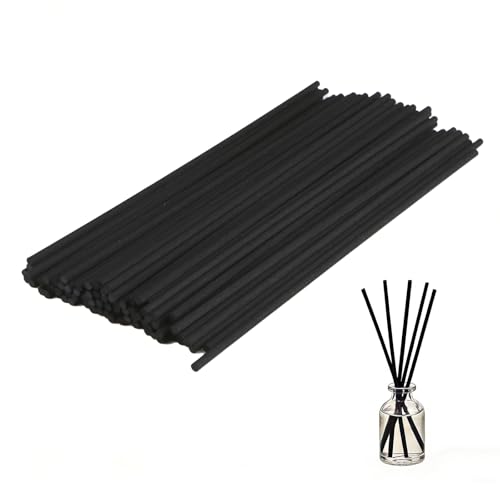
Fibre reeds are manufactured to provide consistent absorption and may be available in different colours.
They can sometimes release fragrance more evenly than natural reeds, depending on the product. Check whether replacement fibre sticks need to match the original diffuser formulation.
Do not assume every replacement reed will perform identically.
Alcohol-Free Reed Diffusers
Some diffusers use a base described as alcohol free.
This can affect evaporation, scent throw and product consistency. Alcohol-free wording does not mean the liquid is harmless or safe for skin contact.
Follow the same storage, spill and household-safety precautions.
Oil-Based Reed Diffusers
Oil-based diffusers use fragranced oils or oil-like carrier liquids.
They may evaporate more slowly than some lighter formulations, depending on the product. Oil residue can stain porous and polished surfaces.
Use a protective tray or coaster beneath the bottle.
Reed Diffuser Gift Sets
Gift sets may include one or more diffusers, candles, sprays or additional fragrance products.
Check the actual diffuser size and scent rather than judging by the outer gift box. Sets containing several products may create a stronger combined fragrance when used in the same room.
Store every item according to its individual instructions.
Reed Diffuser Refill Sets
Refill sets provide fragrance liquid for a compatible empty diffuser bottle.
They may include replacement reeds, a pouring cap or funnel. Check the refill volume and whether it is intended for a specific bottle or product range.
Do not mix refill liquid with old fragrance unless the manufacturer confirms compatibility.
Reed Diffuser Fragrance Families
Fresh and Clean Fragrances
Fresh fragrances may include linen, cotton, soap, rain or airy scent profiles.
They can suit bathrooms, bedrooms and hallways where a light background scent is preferred.
Avoid using strong fresh fragrances to disguise damp, mould or drainage problems.
Citrus Fragrances
Citrus diffusers may include lemon, orange, lime, grapefruit or bergamot-style notes.
They can provide a bright scent for kitchens, hallways and living spaces. Fragrance names describe the scent profile and do not necessarily indicate the presence of natural fruit oils.
Keep the diffuser away from food-preparation surfaces.
Floral Fragrances
Floral diffusers may include rose, jasmine, lavender, lily and blossom-style fragrances.
They range from light and subtle to strong and sweet. Use fewer reeds initially where the scent feels intense.
Household members with fragrance sensitivities may prefer a lower-output arrangement.
Fruity Fragrances
Fruity scents may include berries, apple, pear, peach and tropical-style notes.
They can create a sweet or refreshing atmosphere, depending on the blend. Fragrance liquid should never be consumed, regardless of how food-like the scent or packaging appears.
Keep it securely away from children and pets.
Woody Fragrances
Woody diffusers may include cedar, sandalwood, amber, oud or forest-style notes.
They often provide a warm or deeper scent suited to living rooms, studies and bedrooms.
Large quantities can become overpowering in compact spaces.
Herbal Fragrances
Herbal profiles may include rosemary, mint, eucalyptus or botanical-style notes.
Natural or herbal wording does not automatically make a product safe around pets, children or people with respiratory conditions.
Check the specific safety information before use.
Marine Fragrances
Marine and coastal fragrances may use fresh-water, sea-salt or ocean-style scent descriptions.
They can provide a clean background fragrance in bathrooms and living spaces.
The fragrance does not control humidity or remove damp-related odours.
Sweet and Gourmand Fragrances
Sweet diffusers may include vanilla, caramel, chocolate, coffee or dessert-style notes.
They can provide a warm scent but may feel heavy in small or warm rooms. Start with fewer reeds and increase only where required.
Do not position strongly food-scented products beside uncovered food.
Spiced Fragrances
Spiced fragrances may include cinnamon, clove, ginger or seasonal blends.
They can suit autumn and winter use, although room suitability depends on individual preference.
Keep diffuser bottles away from fireplaces, candles and seasonal decorations.
Fragrance-Free Odour Control
Most reed diffusers add fragrance rather than remove odours.
Products specifically described as fragrance free or odour neutralising may use different ingredients or delivery systems. Check whether the product is actually a reed diffuser or another type of absorber.
Persistent odours still require source removal and cleaning.
Important Buying Considerations
Room Size
Consider whether the diffuser is intended for a small bathroom, bedroom, living room or larger open-plan area.
A compact bottle may provide enough fragrance for a small room but become difficult to notice in a larger space. Several diffusers can create excessive fragrance if rooms connect closely.
Start with one product and assess the result before adding more.
Bottle Capacity
Diffuser capacity is commonly stated in millilitres.
Larger bottles contain more liquid and may last longer, although evaporation depends on the formula, reeds and room conditions.
Check the physical bottle dimensions as well as the liquid volume.
Number of Reeds
Using more reeds generally increases the surface area releasing fragrance.
This can strengthen the scent but may also use the liquid more quickly. Using fewer reeds can reduce fragrance intensity and extend the refill, depending on the product.
Follow any minimum or maximum recommendations.
Reed Length
Longer reeds can create greater exposed surface area and may spread fragrance more noticeably.
They also increase the overall height of the diffuser and can be easier to knock against.
Measure shelf clearance and keep long reeds away from walls and fabrics.
Reed Thickness
Thicker reeds may absorb and release more liquid, depending on their structure and material.
Replacement reeds should be compatible with the bottle opening and fragrance formulation.
Do not force too many thick reeds into a narrow bottle neck.
Fragrance Strength
Diffuser strength can range from subtle to highly noticeable.
Consider how long people spend in the room and whether the space is used for sleeping, eating or working. Continuous fragrance may feel stronger to visitors than to household members who have become accustomed to it.
Reduce the number of reeds if the scent becomes uncomfortable.
Expected Duration
Refill duration can be affected by:
- Number of reeds
- Reed thickness
- Room temperature
- Direct sunlight
- Airflow
- Open windows
- Bottle opening
- Fragrance formulation
- Room humidity
- How often the reeds are turned
Stated durations should be treated as guidance rather than a guarantee.
Bottle Stability
Choose a bottle with a stable base, especially where it will be placed on a narrow shelf or busy surface.
Tall, lightweight and rounded bottles may tip more easily. The reeds can also act as levers if brushed by clothing or curtains.
Avoid locations where the diffuser may be knocked during cleaning.
Bottle Opening
The opening should hold the reeds without excessive crowding.
A wide neck may allow faster evaporation, while a narrow opening can restrict the number of reeds. Bottle and refill compatibility should be checked before transferring liquid.
Do not enlarge or alter the bottle opening.
Refill Availability
Some diffusers use general refill bottles, while others are part of a specific fragrance range.
Check whether suitable refill liquid and replacement reeds can be purchased separately. Using an incompatible refill can affect performance and may create unexpected reactions with residue inside the bottle.
Retain the original product details.
Room Temperature
Warm rooms can increase fragrance evaporation.
Placing a diffuser close to a radiator, sunny window or heat source may make the scent stronger and shorten its life. Excessive heat can also affect the bottle and liquid.
Choose a stable location away from direct warmth.
Airflow
Gentle airflow can help distribute fragrance.
Strong draughts, open windows and air-conditioning can cause faster evaporation or carry the scent away from the intended room.
Do not position the diffuser where reeds repeatedly touch moving curtains.
Surface Protection
Fragrance liquid can stain or damage surfaces.
Use a compatible tray, coaster or protective mat beneath the bottle. Check it regularly for leaked or transferred oil.
Protect natural stone, polished wood, paint, laminate, leather and fabric particularly carefully.
Small or Large Reed Diffuser
A small diffuser suits compact rooms and limited shelf space.
A large diffuser can hold more fragrance and may suit spacious rooms. It requires a wider, more secure surface and can create a stronger visual feature.
Choose according to room size, available space and fragrance preference.
Natural or Fibre Reeds
Natural rattan reeds have individual channels and can vary slightly between sticks.
Fibre reeds are manufactured and may provide more consistent absorption. Performance still depends on the fragrance base and diffuser design.
Use the reed type recommended for the product where possible.
Reed Diffuser or Plug In Air Freshener
A reed diffuser works without electricity and can be placed away from sockets.
A plug in diffuser provides electrically controlled fragrance and may include adjustable settings. Reed diffusers contain an open bottle of liquid, while plug ins need safe socket placement.
Choose according to room layout, spill risk and fragrance-control preferences.
Reed Diffuser or Air Freshener Spray
A reed diffuser provides continuous scent.
An air freshener spray provides fragrance only when manually applied. Sprays offer greater control over timing but need repeated use.
A diffuser suits background fragrance, while a spray suits occasional freshening.
Reed Diffuser or Scented Candle
A reed diffuser does not use an open flame.
A scented candle provides fragrance while burning and adds visible light, but it requires constant supervision. Both products need safe placement away from children, pets and fabrics.
Choose a diffuser where flame-free continuous fragrance is preferred.
Reed Diffuser or Wax Melt
A reed diffuser releases scent continuously without heat.
Wax melts require a compatible electric or tealight warmer and are used only when the warmer is operating. They may provide stronger fragrance for shorter periods.
Consider whether you prefer ongoing scent or controlled fragrance sessions.
Reed Diffuser or Automatic Air Freshener
A reed diffuser releases fragrance continuously through evaporation.
An automatic air freshener releases aerosol sprays at intervals and requires batteries. Automatic products can be adjusted by timing, while reed diffusers are adjusted mainly through the number of reeds.
Reed diffusers avoid spray droplets but introduce liquid-spill risks.
Choosing Reed Diffusers for Living Rooms
Living rooms can accommodate medium or larger diffusers where there is a stable surface.
Position the bottle away from television equipment, upholstered furniture and busy walkways. Gentle airflow can help distribute the scent through the room.
Consider whether adjoining dining spaces make a strong fragrance inappropriate.
Choosing Reed Diffusers for Bedrooms
Bedrooms generally suit lighter fragrance.
Use fewer reeds initially and avoid placing the diffuser immediately beside the bed or pillow. Continuous strong fragrance may affect sleep or cause discomfort.
Position the bottle where it cannot be knocked during the night.
Choosing Reed Diffusers for Bathrooms
Bathrooms may suit fresh, floral and clean fragrance profiles.
Keep the diffuser away from sinks, baths and showers where water can enter the bottle or make the surface slippery. Humidity and warmth can affect evaporation.
Fragrance does not replace ventilation or cleaning.
Choosing Reed Diffusers for Kitchens
Use fragrance cautiously around food.
Keep the diffuser away from worktops, hobs, ovens and uncovered ingredients. Cooking smells should first be managed through extraction, ventilation and cleaning.
A light citrus or fresh fragrance may suit some kitchens, depending on household preference.
Choosing Reed Diffusers for Hallways
Hallways can carry fragrance into adjoining rooms.
Place the bottle on a secure console, shelf or ledge away from coats, bags and doors. Long reeds should not brush against clothing as people pass.
A smaller diffuser may be sufficient in a narrow hallway.
Choosing Reed Diffusers for Home Offices
A subtle scent may suit a home office.
Strong fragrance can become distracting during long work periods. Keep the diffuser away from computers, paperwork and electrical sockets.
Use fewer reeds where the room remains closed for much of the day.
Choosing Reed Diffusers for Guest Rooms
A light diffuser can create a welcoming background scent.
Guests may have allergies, asthma or scent sensitivities, so consider removing or reducing the diffuser before arrival. Do not place it beside drinking water, medication or the bed.
Leave the room ventilated.
Choosing Reed Diffusers for Utility Rooms
Utility rooms can contain laundry, bins, footwear and pet equipment.
Remove damp washing and clean odour sources before adding fragrance. Keep diffusers away from appliance vents, boilers and working surfaces.
Investigate musty or burning smells instead of covering them.
Choosing Reed Diffusers for Shared Homes
Discuss scent preferences with other household members.
A reed diffuser remains active continuously and can affect everyone using the space. Use fewer reeds or choose a shared area rather than a bedroom where preferences differ.
Fragrance-free rooms may be useful.
Choosing Reed Diffusers for Pet Homes
Check the product information and seek appropriate veterinary guidance where required.
Pets may knock over bottles, chew reeds or be sensitive to fragrance ingredients. Keep the diffuser completely out of reach and away from beds, cages, food and water.
Do not place reed diffusers close to birds or aquariums without specialist advice.
Choosing Reed Diffusers for Homes with Children
Place the bottle on a high, stable surface that children cannot reach.
The liquid can be harmful if swallowed and the reeds may present eye, mouth or puncture hazards. Decorative bottles can also resemble drinks or ornaments.
Keep refills and spare reeds inside secure cupboards.
Setting Up a Reed Diffuser
Read the instructions before opening the product.
A typical setup may involve:
- Removing the outer packaging.
- Placing the bottle on a protected surface.
- Unscrewing the cap.
- Removing the transport stopper.
- Replacing any decorative collar.
- Inserting the recommended number of reeds.
- Allowing time for the liquid to travel upwards.
- Adjusting the number of reeds if required.
Exact instructions vary between products.
Removing the Stopper
Place the bottle on a stable protected surface before opening it.
Use the removal tab or method provided and avoid tipping the liquid. Do not use knives or sharp improvised tools near the bottle.
Wash your hands after accidental contact.
Inserting the Reeds
Insert the reeds gently without forcing them into the neck.
Spread them slightly so air can circulate around each stick. Do not overcrowd the bottle opening.
Keep the reeds upright and away from surrounding surfaces.
How Many Reeds to Use
Use the quantity recommended by the manufacturer.
Fewer reeds generally produce a lighter scent and slower liquid use. More reeds can strengthen fragrance and increase evaporation.
Start with fewer where the room is small or fragrance sensitivity is a concern.
Turning Reed Diffuser Sticks
Some products recommend turning the reeds periodically to refresh the fragrance.
Wear suitable gloves where advised and protect the surrounding surface. Lift the reeds carefully, rotate them and return the dry ends into the bottle.
Fragrance liquid may drip from the saturated ends, so avoid turning them above furniture or flooring.
How Often to Turn the Reeds
Follow the product guidance.
Frequent turning can strengthen the scent but may use the liquid more quickly and increase spill risk. Turning once when the fragrance weakens may be sufficient for some products.
Do not turn reeds simply because you have become accustomed to the scent.
Reducing Fragrance Strength
To reduce fragrance:
- Remove one or more reeds
- Move the diffuser to a larger room
- Increase ventilation
- Stop turning the reeds
- Replace the stopper where safe and instructed
- Remove the diffuser from the room
Store removed saturated reeds safely because they still contain fragrance liquid.
Increasing Fragrance Strength
Where the instructions permit it, you may:
- Add more compatible reeds
- Turn the existing reeds
- Move the diffuser into gentle airflow
- Choose a larger diffuser
- Replace old reeds
- Check that the bottle is not blocked
Do not place the diffuser beside a radiator or heat source to force evaporation.
Positioning a Reed Diffuser
Place the diffuser:
- On a level surface
- Away from edges
- Away from children
- Away from pets
- Away from open flames
- Away from direct sunlight
- Away from food
- Away from electrical equipment
- Away from fabrics
- Away from busy walkways
- On a protective tray
- In gentle airflow where suitable
Check the area regularly for leakage or staining.
Using a Protective Tray
A tray or coaster can help contain small drips.
Choose a non-porous material compatible with the fragrance liquid and furniture surface. The tray should be wider than the bottle base and stable.
Clean residue promptly rather than allowing it to remain beneath the diffuser.
Avoiding Direct Sunlight
Sunlight can warm the liquid and increase evaporation.
It may also fade labels, bottles and nearby furnishings. Avoid sunny windowsills and conservatories unless the product is specifically intended for such conditions.
Choose a shaded shelf or table instead.
Avoiding Radiators and Heat Sources
Heat can increase fragrance strength and shorten product life.
Keep the diffuser away from radiators, fires, stoves, boilers and heated appliances. Do not place it on top of electrical equipment.
Fragrance liquid may also be flammable, depending on the formulation.
Avoiding Draughts
Strong draughts can cause rapid evaporation and uneven fragrance distribution.
Keep reeds away from open windows, fans and air-conditioning outlets. Moving curtains can strike the bottle or absorb the liquid.
Use a more sheltered position with gentle airflow.
Preventing Reed Contact with Walls
Saturated reeds can transfer oil or dye onto paint and wallpaper.
Leave sufficient clearance around the diffuser and check that the reeds do not lean as they soften.
Move the bottle if walls or decorations are within reach.
Preventing Reed Contact with Curtains
Curtains can absorb fragrance liquid and pull the bottle over.
Position the diffuser where fabric cannot move across the reeds. Consider window openings and draughts as well as the curtain’s resting position.
Do not place diffusers directly behind blinds or drapes.
Refilling a Reed Diffuser
Use a compatible refill and clean bottle where required.
Protect the surface and pour slowly using a funnel or pouring spout where supplied. Leave enough space at the top for the reeds and avoid overfilling.
Wipe the outside of the bottle before returning it to position.
Cleaning the Bottle Before Refilling
Some manufacturers recommend cleaning the bottle before changing fragrance.
Follow the product instructions because water, detergent and fragrance bases may not combine safely. Allow the bottle to dry completely.
Do not use the diffuser bottle for food or drink.
Mixing Diffuser Fragrances
Do not mix different fragrance liquids unless the manufacturer explicitly permits it.
Residual liquid can alter the new scent or create cloudiness and separation. Use a clean bottle and new reeds when changing fragrance.
Never combine home fragrance with essential oils or solvents without instructions.
Replacing Diffuser Reeds
Reeds can become saturated, dusty or blocked over time.
Replace them when the fragrance becomes weak despite sufficient liquid and correct placement. Use the recommended length and material.
Do not wash and reuse reeds unless the manufacturer says this is suitable.
Storing Spare Reeds
Keep unused reeds in clean, dry packaging.
Store them away from moisture, dust and strong odours. Keep them out of reach of children and pets.
Used saturated reeds should be stored or disposed of according to the product guidance.
Storing Diffuser Refills
Keep refill bottles:
- Upright
- Tightly closed
- In original packaging
- Away from sunlight
- Away from heat
- Away from flames
- Away from food
- Away from medicines
- Out of reach of children
- Away from pets
- In a cool, dry cupboard
Check bottles periodically for leaks.
Storing a Partly Used Diffuser
Where the manufacturer permits storage, remove the reeds and replace the original stopper and cap securely.
Protect the bottle from tipping and label it clearly. Store saturated reeds separately or dispose of them as instructed.
Do not place an open diffuser inside a cupboard.
Reed Diffuser Safety Around Children
Diffuser liquid can be harmful if swallowed or touched.
Keep the bottle, reeds, refills and packaging securely out of reach. Do not allow children to turn reeds or help refill the bottle.
Seek urgent advice following suspected ingestion or significant exposure.
Reed Diffuser Safety Around Babies
Avoid positioning a diffuser close to cots, feeding areas, changing tables or play mats.
Babies may be more sensitive to continuous fragrance. Maintain ventilation and stop using the product if it causes concern.
Do not allow fragrance liquid to contact toys or bedding.
Reed Diffuser Safety Around Pets
Pets may knock over bottles or chew the reeds.
Keep the diffuser in a completely inaccessible position and avoid shelves that cats or climbing animals can reach. Do not place it near food, water, litter or bedding.
Seek veterinary advice after suspected ingestion or skin exposure.
Reed Diffusers Around Birds
Birds can be particularly sensitive to airborne fragrance and fumes.
Avoid using reed diffusers in the same room without specialist veterinary advice. Provide clean ventilation and remove the product if the bird shows breathing or behavioural symptoms.
Do not place fragrance products beside cages.
Reed Diffusers Near Aquariums
Keep diffusers away from tanks, filters, pumps and fish food.
Liquid spills and airborne fragrance may contaminate the water or equipment. Do not place the bottle on a shelf above an aquarium.
Use fragrance in another room where practical.
Fragrance Sensitivity
Continuous fragrance can cause headaches, nausea, dizziness or irritation in some people.
Remove the diffuser and ventilate the room if symptoms develop. Reduce the number of reeds or choose fragrance-free odour control where appropriate.
Seek medical advice where symptoms are serious or persistent.
Asthma and Respiratory Conditions
Fragrance can trigger breathing symptoms in some people.
Consider avoiding continuous scent in rooms used by someone with asthma or another respiratory condition. Follow medical guidance.
Seek urgent medical help for severe breathing difficulty.
Skin Contact
Diffuser liquid can irritate skin.
Wash the affected area according to the product instructions. Remove contaminated clothing and clean surfaces carefully.
Wear suitable gloves when turning reeds or cleaning a significant spill where advised.
Eye Contact
Fragrance liquid can cause eye irritation or injury.
Rinse with clean water according to the packaging guidance and seek medical advice if discomfort persists or exposure is significant.
Keep the original packaging available.
Swallowing Diffuser Liquid
Reed diffuser liquid can be harmful if swallowed.
Do not induce vomiting unless instructed by a medical professional. Follow the emergency guidance on the product and seek urgent advice.
Keep the bottle and label available for identification.
Fire Safety
Some diffuser liquids can be flammable.
Keep the product away from:
- Candles
- Open fires
- Gas hobs
- Cigarettes
- Wax warmers
- Incense
- Heaters
- Electrical sparks
- Hot surfaces
- Barbecues
Do not light the reeds or use them as incense.
Protecting Furniture
Fragrance liquid can mark wood, lacquer, paint and laminate.
Use a protective tray and check beneath the bottle regularly. Clean spills immediately using a method suitable for both the fragrance and surface.
Do not slide the bottle across furniture.
Protecting Natural Stone
Fragrance oils can penetrate porous stone and create permanent staining.
Use a non-porous protective tray and keep the bottle away from stone worktops, windowsills and hearths where practical.
Do not apply cleaning chemicals without checking stone compatibility.
Protecting Fabrics
Diffuser liquid can stain curtains, upholstery, carpets and clothing.
Keep reeds away from moving fabric and do not turn them above textiles. Blot accidental spills without rubbing and follow suitable care guidance.
Professional cleaning may be needed for delicate or valuable materials.
Protecting Painted Surfaces
Fragrance liquid may soften, stain or remove some paints.
Keep the bottle and reeds away from walls, skirting boards and painted shelves. Use a tray rather than placing the diffuser directly on a painted surface.
Test cleaning methods carefully after a spill.
Protecting Floors
A spilled diffuser can make hard flooring slippery and stain carpet.
Keep people and pets away from the area. Absorb the liquid promptly and clean using a method suitable for the floor material.
Do not position a diffuser where it can fall from height onto the floor.
Cleaning a Diffuser Spill
Ventilate the area and remove ignition sources where safe.
Wear suitable gloves and absorb the liquid without spreading it. Follow the product instructions and the surface manufacturer’s cleaning guidance.
Do not mix cleaning products or pour concentrated fragrance into an unsuitable drain.
Cleaning the Diffuser Bottle
Follow the manufacturer’s refill instructions.
Wipe the exterior regularly to remove dust and small drips. Avoid allowing water or cleaner to enter an active diffuser.
Do not clean the bottle while it is sitting on an unprotected surface.
Cleaning Decorative Collars
Remove decorative collars only where the product allows it.
Wipe fragrance residue carefully and allow the component to dry. Check for sharp edges, corrosion or cracking.
Do not refit a damaged collar that could destabilise the reeds.
Dust on Diffuser Reeds
Reeds can collect dust over time.
Replace heavily dusty reeds rather than wiping them in a way that spreads fragrance liquid. Clean the surrounding shelf and bottle carefully.
Avoid placing the diffuser near vents that circulate dust.
Diffuser Liquid Turning Cloudy
Cloudiness can occur because of temperature changes, contamination or mixing incompatible liquids.
Check the manufacturer’s guidance. Do not add water, alcohol or other ingredients in an attempt to clear the liquid.
Replace the product where its condition or safety is uncertain.
Fragrance Becoming Weak
Weak fragrance may result from:
- Old reeds
- Too few reeds
- A cool room
- Limited airflow
- Low liquid level
- Blocked reeds
- Fragrance familiarity
- An oversized room
- A closed bottle collar
- Product age
Try replacing the reeds or adjusting their number before moving the diffuser close to heat.
Fragrance Becoming Too Strong
A strong scent may result from:
- Too many reeds
- Frequent turning
- High room temperature
- Direct sunlight
- A small room
- Several fragrance products
- Strong airflow
- A highly concentrated formula
Remove some reeds and ventilate the space.
Liquid Disappearing Quickly
Rapid use can be caused by warmth, sunlight, draughts, frequent reed turning or a wide bottle opening.
Move the diffuser to a cooler sheltered position. Check for leaks around the bottle and surface.
Do not block the neck with unsuitable materials.
Reeds Not Absorbing Liquid
Check whether the reeds are the correct type and whether a transport seal remains inside the bottle.
Old or previously used reeds may be saturated with another fragrance. Replace them with compatible new reeds.
Do not force liquid upwards by shaking the bottle.
Reed Diffuser Leaking
Check the bottle for cracks and make sure it remains upright.
Liquid around the neck may have dripped during turning or refilling. Clean it immediately and inspect the stopper and decorative collar.
Stop using a cracked or unstable bottle.
Combining Reed Diffusers with Other Fragrance Products
Consider the combined effect of:
- Plug in air fresheners
- Automatic sprays
- Room sprays
- Candles
- Wax melts
- Incense
- Scented cleaners
- Fabric refreshers
- Laundry fragrance
Several products can create an overwhelming scent. Introduce one fragrance source at a time.
Reed Diffusers and Odour Control
A reed diffuser primarily adds fragrance.
It should not be used as the only response to smells caused by:
- Food waste
- Dirty bins
- Pet accidents
- Damp
- Mould
- Blocked drains
- Smoke
- Wet laundry
- Spoiled food
- Electrical overheating
- Gas or fuel
Remove or investigate the source first.
Reed Diffusers in Rented Homes
Protect furniture, shelves and floors carefully.
Check tenancy terms before placing fragrance products on supplied furniture. Use a non-porous tray and avoid wall contact.
Report damp, sewage or electrical odours rather than disguising them.
Reed Diffusers in Shared Workplaces
Check workplace policies and consider fragrance sensitivities.
Continuous scent can affect everyone in the room. A diffuser should not be placed close to desks, food, paperwork or electrical equipment.
Fragrance-free odour control may be more appropriate.
Reed Diffusers in Caravans and Motorhomes
Small enclosed spaces can become strongly fragranced quickly.
Use fewer reeds and maintain ventilation. Remove, seal and secure the bottle before travel.
Keep it away from gas appliances, heaters and cooking areas.
Environmental Considerations
Use the number of reeds needed for a comfortable result rather than maximising fragrance output.
Refillable bottles and replacement reeds may reduce the need to replace decorative containers, depending on the product. Environmental claims should be assessed using specific manufacturer information.
Dispose of liquid and packaging through the appropriate route.
Recycling Reed Diffuser Bottles
Glass bottles may be recyclable where empty and accepted locally.
Fragrance residue, decorative coatings, plastic collars and stoppers can affect recycling. Follow local guidance for separating components.
Do not pour leftover liquid into the drain simply to empty the bottle.
Disposing of Diffuser Liquid
Do not pour significant amounts into sinks, toilets, soil or outdoor drains.
Keep unused or unwanted liquid inside its labelled container and follow local household-chemical disposal guidance.
Transport the bottle upright and protected from breakage.
Disposing of Used Reeds
Used reeds contain fragrance liquid and may remain flammable.
Allow them to dry only where the product instructions permit and keep them away from flames, children and pets. Dispose of them according to the packaging and local guidance.
Do not burn diffuser reeds.
When to Replace a Reed Diffuser
Replace or stop using the diffuser where:
- The bottle is cracked
- The base is unstable
- The neck is damaged
- The label is unreadable
- The liquid is contaminated
- The fragrance has changed unexpectedly
- Repeated leaks occur
- The reeds cannot be fitted securely
- The product is beyond any stated use period
- The bottle cannot be cleaned safely
Do not transfer unidentified liquid into another container.
Useful Reed Diffuser Accessories
Useful related products may include:
- Replacement reeds
- Compatible fragrance refills
- Protective trays
- Decorative collars
- Pouring funnels
- Fragrance-free odour absorbers
- Room sprays
- Plug in air fresheners
- Automatic air fresheners
- Candles
- Wax melts
- Cleaning cloths
Check product compatibility before ordering refills or replacement reeds.
Why Buy Reed Diffusers from YPC?
At YPC, we understand active lifestyles and the need for practical products that work in real use. Our Reed Diffusers category makes it easier to compare compact, decorative, refillable and larger-capacity options for different household rooms.
Browse the available products and compare fragrance family, bottle capacity, reed type, expected duration and room suitability to find a diffuser suited to your home and scent preferences.
Frequently Asked Questions
How many reeds should I use in a diffuser?
Follow the manufacturer’s recommendation. Using fewer reeds generally provides a lighter scent, while additional reeds can increase fragrance strength and liquid use.
How often should reed diffuser sticks be turned?
Turn them only as often as the product instructions recommend or when the scent weakens. Frequent turning can strengthen the fragrance but shorten refill life.
Where should a reed diffuser be placed?
Place it upright on a stable, protected surface away from children, pets, sunlight, heat, flames, fabrics and electrical equipment.
Can I refill a reed diffuser with a different fragrance?
You can where a compatible refill is available, but the bottle should be cleaned and dried as directed and new reeds should normally be used to avoid mixing scents.
Are reed diffusers safe around pets?
Suitability varies by fragrance and animal. Keep the liquid and reeds completely out of reach and avoid placing diffusers near cages, beds, food, water or aquariums.
 Getting ready for Summer? View our Home and Garden Products

Heading outdoors this winter? Take a look at our Outdoor Clothing.