
Cupboard and Shelf Organisers
Cupboard and Shelf Organisers for More Usable Storage
Cupboard and shelf organisers help make better use of available space by grouping household items, creating additional levels and improving access to products stored at the back. They can be useful in kitchens, bathrooms, bedrooms, utility rooms, wardrobes and home offices.
Browse shelf risers, cupboard baskets, pull-out organisers, turntables, under-shelf storage, plate racks and adjustable shelving accessories. Compare products by their dimensions, materials, load capacity, installation method and suitability for the items and space you need to organise.
Explore Cupboard and Shelf Organisers at YPC to find practical storage solutions for food packets, crockery, toiletries, cleaning supplies, clothing accessories and other everyday household belongings.
-
Cupboard and Shelf Organisers
SONGMICS Over Door Storage Organiser, 4 Pockets, Cloud White RDH004W01
Original price was: £17.99.£13.99Current price is: £13.99. *View On Amazon* -
Cupboard and Shelf Organisers
Joseph Joseph CupboardStore Under-Shelf Film, Foil and Bag Organiser
Original price was: £12.50.£11.00Current price is: £11.00. *View On Amazon* -
Cupboard and Shelf Organisers
SONGMICS Hanging Wardrobe Organiser, 6-Tier Fabric Storage Shelf, Separative 2-in-1 Hanging Shelf, Cloud White RCH007W01
Original price was: £18.99.£16.14Current price is: £16.14. *View On Amazon* -
Cupboard and Shelf Organisers
3-Piece Stackable Kitchen Storage Shelves, White, 32 x 20 x 16 cm
£11.59 *View On Amazon* -
Cupboard and Shelf Organisers
DEKAVA Under Sink Storage 2 Pack 2 Tier Sliding Organiser
£22.80 *View On Amazon* -
Cupboard and Shelf Organisers
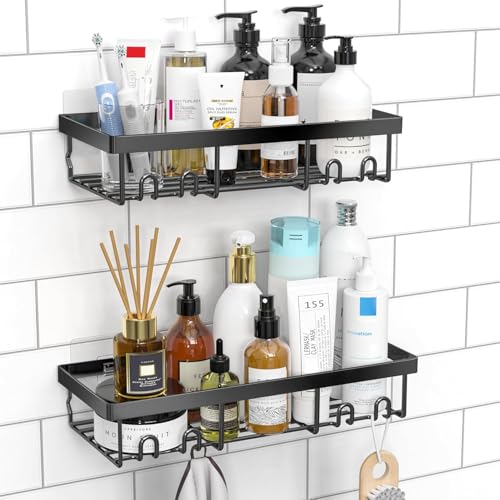
2-Pack No-Drilling Shower Caddy with Adhesive
Original price was: £9.49.£9.01Current price is: £9.01. *View On Amazon* -
Cupboard and Shelf Organisers
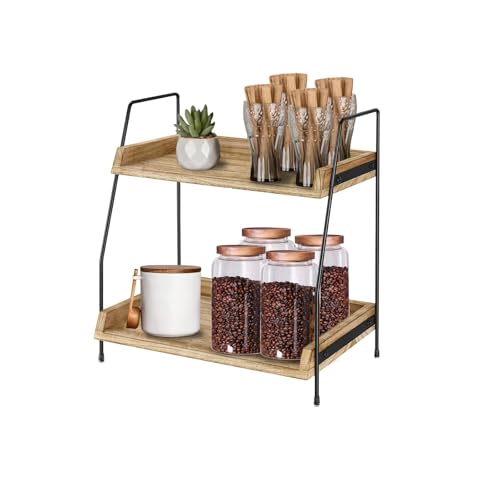
ANBOXIT Countertop Coffee Station Organizer, 2 Tier Wooden Shelf
Original price was: £21.99.£17.98Current price is: £17.98. *View On Amazon* -
Cupboard and Shelf Organisers
GRANNY SAYS 3-Shelf Hanging Storage Organiser, Pack of 1, Black
£11.69 *View On Amazon* -
Cupboard and Shelf Organisers
Eidoct 2 Tier Coffee Station Organizer Wooden Kitchen Counter Shelf
Original price was: £15.29.£13.00Current price is: £13.00. *View On Amazon* -
Cupboard and Shelf Organisers
Shower Caddy 2 Pack Black (SM) Carbon Steel Bathroom Shelves, No Drilling
Original price was: £14.99.£10.99Current price is: £10.99. *View On Amazon* -
Cupboard and Shelf Organisers
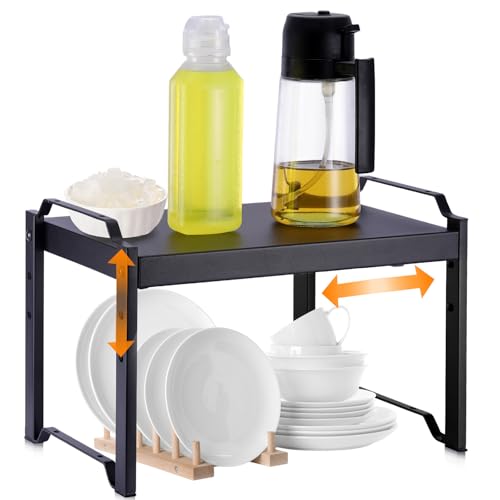
Expandable Kitchen Counter Shelf Organiser 32-53cm, Black, 3 Height Settings
£17.99 *View On Amazon* -
Cupboard and Shelf Organisers
EasyPAG Adjustable Wood Desk Shelves Desktop Bookshelf, White
£22.99 *View On Amazon* -
Cupboard and Shelf Organisers
Lifewit Hanging Wardrobe Storage Organiser for Clothes, Collapsible, 3 Tier
£16.99 *View On Amazon* -
Cupboard and Shelf Organisers
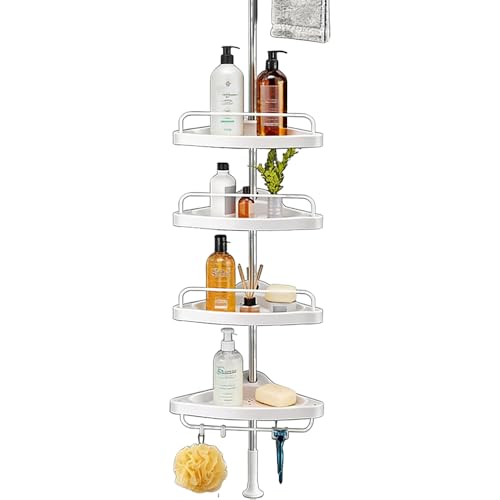
Adjustable 4 Tier Corner Shower Caddy with Towel Bar
Original price was: £11.99.£8.99Current price is: £8.99. *View On Amazon* -
Cupboard and Shelf Organisers
Thrarise Expandable Shelf Organiser with Non-Slip Pads, Adjustable 35-60 cm, Black
Original price was: £22.99.£19.20Current price is: £19.20. *View On Amazon* -
Cupboard and Shelf Organisers
evergoods 2 Tier Desktop Organizer Shelf Wooden Countertop Storage Rack
£10.59 *View On Amazon* -
Cupboard and Shelf Organisers
2-Tier Bathroom Organiser Shelf 30 x 30 x 17 cm
Original price was: £12.39.£11.49Current price is: £11.49. *View On Amazon* -
Cupboard and Shelf Organisers
iPEGTOP Expandable Cabinet Storage Shelf Organizer Rack, Adjustable Height, White, Medium
£30.99 *View On Amazon* -
Cupboard and Shelf Organisers
LEMIKKLE 2-Tier Wood Organiser with Side Basket
£20.29 *View On Amazon* -
Cupboard and Shelf Organisers
StowBin Clear Makeup Organiser with 2 Shelves and 4 Drawers
Original price was: £16.99.£13.97Current price is: £13.97. *View On Amazon* -
Cupboard and Shelf Organisers
DIFULI Shower Caddy Shelf Organiser 2 Pack, No Drill Black Shower Shelves, Self Adhesive Bathroom Storage Accessories
Original price was: £9.99.£8.49Current price is: £8.49. *View On Amazon* -
Cupboard and Shelf Organisers
Kitsure Corner Shower Caddy, Rustproof Adhesive Shelf, Large, Black
Original price was: £12.99.£9.94Current price is: £9.94. *View On Amazon* -
Cupboard and Shelf Organisers
YunNasi Cupboard Shelf Stackable Stainless Steel, L 30 x 28 x 15 cm, 1 Piece
£13.99 *View On Amazon*









How to Choose Cupboard and Shelf Organisers
Cupboard and shelf organisers divide, raise, contain or reposition household items so that the available storage space is easier to use. They can help prevent smaller products from becoming hidden, make high shelves more accessible and reduce the need to remove several items to reach something stored behind them.
The right organiser depends on the cupboard or shelf dimensions, the weight and shape of the contents and how frequently you need to access them.
Measure the usable interior before ordering. Account for doors, hinges, shelf supports, pipes, handles and any narrowing towards the rear of the cupboard.
Types of Cupboard and Shelf Organisers
Shelf Risers
Shelf risers create an additional raised level within a cupboard or on an open shelf.
They can help organise plates, cups, tins, packets, toiletries and other items that would otherwise be stacked directly on top of one another. By using the vertical space above shorter products, they can make the full shelf height more useful.
Check the width, depth and height beneath the riser. Make sure both the organiser and the original shelf can support the intended load.
Stackable Shelf Organisers
Stackable organisers allow compatible units to be placed securely on top of one another.
They can help create several storage levels inside tall cupboards or on open shelving. Some products can be used individually or combined as storage needs change.
Only stack products where the manufacturer confirms that the design is suitable. Place heavier items on the lowest level and follow any stated height or weight limits.
Expandable Shelf Risers
Expandable shelf risers adjust in width to fit a range of cupboard and shelf sizes.
They can be useful where the available space does not match a standard fixed-size organiser. Some designs also include adjustable legs or separate sections.
Check the minimum and maximum dimensions before ordering. Make sure the expanded organiser remains stable and does not obstruct cupboard doors or hinges.
Cupboard Storage Baskets
Storage baskets group packets, jars, cleaning accessories, toiletries and other smaller household items.
Handled baskets can make deep cupboards easier to manage because the complete container can be pulled forwards like a drawer. Open designs provide quick access, while higher sides help keep loose contents contained.
Check the basket’s external dimensions and allow enough clearance to grip the handle and remove it from the shelf.
Pull-Out Cupboard Organisers
Pull-out organisers slide forwards so that items stored towards the back are easier to reach.
They may be freestanding, mounted to a shelf or fixed inside a cupboard. Options can include baskets, drawers, trays and multi-level systems.
Check the installation method, extension distance and required door clearance. Fixed products should only be installed using suitable fittings for the cupboard material and expected load.
Under-Shelf Baskets
Under-shelf baskets hang beneath an existing shelf to create extra storage without requiring another full shelf.
They can be useful for cloths, wraps, lightweight packets, stationery and smaller accessories. The available capacity depends on the shelf thickness and the space beneath it.
Check that the basket will not obstruct items stored below or prevent the cupboard door from closing.
Turntable Organisers
Turntables, sometimes called rotating organisers, allow items to be reached by turning the platform rather than moving products stored in front.
They can be useful for jars, bottles, condiments, toiletries and cleaning products where listed as suitable.
Check the diameter, height and rim design. A turntable needs enough clearance to rotate freely without catching on cupboard walls or surrounding items.
Tiered Cupboard Organisers
Tiered organisers position items at different heights so that products stored behind remain visible.
They can be useful for tins, jars, spices, cosmetics and small bottles. Fixed steps provide a stable layout, while expandable designs can adapt to different cupboard widths.
Check the depth of each tier and make sure tall items will not prevent the shelf or cupboard door from closing.
Plate and Crockery Racks
Plate racks hold compatible plates, bowls, dishes or chopping boards upright or in separate levels.
Vertical storage can make individual items easier to remove without lifting a complete stack. Horizontal risers create an additional level for cups or smaller crockery.
Check the spacing, overall dimensions and stated load. Heavy stoneware and large dinner plates require a stable organiser and strong supporting shelf.
Pan and Lid Organisers
Pan organisers separate compatible saucepans, frying pans, baking trays, chopping boards and lids.
They may be used vertically or horizontally, depending on the design. Adjustable dividers can accommodate cookware of different widths.
Check the cupboard height and the size of handles. Heavy cookware may require a fixed or reinforced organiser rather than a lightweight wire rack.
Mug and Cup Organisers
Cup organisers may use shelf risers, hanging hooks or stacking racks to increase storage capacity.
Check the cup dimensions and handle shape before using hooks or fixed compartments. Heavy mugs can create substantial combined weight.
Only use hanging products where both the organiser and shelf are designed to support the load.
Door-Mounted Cupboard Organisers
Door organisers use the inside of a cupboard door for lightweight packets, cloths, lids, cleaning accessories or toiletries.
They may attach using hooks, adhesive pads or screws. The cupboard needs enough internal clearance so the stored items do not collide with shelves or contents when the door closes.
Check the door thickness, hinge strength and stated weight limit before installation.
Corner Shelf Organisers
Corner organisers help use awkward areas inside cupboards, on worktops or within bathroom storage.
Options can include triangular shelves, turntables and multi-level racks. Measure both adjoining walls and check whether the organiser will restrict access to surrounding items.
Rotating designs can be particularly useful in deep corner cupboards where suitable.
Freestanding Shelf Units
Freestanding organisers add extra levels without permanent installation.
They can suit rented homes and cupboards where drilling is not appropriate. Some fold, stack or expand to fit different spaces.
Make sure the unit stands on a level surface and remains stable when loaded.
Important Buying Considerations
Internal Cupboard Measurements
Measure the usable internal space rather than the cupboard’s external dimensions.
Record the:
- Internal width
- Internal depth
- Shelf height
- Shelf thickness
- Position of hinges
- Door clearance
- Pipe locations
- Shelf-support positions
- Space needed to remove the organiser
Measure at several points where the cupboard narrows or contains internal fittings.
Shelf Load Capacity
The organiser and the original shelf must both support the combined weight of the stored items.
Crockery, tins, jars, cookware and cleaning bottles can become heavy when grouped together. Avoid placing dense items on lightweight shelves or unsupported shelf risers.
Follow any stated weight limits and check shelves regularly for bending, cracks or loose supports.
Organiser Height
Consider both the organiser’s height and the height of the products placed on it.
A tiered rack may fit inside the cupboard when empty but become too tall once bottles or jars are added.
Leave enough clearance to remove items without scraping the shelf above.
Width and Depth
An organiser should fit comfortably without pressing against cupboard walls, hinges or doors.
Deep organisers can make full use of a large cupboard, but they may be difficult to remove when heavily loaded. A shallower basket may provide easier access.
Allow enough room for handles, drawer extensions and rotating sections.
Materials
Plastic organisers are generally lightweight and easy to wipe clean. Metal provides a rigid structure but should have smooth edges and a suitable finish.
Wood and bamboo can provide a more decorative appearance but may require greater protection from moisture. Fabric baskets can suit lightweight items but may not support bottles or cookware.
Choose a material suited to the room, load and likely exposure to spills.
Installation Method
Freestanding organisers need no permanent fixing and can be repositioned easily.
Adhesive, screw-fixed and shelf-mounted products may provide greater stability but require a suitable installation surface. Check whether permanent changes are allowed in rented accommodation.
Never exceed the stated load for adhesive hooks, pads or mounted organisers.
Accessibility
Frequently used products should remain easy to see and reach.
Pull-out baskets, turntables and handled containers can improve access in deep cupboards. Fixed risers work well where items can be reached comfortably from the front.
Avoid creating storage that requires heavy products to be lifted from above shoulder height.
Cleaning Requirements
Kitchen, bathroom and utility organisers may collect spills, crumbs, dust and cleaning-product residue.
Removable plastic trays and baskets are generally easy to wash or wipe. Wire racks can require more attention around joints and corners.
Choose a design that can be removed and cleaned without dismantling the full cupboard where possible.
Shelf Risers or Storage Baskets
Shelf risers make better use of vertical space and keep individual products visible. They can suit crockery, tins, toiletries and other items that remain upright.
Storage baskets group similar products together and can make deep shelves easier to access. Their sides may hide smaller contents unless they are labelled or transparent.
Use risers where visibility matters and baskets where you want to pull a complete category of items forwards at once.
Fixed or Adjustable Organisers
Fixed organisers provide a consistent layout and may offer greater rigidity.
Adjustable and expandable products can fit a wider range of cupboards and adapt when storage needs change. Moving sections should remain secure once positioned.
Choose a fixed design for stable, permanent storage and an adjustable organiser where flexibility is more important.
Open or Enclosed Cupboard Storage
Open organisers provide quick visibility and access. They can be useful for products used regularly.
Drawers, baskets and higher-sided containers keep loose items contained and can create a tidier appearance. They may make it harder to identify contents at a glance.
Labels and clear materials can improve visibility where enclosed storage is preferred.
Cupboard Organisers for Kitchens
Kitchen cupboards often contain crockery, tins, packets, cookware and food-storage accessories in a wide range of shapes and sizes.
Organisers can help prevent smaller products from becoming hidden behind larger items. Use suitable materials that are easy to clean and appropriate for the intended contents.
Keep food, cleaning chemicals and pet products in separate storage areas.
Organising Food Cupboards
Group similar products such as tins, packets, baking ingredients and snacks.
Use tiered racks for shorter tins and jars, handled baskets for packets and turntables for bottles where suitable.
Check dates and packaging condition regularly. An organiser cannot protect food from heat, damp, pests or unsuitable storage conditions.
Only use products intended for direct food contact where unpackaged food will touch the organiser.
Organising Crockery
Shelf risers can separate cups, bowls and plates into different levels.
Avoid stacking heavy crockery above lightweight items or placing more weight on the riser than it is designed to carry.
Plate racks can make individual dishes easier to access, but the spacing must suit their size and thickness.
Organising Pots and Pans
Pan racks and adjustable dividers can reduce the need to stack heavy cookware.
Place larger pans and casserole dishes on lower shelves where they can be lifted safely. Keep handles positioned so cupboard doors close fully.
Check that coated cookware does not rub against rough metal edges.
Organising Pan Lids
Vertical lid organisers can keep lids upright and easier to match with cookware.
Measure the lid diameter, handle height and thickness. Some organiser slots may not suit large knobs or unusually shaped lids.
Avoid placing glass lids where they could fall or strike one another.
Organising Baking Trays and Chopping Boards
Vertical dividers can separate trays, boards and cooling racks.
Keep heavier boards lower down and make sure the organiser remains stable when one item is removed.
Clean and dry every item before returning it to storage.
Organising Under-Sink Cupboards
Under-sink cupboards can be difficult to organise because pipework and waste fittings reduce the usable space.
Measure around every pipe and connection before choosing an organiser. Adjustable shelves, narrow baskets and pull-out trays can work around awkward areas.
Check regularly for plumbing leaks and cleaning-product spills.
Storing Cleaning Products
Keep cleaning products upright in their original labelled containers.
Avoid storing incompatible chemicals where a leak could allow them to mix. Bleach, acidic descalers, drain cleaners and ammonia-based products may require separate storage.
Where products must be kept away from children or pets, place the complete organiser inside a secure or locked cupboard.
Working Around Pipes
Choose organisers that fit around the existing plumbing without pressing against pipes, traps or flexible hoses.
Do not force a shelf or drawer into the cupboard if it obstructs access to shut-off valves or waste connections.
Leave enough space to inspect plumbing and deal with leaks.
Cupboard Organisers for Bathrooms
Bathroom organisers can group toiletries, towels, toilet rolls, grooming accessories and cleaning supplies.
Choose materials suited to humid conditions and allow wet items to dry before storage.
Medicines, razors and hazardous products should remain securely stored away from children.
Toiletry Storage
Use baskets or turntables to group shampoos, skincare products and spare toiletries.
Keep bottles upright and clean leaks promptly. Check expiry and usage information periodically rather than allowing products to remain forgotten at the back.
Do not store products in direct contact with persistent damp.
Towel and Linen Storage
Shelf dividers and baskets can keep folded towels and spare linens separated.
Make sure every item is completely dry before placing it in a cupboard. Overcrowded towels can restrict airflow and develop musty odours in damp conditions.
Cupboard Organisers for Bedrooms
Bedroom cupboards and shelves can hold clothing accessories, handbags, bedding and personal items.
Fabric baskets can suit lightweight contents, while rigid plastic or metal organisers provide greater support for heavier belongings.
Keep valuable items in appropriate secure storage rather than relying on an open shelf organiser.
Wardrobe Shelf Organisers
Shelf dividers, baskets and risers can organise folded clothing, scarves, bags and seasonal accessories.
Measure around clothes rails and wardrobe doors. Organisers should not crush hanging garments or prevent doors closing.
Place lightweight items on higher shelves and keep heavy boxes lower down.
Cupboard Organisers for Utility Rooms
Utility cupboards often store laundry products, cleaning tools, cloths and spare household supplies.
Choose organisers that are easy to wipe and strong enough for detergent bottles and other dense products.
Keep laundry capsules and cleaning chemicals securely away from children and pets.
Allow damp cloths, sponges and mop heads to dry before placing them inside an enclosed cupboard.
Cupboard Organisers for Home Offices
Shelf organisers can group paperwork, stationery, printer supplies, cables and technology accessories.
Use trays and boxes suited to standard paper sizes where required. Heavy documents should be stored on strong lower shelves.
Confidential papers and valuable equipment may require lockable or specialist storage.
Cupboard Organisers for Children’s Rooms
Open baskets and labelled shelf sections can make toys, clothing and craft supplies easier for children to find and return.
Choose smooth, stable organisers without sharp edges or small detachable components.
Avoid tall unstable stacks and keep batteries, medicines, cords and hazardous craft products in adult-controlled storage.
Using Shelf Risers Safely
Place shelf risers on a clean, level surface.
Distribute weight evenly and avoid loading only one side. Do not exceed the stated capacity or place unstable objects close to the edge.
Check that the organiser’s feet do not slip or damage the supporting shelf.
Using Turntables Safely
Place taller or heavier bottles towards the centre where practical.
Do not overload the turntable or allow items to extend beyond the edge. Check that the platform rotates freely before closing the cupboard.
Clean spills promptly, as sticky residue can interfere with the rotating mechanism.
Using Pull-Out Organisers
Install fixed pull-out products according to the supplied instructions.
Make sure the runners are aligned and the cupboard shelf or base can support the load. Do not lean or pull downwards on an extended basket.
Keep the area in front of the cupboard clear while the organiser is open.
Using Door Organisers
Check that the cupboard door and hinges can support the additional weight.
Store lightweight products unless the organiser is designed for heavier loads. Distribute contents evenly and make sure nothing catches on internal shelves.
Open and close the door gently to reduce strain on the fittings.
Organising Deep Cupboards
Deep cupboards often allow products to become hidden at the back.
Handled baskets, pull-out trays and turntables can make rear items easier to reach. Group contents by use rather than placing unrelated belongings in the same container.
Keep frequently needed products near the front and store occasional items further back.
Organising High Shelves
High shelves should hold lightweight, less frequently used items.
Avoid placing glass jars, heavy cookware or large cleaning bottles above head height. Use suitable household steps rather than chairs or unstable furniture.
Label containers so their contents can be identified before they are lifted down.
Organising Narrow Cupboards
Slim baskets, tiered racks and narrow pull-out units can make better use of tight spaces.
Measure the narrowest internal point and check whether the organiser can pass through the cupboard opening.
Leave room for hinges and door movement.
Organising Corner Cupboards
Corner cupboards can contain deep areas that are difficult to reach.
Turntables, pull-out systems and shaped shelves can improve access where compatible. Measure the door opening as well as the internal area.
Do not overload rotating or mechanical corner units beyond their stated capacity.
Preventing Cupboard Clutter
An organiser should improve access rather than simply allowing more products to be packed into the same space.
Group similar items and remove expired, damaged or unused products regularly.
Leave enough room to return items without moving several other containers. Avoid creating unstable stacks that collapse whenever one product is removed.
Labelling Cupboard and Shelf Organisers
Labels can make baskets and containers easier to identify.
Useful labels may include:
- Baking
- Snacks
- Breakfast
- Cleaning cloths
- Laundry products
- Toiletries
- Medicines
- Children’s items
- Office supplies
- Seasonal accessories
Use removable labels where storage uses may change.
Do not label medicines or sensitive belongings in a way that makes them visible or accessible to unauthorised people.
Preventing Cross-Contamination
Keep food, cleaning chemicals, pet supplies, toiletries and medicines in separate organisers.
Do not move a basket from a bathroom or utility cupboard into a food cupboard without cleaning it thoroughly.
Use dedicated containers for cleaning cloths, pet accessories and food-related items.
Check for spills and leaks regularly.
Preventing Damp and Mould
Store only clean, dry items and keep cupboards suitably ventilated.
Check cupboards positioned against external walls or beneath sinks for condensation, leaks and musty odours.
Avoid pushing fabric or wooden organisers tightly against damp surfaces.
Address the source of moisture rather than relying on plastic containers or moisture absorbers alone.
Protecting Cupboard Shelves
Check organiser bases for trapped grit, rough edges and exposed fasteners.
Use suitable shelf liners where appropriate and compatible with the cupboard material.
Lift organisers rather than dragging them across painted, laminated or wooden surfaces.
Clean spills before they soak into board or timber shelves.
Cleaning Plastic Organisers
Empty the organiser and remove loose crumbs, dust or residue.
Wipe or wash it using a method suitable for the material. Rinse where required and dry every surface before returning it to the cupboard.
Pay attention to corners, handles and non-slip feet.
Do not use very hot water or strong chemicals unless the manufacturer confirms they are suitable.
Cleaning Metal Organisers
Wipe metal or coated-wire organisers with a suitable cloth and dry them thoroughly.
Inspect for rust, chipped coatings, sharp edges and loose joins.
Do not use a damaged metal organiser where it could scratch crockery, tear packaging or injure hands.
Cleaning Wooden and Bamboo Organisers
Dust regularly and wipe sparingly using the recommended cleaning method.
Avoid soaking wood or bamboo because excess moisture can cause swelling, splitting or warping.
Allow the organiser to dry completely before returning it to an enclosed cupboard.
Cleaning Fabric Baskets
Check the care label before cleaning.
Some fabric baskets are washable, while others contain cardboard or rigid inserts and require vacuuming or spot cleaning.
Remove inserts where directed and allow every section to dry thoroughly.
Do not store damp fabric baskets inside closed cupboards.
Maintaining Moving Parts
Pull-out organisers, turntables and adjustable products may include runners, hinges, wheels and locking mechanisms.
Inspect these parts periodically for:
- Loose screws
- Cracks
- Sticking runners
- Dirt build-up
- Damaged wheels
- Failed locks
- Bent frames
- Rough movement
Use lubricants only where the manufacturer recommends a suitable product and method.
Cupboard Organisers Around Children
Fit child-resistant cupboard locks where required for chemicals, medicines and hazardous household products.
Avoid unstable stacks or organisers that can be pulled down easily.
Keep sharp objects, batteries, small components and cleaning products in secure adult-controlled storage.
Do not allow children to climb on open cupboard doors, pull-out organisers or shelves.
Cupboard Organisers Around Pets
Pets may open low cupboards, chew fabric baskets or access food and cleaning products.
Use suitable cupboard locks where necessary and keep hazardous products securely stored.
Check lower organisers for damage, spills and loose components.
Do not store pet food beside cleaning chemicals or household medicines.
When to Replace Cupboard and Shelf Organisers
Replace an organiser when it becomes:
- Cracked
- Bent
- Rusted
- Torn
- Unstable
- Difficult to clean
- Unable to support its contents
- Damaged around handles
- Faulty around runners or hinges
- Sharp or rough
Do not continue loading an organiser that visibly bows, leans or slips.
Useful Cupboard and Shelf Organiser Accessories
Useful additions may include:
- Removable labels
- Shelf liners
- Drawer inserts
- Storage baskets
- Turntables
- Shelf dividers
- Stackable risers
- Door hooks
- Pull-out trays
- Non-slip feet
Check dimensions, installation requirements and material compatibility before combining accessories.
Choose products that solve a specific storage problem without making the cupboard overcrowded or difficult to clean.
Why Buy Cupboard and Shelf Organisers from YPC?
At YPC, we understand active lifestyles and the need for practical products that work in real use. Our Cupboard and Shelf Organisers category makes it easier to compare shelf risers, baskets, turntables, pull-out storage and adjustable organisation solutions.
Browse the available options and compare dimensions, materials, load capacity and installation requirements to find organisers suited to your cupboards, shelves and household belongings.
Frequently Asked Questions
How do I measure a cupboard for an organiser?
Measure the usable internal width, depth and height. Account for hinges, doors, shelf supports, pipes and the space required to remove or extend the organiser.
Are shelf risers suitable for heavy crockery?
Only where the riser and supporting shelf have an appropriate stated load capacity. Distribute weight evenly and avoid overloading lightweight organisers.
What is the best organiser for a deep cupboard?
Handled baskets, pull-out trays and turntables can make items at the back easier to reach. The most suitable option depends on the cupboard dimensions and contents.
Can cupboard organisers be stacked?
Only stack products specifically designed for it. Follow any stated height and weight limits and place heavier contents at the bottom.
Are cupboard and shelf organisers washable?
Many plastic organisers are washable, while metal, wood, bamboo and fabric products may require different care. Follow the individual cleaning instructions.
 Getting ready for Summer? View our Home and Garden Products

Heading outdoors this winter? Take a look at our Outdoor Clothing.