
Drawer Organisers
Drawer Organisers for Tidier, Easier-to-Use Storage
Drawer organisers divide larger spaces into practical sections for clothing, cutlery, stationery, cosmetics, tools and other everyday household items. Choosing the right size and layout can make belongings easier to find while preventing smaller items from becoming mixed together or hidden at the back.
Browse adjustable drawer dividers, compartment trays, modular boxes, fabric organisers, cutlery trays and specialist storage inserts. Compare products by their external dimensions, compartment sizes, materials, adjustability and suitability for the drawer and items you need to organise.
Explore Drawer Organisers at YPC to find practical storage solutions for kitchens, bedrooms, bathrooms, home offices, dressing tables and utility areas.
-
Drawer Organisers
16 Piece Adjustable Drawer Dividers, White, 32 x 7 cm
Original price was: £8.99.£8.71Current price is: £8.71. *View On Amazon* -
Drawer Organisers
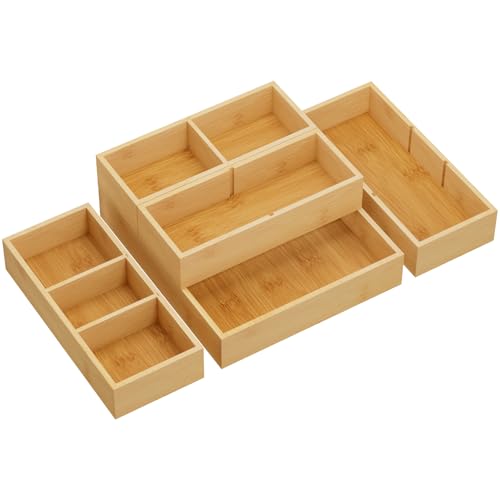
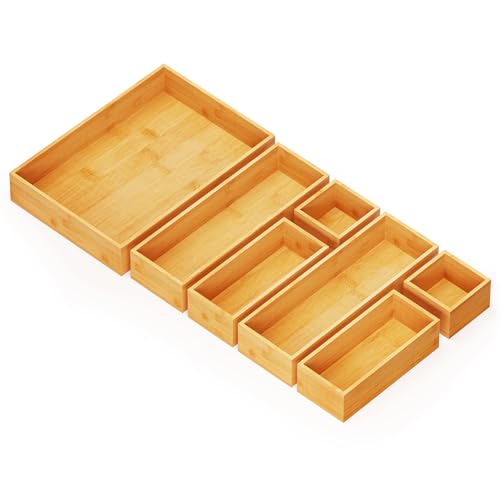
Lifewit 5-Piece Bamboo Drawer Organiser Set with 6 Inserts
Original price was: £19.99.£16.99Current price is: £16.99. *View On Amazon* -
Drawer Organisers
XIVIRACK 10 Pack Drawer Organiser Bins for Clothes, Beige
Original price was: £15.99.£13.59Current price is: £13.59. *View On Amazon* -
Drawer Organisers
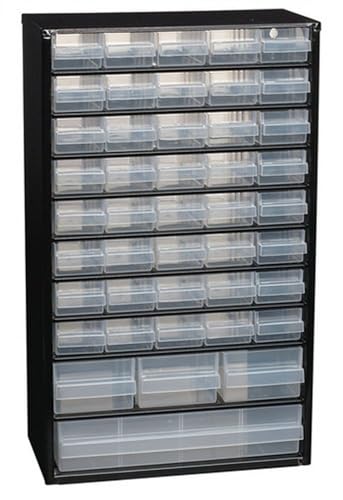
Raaco 126762.0 44 Compartment Steel Frame Cabinet Organiser
£32.99 *View On Amazon* -
Drawer Organisers
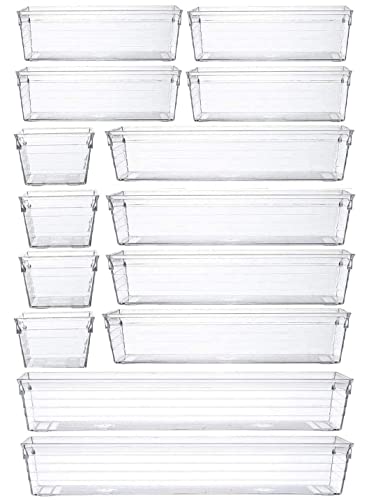
Amtido 4 Pack Drawer Organisers, Clear Plastic, 15.2cm x 22.9cm x 5.1cm
£14.97 *View On Amazon* -
Drawer Organisers
OXO Good Grips Large Expandable Kitchen Tool Drawer Organizer
Original price was: £28.00.£25.99Current price is: £25.99. *View On Amazon* -
Drawer Organisers
DIMJ Drawer Organisers and Clothes Dividers 12 Pack Fabric Wardrobe Storage Cubes, Beige
£12.98 *View On Amazon* -
Drawer Organisers
Yafe 6 Pack Adjustable Drawer Dividers Organiser 11.8″-19.7″ Transparent
Original price was: £13.99.£11.89Current price is: £11.89. *View On Amazon* -
Drawer Organisers
Lifewit 4 Pack 5 Inch High Adjustable Drawer Dividers, White
£24.99 *View On Amazon* -
Drawer Organisers
Grace Store 14 Pcs Clear Plastic Drawer Organiser Trays
Original price was: £11.99.£9.99Current price is: £9.99. *View On Amazon* -
Drawer Organisers
Homsorout Foldable Drawer Organisers 10 Pack, Beige
Original price was: £13.59.£11.39Current price is: £11.39. *View On Amazon* -
Drawer Organisers
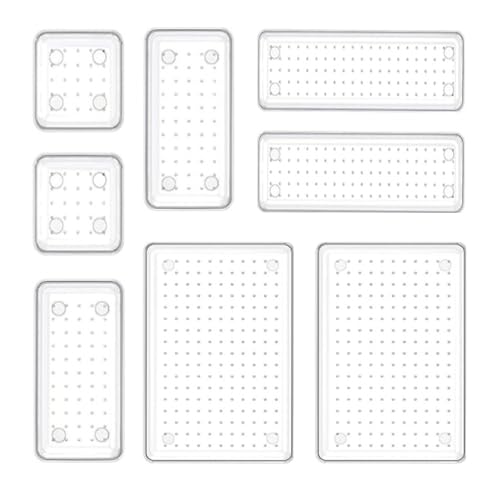
toijnhtk Drawer Organiser 8-Piece Interlocking Plastic Storage Trays, 3 Sizes, White
£7.99 *View On Amazon* -
Drawer Organisers
DIMJ 20 Pack Drawer Clothes Organiser
Original price was: £23.99.£19.99Current price is: £19.99. *View On Amazon* -
Drawer Organisers
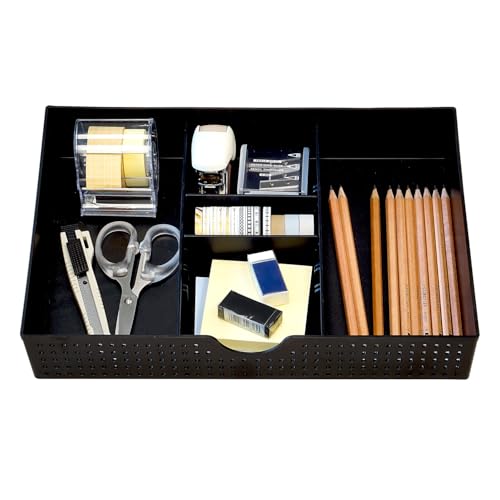
Amtido Desk Drawer Organiser Tray with 3 Compartments and 2 Adjustable Dividers, Black
£10.99 *View On Amazon* -
Drawer Organisers
flintronic 2 Pack Drawer Organisers Dividers, 24 Cells Foldable Storage Boxes
Original price was: £6.99.£5.94Current price is: £5.94. *View On Amazon* -
Drawer Organisers
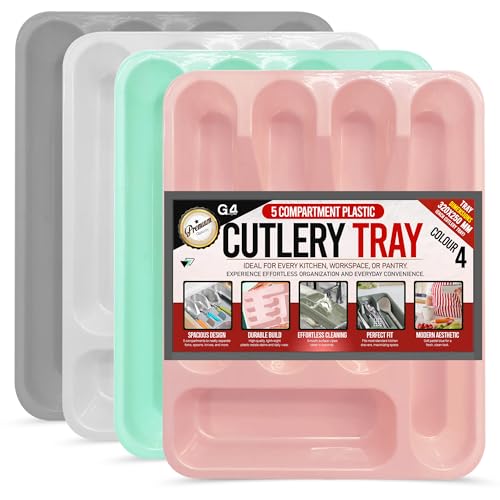
Lifewit Expandable Cutlery Drawer Organiser with Knives Holder
£19.99 *View On Amazon*










How to Choose Drawer Organisers
Drawer organisers create smaller compartments inside a larger drawer, helping you group similar belongings and make better use of the available space. They can be used for cutlery, clothing, jewellery, cosmetics, stationery, tools and many other household items.
The right organiser depends on the drawer’s internal dimensions, the objects you need to store and whether you prefer a fixed, adjustable or modular layout.
Measure the usable interior before ordering. Drawer fronts, runners, hinges and tapered sides can reduce the space available, so measure the width, depth and height at the narrowest points.
Types of Drawer Organisers
Compartment Drawer Trays
Compartment trays contain several fixed sections within a single organiser. They can be useful for cutlery, stationery, cosmetics, jewellery and other collections of smaller items.
Fixed compartments provide a structured layout and require little setup. However, they offer less flexibility if your belongings vary significantly in shape or size.
Check the dimensions of each individual section as well as the organiser’s overall measurements.
Adjustable Drawer Dividers
Adjustable dividers separate a drawer into larger sections without requiring a complete tray. They may use springs, locking mechanisms, clips or expandable ends to remain in position.
They can be useful for folded clothing, kitchen utensils, towels and larger accessories because the compartment widths can be adapted to suit the contents.
Check the minimum and maximum extension, divider height and suitable drawer-wall thickness where listed.
Modular Drawer Organisers
Modular organisers use several separate trays or boxes that can be arranged in different combinations.
They offer flexibility because individual pieces can be moved, removed or added as your storage needs change. This can work well for stationery, cosmetics, craft supplies and mixed household accessories.
Measure carefully to make sure the selected pieces fit together within the drawer without leaving unusable gaps or preventing it from closing.
Expandable Drawer Organisers
Expandable organisers increase in width or length to fit a range of drawer sizes. Kitchen cutlery trays commonly use this design, although expandable products are also available for utensils and general storage.
Check both the closed and fully expanded dimensions. An organiser may fit the drawer width but become too deep or tall once adjusted.
Make sure the moving sections lock or remain stable when the drawer is opened.
Fabric Drawer Organisers
Fabric organisers are often divided into sections for underwear, socks, ties, scarves and other clothing accessories.
They are lightweight and may fold flat when not in use. Reinforced sides can help the compartments retain their shape when partially filled.
Check whether the organiser can be washed, wiped or spot cleaned. Products supported by cardboard or rigid inserts may not be suitable for machine washing.
Wooden and Bamboo Drawer Organisers
Wooden and bamboo organisers provide a rigid structure and can suit kitchens, bedrooms and visible dressing areas.
They may offer a more substantial appearance than lightweight plastic or fabric alternatives. Expandable wooden trays can provide additional compartments where drawer width allows.
Keep them away from persistent moisture and follow the care instructions. Excess water can cause swelling, staining, splitting or distortion.
Plastic Drawer Organisers
Plastic organisers are lightweight, widely available and usually easy to wipe clean.
They can suit kitchens, bathrooms, offices, utility rooms and craft areas. Clear plastic makes the contents visible, while coloured or opaque trays can create a more uniform appearance.
Check whether the plastic is suitable for the intended contents and environment, particularly where food-contact utensils, moisture or heavier objects are involved.
Non-Slip Drawer Organisers
Non-slip organisers may include rubberised feet, textured bases or soft liners designed to reduce movement when the drawer opens and closes.
They can be useful for cutlery, utensils, cosmetics and other items that shift easily.
Non-slip materials may leave marks or react with some painted, varnished or delicate drawer finishes. Check compatibility and inspect the surface periodically.
Stackable Drawer Organisers
Some deep drawers can accommodate two levels of shallow trays or inserts. Stackable designs may help use vertical space for jewellery, stationery and small accessories.
Make sure the complete arrangement remains below the drawer’s usable height. Allow enough clearance for handles, raised contents and the upper tray to move freely.
Frequently used items should remain accessible without removing several heavy layers.
Important Buying Considerations
Internal Drawer Dimensions
Measure the usable interior rather than the drawer front.
Record the:
- Internal width
- Internal depth
- Usable height
- Narrowest point
- Space around runners
- Shape of the drawer sides
- Clearance beneath handles
- Distance below the drawer above
Measure more than once if the drawer tapers or has irregular internal fittings.
Compartment Size
Think about the exact items you plan to organise.
Small compartments suit jewellery, clips and stationery, while longer sections are needed for kitchen utensils, ties and tools. Folded clothing often benefits from wider, deeper sections.
An organiser with many compartments is not automatically more useful if none of them match the objects being stored.
Organiser Height
The organiser must sit low enough for the drawer to close without pressing against the contents.
Remember to include items that may extend above the organiser, such as utensils, bottles, brushes or stacked clothing.
A shallow tray may suit a desk drawer, while clothing and bathroom storage can require deeper sections.
Adjustability
Adjustable organisers can adapt to different drawers and changing storage needs. They may be particularly useful in rented homes or furniture that could later be replaced.
Fixed organisers are often simpler and more stable, but they require more precise measurements.
Choose flexibility where your requirements may change and a fixed design where consistent compartment sizes matter.
Materials
Plastic is usually easy to clean and suitable for regular household use. Fabric is lightweight and can suit clothing, while wood or bamboo provides a rigid structure.
Metal organisers may offer strength but should have smooth edges and a suitable finish.
Choose a material suited to the room, contents and likely exposure to moisture or spills.
Cleaning Requirements
Kitchen, bathroom and make-up organisers may need more frequent cleaning than those used for clothing or paperwork.
Smooth removable trays are generally easier to wash or wipe. Fabric and wood may require more careful maintenance.
Check whether the organiser can be removed without emptying several other sections of the drawer.
Weight and Durability
Dense items such as tools, batteries, cutlery and office supplies can place more strain on an organiser than clothing or cosmetics.
Check any stated load limits and inspect corners, joints and divider mechanisms before use.
Lightweight organisers may flex or move when filled with heavy items.
Fixed or Adjustable Drawer Organisers
Fixed organisers provide a consistent layout and can remain stable during daily use. They suit belongings that are similar in size and unlikely to change.
Adjustable dividers offer more flexibility and can be repositioned when contents or drawer use changes. They may leave fewer clearly defined small compartments.
The better option depends on whether you need a permanent arrangement or a layout that can evolve over time.
One Large Organiser or Several Modular Trays
A single large organiser can create a neat, unified appearance and is less likely to move around.
Several smaller trays allow you to create a custom layout and remove individual sections when needed. Small organisers can shift unless they fit closely together or include non-slip bases.
Modular trays are often more adaptable, while one-piece organisers can be easier to lift and clean as a complete unit.
Drawer Organisers for Kitchens
Kitchen drawer organisers can separate cutlery, utensils, gadgets, food-storage accessories and other cooking equipment.
Choose wipe-clean materials and check whether the organiser is suitable for items used around food. Utensils should be completely clean and dry before being stored.
Do not overload shallow trays with heavy knives, metal tools or bulky equipment.
Cutlery Drawer Organisers
Cutlery trays usually include long compartments for knives, forks and spoons, with smaller areas for teaspoons and accessories.
Measure the longest cutlery pieces and check whether the sections are deep enough to prevent items crossing into neighbouring compartments.
Sharp knives should be stored using a suitable knife organiser rather than loose in an ordinary cutlery tray where they could cause injury.
Kitchen Utensil Organisers
Longer organisers can hold spatulas, serving spoons, whisks, peelers and other kitchen tools.
Expandable designs may provide extra width for less frequently used utensils. Avoid packing the compartments so tightly that tools become difficult to remove safely.
Keep heavy or sharp equipment away from lightweight dividers that could bend or break.
Food Storage Accessory Organisers
Drawer organisers can group food bag clips, reusable lids, foil accessories and small food-storage items.
Only place clean, dry products inside the organiser. Keep household chemicals and non-food items in separate drawers.
Check small components regularly and discard anything broken or difficult to clean.
Drawer Organisers for Bedrooms
Bedroom drawers can use organisers for underwear, socks, scarves, belts, nightwear and accessories.
Divided fabric storage can help keep clothing folded and visible rather than piled into one large space.
Choose compartment sizes that suit the garments without compressing them excessively.
Underwear Organisers
Small or medium fabric compartments can separate underwear by type, colour or household member.
Make sure garments are clean and fully dry before storage. Overfilling the sections can stretch the organiser and make items harder to identify.
Follow the clothing care instructions and avoid storing delicate lace against rough edges or damaged inserts.
Sock Organisers
Individual sections can keep pairs together and make different colours or styles easier to find.
Avoid rolling socks so tightly that elastic sections remain stretched during storage. Folding pairs loosely may help maintain their shape.
Review the organiser periodically and remove single or worn-out socks that are no longer needed.
Tie and Belt Organisers
Long narrow compartments can store rolled ties, belts and scarves.
Do not fold delicate ties sharply or press heavy items on top of silk and other sensitive materials.
Belts should be rolled loosely or placed in sections wide enough to avoid permanent bending.
Drawer Organisers for Bathrooms
Bathroom organisers can hold toiletries, grooming accessories, make-up, razors and spare personal-care products.
Choose materials suited to humid conditions and easy cleaning. Avoid storing wet items in an enclosed drawer.
Medicines, razors and potentially hazardous products should remain secured away from children, regardless of the organiser used.
Cosmetic Drawer Organisers
Cosmetic organisers may include sections for brushes, compacts, lip products, palettes and small bottles.
Check that liquids can remain upright and that the drawer is deep enough for taller containers.
Clean spills promptly and review expiry or usage guidance for products stored out of their original packaging.
Hair Accessory Organisers
Small compartments can separate clips, bands, pins and styling accessories.
Keep heated tools and electrical items completely cool before storing them. Cables should not be bent sharply or trapped by the drawer.
Small hair accessories should remain out of reach of babies and young children.
Drawer Organisers for Home Offices
Desk-drawer organisers can separate pens, pencils, clips, charging cables, memory cards and other office supplies.
A shallow modular layout can make smaller items easy to see without wasting vertical space.
Keep batteries, sharp tools and confidential documents in suitable secure storage where required.
Stationery Organisers
Long compartments suit pens and rulers, while smaller sections can hold clips, erasers and drawing accessories.
Remove leaking pens, dried adhesives and damaged stationery before they mark the organiser or drawer.
Do not allow sharp scissors or craft knives to remain loose where hands may reach into the drawer without seeing them.
Cable and Technology Organisers
Small boxes or divided trays can organise charging cables, adapters, memory cards and device accessories.
Avoid bending cables tightly or placing heavy items on top of connectors.
Label similar leads so they can be matched with the correct device. Damaged cables should be removed from use rather than stored for later.
Drawer Organisers for Jewellery
Jewellery organisers may include padded sections, ring slots, small compartments and removable trays.
Separate necklaces to reduce tangling and keep delicate items away from rough metal fastenings.
Ordinary drawer organisers may not offer appropriate security for valuable jewellery. Use a secure, purpose-designed solution where theft protection matters.
Check small items regularly, particularly in homes with children or pets.
Drawer Organisers for Craft Supplies
Craft drawers can use modular trays for thread, beads, paints, cutting tools, fasteners and small components.
Choose wipe-clean organisers for products that may leak or stain.
Sharp tools, adhesives and small parts should be stored securely and kept away from children unless used under appropriate supervision.
Label trays where several similar supplies are kept together.
Drawer Organisers for Tools and DIY Accessories
Rigid organisers can separate screws, drill bits, measuring tools and small household hardware.
Check the organiser’s weight capacity and whether the compartments can contain small pieces when the drawer is opened quickly.
Sharp tools should have protective covers and remain securely positioned.
Heavy equipment may require a specialist toolbox rather than a lightweight household drawer organiser.
Drawer Organisers for Utility Rooms
Utility drawers can hold pegs, laundry accessories, cleaning cloths, brushes and replacement parts.
Keep chemicals and cleaning products in their original labelled packaging and away from food or personal-care items.
Avoid storing wet cloths or sponges inside a closed drawer, as trapped moisture can cause odours and mould.
Organising Deep Drawers
Deep drawers can become difficult to manage because small items disappear beneath larger belongings.
Use taller compartments for clothing, bottles and upright items. Shallow stackable trays may help organise small accessories where the drawer height permits them.
Do not create so many levels that frequently used items become difficult to reach.
Organising Shallow Drawers
Shallow drawers require low-profile organisers and careful measurement.
Pens, jewellery, cutlery and small accessories can suit shallow trays. Check that the contents remain below the top of the organiser.
Even a few extra millimetres can prevent a drawer from closing correctly.
Organising Wide Drawers
Wide drawers can use a mixture of adjustable dividers and modular trays to create sections of different sizes.
Avoid leaving large empty gaps where organisers can slide whenever the drawer opens.
A non-slip liner may help where suitable for the drawer finish, but check the material guidance before use.
Organising Narrow Drawers
Slim trays and lengthways dividers can make narrow kitchen, bathroom and office drawers easier to use.
Measure the opening as well as the internal width. Some drawer fronts and runners restrict the size of organiser that can be inserted.
Choose designs that can be removed easily for cleaning.
Preventing Drawer Organisers from Sliding
Choose an organiser that fits the available space closely or includes non-slip feet.
A suitable drawer liner may reduce movement, provided it is compatible with the furniture finish.
Avoid using permanent adhesives unless the organiser and drawer are designed for them. Adhesive residue can damage paint, veneer and varnish.
Preventing Overfilling
An organiser should make items easier to access rather than packing more belongings into an already overcrowded drawer.
Do not force items into sections that are too small. Overfilling can bend dividers, damage clothing and stop the drawer closing.
Review the contents regularly and remove broken, expired or unused items.
Leave enough space to return belongings without rearranging the entire drawer.
Labelling Drawer Organisers
Labels can help household members return items to the correct compartment.
They may be particularly useful for children’s clothing, craft supplies, tools and shared office storage.
Use removable labels where the drawer’s purpose may change. Avoid placing sensitive personal information on labels in shared accommodation or workplaces.
Drawer Organisation for Children
Low drawers and picture labels can help children find and put away clothing, toys and craft supplies.
Choose lightweight organisers with smooth edges and no easily detached small parts.
Keep medicines, batteries, sharp tools, cords and choking hazards in secure adult-controlled storage.
Check drawers for anti-tip guidance where several drawers can be opened at once.
Drawer Organisers Around Pets
Pets may chew fabric organisers, rubber liners and plastic dividers.
Keep medicines, food-related items, chemicals and small accessories securely away from animals.
Check low drawers periodically for damage where pets can reach them.
Do not store pet treats alongside household chemicals or personal-care products.
Preventing Cross-Contamination
Use separate organisers for food utensils, bathroom products, tools, pet supplies and cleaning accessories.
Do not move a dirty organiser from a utility drawer into a kitchen without cleaning it properly first.
Colour coding or labels can help prevent products being used in the wrong area.
Wash and dry reusable organisers completely before changing their purpose.
Cleaning Plastic Drawer Organisers
Empty the organiser and remove loose debris.
Wipe or wash it using a method suitable for the plastic. Rinse where required and allow it to dry completely before returning it to the drawer.
Pay attention to corners, dividers and non-slip feet where residue can collect.
Avoid very hot water and strong chemicals unless the manufacturer confirms compatibility.
Cleaning Fabric Drawer Organisers
Check the care label before cleaning.
Some organisers are washable, while others contain cardboard or rigid inserts and require vacuuming or spot cleaning.
Remove inserts where instructed and allow every compartment to dry completely.
Do not place a damp organiser inside an enclosed drawer.
Cleaning Wooden and Bamboo Organisers
Dust the organiser and wipe it sparingly using the recommended method.
Avoid soaking wood or bamboo because excess moisture can cause swelling, splitting or distortion.
Dry the organiser promptly and check for rough edges before returning delicate clothing or utensils.
Do not place wooden organisers in a dishwasher unless specifically permitted.
Cleaning Metal Drawer Organisers
Wipe coated or stainless-steel organisers with a suitable cloth and dry them thoroughly.
Inspect for rust, chipped coatings, bent sections and sharp edges.
Stop using any organiser that could snag clothing or cut hands.
Follow the manufacturer’s guidance before applying chemical cleaners.
Maintaining Adjustable Dividers
Inspect springs, clips and locking sections periodically.
Remove dust and debris that could prevent the divider from gripping the drawer sides correctly.
Do not extend a divider beyond its stated range. Excess tension can damage the organiser or drawer walls.
Replace dividers that no longer remain secure.
Protecting Drawer Interiors
Check organisers for rough bases, exposed fasteners and trapped grit before placing them into a drawer.
Use suitable protective liners where appropriate, particularly on delicate wood or painted finishes.
Do not use rubberised or plastic liners that may react with the furniture surface without checking compatibility.
Lift organisers out for cleaning rather than dragging them across the drawer base.
Drawer Safety
Do not overload drawers beyond the furniture manufacturer’s stated capacity.
Heavy contents can damage runners, cause drawers to sag or increase the risk of furniture tipping.
Fit wall restraints where supplied or recommended, particularly on tall drawer units.
Avoid opening several heavily loaded drawers at the same time.
When to Replace a Drawer Organiser
Replace an organiser when it becomes:
- Cracked or split
- Torn
- Permanently stained
- Difficult to clean
- Warped
- Rusted
- Rough or sharp
- Unable to hold its shape
- Unstable inside the drawer
- Damaged around locking mechanisms
A damaged organiser can snag clothing, spill small contents or prevent the drawer closing safely.
Useful Drawer Organiser Accessories
Useful additions may include:
- Non-slip drawer liners
- Removable labels
- Adjustable dividers
- Modular trays
- Jewellery inserts
- Cutlery sections
- Cable ties
- Small storage boxes
- Shelf organisers
- Wardrobe dividers
Check dimensions and material compatibility before combining products.
Avoid adding so many accessories that the drawer becomes harder to use or can no longer close correctly.
Why Buy Drawer Organisers from YPC?
At YPC, we understand active lifestyles and the need for practical products that work in real use. Our Drawer Organisers category makes it easier to compare adjustable dividers, modular trays, fabric compartments and specialist inserts for different areas of the home.
Browse the available options and compare dimensions, compartment sizes, materials and adjustability to find drawer storage suited to your belongings and furniture.
Frequently Asked Questions
How do I measure a drawer for an organiser?
Measure the usable internal width, depth and height at the narrowest points. Account for runners, tapered sides, handles and clearance beneath the drawer above.
Are adjustable drawer dividers better than fixed trays?
Adjustable dividers offer greater flexibility, while fixed trays provide a stable, clearly defined layout. The right option depends on the items and whether your storage needs may change.
Can drawer organisers be used for clothing?
Yes. Fabric compartments and adjustable dividers can organise socks, underwear, ties, scarves and folded clothing, provided they fit the drawer correctly.
How can I stop drawer organisers moving?
Choose a close-fitting organiser or one with non-slip feet. A compatible non-slip drawer liner may also help without permanently attaching the organiser.
Are drawer organisers washable?
Some plastic and fabric products are washable, while wooden, bamboo and reinforced fabric designs may require wiping or spot cleaning. Follow the individual care instructions.
 Getting ready for Summer? View our Home and Garden Products

Heading outdoors this winter? Take a look at our Outdoor Clothing.