
Sink Caddies and Organisers
Sink Caddies and Organisers for Tidier Kitchen Worktops
Sink caddies and organisers provide a dedicated place for washing-up liquid, brushes, sponges, cloths and other everyday cleaning accessories. Choosing the right design can help reduce clutter, improve drainage and keep wet items away from food-preparation areas.
Browse countertop organisers, suction caddies, tap-mounted holders, over-sink baskets, sponge trays and expandable sink organisers. Compare products by their dimensions, storage capacity, drainage design, materials, mounting method and compatibility with your sink, taps and surrounding surfaces.
Explore Sink Caddies and Organisers at YPC to find practical options for compact kitchens, family homes, utility sinks and organised everyday washing up.
-
Sink Caddies and Organisers
YOHOM Kitchen Sink Caddy Organiser with Drip Tray and Adjustable Compartments
£16.99 *View On Amazon* -
Sink Caddies and Organisers
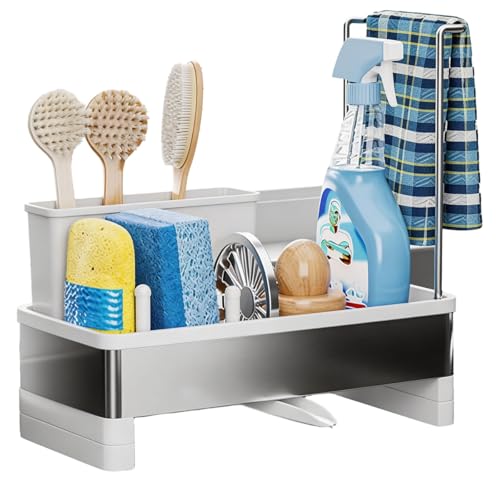
YOHOM 3-in-1 Kitchen Sink Caddy Organizer with Divider, Drain Tray, White & Grey Plastic
£11.99 *View On Amazon* -
Sink Caddies and Organisers
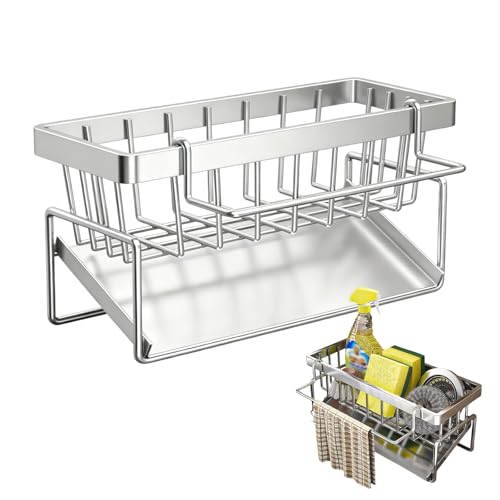
Rieoany Silver Kitchen Sink Caddy with Self-Draining Tray
£8.29 *View On Amazon* -
Sink Caddies and Organisers
Alyvisun Large Capacity Kitchen Tidy Sink Caddy with Drip Tray
£12.99 *View On Amazon* -
Sink Caddies and Organisers
GAViA Removable Sponge Holder Sink Caddy for Kitchen, 304 Stainless Steel
Original price was: £12.98.£11.03Current price is: £11.03. *View On Amazon* -
Sink Caddies and Organisers
Vileda Sink Organiser with Washing Up Liquid Dispenser
Original price was: £14.99.£14.59Current price is: £14.59. *View On Amazon* -
Sink Caddies and Organisers
Stainless Steel Self Draining Kitchen Sink Caddy Organiser with Brush and Sponge Holder
£13.00 *View On Amazon* -
Sink Caddies and Organisers
ZAPZEAL Sink Caddy Drainer Rack Kitchen Tidy Organiser Sponge Holder Caddy, Stainless Steel
£24.99 *View On Amazon* -
Sink Caddies and Organisers
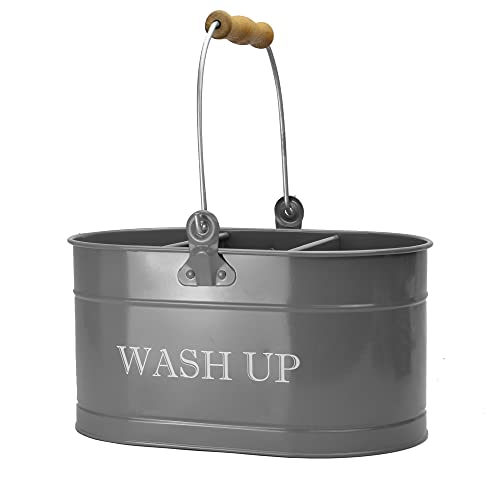
Garden Trading Original Wash Up Sink Storage Caddy, Wipeable Chalk Steel, 3 Inner Compartments
£29.00 *View On Amazon* -
Sink Caddies and Organisers
Vileda Stainless Steel Sink Organiser with Sponge Holder
£16.28 *View On Amazon* -
Sink Caddies and Organisers
Eidoct Kitchen Sink Caddy Organiser with Detachable Dish Towel Holder
£7.99 *View On Amazon* -
Sink Caddies and Organisers
Joseph Joseph CupboardStore Easy-access Wheeled Storage Caddy, Under Sink Kitchen Organiser, Grey
£21.00 *View On Amazon* -
Sink Caddies and Organisers
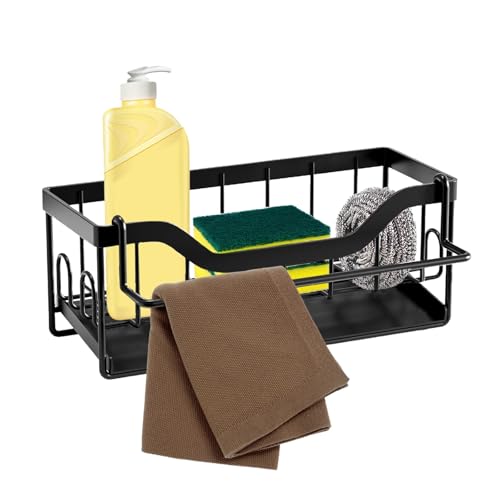
Dexpally Sink Caddy Kitchen Sink Tidy Organiser with Tilted Drip Tray and Divider, Black
£13.99 *View On Amazon* -
Sink Caddies and Organisers
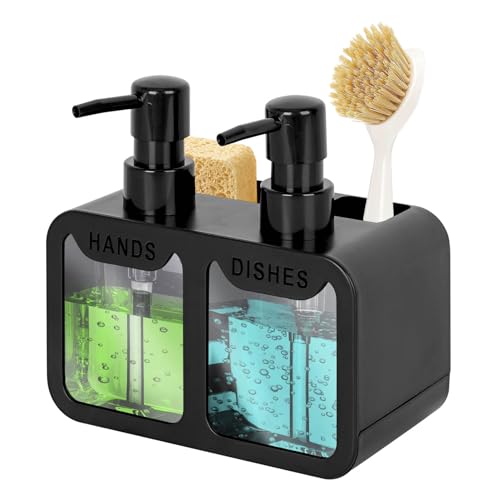
Kitchen Soap Dispenser 3-in-1 Countertop Organiser with Sponge Caddy and Brush Holder, Black
£10.99 *View On Amazon* -
Sink Caddies and Organisers
Luckezo Kitchen Sink Caddy with Self-Draining Tray
Original price was: £11.88.£10.59Current price is: £10.59. *View On Amazon* -
Sink Caddies and Organisers
Innoteck Premium Surface Sink Caddy with Anti-Slip Feet, Drainage Base and Modular Design
£13.99 *View On Amazon* -
Sink Caddies and Organisers
HapiRm Kitchen Sink Caddy Black with Instant Drying Stone
Original price was: £13.99.£7.99Current price is: £7.99. *View On Amazon* -
Sink Caddies and Organisers
HUIBOHOU Sink Caddy Organiser with Brush Holder, Black
£6.19 *View On Amazon*











How to Choose a Sink Caddy or Organiser
Sink caddies and organisers hold washing-up brushes, sponges, cloths, soap dispensers and other cleaning accessories close to the kitchen sink. They can help keep frequently used products together while allowing wet items to drain between uses.
The right organiser depends on the available worktop space, sink shape, tap design and the number of accessories you want to store.
Measure the intended position before ordering. Compare the full width, depth and height, including handles, hooks, drainage trays, suction cups and any adjustable sections.
Types of Sink Caddies and Organisers
Countertop Sink Caddies
Countertop caddies sit beside the sink on a worktop or draining board.
They can hold brushes, sponges, bottles and cloths without requiring permanent installation. Many include separate compartments and a removable drip tray.
Check the complete footprint and make sure the caddy does not obstruct food preparation, cupboard doors or access to the taps.
Sink-Side Organisers
Sink-side organisers provide dedicated sections for several washing-up products.
They may combine a soap-dispenser space, brush holder, sponge tray and cloth rail within one unit. This can reduce the number of separate containers around the sink.
Consider whether the compartment layout matches the accessories you actually use.
Suction Sink Caddies
Suction caddies attach to compatible smooth surfaces using suction cups.
They can keep sponges and brushes above the sink so water drains directly into the bowl. Performance depends on the surface being clean, smooth and non-porous.
Suction fittings may not hold reliably on textured tiles, grout, uneven sinks, porous stone or damaged surfaces.
Adhesive Sink Organisers
Adhesive organisers attach using pads, strips or mounting plates.
They can provide a more fixed position than suction cups, depending on the product and surface. Check whether the adhesive is suitable for the tile, metal, glass or worktop finish involved.
Removing an adhesive fitting may leave residue or affect delicate coatings. Follow the fitting and removal instructions carefully.
Over-Sink Caddies
Over-sink caddies rest on or extend across part of the sink.
They allow wet sponges and brushes to drain directly into the bowl. Some include extendable arms that fit different sink widths.
Measure the sink opening, rim and tap position. The caddy should remain stable without blocking the waste outlet or reducing washing space excessively.
Sink-Divider Caddies
Sink-divider caddies hang from or sit across the divider between two sink bowls.
They can keep cleaning tools accessible while leaving the worktop clear. Compatibility depends on the divider width, height and shape.
Make sure the organiser does not prevent large dishes or pans being placed inside either bowl.
Tap-Mounted Sink Caddies
Tap-mounted organisers fit around or hang from a compatible tap.
They may hold small sponges, brushes and cloths without using worktop space. The tap base, neck and controls need enough clearance for the fitting.
Do not choose a product that restricts the tap movement, temperature controls or pull-out hose.
Tap-Surround Draining Mats
Tap-surround mats fit around the tap base and provide a small draining surface for soap, brushes or sponges.
They may direct splashed water back towards the sink, depending on their shape and positioning. Check the tap-base dimensions and the direction of the drainage channels.
Lift and clean beneath the mat regularly so moisture does not remain trapped against the worktop.
Sponge Holders
Sponge holders provide a compact place for washing-up sponges and scourers.
They may sit on the worktop, attach inside the sink or form part of a larger organiser. Good drainage and airflow are important because sponges remain wet after use.
Choose a holder that allows the sponge to stand or rest without remaining submerged in collected water.
Brush Holders
Brush holders store dish brushes, bottle brushes and other long-handled cleaning tools upright.
Check the compartment height and base width so brushes remain stable. Drainage holes or removable trays can help contain drips.
Do not overcrowd the holder because tightly packed brushes can remain damp for longer.
Washing-Up Liquid Holders
Bottle holders keep washing-up liquid in a designated position beside the sink.
They may include a drip-catching base or space for a refillable dispenser. Check that the section is large enough for the bottle without making the organiser unstable.
Wipe detergent from the bottle and holder regularly because dried liquid can create sticky residue.
Soap-Dispenser Organisers
Some caddies include an integrated hand-soap or washing-up-liquid dispenser.
The dispenser may be removable, refillable or permanently built into the unit. Check which liquid consistency it supports and whether the pump can be cleaned or replaced.
Label dispensers clearly where hand soap and washing-up liquid are stored together.
Cloth Holders and Rails
Cloth rails allow dishcloths to hang with more airflow than when folded inside a compartment.
They may attach to a caddy, sink divider, tap or cupboard door. Check that the cloth will not touch dirty water, food residue or the floor.
A rail still needs regular cleaning because damp fabric can transfer residue to the holder.
Roll Holders
Some sink organisers include holders for kitchen roll, cleaning wipes or compatible refuse bags.
Keep paper products far enough from the sink that they do not become wet. Check that the holder does not block sockets, cupboard doors or food-preparation space.
Do not store chemical cleaning wipes beside food unless their packaging and household storage arrangements make this appropriate.
Expandable Sink Organisers
Expandable organisers adjust in width to fit different sinks or worktop spaces.
They may use sliding rails or extendable arms. Check the minimum and maximum supported width and make sure the locking sections remain secure.
Clean adjustable joints regularly because detergent and limescale can restrict movement.
Corner Sink Caddies
Corner caddies use space at the back or side of the sink.
They can suit kitchens where the central area needs to remain clear. Check the corner angle, splashback clearance and tap position.
A corner organiser should not create a narrow area that becomes difficult to wipe.
Rotating Sink Organisers
Rotating organisers provide access to products stored around a circular or turntable-style base.
They may suit larger worktops where several cleaning bottles are used. Check that the organiser turns freely without striking the sink, wall or nearby appliances.
Place heavier products towards the centre to improve stability.
Tiered Sink Organisers
Tiered organisers use vertical space to store bottles and tools at different heights.
They can increase capacity without using a wider footprint. Check wall-cupboard clearance and make sure upper items cannot fall into the sink.
Heavy bottles should remain on the lowest tier.
Hanging Sink Baskets
Hanging baskets attach to a sink edge, cupboard door or compatible rail.
They can hold brushes, cloths, waste scraps or cleaning accessories, depending on the product. Check the stated use and supported weight.
Do not hang a basket where it prevents a cupboard or dishwasher door from closing.
Under-Sink Organisers
Under-sink organisers store spare sponges, brushes, refills and cleaning products inside a cupboard.
They may include baskets, drawers, shelves or pull-out sections. Measure around pipes, waste traps, stop taps and hinges before ordering.
Cleaning chemicals should remain securely stored away from children, pets and food.
Sink Organiser Sets
Organiser sets may combine caddies, soap dispensers, brush holders, trays and cloth rails.
A coordinated set can create a consistent sink area, but each component still needs to fit the available space and accessories.
Check whether parts can be used separately and how each section is cleaned.
Important Buying Considerations
Available Space
Measure the exact worktop, draining-board or sink area.
Allow for:
- Taps
- Sink edges
- Cupboard doors
- Wall sockets
- Draining racks
- Washing-up bowls
- Food-preparation areas
- Appliance cables
- Splashbacks
- Hand movement while washing
An organiser should reduce clutter rather than create a new obstruction.
Sink Shape
Rectangular, round, Belfast, ceramic, composite and stainless-steel sinks have different edges and internal shapes.
Over-sink and divider-mounted products require accurate measurements. Check whether the sink has a raised rim or sits flush with the worktop.
Do not assume that a product described as universal will fit every sink.
Tap Compatibility
Tap-mounted organisers need to match the tap stem, base and controls.
Check:
- Tap diameter
- Tap height
- Lever movement
- Pull-out hoses
- Flexible necks
- Sprayer attachments
- Wall clearance
- Distance from the sink edge
The organiser should not place pressure on pipework or restrict normal operation.
Storage Capacity
Consider which accessories need storing.
These may include:
- Washing-up liquid
- Hand soap
- Dish brushes
- Bottle brushes
- Sponges
- Scourers
- Dishcloths
- Sink plugs
- Strainers
- Cleaning gloves
- Small scrapers
- Dishwasher accessories
Choose enough capacity without allowing unused products to accumulate around the sink.
Compartment Size
Check the width and depth of individual sections.
A narrow compartment may hold a brush but not a large detergent bottle. Deep holders can hide small sponges or allow water to collect around them.
Removable dividers may offer greater flexibility.
Drainage
Wet accessories need a way for water to escape.
Useful drainage features include:
- Perforated bases
- Raised ribs
- Removable trays
- Sloped surfaces
- Sink-facing outlets
- Open wire construction
- Ventilated compartments
- Cloth rails
Drainage holes still require cleaning so they do not become blocked.
Drip Trays
A drip tray collects water beneath sponges, brushes and bottles.
Removable trays are easier to empty and wash. Check that the tray covers the full caddy base and does not overflow onto the worktop.
Standing water should be removed regularly.
Materials
Sink caddies may be made from:
- Plastic
- Stainless steel
- Coated metal
- Silicone
- Rubber
- Ceramic
- Wood
- Bamboo
- Mixed materials
Choose a material suited to repeated exposure to water, detergent and cleaning.
Rust Resistance
Metal organisers need a suitable finish for wet sink areas.
Stainless steel, coated wire and plated metal can provide different levels of resistance. Damaged coatings, welds and joints should be inspected regularly.
Replace a caddy where rust creates staining, weakness or sharp edges.
Stability
A countertop organiser should remain stable when a bottle or brush is removed.
Look for a broad base, non-slip feet and balanced compartment placement. Tall brushes and large bottles can make a narrow caddy top-heavy.
Keep heavier items low and central.
Mounting Method
Consider whether you prefer:
- Freestanding placement
- Suction cups
- Adhesive fixing
- Tap mounting
- Sink-divider mounting
- Over-sink support
- Wall mounting
- Cupboard mounting
Each method has different compatibility and installation requirements.
Ease of Cleaning
Sink organisers collect soap, grease, food residue and standing water.
Removable trays and open compartments are generally easier to clean. Narrow slots, fixed dividers and hollow handles may require more attention.
Check whether individual parts are dishwasher safe where listed.
Appearance
Sink organisers are available in neutral, metallic, coloured and decorative finishes.
Choose a style that suits the kitchen while remaining practical to clean. Highly textured or decorative surfaces may collect more residue.
Appearance should not take priority over drainage, stability and compatibility.
Freestanding or Mounted Sink Caddy
A freestanding caddy can be moved easily and requires no installation.
A mounted caddy frees worktop space and may drain directly into the sink. Its performance depends on the mounting surface and correct fitting.
Choose freestanding storage for flexibility and mounted storage where space is limited and the surface is compatible.
Suction or Adhesive Sink Organiser
Suction cups can be repositioned and removed without permanent adhesive where they grip correctly.
Adhesive fittings may provide a firmer hold but can be harder to remove and may leave residue.
Suction works best on smooth, non-porous surfaces, while adhesive compatibility depends on the specific finish.
Countertop or Over-Sink Organiser
A countertop organiser can hold larger bottles and several tools.
An over-sink caddy keeps the worktop clear and allows water to drain into the bowl. It reduces part of the available sink space.
Choose according to whether storage capacity or worktop space is the greater priority.
Plastic or Metal Sink Caddy
Plastic caddies are lightweight and generally easy to wash.
Metal organisers provide a rigid structure and can use thinner rails, allowing more airflow. Damaged finishes may rust.
Compare drainage, weight, cleaning and construction rather than selecting by material alone.
Open or Enclosed Compartments
Open wire and perforated compartments provide airflow and visible storage.
Solid-sided sections contain drips and small items but may retain water. They need drainage holes or removable trays.
Choose according to the accessories being stored and how frequently the organiser will be cleaned.
Sink Caddies for Small Kitchens
Compact kitchens benefit from products that use vertical or sink space efficiently.
Consider:
- Tap-mounted holders
- Suction caddies
- Over-sink baskets
- Compact countertop organisers
- Cloth rails
- Corner caddies
- Expandable sink baskets
- Under-sink refill storage
Avoid adding several small organisers where one combined caddy would use less space.
Sink Caddies for Family Kitchens
Family kitchens may need space for several brushes, sponges and larger detergent bottles.
A divided countertop organiser or tiered caddy can keep products separated. Choose a stable design with a large removable drip tray.
Review the contents regularly so worn sponges and empty bottles do not accumulate.
Sink Caddies for Flats
Compact or mounted caddies can help keep shared worktops clear.
In shared kitchens, clear sections or labels may help household members keep personal brushes and sponges separate.
The organiser should remain easy to remove and clean without disturbing other kitchen items.
Sink Caddies for Utility Rooms
Utility-room caddies may hold brushes and products used for muddy footwear, tools, pet equipment and household cleaning.
Keep these accessories separate from ordinary dishwashing tools. Use clear labels or different organisers to reduce cross-contamination.
Choose durable materials that tolerate the intended cleaning products.
Sink Caddies for Double Sinks
Divider-mounted and over-sink caddies can use the central space between two bowls.
Measure the divider thickness and height carefully. The organiser should not prevent large pans being placed inside either sink.
Check that drips fall into a bowl rather than onto the worktop.
Sink Caddies for Belfast Sinks
Deep Belfast sinks often have thick ceramic walls and wide openings.
Over-sink caddies need enough span and stable support. Suction products may not attach reliably to curved or textured ceramic surfaces.
Use smooth protective contact points to reduce the risk of marks.
Sink Caddies for Stainless-Steel Sinks
Suction cups and magnetic accessories may be available for some compatible stainless-steel surfaces.
Check whether the sink material is magnetic before choosing a magnetic product. Many grades of stainless steel do not hold magnets strongly.
Keep grit away from contact points to reduce scratching.
Sink Caddies for Ceramic Sinks
Ceramic surfaces can chip or scratch if metal organisers are dropped or dragged.
Choose smooth feet and avoid overloading sink-mounted products. Check that suction cups sit on a flat glazed area.
Lift rather than slide the organiser during cleaning.
Sink Caddies for Composite Sinks
Composite sinks can have varying textures and care requirements.
Suction and adhesive performance may be reduced on textured finishes. Follow the sink manufacturer’s guidance before attaching any organiser.
Avoid trapped moisture and strongly coloured residue beneath mats and holders.
Organising Washing-Up Liquid
Store washing-up liquid upright with the cap or pump closed.
Place it in a compartment large enough to prevent tipping. Wipe sticky residue from the bottle and holder regularly.
Keep refill packs in a separate secure cupboard rather than crowding the sink area.
Organising Hand Soap
Hand soap should remain clearly distinguishable from washing-up liquid.
Use labelled dispensers and avoid transferring products into containers that resemble drinks bottles. Clean pump nozzles when dried soap restricts movement.
Do not top up a dispenser with a different product without cleaning it first.
Organising Dish Brushes
Store brushes with the bristles raised or positioned so water can drain.
Do not press several damp brushes tightly into one narrow compartment. Remove food particles and rinse the bristles after use.
Replace brushes when bristles become damaged, flattened or difficult to clean.
Organising Bottle Brushes
Long bottle brushes need enough height and base support to remain upright.
Store smaller straw and lid brushes in a separate section where they cannot fall through drainage holes.
Allow every brush to dry before placing it inside a closed cupboard.
Organising Sponges and Scourers
Rinse sponges thoroughly and squeeze out excess water.
Place them in an open or perforated holder where air can circulate. Keep non-scratch sponges separate from abrasive scourers so the correct one is easy to identify.
Replace sponges that remain slimy, torn or persistently odorous.
Organising Dishcloths
Hang cloths over a rail or open edge rather than leaving them folded in a wet tray.
Use separate cloths for dishes, worktops, floors, bins and pet areas.
Wash reusable cloths regularly and allow them to dry fully between uses.
Organising Cleaning Gloves
Rinse reusable gloves and allow them to dry before storage.
Some organisers include rails or hooks for hanging gloves. Check that water cannot run into the cuffs and remain trapped.
Inspect gloves for holes and replace damaged pairs.
Organising Sink Plugs and Strainers
A small tray or hook can keep plugs and strainers accessible when they are not in use.
Clean food residue from strainers before storing them in the organiser. Do not place a dirty strainer beside clean brushes and sponges.
Replace plugs, chains and strainers that become damaged or rusted.
Preventing Cross-Contamination
Do not store every household cleaning tool in one sink caddy.
Use separate products or clearly divided sections for:
- Dishwashing tools
- Worktop cloths
- Raw-food cleaning
- Pet bowls
- Bin cleaning
- Floor cleaning
- Bathroom cleaning
- Outdoor cleaning
Replace or wash accessories after contamination according to their care instructions.
Raw-Food Hygiene
Sponges and cloths used to clean raw meat or fish residue should not be returned directly to ordinary dishwashing storage.
Use a suitable disposable or washable tool and follow appropriate kitchen-hygiene guidance.
Clean the sink, caddy and surrounding surfaces if contaminated liquid splashes onto them.
Washing Baby Feeding Equipment
Baby bottles and feeding accessories may require dedicated brushes and drying areas.
Store these tools separately from general cleaning equipment where advised. Follow current healthcare and manufacturer guidance for washing and sterilisation.
A sink organiser does not replace correct cleaning or sterilisation.
Washing Pet Bowls
Use separate brushes or sponges for pet feeding equipment where practical.
Clean and dry the tools before storing them. Keep pet accessories away from ordinary dishes where cross-contamination is a concern.
Do not place pet food or treats inside a sink caddy.
Positioning a Countertop Caddy
Place the organiser on a level surface where it cannot be knocked into the sink or onto the floor.
Keep it away from:
- Worktop edges
- Electrical sockets
- Appliance vents
- Open flames
- Food-preparation boards
- Cupboard hinges
- Tap controls
- Areas where hot pans are placed
Leave enough space to wipe beneath and behind it.
Fitting Suction Cups
Clean and dry the surface before installation.
Press each suction cup firmly according to the product instructions. Avoid placing it across grout lines, textured areas or curved sections.
Check the hold before adding accessories and inspect it regularly.
Improving Suction Performance
Suction can weaken because of residue, limescale, rough surfaces or changes in temperature.
Remove the caddy, clean the cups and mounting surface and refit it as instructed. Do not add oil, adhesive or household chemicals unless the manufacturer permits this.
Replace suction cups that become cracked, stiff or misshapen.
Fitting Adhesive Organisers
Check that the surface is clean, dry and compatible.
Observe any waiting period before loading the organiser. Applying weight too soon can weaken the bond.
Do not mount an adhesive caddy above fragile items, food or an area where falling products could cause injury.
Removing Adhesive Fittings
Follow the product instructions for releasing the adhesive.
Do not pull forcefully against tiles, paint, laminate or sealed surfaces. Heat, solvents and scraping tools can cause damage if used incorrectly.
Clean remaining residue using a method suitable for the surface.
Loading a Sink Caddy
Place heavier bottles in the lowest and most central position.
Distribute brushes and tools evenly and keep drainage holes clear. Do not exceed the stated capacity or allow tall items to make the caddy unstable.
Test mounted organisers with a light load before filling them completely.
Preventing Caddies from Tipping
Use non-slip feet and keep the base clean.
Avoid storing several heavy bottles on one side. A rotating or tiered organiser should remain balanced as products are removed.
Replace missing feet or damaged base sections.
Managing Drainage
Check that water can move from each compartment into the sink or drip tray.
Clear soap residue and food particles from drainage holes. Position sink-facing outlets so water does not run behind the worktop or cupboard.
Empty removable trays regularly.
Preventing Standing Water
Standing water can create odours and keep cleaning tools damp.
Reduce it by:
- Using perforated holders
- Emptying trays
- Wringing out cloths
- Squeezing sponges
- Cleaning drainage holes
- Adjusting the caddy position
- Drying the organiser
- Replacing blocked or damaged components
A fragrance product does not solve trapped moisture.
Preventing Soap Residue
Wipe detergent bottles before returning them to the organiser.
Clean pump nozzles, bottle bases and compartment floors. Sticky residue can collect dust and prevent drainage.
Use the recommended amount of washing-up liquid to reduce unnecessary spills and foam.
Preventing Limescale
Hard water can leave mineral deposits on metal, plastic and silicone organisers.
Wipe water away and clean regularly using a method suitable for the material. Avoid acidic descalers on natural stone, damaged coatings and sensitive finishes unless confirmed safe.
Rinse all cleaning products thoroughly.
Preventing Rust
Keep metal caddies dry where practical and inspect welds, screws and joints.
Do not leave wet cloths wrapped around metal sections. Replace the organiser if rust weakens the structure or creates sharp edges.
Do not use rusted compartments for clean dishwashing tools.
Preventing Mould
Mould can grow where water and residue remain inside trays, suction cups and closed compartments.
Clean every section and allow the caddy to dry fully. Pay attention to:
- Tray corners
- Rubber feet
- Suction cups
- Cloth rails
- Hollow handles
- Bottle compartments
- Adhesive mounting plates
- Areas behind the organiser
Persistent mould may indicate that the product is damaged or difficult to maintain.
Preventing Odours
Sink-caddy odours usually come from damp cloths, sponges or trapped food.
Reduce smells by:
- Rinsing tools
- Emptying trays
- Cleaning compartments
- Washing cloths
- Replacing worn sponges
- Drying brushes
- Removing food residue
- Improving airflow
- Cleaning beneath the caddy
- Keeping drains clear
Scented products may mask odours without removing the source.
Cleaning a Plastic Sink Caddy
Remove all accessories and detachable trays.
Wash the caddy with a suitable cleaner, paying attention to corners and drainage holes. Rinse and allow it to dry.
Avoid rough scourers that can scratch the surface.
Cleaning a Metal Sink Caddy
Use a soft cloth or non-abrasive brush with a cleaner suitable for the finish.
Clean around welds, joints and feet and dry the metal thoroughly. Check for rust or damaged coating.
Do not place metal components in a dishwasher unless the product states that they are suitable.
Cleaning a Silicone Organiser
Unfold or remove the organiser and clean both sides.
Wash grooves, drainage channels and tap openings carefully. Check whether dishwasher cleaning is permitted.
Allow it to dry flat or in its intended position.
Cleaning a Wooden or Bamboo Organiser
Wipe the surface using the recommended method and dry it promptly.
Do not leave wood soaking or sitting in a wet tray. Follow any instructions regarding oiling or protective treatment.
Replace wood that becomes split, mouldy or unstable.
Cleaning Suction Cups
Remove the caddy and wash the suction cups with a suitable mild cleaner.
Rinse away residue and allow them to dry as directed before refitting. Clean the mounting surface at the same time.
Do not refit cups that have become cracked or permanently deformed.
Cleaning Adhesive-Mounted Caddies
Where the organiser can be removed from its mounting plate, detach it according to the instructions.
Clean the caddy without soaking adhesive parts unless permitted. Wipe around the mounting area carefully.
Check that the adhesive remains secure before reloading the organiser.
Cleaning a Drip Tray
Empty the tray and wash the top, underside and corners.
Remove detergent, limescale and food residue. Dry it before placing it back beneath the organiser.
Replace a warped tray that no longer sits level.
Dishwasher-Safe Components
Some plastic, silicone and removable tray sections may be dishwasher safe.
Check maximum temperatures and rack-position guidance. Adhesive pads, suction fittings, wood and coated metal may require hand cleaning.
Do not place the complete organiser in a dishwasher unless explicitly permitted.
How Often to Clean a Sink Caddy
Empty and wipe the caddy regularly.
Busy kitchens may need trays, sponge holders and cloth rails cleaned several times each week. Complete cleaning should take place whenever residue, limescale, mould or odour appears.
Do not wait until drainage holes become fully blocked.
Drying a Sink Organiser
Shake out or drain remaining water after cleaning.
Place detachable sections where air can reach every side. Do not refill closed compartments while they are still damp.
Ensure suction and adhesive mounting surfaces are prepared according to their fitting instructions.
Protecting Worktops
Water and detergent beneath a caddy can affect wood, laminate, stone and worktop joints.
Lift freestanding organisers regularly and clean beneath them. Use a compatible tray or mat where necessary.
Do not allow an organiser to conceal a persistent leak around the tap or sink seal.
Protecting Sink Surfaces
Keep grit away from suction cups, feet and metal support bars.
Lift rather than drag the organiser across ceramic, composite and stainless-steel surfaces.
Replace missing rubber caps or protective feet.
Electrical Safety
Keep wet caddies, cloths and drainage outlets away from sockets, plugs and electrical appliances.
Do not position a soap dispenser where liquid can leak onto a toaster, kettle, coffee machine or charging cable.
Dry your hands before operating electrical equipment.
Sink Caddies Around Children
Keep detergents, small brushes, plugs and sharp scrapers away from young children.
Suction cups, clips and removable parts may present choking hazards. Mounted caddies should not be placed where children can pull them down.
Store cleaning chemicals in secure cupboards rather than open sink organisers.
Sink Caddies Around Pets
Pets may chew sponges, brushes and silicone parts or lick detergent residue.
Position the organiser where animals cannot reach it. Clean spills promptly and store food-related pet accessories separately where appropriate.
Replace any component showing bite damage.
Chemical Safety
Keep products in their original containers or clearly labelled compatible dispensers.
Do not mix washing-up liquid, bleach, drain cleaner, disinfectant and other chemicals inside one bottle or caddy compartment.
Rinse holders thoroughly after a leak and keep incompatible products separate.
Avoiding Overcrowding
An overcrowded caddy can prevent tools drying and make cleaning difficult.
Remove:
- Empty bottles
- Worn sponges
- Duplicate brushes
- Unused samples
- Damaged cloths
- Expired cleaning products
- Accessories for unrelated tasks
- Loose packaging
Keep only regularly used products beside the sink.
Under-Sink Refill Storage
Store bulk washing-up liquid, spare sponges and cleaning refills securely.
Use trays or baskets to contain leaks and keep products upright. Leave plumbing, stop taps and waste connections accessible.
Do not store products beneath a leaking sink.
Replacing Caddy Components
Some products offer replacement trays, suction cups, dispensers or brush holders.
Check the exact brand, model and dimensions. Parts that look similar may not attach securely.
Do not improvise fixings that create sharp edges or instability.
When to Replace a Sink Caddy
Replace the organiser when it becomes:
- Rusted
- Cracked
- Warped
- Unstable
- Permanently mouldy
- Difficult to clean
- Unable to drain
- Sharp around the edges
- Unable to remain mounted
- Permanently odorous
- Damaged around joints
- Unable to hold accessories safely
A damaged caddy can fall, leak or transfer residue onto cleaning tools.
Useful Sink Caddy Accessories
Useful additions may include:
- Soap dispensers
- Replacement suction cups
- Drip trays
- Brush holders
- Sponge holders
- Cloth rails
- Non-slip feet
- Recycling labels
- Bottle brushes
- Dish brushes
- Washing-up gloves
- Sink strainers
Check dimensions and compatibility before ordering replacement parts.
Why Buy Sink Caddies and Organisers from YPC?
At YPC, we understand active lifestyles and the need for practical products that work in real use. Our Sink Caddies and Organisers category makes it easier to compare countertop, suction, tap-mounted, over-sink and expandable storage options.
Browse the available products and compare dimensions, drainage, materials, compartment capacity and mounting method to find an organiser suited to your sink and everyday washing-up routine.
Frequently Asked Questions
What type of sink caddy is best for a small kitchen?
Tap-mounted, suction and over-sink caddies can save worktop space. Measure the sink and tap carefully and choose a design that does not obstruct normal use.
Do suction sink caddies work on every surface?
No. They usually work best on smooth, clean, non-porous surfaces. Textured tiles, grout, curved sinks and porous materials may provide a weaker hold.
How can I stop water collecting inside a sink caddy?
Choose a caddy with drainage holes or a removable tray, squeeze out sponges and cloths and empty standing water regularly.
How often should a sink caddy be cleaned?
Wipe it regularly and clean trays, drainage holes and compartments whenever residue or odour develops. Busy kitchens may need cleaning several times each week.
Can a metal sink caddy rust?
Some metal products can rust if coatings become damaged or water remains trapped. Clean and dry the caddy and replace it if corrosion creates sharp edges or weakness.
 Getting ready for Summer? View our Home and Garden Products

Heading outdoors this winter? Take a look at our Outdoor Clothing.