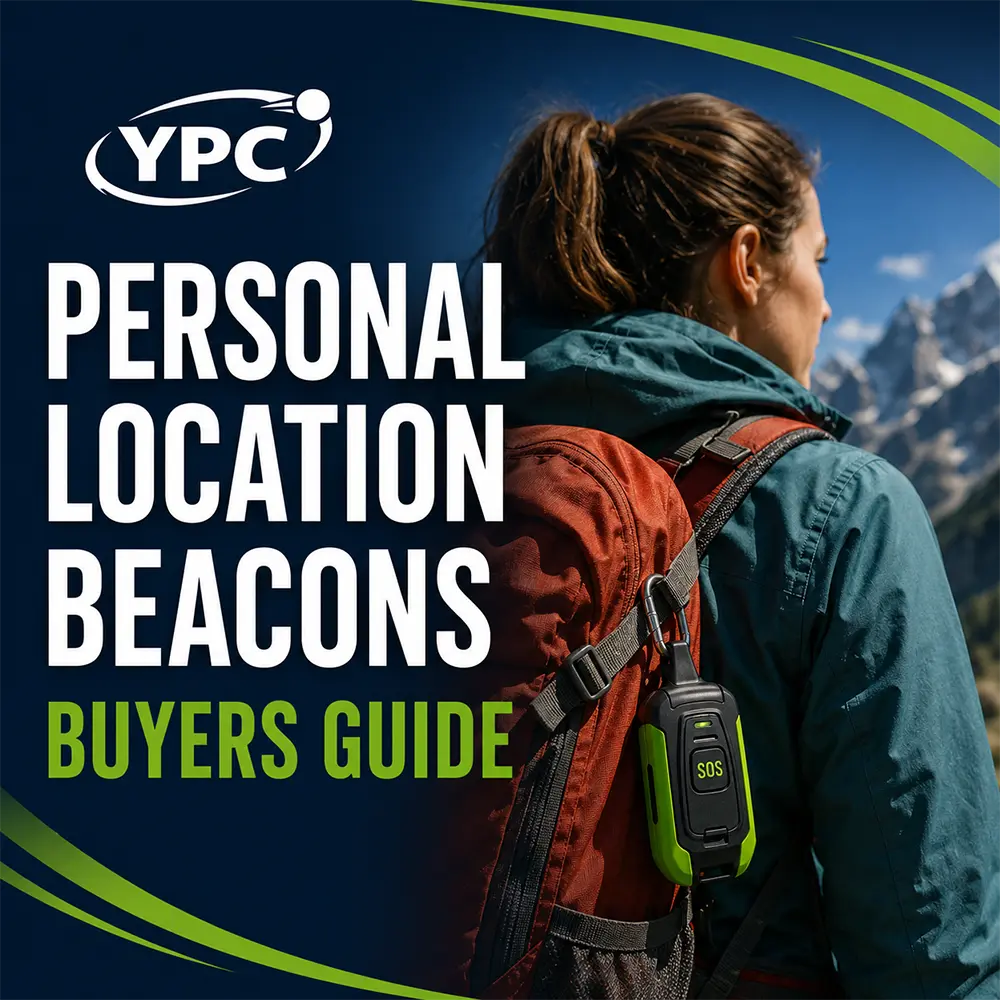
Personal Location Beacons are emergency devices designed to transmit a person’s location when activated in a life threatening situation. This guide explains how personal location beacons differ and how to compare them for serious remote use. It focuses only on dedicated emergency signalling devices, not navigation tools or communication equipment. The aim is to support careful, informed decision making where reliability is critical.
Quick Product Comparison Framework
| Comparison Area | What Typically Varies |
|---|---|
| Activation method | Manual only versus multi stage activation designs |
| Power system | Long life sealed batteries versus rechargeable designs |
| Coverage model | Global satellite systems and supported networks |
| Physical design | Size, weight, and carrying options |
| Durability | Environmental resistance and housing construction |
| Price range | Entry level, mid range, premium tiers |
Specifications vary — see individual product listings for details.
Key Decision Criteria Explained
Emergency signalling purpose
Personal location beacons are intended for exceptional emergencies only. They are not used for routine tracking or communication.
Coverage expectations
Coverage depends on the satellite systems supported by the device. Global reach and reliability matter more than regional convenience.
Battery lifespan and readiness
Many users prioritise devices that remain ready for years rather than days. Power handling directly affects long term suitability.
Activation clarity
In emergencies, simplicity matters. Activation methods vary and influence how confidently a device can be used under stress.
Physical robustness
Devices may be exposed to harsh environments. Build quality and environmental resistance affect long term dependability.
Product Type Differentiation and Variants
Compact personal beacons
Designed to be carried unobtrusively. Often prioritise size and long term readiness.
Extended feature beacons
May include additional status indicators or self check functions while remaining focused on emergency signalling.
Environment specific designs
Some devices are tailored for particular conditions such as marine or extreme environments.
Specifications vary — see individual product listings for details.
Suitability by Reader Type or Need
Expedition level users
Reliability, global coverage, and long term battery readiness are typically prioritised over size or convenience.
Remote land and desert travel
Compact devices with dependable signalling and long shelf life often align with extended land based travel.
Marine or coastal use
Environmental resistance and suitability for wet conditions may influence choice.
Extreme or isolated regions
Coverage reliability and physical robustness tend to outweigh all other considerations.
Common Mistakes and Misunderstandings
Assuming all beacons guarantee rescue
Personal location beacons transmit location signals. Outcomes depend on many external factors beyond the device itself.
Treating a beacon as a navigation tool
These devices are not designed for route planning or location guidance.
Overlooking long term readiness
A beacon that is not maintained or checked may not be suitable when needed.
Safety and Suitability Caveats
Personal location beacons are emergency signalling tools only. They should never be relied upon as the sole safety measure. They do not replace planning, experience, or situational awareness. Coverage, response, and outcomes are not guaranteed and vary by circumstances.
Maintenance Expectations and Lifespan Considerations
Personal location beacons are designed to be carried for long periods with minimal interaction. Battery lifespan is often measured in years rather than usage cycles. Physical condition, storage, and periodic checks influence long term reliability. Lifespan varies by design and usage environment.
How to Compare Models Efficiently
Start by confirming the supported satellite coverage. Compare battery lifespan expectations rather than short term usage time. Review activation design for clarity under stress. Assess physical durability for expected environments. Finally, align features with price range without prioritising convenience over reliability.
Summary Buyer Decision Checklist
• Emergency signalling purpose only
• Global coverage expectations
• Long term battery readiness
• Activation clarity under stress
• Physical robustness
• Size and carry method
• Budget range alignment
Frequently Asked Questions
What is a personal location beacon used for
It is used to transmit a person’s location during an emergency. It is not intended for routine tracking or communication.
Do personal location beacons work everywhere
Coverage depends on the satellite systems supported. Global reach varies by device. Specifications vary — see individual product listings for details.
How long do personal location beacon batteries last
Battery lifespan is often designed for long term readiness. Exact lifespan varies by product and design.
Are personal location beacons the same as satellite phones
No. Personal location beacons transmit emergency signals only. Satellite phones support two way communication.
What price ranges are typical for personal location beacons
Entry level devices focus on core emergency signalling. Mid range options may balance size, durability, and readiness features. Premium devices often emphasise long term reliability and environmental resistance. Prices vary — see individual product listings for details.
For products in this category, visit:
https://www.ypc.co.uk/product-category/outdoor-tech/navigation-and-tracking/personal-location-beacons/