
Bathroom Bins
Bathroom Bins for Tidy, Discreet Waste Storage
Bathroom bins provide a convenient place for tissues, cotton products, empty packaging and other suitable personal-care waste. Choosing the right capacity, lid style and material can help keep rubbish contained while fitting neatly beside a toilet, sink, vanity unit or bathroom cupboard.
Browse pedal bins, swing-top bins, touch-top designs, open waste baskets and compact lidded bins. Compare products by their external dimensions, litre capacity, opening mechanism, moisture resistance, inner bucket and liner compatibility.
Explore Bathroom Bins at YPC to find practical waste-storage options for family bathrooms, en suites, cloakrooms, guest toilets and other compact household spaces.
-
Bathroom Bins
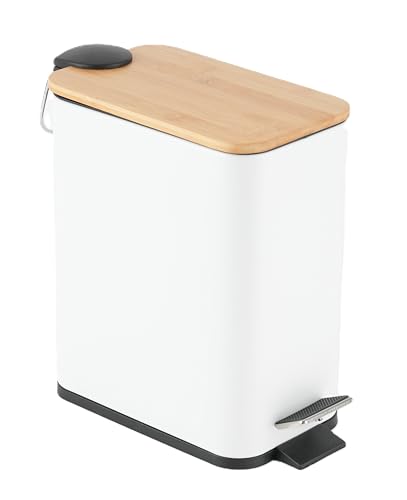
White 3L Metal Bathroom Bin with Bamboo Lid, Soft Close Pedal Bin
£15.99 *View On Amazon* -
Bathroom Bins
Harbour Housewares 3L White Square Stainless Steel Pedal Bin
Original price was: £12.99.£10.99Current price is: £10.99. *View On Amazon* -
Bathroom Bins
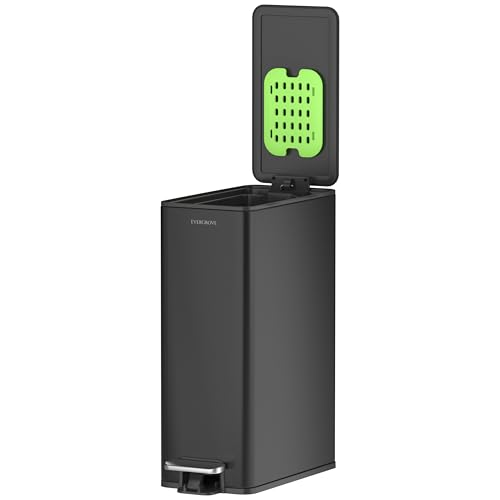
EverGrove 10L Slim Stainless Steel Bathroom Pedal Bin, Matte Black
£35.00 *View On Amazon* -
Bathroom Bins
TidyTale Bathroom Trash Can with Lid, Small Slim Garbage Bin with Inner Bucket, Press Top Lid, Hidden Bag Design, Includes 75 Trash Bags and 3 Replacement Clips
Original price was: £24.99.£19.98Current price is: £19.98. *View On Amazon* -
Bathroom Bins
3 Pack 9L Touch Top Bathroom Bin with Lid, Slim Plastic Trash Can, White
£21.99 *View On Amazon* -
Bathroom Bins
Innoteck Essentials Round Colour Coated Pedal Bin 3L, Matt Black
Original price was: £12.99.£9.99Current price is: £9.99. *View On Amazon* -
Bathroom Bins
Brabantia PerfectFit Bin Liners Size A, 3 Litre, White, 40 Bags
£5.50 *View On Amazon* -
Bathroom Bins
Small Bathroom Bin with Lid, Slim Rectangular Press-Top Bin, 9L
£20.99 *View On Amazon* -
Bathroom Bins
Addis Premium Deluxe Bathroom Office Pedal Bin with Inner, 3.5 Litre, Light Grey and Charcoal Grey
Original price was: £11.99.£11.28Current price is: £11.28. *View On Amazon* -
Bathroom Bins
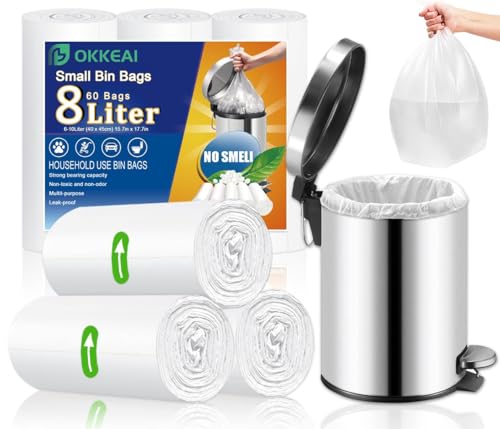
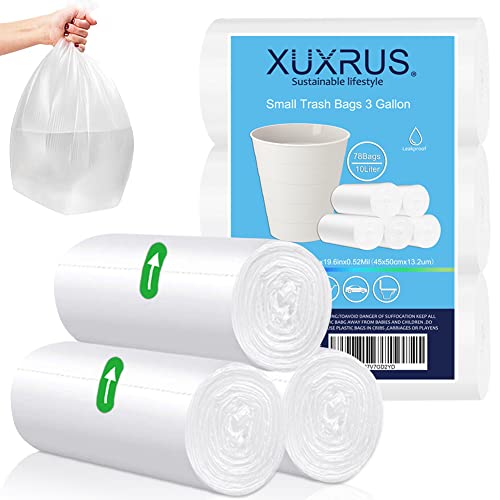
XUXRUS Small Bin Bags 10L Clear Pedal Bin Liners, 78 Count
Original price was: £6.98.£5.93Current price is: £5.93. *View On Amazon* -
Bathroom Bins
SHAIDOJIO Small Bathroom Bin with Lid, 90 Trash Bags, White
Original price was: £11.59.£10.79Current price is: £10.79. *View On Amazon* -
Bathroom Bins
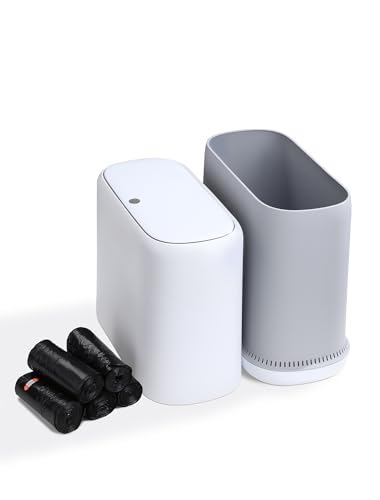
LEGUO Slim Touch Top Bathroom Bin with Lid, White, 11.7L
Original price was: £29.99.£23.99Current price is: £23.99. *View On Amazon*










How to Choose a Bathroom Bin
Bathroom bins collect suitable personal-care and household waste before it is transferred to a larger rubbish container. They can help keep tissues, cotton products and empty packaging off floors and worktops while keeping the contents discreetly contained.
The right bathroom bin depends on the available floor space, the amount of waste produced and whether you prefer an open, pedal-operated or lidded design.
Measure the intended position before ordering. Check the full width, depth and height, including the lid, pedal, handles and the additional clearance needed to remove an inner bucket or full liner.
Types of Bathroom Bins
Pedal Bathroom Bins
Pedal bins open when the foot-operated mechanism is pressed, allowing the lid to lift without being touched by hand.
They can be useful beside toilets, sinks and changing areas where hands-free opening is convenient. Check that there is enough space in front of the bin to use the pedal comfortably.
The bin should remain stable when the pedal is pressed. A lightweight or narrow design may move on smooth bathroom flooring unless it has a suitable non-slip base.
Swing-Top Bathroom Bins
Swing-top bins have a balanced lid that moves when waste is pushed through the opening.
They provide quick access and usually contain fewer moving parts than pedal or sensor designs. However, the lid may come into contact with the contents and require regular cleaning.
Check the opening size and make sure the lid can move freely without striking a wall or vanity unit.
Touch-Top Bathroom Bins
Touch-top bins use a push mechanism that releases or closes the lid.
They can create a tidy appearance and help keep waste out of sight. The lid and catch require direct handling, so they should be included in regular bathroom cleaning.
Check whether the catch is replaceable and whether the lid can be removed for easier washing.
Lift-Lid Bathroom Bins
Lift-lid bins have a removable or hinged cover that is opened by hand.
Their straightforward design can make them easy to empty and clean. They may suit guest toilets and bathrooms where the bin is used less frequently.
Allow enough clearance above the bin for the lid to open fully. A hinged lid may not work correctly when placed tightly beneath a shelf or against a wall.
Open Bathroom Waste Baskets
Open bins provide immediate access and can suit dry waste such as tissues, cardboard tubes and empty product packaging.
They are less discreet than lidded bins and provide no barrier against odours, moisture, children or pets.
An open waste basket is generally unsuitable for nappies, sanitary waste or anything that needs to remain securely contained.
Slim Bathroom Bins
Slim bins are designed for narrow spaces beside toilets, sinks, baths and vanity units.
They can make better use of limited floor space, but their taller shape may make full liners more awkward to remove.
Measure the gap at its narrowest point and account for skirting boards, pipework, pedals and the movement of the lid.
Corner Bathroom Bins
Corner bins use spaces that may otherwise remain empty.
Their shape can help reduce how far the bin projects into the room. Check that it can still be lifted, cleaned and emptied without moving other furniture.
Allow space for the lid or pedal to operate normally.
Wall-Mounted Bathroom Bins
Wall-mounted bins keep the floor clear and can make cleaning beneath the container easier.
They require a suitable fixing surface and accurate installation. Check the stated load, wall material and supplied mounting instructions.
Do not drill into tiled walls without checking for concealed pipes, cables and suitable fixing points.
Cupboard-Mounted Bathroom Bins
Small bins can be installed or placed inside vanity units and bathroom cupboards.
This keeps waste out of sight and frees visible floor space. Check the cupboard dimensions and allow clearance around pipes, hinges and stored toiletries.
The bin should remain easy to remove and clean. Avoid positioning it where leaks or condensation could remain unnoticed.
Sensor Bathroom Bins
Sensor bins open automatically when movement is detected near the lid.
They can reduce direct contact but require batteries, charging or mains power, depending on the product. Electronic components must be protected from splashes and excessive humidity.
Check the sensor range carefully. A bin placed beside a frequently used door or narrow walkway may open unintentionally.
Nappy Bins
Nappy bins are designed to contain used nappies and associated odours.
They may use ordinary liners, fitted refill bags or individual wrapping cartridges. Check the capacity, opening method and ongoing refill requirements before buying.
Nappy bins should remain securely away from children and pets and should be emptied and cleaned regularly.
Sanitary-Waste Bins
Sanitary bins are intended to contain suitable personal-care waste discreetly.
Compact lidded or pedal designs may suit household bathrooms. Products used in workplaces or public premises may need to meet separate hygiene, collection and disposal requirements.
Do not flush sanitary products, wipes or packaging unless the manufacturer and local wastewater guidance explicitly confirm that this is permitted.
Important Buying Considerations
Capacity
Bathroom-bin capacity is usually shown in litres.
Small bins can fit neatly into cloakrooms and en suites but require more frequent emptying. Larger bins hold more waste but occupy additional floor space and may allow rubbish to remain in the bathroom for longer.
Consider:
- Number of bathroom users
- Type of waste
- Available floor space
- Frequency of emptying
- Liner availability
- Whether the bin has an inner bucket
- Whether children or pets use the room
A compact bin is often more practical where waste is emptied regularly.
External Dimensions
The litre capacity does not tell you whether the bin will fit the intended position.
Measure the:
- Width
- Depth
- Closed height
- Height with the lid open
- Pedal projection
- Handle position
- Inner-bucket clearance
- Distance from nearby fixtures
Make sure the bin does not obstruct doors, drawers, toilet access or bathroom walkways.
Lid Style
A lid keeps waste out of sight and can help contain light odours.
Pedal lids provide hands-free opening, while touch and lift lids require direct contact. Swing lids offer quick access but may touch the contents.
Choose a mechanism that suits the available space and the type of waste being collected.
Inner Bucket
A removable inner bucket can make liner fitting, carrying and cleaning easier.
Check whether it includes a handle and whether it can be lifted out without removing nearby bathroom items.
The usable internal capacity may be smaller than the stated external volume.
Liner Compatibility
Some bathroom bins accept ordinary small refuse bags, while others require fitted liners.
Check the recommended bag dimensions and how the liner is secured. A bag that is too small may tear or fall inside the bin, while an oversized liner can interfere with the lid.
Consider the availability and ongoing cost of any proprietary refill system.
Materials
Bathroom bins may be made from plastic, stainless steel, coated metal or mixed materials.
Plastic is lightweight and generally easy to wipe clean. Metal can provide a rigid structure and polished appearance, but fingerprints, water marks and corrosion may be more visible.
Choose materials and finishes suitable for humid rooms and regular cleaning.
Moisture Resistance
Bathrooms are exposed to steam, condensation and splashes.
Check whether metal parts have a suitable corrosion-resistant finish and whether fabric, wood or board components are intended for bathroom use.
A moisture-resistant bin still needs to be dried after cleaning and kept away from persistent leaks or standing water.
Stability
A stable base helps prevent the bin moving when the pedal is pressed or the lid is opened.
Tall, narrow bins can tip more easily on uneven floors or when waste gathers on one side.
Position the bin on a flat surface and avoid using the lid as a shelf or support.
Ease of Cleaning
Bathroom bins can collect dust, cosmetic residue, moisture and leaks from personal-care waste.
Smooth interiors, removable lids and inner buckets are generally easier to clean. Hinges, pedals, catches and decorative grooves may require additional attention.
Choose a bin that can be emptied and washed without complicated dismantling.
Pedal Bin or Touch-Top Bin
A pedal bin allows the lid to open without direct hand contact. It requires clear floor space around the pedal and contains a mechanical system that can wear over time.
A touch-top bin offers a clean appearance and does not need a protruding pedal. It requires direct contact and may show fingerprints or marks more easily.
The right choice depends on available space, hygiene preferences and the level of maintenance you are comfortable with.
Open or Lidded Bathroom Bin
An open waste basket offers immediate access and is simple to empty. It can suit dry paper waste in a guest bathroom or home office.
A lidded bin hides the contents and provides greater containment for personal-care waste. It usually requires more cleaning around the lid and opening mechanism.
Choose an open bin only where the waste type and household conditions make it appropriate.
Plastic or Metal Bathroom Bin
Plastic bins are lightweight, generally easy to wash and less likely to rust. They can become scratched, stained or brittle over time.
Metal bins provide a rigid shape and may match bathroom fittings. They can show water marks and may corrode if the finish is damaged.
Neither material is automatically better. Compare the construction, room conditions and cleaning instructions.
Freestanding or Cupboard Bathroom Bin
A freestanding bin can be moved, emptied and cleaned easily. It occupies visible floor space and may need to fit around toilets, sinks and doors.
A cupboard bin keeps waste hidden and frees the floor. It uses storage space and may be harder to notice when it needs emptying or cleaning.
Choose according to the bathroom layout and how easily the cupboard can be accessed.
Bathroom Bins for Small Cloakrooms
Cloakrooms often have limited floor space around the toilet and basin.
Slim, corner and wall-mounted bins can use compact areas efficiently. Measure carefully and make sure the bin does not restrict access to the door, toilet or hand-washing area.
A smaller capacity may be more practical when the bin can be emptied frequently.
Bathroom Bins for En Suites
En suites may benefit from compact lidded bins that fit beside a vanity unit or toilet.
Choose a quiet opening mechanism where the bathroom is used during the night. Make sure the lid can open without striking bedroom furniture or bathroom fittings.
Regular emptying helps prevent personal-care waste remaining close to the sleeping area.
Bathroom Bins for Family Bathrooms
Family bathrooms may produce greater quantities of tissues, cotton products and empty toiletries.
A slightly larger pedal or lidded bin may reduce the number of times it needs emptying. It should still remain securely away from young children and pets.
Hazardous waste, medicines and sharp items should use appropriate disposal routes rather than being placed in an ordinary bathroom bin.
Bathroom Bins for Guest Toilets
Guest toilets usually need a compact, discreet bin that is easy to identify and use.
A small pedal or lift-lid model can provide suitable containment without occupying too much floor space.
Check the bin before and after guests visit and make sure a fresh liner is fitted where used.
Bathroom Bins for Shared Homes
Shared bathrooms can produce waste more quickly and require clearer cleaning and emptying routines.
Choose a bin that is easy to operate, line and disinfect. A removable inner bucket may simplify maintenance.
Household members should understand which items belong in the bin and which require specialist disposal.
Bathroom Bins for Rented Homes
Freestanding bins require no permanent installation and can be moved between properties.
Wall-mounted and cupboard-fixed designs may require permission where drilling or furniture modification is involved.
Check the tenancy agreement before fitting permanent brackets or adhesive products to walls, tiles or bathroom units.
Positioning a Bathroom Bin
Place the bin somewhere easy to reach without allowing it to obstruct normal use of the room.
Avoid positioning it:
- Directly beneath a dripping pipe
- Inside the shower area
- Beside exposed electrical equipment
- Where the lid strikes the toilet or basin
- Across a doorway
- Against a radiator
- On an unstable bath mat
- Where children can access hazardous contents
- Where pets can overturn it
- Where it blocks ventilation
Allow enough space to clean the floor around and beneath the bin.
Bathroom Bin Liners
Liners help contain waste and make the bin easier to empty.
Choose a bag that fits securely around the rim without obstructing the lid, pedal or inner bucket. Small bathroom liners may include tie handles or drawstrings for easier closure.
Thin liners can tear when they contain sharp packaging or heavy waste. Select a suitable strength and avoid overfilling.
Fitting a Bathroom Bin Liner
Open the liner fully and push it gently into the base.
Remove trapped air and fold the top neatly around the rim or liner holder. Keep the bag away from hinges and pedal mechanisms.
Where the bin has a removable inner bucket, fit the liner before returning the bucket to the outer shell.
Removing a Full Liner
Do not press down on bathroom waste with bare hands.
Sharp packaging, used razors or broken items may be hidden beneath tissues. Tie or close the liner carefully and lift it without dragging it across the floor.
Dispose of the bag according to local household-waste guidance.
What Can Go in a Bathroom Bin?
Depending on household and local disposal arrangements, suitable waste may include:
- Tissues
- Empty toilet-roll tubes
- Cotton pads
- Cotton buds where locally permitted
- Empty personal-care packaging
- Dental-floss waste
- Hair collected from brushes
- Disposable product wrappers
- Used sanitary products
- Nappies in an appropriate contained system
Items should be wrapped or contained where appropriate.
What Should Not Go in a Bathroom Bin?
Some products require alternative or specialist disposal.
Avoid placing the following in an ordinary bathroom bin without checking the correct route:
- Medicines
- Needles and sharps
- Batteries
- Electrical products
- Hot hair-styling tools
- Liquid chemicals
- Aerosols requiring special handling
- Broken glass
- Large quantities of cleaning product
- Clinical waste
- Paint or solvents
Local councils, pharmacies and healthcare services may provide specific disposal arrangements.
Sanitary Products
Used sanitary products should be wrapped and placed in a suitable bin.
They should not be flushed down the toilet unless the product and wastewater authority explicitly confirm that this is acceptable. Flushing unsuitable products can contribute to blocked drains and sewer problems.
Empty the bin regularly and clean any residue promptly.
Wet Wipes
Many wipes should be placed in household waste rather than flushed.
Packaging terms can vary, and products can still contribute to drainage problems. Follow the individual disposal instructions and current local wastewater guidance.
Keep used wipes securely contained, particularly where children or pets can reach the bin.
Cotton Buds and Pads
Cotton buds, pads and similar personal-care products should generally be placed into suitable household waste rather than the toilet.
Small items can fall beneath loose liners, so make sure the bag fits properly and the inner bucket is cleaned periodically.
Check packaging for any specific disposal guidance.
Nappies
Used nappies should be securely wrapped or placed in a suitable nappy-disposal system.
Do not flush nappies down the toilet. Empty the bin frequently and clean it according to the manufacturer’s instructions.
Keep nappy sacks, refill cartridges and bin contents completely away from babies, children and pets.
Empty Toiletry Packaging
Some empty bottles, tubes and cardboard packaging may be recyclable, depending on the material and local collection rules.
Rinse or prepare packaging where required and place it in the correct recycling container.
Pumps, mixed materials and small cosmetic containers may not be accepted in every recycling scheme.
Medicines
Unused or expired medicines should normally be returned through an appropriate pharmacy or healthcare disposal service.
Do not place them into ordinary bathroom rubbish or flush them into the wastewater system.
Keep medicines in their original packaging and securely away from children while awaiting disposal.
Razors and Sharp Items
Loose blades and razors can cut anyone emptying the bin.
Use a suitable protective container or follow the product and local disposal guidance. Do not hide exposed sharp items beneath tissues or other rubbish.
Reusable razors and electrical grooming equipment may require different disposal routes.
Batteries and Electrical Items
Batteries, electric toothbrush heads, shavers and small electrical products should not normally be placed in general household waste.
They may require retailer collection points, council recycling centres or electrical-waste services.
Store used batteries safely until they can be taken to an appropriate collection point.
Preventing Bathroom Bin Odours
Regular emptying and cleaning are the most effective ways to reduce smells.
Helpful steps include:
- Using a suitable lid
- Emptying sanitary or nappy waste frequently
- Replacing damaged liners
- Cleaning spills promptly
- Keeping the room ventilated
- Drying the bin after washing
- Avoiding liquid waste
- Keeping the bin away from heat
- Checking beneath the inner bucket
- Using deodorising products only as directed
Fragrance products may mask smells but do not remove the waste or residue causing them.
Cleaning a Bathroom Bin
Empty the bin completely and remove the liner and inner bucket.
Use a cleaning method suitable for the material. Pay attention to the lid, rim, pedal, handles and base.
Rinse where appropriate and allow every part to dry fully before fitting a fresh liner.
Wear suitable gloves when handling personal-care waste and wash your hands afterwards.
Cleaning a Plastic Bathroom Bin
Plastic bins can often be wiped or washed using a suitable mild cleaner.
Avoid very hot water and strong solvents unless the manufacturer confirms that the material can tolerate them.
Dry the bin thoroughly, including any hollow rims, grooves and hinge areas.
Cleaning a Stainless-Steel Bathroom Bin
Use a soft cloth and a cleaner suitable for the metal finish.
Avoid abrasive scourers and harsh chemicals that may scratch, stain or remove protective coatings. Wipe in the direction of the grain where appropriate.
Dry the surface to reduce water marks.
Cleaning a Pedal Bin
Clean around the pedal, hinge and connecting mechanism where dust and residue may collect.
Avoid forcing water into enclosed moving sections. Test the pedal after the bin has dried and make sure the lid opens and closes normally.
Use lubricants only where the manufacturer recommends a specific product.
Cleaning a Sensor Bin
Switch off the bin or remove the batteries where required by the instructions.
Do not immerse electronic lids, sensors or battery compartments in water. Wipe these sections using the approved method.
Keep charging connections and electrical components completely dry.
Cleaning an Inner Bucket
Remove the bucket and empty any residue that has fallen beneath the liner.
Wash or wipe the bucket using a suitable cleaner. Pay attention to the handle, rim and base.
Allow it to dry before fitting a new liner and returning it to the outer bin.
Preventing Mould and Mildew
Bathrooms can be humid, and moisture may collect beneath or behind a bin.
Move the bin periodically and check for condensation, leaks and mould. Dry the floor and bin base after cleaning.
Do not place a fabric, wooden or board-based bin against a persistently damp wall unless the product is specifically suitable and the moisture problem has been addressed.
Preventing Rust
Metal bins can corrode where coatings become scratched or moisture remains trapped.
Wipe splashes promptly and dry the bin after cleaning. Check the base, pedal and lid edges regularly.
Replace a bin that develops sharp rusted areas or structural weakness.
Preventing Floor Damage
Grit and moisture beneath a bin can mark wood, laminate, vinyl and tiled floors.
Clean the bin base and floor regularly. Suitable non-slip feet or protective mats may help where compatible.
Do not place the bin on a permanently wet bath mat or drag it across delicate flooring.
Preventing Wall and Unit Marks
Bin lids and sides can strike painted walls, toilet units and vanity cabinets.
Leave a small gap around the bin and use protective pads where suitable. Ensure pads do not interfere with the lid or pedal.
Clean splashes and scuff marks promptly.
Bathroom Bins Around Children
Bathroom bins may contain medicines, sharp packaging, sanitary waste and small items.
Position the bin out of reach where necessary or use a suitable cupboard or child-resistant system.
Do not rely on the lid alone to secure hazardous waste. Medicines, batteries, blades and chemicals require appropriate controlled storage and disposal.
Bathroom Bins Around Pets
Pets may overturn bins, tear liners or remove used personal-care products.
Choose a secure lid or keep the bin inside a suitable cupboard where required.
Check that sensor lids are not repeatedly activated by animals and keep nappies, medicines and cleaning waste completely inaccessible.
Bathroom Bin Hygiene
The bin should be included in the regular bathroom-cleaning routine.
Clean high-contact areas such as lids, pedals and handles more frequently. Replace liners before they leak or overflow.
Keep separate cleaning cloths or tools for the bathroom bin rather than using equipment intended for kitchen surfaces.
Avoiding Overfilling
Do not continue adding waste once the liner can no longer be tied or removed easily.
Overfilling can prevent the lid closing, strain pedal mechanisms and cause rubbish to fall onto the floor.
A smaller bin emptied regularly is often more hygienic than a large container left full for extended periods.
Maintaining Lids, Pedals and Hinges
Inspect the bin regularly for:
- Loose hinges
- Cracked pedals
- Failed catches
- Bent lids
- Damaged seals
- Sticking mechanisms
- Unusual movement
- Sharp edges
- Rust
- Difficulty closing
Repair only where the manufacturer provides compatible parts and instructions.
Maintaining Sensor Components
Keep sensors free from dust, moisture and residue.
Replace batteries using the correct type and polarity. Remove batteries before extended storage where advised.
Stop using the automatic mechanism if the lid moves unpredictably or creates a trapping risk.
Bathroom Bin Fire and Electrical Safety
Keep bins away from heated towel rails, portable heaters and hot hair-styling tools.
Allow straighteners, curling tools and other heated appliances to cool completely before storage or disposal. Electrical products should not be placed in ordinary household waste without checking the correct recycling route.
Do not position a bin where it blocks sockets, ventilation or safe access to bathroom equipment.
Carrying Bathroom Waste
Check the liner for leaks before lifting it.
Tie or close the bag and carry it without allowing it to brush against clean towels, toiletries or household surfaces.
Wash your hands after handling waste, even when gloves have been worn.
Bathroom Recycling
Some empty toiletry packaging may be accepted through household recycling.
Possible recyclable items can include:
- Cardboard boxes
- Clean plastic bottles
- Aluminium containers
- Glass jars
- Toilet-roll tubes
Acceptance varies by council and packaging type. Pumps, caps and mixed-material tubes may need separate handling.
Check current local guidance before placing bathroom packaging into recycling.
Recycling Toiletry Bottles
Empty and rinse bottles where required.
Check whether pumps, lids and trigger components should be removed or left attached. Some small components may not be accepted separately.
Allow packaging to drain before placing it into indoor recycling storage.
Bathroom Bin Liners and Sustainability
Using the correct liner size can reduce tearing and unnecessary bag use.
Some households may choose recycled-plastic or lower-material liners where suitable. Compostable or biodegradable claims do not automatically mean a bag is accepted by local food-waste or recycling services.
Assess specific manufacturer information and local disposal rules.
Bathroom Bins in Public or Workplace Settings
Bins in shared, commercial or workplace bathrooms may be subject to additional hygiene, accessibility and waste-management requirements.
Household bins may not provide suitable capacity, servicing or sanitary-waste arrangements for these environments.
Follow the relevant premises policy, waste contract and legal requirements where applicable.
When to Replace a Bathroom Bin
Replace the bin when it becomes:
- Cracked
- Rusted
- Unstable
- Permanently odorous
- Difficult to clean
- Sharp around the edges
- Unable to close
- Damaged around the pedal
- Unreliable around the sensor
- Unable to hold a liner securely
A damaged bin can leak, create hygiene problems or become unsafe to handle.
Useful Bathroom Bin Accessories
Useful additions may include:
- Fitted bin liners
- Replacement inner buckets
- Deodorising products
- Replacement filters
- Spare pedal components
- Bin-cleaning brushes
- Protective floor mats
- Recycling labels
- Replacement catches
- Nappy-bin refill cartridges
Check dimensions and compatibility before buying replacement liners or components.
Use fragranced and cleaning products according to their instructions and keep them away from children and pets.
Why Buy Bathroom Bins from YPC?
At YPC, we understand active lifestyles and the need for practical products that work in real use. Our Bathroom Bins category makes it easier to compare pedal, swing-top, touch, slim and lidded designs for different bathroom spaces.
Browse the available options and compare capacity, dimensions, opening mechanism, materials and cleaning requirements to find a bathroom bin suited to your household and available space.
Frequently Asked Questions
What size bathroom bin should I choose?
Consider the available floor space, number of bathroom users and how often the bin will be emptied. Compare the full external dimensions as well as its litre capacity.
Is a pedal bin suitable for a bathroom?
Yes, where the product is intended for humid rooms and there is enough space to operate the pedal. Keep the mechanism clean and dry.
Should a bathroom bin have a lid?
A lid keeps personal-care waste out of sight and can help contain light odours. An open bin may be sufficient for dry paper waste in a lightly used guest bathroom.
Can sanitary products be flushed down the toilet?
They should generally be wrapped and placed in a suitable bin rather than flushed. Follow the product instructions and current local wastewater guidance.
How often should a bathroom bin be cleaned?
Clean it whenever a liner leaks or residue develops and include it in the regular bathroom-cleaning routine. Bins containing sanitary or nappy waste may require more frequent cleaning.
 Getting ready for Summer? View our Home and Garden Products

Heading outdoors this winter? Take a look at our Outdoor Clothing.