
Wardrobe and Drawer Fresheners
Wardrobe and Drawer Fresheners for Clothing and Storage Spaces
Wardrobe and Drawer Fresheners are designed to add a pleasant scent to enclosed storage areas and help reduce stale or musty smells around clothing, bedding and household linens. They can be useful in wardrobes, drawers, cupboards, suitcases and other suitable storage spaces where limited airflow may allow odours to build up.
The category may include scented sachets, hanging wardrobe fresheners, fragrance cards, cedar products, scented liners, gel fresheners and moisture-absorbing products with added fragrance. When comparing options, consider the fragrance, size, product format, intended location, replacement period and whether the product hangs, lies flat or attaches inside the storage area.
Fresheners should only be placed near clean, fully dry items and should not be used to cover persistent damp, mould or pest problems. Explore Wardrobe and Drawer Fresheners at YPC to compare fragrances, formats and products for different clothing and storage needs.
-
Wardrobe and Drawer Fresheners
Scented Drawer Liners Infused with Essential Oils, 6 Large Sheets (58cm x 40cm)
£15.50 *View On Amazon* -
Wardrobe and Drawer Fresheners
GREENLEAF Cashmere Kiss Scented Sachet Bag 2 Pack
£9.50 *View On Amazon* -
Wardrobe and Drawer Fresheners
Orphea Anti Moth Strips Floral Scented Wardrobe Fresheners 1 Pack 12 Strips
£9.99 *View On Amazon* -
Wardrobe and Drawer Fresheners
Fresivo Natural Lavender Sachets, 20 Pack, Organic Dried Buds
Original price was: £7.99.£6.79Current price is: £6.79. *View On Amazon* -
Wardrobe and Drawer Fresheners
DERDUFT Baby Powder Scented Drawer Liners, 6 Sheets 50 x 36.5 cm
£9.99 *View On Amazon* -
Wardrobe and Drawer Fresheners
Wardrobe Fresheners 30 Pack with 6 Scents, 18 x 11.5 cm
£8.59 *View On Amazon* -
Wardrobe and Drawer Fresheners
Pack of 20 Acana Moth Killer & Freshener Sachets with Lavender Fragrance
Original price was: £13.69.£13.00Current price is: £13.00. *View On Amazon* -
Wardrobe and Drawer Fresheners
Redd & Goud Lavender Sachet Brother Rabbit Indigo
£6.60 *View On Amazon* -
Wardrobe and Drawer Fresheners
20 Pack Lavender Bags for Wardrobes and Drawers
£7.99 *View On Amazon* -
Wardrobe and Drawer Fresheners
Clothes Doctor Natural Moth Repellent Scent Bags
£23.90 *View On Amazon* -
Wardrobe and Drawer Fresheners
Natural Cedarwood Hanging Blocks for Wardrobe and Drawer, Pack of 6
Original price was: £8.99.£8.49Current price is: £8.49. *View On Amazon* -
Wardrobe and Drawer Fresheners
Total Wardrobe Care Natural Storage Drawer Fresheners Sachets, 4 Pack
£20.00 *View On Amazon* -
Wardrobe and Drawer Fresheners
DERDUFT Linen & Baby Powder Scented Drawer Liners, 12 Sheets, 50 x 36.5 cm
Original price was: £8.49.£6.99Current price is: £6.99. *View On Amazon* -
Wardrobe and Drawer Fresheners
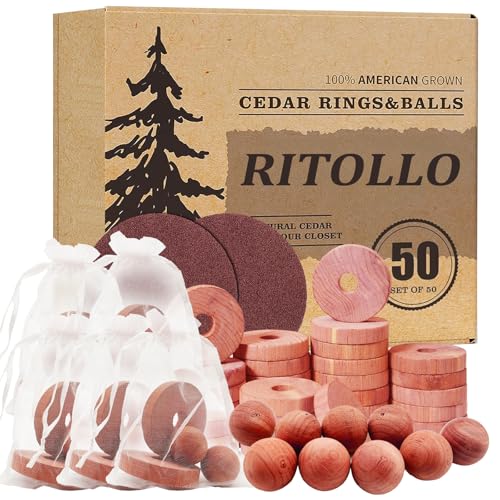
Vinsani 45 Pack Natural Cedar Wood Rings
Original price was: £8.99.£7.99Current price is: £7.99. *View On Amazon* -
Wardrobe and Drawer Fresheners
DERDUFT Lavender & Baby Powder Scented Drawer Liners 12 Sheets 50 x 36.5cm
Original price was: £8.49.£6.99Current price is: £6.99. *View On Amazon* -
Wardrobe and Drawer Fresheners
Hassett Green London Natural Cotton Handmade Large Scented Sachets Pack of 3
£9.95 *View On Amazon* -
Wardrobe and Drawer Fresheners
HANGERWORLD 74 Mixed Cedar Wood Pieces for Drawers, Wardrobes and Shoes
£7.99 *View On Amazon* -
Wardrobe and Drawer Fresheners
Heathcote & Ivory Scented Sachets Citrus & Orange Fragrance Gift
Original price was: £4.00.£2.27Current price is: £2.27. *View On Amazon* -
Wardrobe and Drawer Fresheners
Pack of 14 Scented Sachets Wardrobe Freshener (Lavender)
£5.99 *View On Amazon* -
Wardrobe and Drawer Fresheners
Redd & Goud Lavender Sachet, William Morris Inspired Sweet Briar, Teal
£6.60 *View On Amazon* -
Wardrobe and Drawer Fresheners
Inovida Cedarwood Moth Repellent Planks, 16 Wardrobe Fresheners
£9.99 *View On Amazon* -
Wardrobe and Drawer Fresheners
SCENTORINI Scented Sachets 16 Pack Cotton, Linen, Lavender and Vanilla for Closet
£9.99 *View On Amazon* -
Wardrobe and Drawer Fresheners
DERDUFT Lavender Scented Drawer Liners, 12 Sheets, 50 x 36.5cm
Original price was: £9.99.£8.49Current price is: £8.49. *View On Amazon*




How to Choose Wardrobe and Drawer Fresheners
Wardrobe and Drawer Fresheners provide a simple way to add fragrance to clothing storage areas and help manage mild stale smells. They can be placed in wardrobes, chests of drawers, airing cupboards, linen cupboards, under-bed storage, suitcases and other enclosed spaces where air movement is limited.
Clothes and household textiles can develop an unpleasant smell when stored for long periods, particularly if they are packed tightly, put away before they are completely dry or kept in a room with poor ventilation. A suitable freshener can make the storage area smell more pleasant, but it cannot clean fabrics or correct the underlying cause of damp, mildew, smoke, pet contamination or persistent odours.
The range includes several different formats, from small scented sachets placed among folded clothing to hanging products designed for wardrobe rails. Some focus only on fragrance, while others may also absorb moisture or use aromatic materials such as cedar. Understanding the difference between these products will help you choose a format that suits the space, the items being stored and the household using it.
Main Types of Wardrobe and Drawer Fresheners
Different freshener formats suit different storage spaces. Before choosing, consider whether the product needs to hang, lie flat, fit into a narrow drawer or cover a larger wardrobe.
Scented Drawer Sachets
Drawer sachets are small fragrance-filled packets intended to sit among clothing, bedding or linens. They are often slim enough to fit beneath folded items or in the corner of a drawer.
Sachets may contain fragranced granules, beads, dried plant material or another scented filling, depending on the product. Their purpose is usually to release a gentle fragrance over time rather than neutralise strong odours.
Avoid placing a sachet where it will be crushed, torn or repeatedly handled. If the filling escapes, remove it promptly and check whether it has marked the fabric or drawer surface.
Hanging Wardrobe Fresheners
Hanging fresheners usually include a hook, cord or loop that allows them to be suspended from a clothes rail. They are useful where a product needs to sit away from folded clothing and circulate fragrance through a larger wardrobe.
Formats may include fragrance cards, scented discs, fabric pouches, gel containers or decorative shapes. Check the product dimensions to make sure it will not press directly against garments.
Leave enough space around the freshener for air to circulate. Avoid hanging it directly above delicate clothing if there is any risk of leakage or fragrance oil transfer.
Fragrance Cards
Fragrance cards are thin, scented cards designed for wardrobes, drawers, cupboards or suitcases. Their flat shape can make them practical where storage space is limited.
Some include a hole or ribbon for hanging, while others are intended to lie flat. The fragrance strength and duration can vary considerably.
Do not allow an oil-treated fragrance card to rest directly against clothing unless the product instructions confirm this is safe. Some scented surfaces may leave marks on delicate or pale fabrics.
Scented Drawer Liners
Drawer liners cover part or all of the inside surface of a drawer or shelf while releasing fragrance. They may also help protect the storage surface from light scuffs and dust.
Liners can be supplied as sheets, rolls or pre-cut pieces. Measure the drawer before buying and check whether the material can be cut to size.
Some liners are adhesive-backed, while others simply lie flat. Adhesive products may leave residue or damage painted, veneered or antique furniture, so check compatibility first.
Gel Wardrobe Fresheners
Gel fresheners release fragrance gradually from a contained gel. They may be supplied in small pots, hanging holders or vented containers.
These products should remain upright where instructed. If a gel container leaks or tips over, it may stain clothing, wood, laminate or painted surfaces.
Position gel products securely and away from areas where drawers, hangers or garments may knock them over.
Solid Fragrance Blocks
Solid blocks slowly release scent without containing loose powder or liquid. They may be designed to hang, sit on a shelf or fit into a small holder.
Some solid fresheners shrink as they are used, making it easier to see when replacement may be needed. Fragrance strength may reduce gradually rather than stop suddenly.
Keep solid blocks away from direct contact with fabrics unless suitable contact is confirmed in the product instructions.
Wooden and Cedar Fresheners
Cedar blocks, rings, balls and hanging shapes are commonly used in wardrobes and drawers. They have a natural woody scent and may be chosen by customers who prefer a non-perfumed fragrance format.
Some cedar products are marketed for use around clothing moths, but claims vary. Do not assume that an ordinary scented cedar item will prevent or eliminate an infestation. Check the product information and use appropriate pest-control measures where required.
The scent of cedar may fade over time. Some products can be lightly sanded to refresh the aroma, but only follow this method where the manufacturer recommends it.
Potpourri and Botanical Sachets
Some sachets contain dried flowers, herbs, wood pieces or other plant-based materials. They may offer a traditional appearance and a softer fragrance.
Natural materials are not automatically suitable for every household. They can shed particles, attract moisture or cause sensitivity in some people.
Inspect botanical sachets occasionally for damage, mould or insect activity, particularly if they are stored for a long time.
Moisture Absorbers with Fragrance
Some wardrobe and cupboard fresheners combine fragrance with moisture absorption. These may use crystals, granules, tablets or another absorbent material.
They can help manage mild humidity in enclosed spaces, but they do not repair leaks, condensation problems or structural damp. A consistently damp wardrobe should be investigated rather than treated only with fragrance or an absorber.
Moisture-absorbing products may collect liquid as they work. Keep them upright, inspect them regularly and replace or dispose of them according to the instructions.
Fragrance Beads
Fragrance beads may be supplied in a sealed, vented container or small fabric pouch. They release scent gradually and can suit drawers, shelves and cupboards.
Loose beads should not be placed directly among clothing unless specifically designed for that use. Keep containers closed and away from young children and pets, as small beads can present a swallowing risk.
Scented Hangers and Hanger Accessories
Some products attach directly to clothes hangers or wardrobe rails. They can save shelf space and position fragrance among hanging garments.
Check that the attachment will fit the hanger or rail and will not catch delicate clothing. Avoid overloading thin hangers with heavy fragrance products.
Suitcase and Travel Fresheners
Small sachets or cards can be used in empty suitcases, travel bags and clothing storage cases. They may help keep luggage smelling fresher between trips.
Remove or reposition the product before packing delicate garments, toiletries or food. Ensure that no liquid or oily surface can come into direct contact with clothing.
Fragrance or Odour Control?
Most Wardrobe and Drawer Fresheners are designed primarily to add scent. They may make stored items smell fresher, but this does not necessarily mean they remove the source of an odour.
A fragrance product works by releasing a pleasant scent into the enclosed space. An odour-neutralising product is intended to reduce certain smells, although effectiveness depends on the formulation and the cause of the odour.
A moisture absorber may help with mild humidity and the stale smell associated with it. However, it cannot remove mould, repair a water leak or dry clothing that has been stored while damp.
Before using a freshener, check for:
- Damp clothing or bedding
- Condensation on walls or doors
- Mould spots
- Leaking pipes
- Wet footwear
- Smoke residue
- Pet contamination
- Food stored nearby
- Dirty laundry
- Pest activity
- Poor room ventilation
Addressing the source is more effective than repeatedly adding fragrance.
Choosing a Fragrance
Wardrobe and Drawer Fresheners are available in a wide range of fragrance families. The most suitable choice depends on personal preference, the size of the storage space and whether the scent will transfer onto clothing.
Fresh Linen Fragrances
Fresh linen and clean cotton-style scents are commonly chosen for wardrobes, bedding drawers and airing cupboards. They are intended to create the impression of freshly laundered fabric.
These fragrances can become strong in a small drawer, so begin with one freshener and assess the result before adding more.
Floral Fragrances
Lavender-style, rose, jasmine and mixed floral fragrances may suit bedrooms and linen storage. Floral scents range from light and powdery to rich and strongly perfumed.
Check the product description carefully if you prefer a subtle scent.
Citrus Fragrances
Lemon, orange and other citrus-inspired scents can create a lighter, fresher aroma. They may suit wardrobes used for everyday clothing or guest-room storage.
Citrus fragrance does not disinfect or clean stored items.
Woody Fragrances
Cedar, sandalwood-style and other woody scents can suit wardrobes, coat cupboards and traditional furniture. They are often less sweet than floral or fruity options.
Natural wood products may smell different from manufactured fragrance products and can vary in strength.
Herbal Fragrances
Lavender, eucalyptus-style, rosemary and other herbal scents may be used in sachets and botanical products. These can be noticeable in enclosed spaces even when they seem mild in open air.
Warm and Sweet Fragrances
Vanilla, amber-style and spice-inspired fragrances can create a warmer scent. These may become heavy in small or tightly packed drawers.
Use them sparingly where clothing will be worn close to the face.
Fragrance-Free and Unscented Options
Some moisture-control or odour-management products are available without added fragrance. These may suit households that want to reduce stale smells without perfuming clothes.
The terms fragrance-free and unscented can have different meanings. Check the product information carefully if fragrance sensitivity is a concern.
Fragrance Strength and Storage Size
A product that works well in a large wardrobe may be too strong for a small bedside drawer. Compare the freshener size and intended coverage with the space available.
Factors affecting fragrance strength include:
- The size of the wardrobe or drawer
- How tightly clothing is packed
- The number of products used
- Ventilation
- Room temperature
- Product age
- Fragrance type
- Whether the door or drawer is opened frequently
Begin with the minimum suggested amount. Adding several products at once may make clothing heavily scented and can cause discomfort for sensitive users.
Choosing Fresheners for Wardrobes
Wardrobes vary from small single-door units to large fitted systems. A hanging freshener is often convenient because it does not take up shelf or drawer space.
Consider:
- Available rail space
- Clearance above and beside clothing
- Whether the product could touch garments
- Whether shelves or drawers are included
- How often the wardrobe is opened
- Whether the wardrobe is against an external wall
- Whether condensation or damp is present
- The type of clothing stored inside
For a large wardrobe, several lightly scented products placed in separate sections may provide more even fragrance than one strongly scented item. Only use the number recommended for the space.
Choosing Fresheners for Drawers
Drawer fresheners should be slim, secure and unlikely to leak or shed material. Sachets, fragrance cards and liners are commonly used.
Do not overfill drawers around the product. Crushing a sachet or gel container can cause damage.
For drawers containing delicate clothing, place the freshener beneath a protective layer or in a corner where it will not touch fabrics, unless direct contact is approved.
Choosing Fresheners for Linen Cupboards
Linen cupboards may store towels, bedding, tablecloths and seasonal textiles. These items should be completely clean and dry before storage.
Sachets, liners and hanging fresheners may all be suitable, depending on the cupboard design. Avoid strong products if the linens will be used by guests, babies or people with fragrance sensitivities.
Check the cupboard regularly for humidity, especially if it is close to a bathroom, boiler or external wall.
Choosing Fresheners for Coat Cupboards
Coat cupboards can collect smells from outdoor clothing, footwear and damp weather. A freshener may improve the scent, but wet coats should be dried before being stored.
Do not place fragrance products directly against leather, suede, waterproof membranes or specialist outdoor garments. Oils or moisture may affect these materials.
Ventilation, boot trays and regular cleaning are often more important than fragrance in heavily used entrance cupboards.
Choosing Fresheners for Under-Bed Storage
Under-bed drawers and storage boxes have limited airflow and can become stale. Small sachets or cards may be practical, provided they cannot be crushed.
Only store clean, dry items. Avoid placing fragrance products in vacuum storage bags unless the bag manufacturer and freshener instructions confirm this is suitable.
Inspect under-bed areas for condensation, dust and signs of damp.
Choosing Fresheners for Suitcases
Suitcases can smell stale after long storage. A small sachet or fragrance card may help keep an empty case smelling fresher.
Remove the freshener before packing if there is a risk of marking clothing. Leave the suitcase open briefly before use if the fragrance has become strong.
Never use a freshener to conceal odours caused by damp, mould or leaked toiletries.
Choosing Fresheners for Shoe Storage
Shoe cupboards may hold odours from damp footwear, sweat and outdoor dirt. A wardrobe or drawer freshener can add fragrance, but it does not clean shoes.
Allow footwear to dry fully before storage and use appropriate shoe-care products. Do not place fragrance sachets inside shoes unless specifically designed for that purpose.
Moisture absorbers may be more useful than fragrance alone in enclosed shoe storage, depending on the problem.
Choosing Products for Different Clothing
Everyday Clothing
Fresheners used with everyday clothing should provide a light fragrance that does not become overpowering when garments are worn.
Avoid direct contact with printed fabrics, pale materials and clothes with delicate trims.
Formal Clothing
Suits, dresses and other formal garments may remain stored for long periods. Use breathable garment covers and ensure everything is clean before storage.
Place fresheners nearby rather than directly against the fabric. Check formalwear periodically for damp, creasing and pest damage.
Wool and Cashmere
Wool, cashmere and other animal fibres require careful storage. Clean items before putting them away because food residues, sweat and skin oils can attract pests.
A cedar product may be chosen for its aroma, but it should not be treated as a guaranteed moth-control solution. Use appropriate storage and pest-management methods.
Leather and Suede
Leather and suede can absorb fragrance and may mark if they contact oils or moisture. Keep fresheners separate and follow the garment manufacturer’s storage instructions.
Do not seal damp leather inside an enclosed wardrobe.
Sportswear
Sportswear should be washed and dried completely before storage. Fragrance does not remove sweat, bacteria or detergent residue.
Avoid strongly perfumed fresheners if the garments will be worn directly against sensitive skin.
Baby Clothing
Baby clothes, blankets and bedding should be stored clean and completely dry. Use fragranced products cautiously because scent can transfer onto fabrics.
An unscented storage method may be more appropriate, particularly for newborn clothing.
Seasonal Clothing
Seasonal clothing may remain stored for several months. Before packing, wash or clean each item and allow it to dry fully.
Check storage containers for moisture and inspect the clothing occasionally. Replace fresheners only as directed.
Materials and Product Construction
Fresheners can be made from several materials, each with different advantages and limitations.
Fabric Sachets
Fabric sachets are lightweight and flexible. The outer material may allow fragrance to pass through while containing the filling.
Check seams for damage and do not continue using a sachet that is leaking.
Paper and Card
Paper and card fresheners are slim and convenient but may absorb moisture. They can bend, tear or transfer fragrance oils onto nearby surfaces.
Keep them away from damp areas and direct fabric contact where required.
Plastic Containers
Gel, bead and moisture-absorbing fresheners may use plastic holders. Look for secure lids, vents and hanging attachments.
Do not use a cracked container because liquid, gel or beads may escape.
Wood
Cedar and other wooden products offer a natural fragrance and solid construction. The surface may be rough, so keep it away from delicate fabrics that could snag.
Some unfinished wood may transfer natural oils or dust. Follow the placement instructions.
Adhesive Materials
Adhesive fresheners and liners attach to wardrobe walls, shelves or drawer bases. Check whether the adhesive is suitable for the furniture finish.
Removal may damage paint, veneer, varnish or paper lining.
Measuring Wardrobes and Drawers
Wardrobe fresheners are usually small, but measurements still matter. A hanging product must fit without being crushed between garments or caught in the door.
For drawer liners, measure:
- The internal width
- The internal depth
- Any raised edges or fittings
- Whether the drawer narrows at the base
- The number of drawers to be covered
Allow a small margin if the liner needs to lie flat without curling. Check whether it can be trimmed safely.
For hanging products, compare the total length, including the hook or cord, with the available drop beneath the rail.
Correct Positioning
Correct positioning helps distribute fragrance while reducing the risk of staining or damage.
In a Wardrobe
Hang the freshener where air can circulate and where it will not be pressed against clothing. Avoid placing it directly above valuable garments.
Keep gel or moisture-absorbing containers upright on a stable shelf.
In a Drawer
Place sachets and cards in a corner or beneath a protective layer where appropriate. Do not trap them in the drawer mechanism.
Keep fresheners away from metal runners if leakage or residue is possible.
On Shelves
Use a stable position where the product cannot fall when items are removed. Keep it away from the shelf edge.
Inside Storage Boxes
Only use products suitable for enclosed storage. Avoid overloading the box or crushing the freshener.
Do not use fragranced products in airtight containers unless the instructions allow it, as the scent may become extremely concentrated.
How to Use Wardrobe and Drawer Fresheners
The exact method depends on the product, but a suitable routine may include:
- Empty and clean the wardrobe or drawer.
- Allow all surfaces to dry.
- Wash or clean clothing before storage.
- Make sure every item is completely dry.
- Check the freshener instructions.
- Remove only the packaging stated on the label.
- Position the product away from direct fabric contact where required.
- Close the storage area.
- Check the fragrance strength after a day or two.
- Inspect and replace the product as directed.
Do not open sealed sachets or fragrance containers unless the instructions specifically require it.
Cleaning Wardrobes and Drawers Before Use
A freshener works more effectively in a clean storage space. Remove clothing and vacuum dust, fibres and debris from corners and runners.
Wipe suitable surfaces with a lightly damp cloth or furniture-compatible cleaner. Do not mix cleaning products.
Allow the wardrobe or drawer to dry completely before returning clothing or adding a freshener. Trapped moisture can create musty smells and encourage mould.
Preventing Musty Clothing Smells
Freshness begins with correct storage rather than fragrance alone.
Helpful steps include:
- Wash or dry-clean clothing before long-term storage
- Dry every item completely
- Avoid packing garments too tightly
- Open wardrobe doors periodically
- Use room ventilation
- Keep furniture slightly away from cold external walls where practical
- Repair leaks
- Check for condensation
- Avoid storing wet coats or towels
- Clean shelves and drawers
- Inspect seasonal clothing during storage
A persistent musty smell should be investigated before additional fresheners are added.
Damp and Condensation
Wardrobes positioned against cold walls can be affected by condensation. Signs may include a musty smell, damp fabric, black spotting, peeling finishes or moisture on the rear panel.
A moisture absorber may help with mild humidity, but it is not a permanent repair. Improve ventilation and investigate insulation, leaks or structural issues where necessary.
Do not place clothing back into a damp wardrobe. Clean and dry the space first and deal with visible mould appropriately.
Mould and Mildew
Wardrobe fresheners cannot remove mould or make contaminated clothing safe. Mould can grow on fabric, wood, walls and leather where moisture remains.
If mould is visible:
- Remove affected items carefully
- Avoid shaking spores around the room
- Follow suitable cleaning guidance
- Dry the area fully
- Identify the moisture source
- Seek professional advice for extensive or recurring growth
- Do not simply add fragrance
Strong musty smells without visible mould may still indicate hidden moisture behind furniture or beneath flooring.
Clothing Moths and Other Pests
Small holes, webbing, larvae, shed skins or insects in wardrobes may indicate a clothes moth or carpet beetle problem.
A scented freshener should not be relied upon as the only control measure. Even cedar and lavender-style products may not eliminate an established infestation.
Appropriate steps may include:
- Identifying the pest correctly.
- Washing or treating affected clothing.
- Vacuuming wardrobes, drawers and surrounding areas.
- Cleaning cracks and corners.
- Using suitable storage bags or containers.
- Following an appropriate pest-control method.
- Monitoring for further activity.
Check any product claims carefully and follow the instructions.
Safety Around Children
Wardrobe and Drawer Fresheners may contain small parts, beads, granules, gels, fragrance oils or moisture-absorbing chemicals. Keep them out of sight and reach of children.
Do not place fresheners in low drawers used for toys, children’s clothing or accessible bedding unless the product is suitable and securely contained.
Children should not be allowed to:
- Open sachets
- Handle fragrance beads
- Play with cedar balls or blocks
- Touch moisture-absorbing liquid
- Remove adhesive fresheners
- Place scented items in their mouths
- Handle leaking containers
Follow the packaging advice if a product is swallowed, inhaled or contacts the eyes.
Safety Around Pets
Dogs, cats and other pets may be attracted to scented objects, small wooden balls or sachets. Position fresheners where animals cannot reach them.
Never place wardrobe fresheners:
- In pet beds
- Inside animal crates
- Beside food or water
- In drawers a pet can open
- Where a cat may climb and knock them down
- Near bird cages
- Close to fish tanks
- In small animal enclosures
Natural fragrance does not automatically mean pet-safe. Essential oils, plant materials and concentrated scents can still cause problems.
If a pet chews or swallows a freshener, contact a veterinary professional and retain the packaging.
Birds, Fish and Small Animals
Birds can be particularly sensitive to airborne fragrance. Avoid strongly scented products in rooms containing birds, especially near cages or enclosed sleeping areas.
Keep fragrance oils, gels and moisture-absorbing liquid away from fish tanks. Small amounts entering the water may be harmful.
Rabbits, guinea pigs, hamsters and other small animals may chew sachets, wooden products or packaging. Store fresheners in inaccessible areas.
Fragrance Sensitivity and Allergies
Some people experience headaches, coughing, nausea, skin irritation or respiratory discomfort around fragranced products. Enclosed wardrobes can create a concentrated scent that transfers to clothing.
Use one product initially and assess the result. Choose fragrance-free options where available if sensitivity is a concern.
Do not assume that natural, botanical, hypoallergenic or essential oil-based products are suitable for everyone. Stop use if discomfort develops.
Asthma and Respiratory Discomfort
Strong fragrance can cause discomfort for some people with asthma or other respiratory conditions. Avoid using multiple fresheners in a small wardrobe.
Air clothing before wearing it if the scent is strong. Seek medical advice for persistent or serious symptoms rather than trying to diagnose the cause from the product alone.
Skin Contact and Clothing Transfer
Fragrance may transfer from a freshener onto clothing and then contact the skin. This is more likely where the product touches fabric directly or the storage space is small.
Take extra care with:
- Underwear
- Sleepwear
- Baby clothing
- Sportswear
- Bedding
- Scarves
- Face coverings
- Clothes worn by sensitive individuals
Wash items before use if they smell unusually strong or show visible residue.
Staining and Surface Damage
Fragrance oils, gels, wood oils and moisture-absorbing liquids can mark furniture and fabrics.
To reduce the risk:
- Follow the placement instructions
- Keep products upright
- Avoid direct contact with clothing
- Use a protective dish where suitable
- Test liners and adhesives in a hidden area
- Inspect containers for leaks
- Wipe spills promptly
- Do not place products on polished or antique furniture without checking compatibility
Some marks may be difficult to remove, particularly from silk, suede, leather and unfinished wood.
Fire and Heat Safety
Some fresheners contain flammable fragrance ingredients. Keep them away from flames, sparks and high temperatures.
Do not place Wardrobe and Drawer Fresheners near:
- Boilers
- Heaters
- Radiators
- Hot water pipes
- Candles
- Smoking materials
- Electrical equipment that becomes hot
- Direct sunlight
- Heated airing cupboard components
Do not use a product in an airing cupboard unless the label confirms that the environment is suitable.
Electrical Safety
Avoid attaching fresheners to wiring, sockets, switches, lights or electrical wardrobe fittings. Do not allow gel or liquid to drip onto electrical components.
Battery-operated wardrobe lights and heated cupboards require additional care. Keep moisture absorbers and liquid products well separated from electrical equipment.
If a product leaks onto an electrical fitting, stop using the equipment and seek appropriate advice.
Do Not Mix Products
Do not combine fragrance oils, household cleaners, moth treatments, disinfectants, moisture absorbers or pest-control chemicals unless the manufacturer specifically confirms compatibility.
Mixing products may:
- Create harmful fumes
- Damage furniture
- Stain clothing
- Reduce effectiveness
- Cause leaks
- Make safety instructions unreliable
Use one product at a time and follow its own label.
Understanding Product Claims
Natural
Natural ingredients can still cause irritation, allergic reactions or problems for pets. Check the full product information.
Cedar
Cedar provides a woody scent, but ordinary cedar products should not automatically be assumed to prevent clothes moths.
Lavender
Lavender-style fragrance may add scent, but it is not a substitute for cleaning or pest control.
Moisture Absorbing
A moisture absorber may reduce mild humidity inside a storage space. It cannot repair leaks or resolve serious damp.
Odour Neutralising
This means the product is intended to reduce certain smells rather than only cover them. Results vary according to the odour source.
Long Lasting
Fragrance duration depends on the product, room temperature, airflow and storage size. Check any stated replacement guidance.
Hypoallergenic
Hypoallergenic does not mean reaction-free. Sensitive users should still check the product information.
Replacement and Fragrance Duration
Fresheners gradually lose strength and need replacing or refreshing. The replacement period can vary from a few weeks to several months, depending on the product.
Signs that replacement may be needed include:
- Fragrance is no longer noticeable
- A gel has dried or shrunk
- A moisture absorber is full
- A sachet has become damaged
- A card is discoloured or damp
- Cedar scent has faded
- The product has reached its stated replacement date
Do not keep a leaking, mouldy or damaged freshener in use.
Refreshing Cedar Products
Some cedar blocks, rings and balls can be lightly sanded to expose fresh wood and restore some aroma. Only do this where the manufacturer recommends it.
Sand outdoors or in a well-ventilated area and remove dust before returning the item to the wardrobe. Avoid inhaling the dust.
Do not apply oils or fragrance to cedar unless the product is designed for this purpose.
Cleaning Freshener Holders
Reusable holders may collect dust or fragrance residue. Empty or remove the refill according to the instructions before cleaning.
Use only the cleaning method recommended for the material. Allow the holder to dry fully before inserting a new refill.
Do not wash fragrance cards, sachets, wooden products or moisture absorbers unless specifically instructed.
Storage of Unused Fresheners
Keep spare products:
- In their original packaging
- In a cool, dry place
- Away from direct sunlight
- Away from food and drink
- Out of reach of children
- Away from pets
- Separate from cleaning chemicals
- With seals and lids secured
- Away from heat and flames
Do not open individually wrapped fresheners until they are needed, as fragrance may begin to evaporate immediately.
Disposal
Disposal requirements depend on the product material and contents.
General considerations include:
- Check the packaging instructions
- Follow local recycling rules
- Keep liquids out of drains unless disposal guidance permits
- Do not empty fragrance gels outdoors
- Do not allow pets or wildlife to access discarded sachets
- Separate cardboard, plastic or metal components where required
- Seal leaking products before disposal
- Treat collected moisture absorber liquid as directed
Local requirements can vary, particularly for chemical-containing products.
Environmental Considerations
Using the correct number of fresheners reduces unnecessary product use. A larger quantity does not always produce a better result.
Reusable holders, refill formats and wooden fresheners may reduce some packaging, depending on the product and how they are used. Check whether replacement components are available and compatible.
Do not assume that natural, biodegradable or recyclable wording means the entire product can be composted or placed in household recycling.
Common Problems with Wardrobe and Drawer Fresheners
The Fragrance Is Too Strong
Remove the freshener and ventilate the wardrobe, drawer and room. Air clothing before wearing it.
Use a smaller product, a lighter fragrance or fewer fresheners in future.
The Fragrance Is Too Weak
Check whether the product is still within its expected use period and whether any protective packaging should have been removed.
Do not cut open sachets or gel containers to increase scent unless instructed.
Clothes Smell Musty Despite the Freshener
The storage area may be damp or the clothes may have been put away before they were fully dry. Remove the items and investigate the source.
Clean and dry the wardrobe before returning clothing.
The Freshener Has Leaked
Remove nearby clothing and follow its care instructions. Wipe the furniture using a method suitable for the surface.
Dispose of the damaged product safely and do not reuse the container.
A Sachet Has Split
Keep children and pets away from the area. Collect the filling carefully and avoid spreading dust.
Check nearby clothing for marks or residue.
A Drawer Liner Has Curled
The liner may be the wrong size, affected by humidity or unsuitable for the surface. Remove it and allow the drawer to dry.
Trim only where the product instructions permit.
Moisture Keeps Collecting
Repeated filling of a moisture absorber may indicate high humidity, condensation or a leak. Investigate the underlying cause rather than relying on continuous replacement.
Clothing Has Become Heavily Scented
Air or wash the garments as appropriate. Reduce the number of fresheners and avoid direct contact between products and clothing.
Wardrobe and Drawer Fresheners Compared with Other Products
Fresheners Versus Moisture Absorbers
Fresheners mainly add fragrance, while moisture absorbers are intended to reduce humidity. Some products combine both functions.
A moisture absorber may be more suitable where condensation is the main issue, but serious damp still requires investigation.
Fresheners Versus Air Freshener Sprays
Wardrobe fresheners release scent gradually in an enclosed space. Sprays provide an immediate fragrance burst but may mark clothing or furniture if used incorrectly.
Do not spray an ordinary room product directly into a packed wardrobe unless the instructions confirm this use.
Fresheners Versus Fabric Sprays
Fabric sprays are applied directly to suitable textiles, while wardrobe fresheners usually remain separate from the clothing.
Check fabric compatibility before using any spray on garments.
Fresheners Versus Scented Candles
Candles should never be used inside wardrobes or near stored clothing. They create an open flame and are not suitable for enclosed storage spaces.
Fresheners Versus Pest-Control Products
A fragrance product is not automatically a pest treatment. Use products specifically intended for the identified pest and follow the instructions carefully.
Fresheners Versus Laundry Products
Laundry detergent and fabric conditioner clean or fragrance textiles during washing. Wardrobe fresheners help maintain a scent during storage.
They do not replace laundering.
Useful Related Products
Related products may include:
- Clothes hangers
- Wardrobe organisers
- Drawer organisers
- Vacuum storage bags
- Under-bed storage boxes
- Garment covers
- Shoe storage
- Laundry bags
- Moisture absorbers
- Fabric sprays
- Room sprays
- Lint rollers
- Moth traps and suitable pest-control products
- Storage baskets
- Drawer liners
Check product compatibility before combining fragrance, moisture-control and pest-management products in the same space.
Why Buy Wardrobe and Drawer Fresheners from YPC?
At YPC, we understand active lifestyles and the need for practical products that work in real use.
Our Wardrobe and Drawer Fresheners category helps customers compare sachets, hanging products, cedar fresheners, drawer liners, gels, fragrance cards and moisture-absorbing formats. Review the fragrance, size, placement method, material and intended storage area to find a suitable option for clothing, bedding and household linens.
Frequently Asked Questions
What is the difference between wardrobe and drawer fresheners?
Wardrobe fresheners are often designed to hang from a rail or sit on a shelf, while drawer fresheners are usually smaller and flatter. Some sachets, cards and wooden products can be used in either location where the instructions allow.
Can Wardrobe and Drawer Fresheners touch clothing?
Only where the product information confirms that direct contact is suitable. Fragrance oils, gels, wooden surfaces and scented cards may stain, mark or snag some fabrics, so keeping the product separate is often safer.
Do cedar wardrobe fresheners stop clothes moths?
Cedar provides a natural woody scent, but an ordinary cedar freshener should not be treated as a guaranteed moth-control product. An existing infestation requires cleaning, monitoring and a suitable pest-management method.
Can I use a freshener in a damp wardrobe?
A freshener may cover the smell but will not fix the damp. Remove the clothing, investigate condensation, leaks or mould, and dry the wardrobe fully before using fragrance products.
How often should Wardrobe and Drawer Fresheners be replaced?
Replacement times vary by product, storage size, temperature and airflow. Follow the manufacturer’s guidance and replace the freshener when the scent has faded, the absorber is full or the product becomes damaged.
 Getting ready for Summer? View our Home and Garden Products

Heading outdoors this winter? Take a look at our Outdoor Clothing.