
Hooks and Racks
Hooks and Racks for Practical Home Organisation
Hooks and racks help organise coats, towels, keys, bags, clothing, cleaning tools and other everyday household items while making use of walls, doors and unused vertical space. Choosing the right design and fixing method can keep belongings accessible without adding bulky storage furniture.
Browse wall hooks, adhesive hooks, over door racks, coat racks, key holders, towel hooks, utility racks and multi-hook organisers. Compare products by their dimensions, materials, stated load capacity, installation requirements and suitability for the surface and items you need to store.
Explore Hooks and Racks at YPC to find practical organisation options for hallways, bedrooms, bathrooms, kitchens, utility rooms, wardrobes and other household spaces.
-
Hooks and Racks
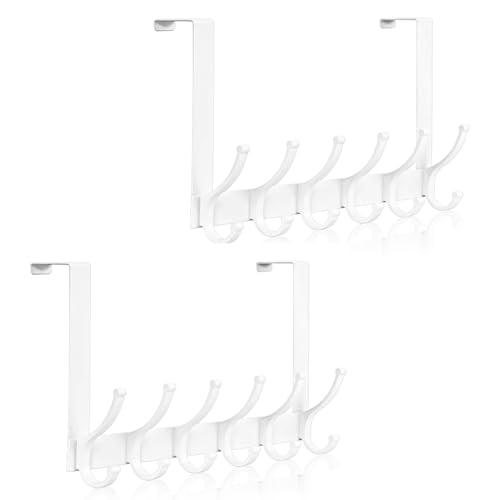
Optish Over The Door Hooks, 2 Pack White
Original price was: £19.99.£16.14Current price is: £16.14. *View On Amazon* -
Hooks and Racks
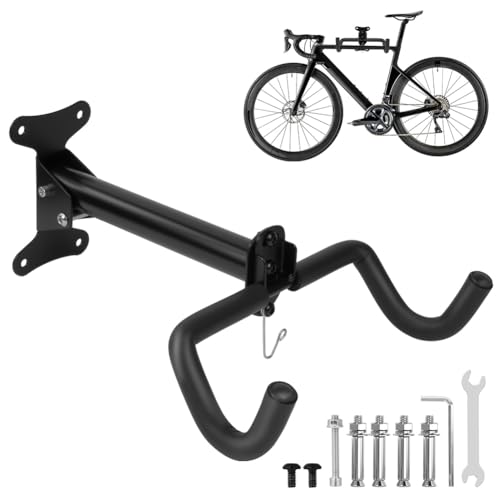
WELDUN Bike Wall Mount Foldable Bike Rack with Helmet Hook
Original price was: £17.99.£14.39Current price is: £14.39. *View On Amazon* -
Hooks and Racks
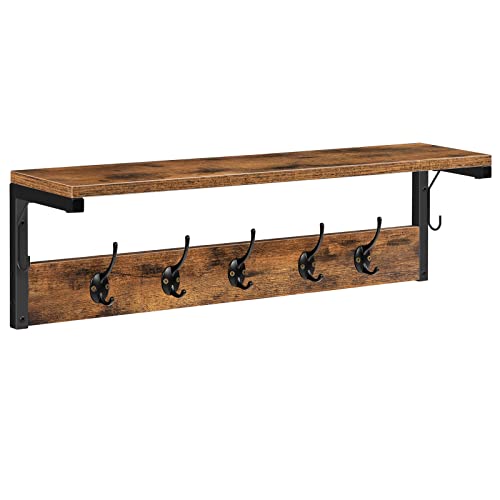
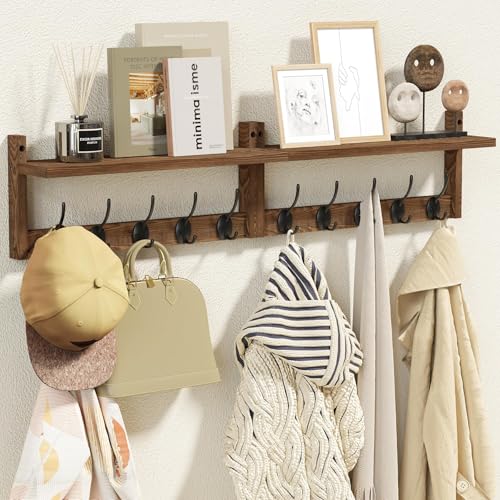
HOOBRO Wall Mounted Coat Rack Shelf with 7 Hooks, 70 cm, Rustic Brown EBF16YM01
Original price was: £31.99.£26.99Current price is: £26.99. *View On Amazon* -
Hooks and Racks
Wall Mount Coat Rack 2 Pack, Black Coat Hooks Hanger with 6 Double Hooks
Original price was: £10.99.£9.34Current price is: £9.34. *View On Amazon* -
Hooks and Racks
lmytdo Over Door Hook, 12 Hook Over Door Hanger with Rust Resistant Finish
£9.29 *View On Amazon* -
Hooks and Racks
Green Haven Heavy Duty 48-inch Garden Tool Rack with 7 Adjustable Hooks
£28.99 *View On Amazon* -
Hooks and Racks
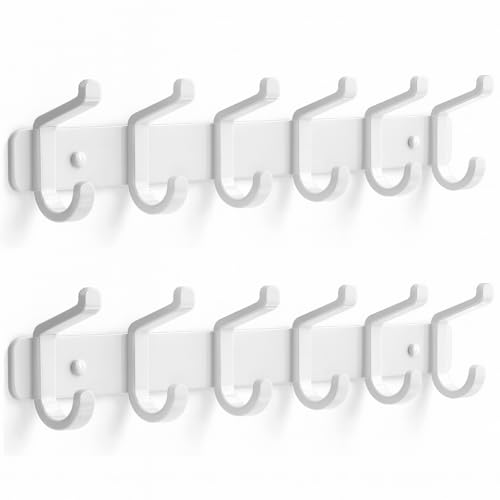
pickpiff Wall Mounted Coat Rack, Metal, 6 Hooks, White, 2 Pack
Original price was: £15.99.£14.99Current price is: £14.99. *View On Amazon* -
Hooks and Racks
Eiito Hat Hooks for Caps Storage 4 Pack, Multi-Purpose Hat Organizer, Adhesive Wall Hat Racks, Two Mounting Options, Black
Original price was: £9.99.£8.49Current price is: £8.49. *View On Amazon* -
Hooks and Racks
AMBIRD 87cm Wooden Wall Hook Rack with Shelf, 10 Hooks
Original price was: £39.99.£33.98Current price is: £33.98. *View On Amazon* -
Hooks and Racks
SONGMICS Freestanding Coat Rack, Cloud White, 175 cm, 16 Hooks RCR081WC01
Original price was: £14.99.£12.74Current price is: £12.74. *View On Amazon* -
Hooks and Racks
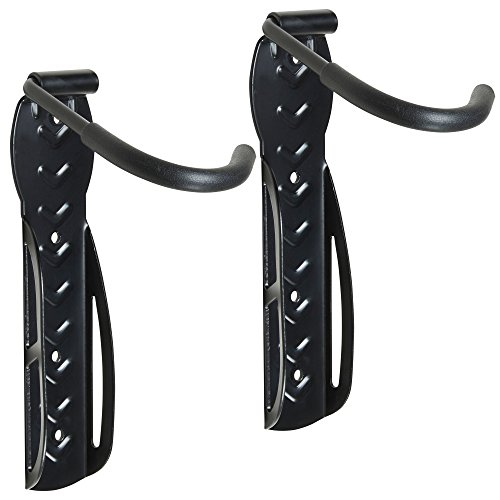
VonHaus Bike Wall Mounts 2-Pack for Garage and Shed
Original price was: £11.99.£9.99Current price is: £9.99. *View On Amazon* -
Hooks and Racks
Housolution Bike Storage Rack 32 Inch for 4 Bikes + 3 Helmets
£23.99 *View On Amazon* -
Hooks and Racks
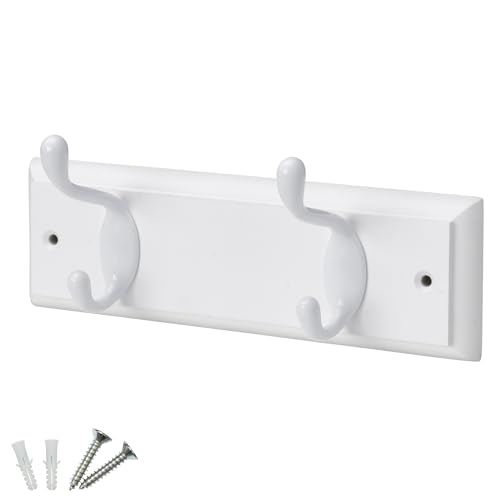
LARHN White Wall-Mounted Coat Rack with 4 Matt-Nickel Coat Hooks, 42cm
Original price was: £17.99.£14.99Current price is: £14.99. *View On Amazon*










How to Choose Hooks and Racks
Hooks and racks provide accessible storage for items that can be hung rather than placed inside drawers, boxes or cupboards. They can help keep floors and worktops clearer while making frequently used belongings easier to find.
The right product depends on what you need to hang, the available space and whether you can drill into the wall, door or furniture.
Check the organiser’s dimensions, fitting method and stated load capacity before ordering. The supporting surface and fixings must also be suitable for the combined weight of the rack and its contents.
Types of Hooks and Racks
Wall-Mounted Hooks
Wall-mounted hooks provide a permanent hanging point for coats, bags, towels, keys and household accessories.
They may be supplied individually or as part of a multi-hook rail. Screw-fixed products can offer secure storage when installed correctly into a suitable surface.
Check whether the supplied fixings match your wall construction. Masonry, timber, plasterboard and tiled walls can require different plugs, screws and installation methods.
Adhesive Hooks
Adhesive hooks attach without drilling and can be useful in rented homes, bathrooms, kitchens and other areas where permanent fittings are undesirable.
Their performance depends on the wall finish, preparation, temperature, humidity and weight applied. Smooth, clean surfaces generally provide better adhesion than textured, dusty or damp materials.
Follow the stated curing time before adding weight. Do not exceed the product’s load limit or use adhesive hooks for valuable, fragile or hazardous items unless the manufacturer confirms suitability.
Removable Adhesive Hooks
Removable hooks are designed to detach using a specified tab or release method, potentially reducing damage to compatible surfaces.
Removal results can vary according to the paint, wallpaper, age of the surface and how long the hook has been installed.
Pull removal strips in the stated direction and avoid forcing the hook away from the wall. Check compatibility before use on delicate paint, wallpaper, veneer or plaster.
Over Door Hooks and Racks
Over door products hang from the top of a compatible door and provide storage without drilling.
They can suit coats, dressing gowns, towels, bags and accessories. Measure the door thickness and the clearance above the frame before purchasing.
The door must still open and close properly after installation. Additional weight should not affect the hinges, latch, seals or alignment.
Coat Hook Rails
Coat rails combine several hooks on one mounting strip, providing organised storage for multiple items.
They can be useful in hallways, porches, bedrooms, utility rooms and cloakrooms. Compare the number of hooks, spacing and total stated load.
Hooks positioned too closely may cause bulky coats and bags to overlap, making items difficult to remove.
Freestanding Coat Racks
Freestanding coat racks provide hanging storage without wall installation. Designs may include central poles, branching hooks, lower shelves or umbrella holders.
They can be moved as household needs change, but they require floor space and a stable, level surface.
Distribute weight evenly and avoid placing several heavy coats or bags on one side. Wall restraint may be recommended for some products.
Key Racks and Holders
Key racks provide small hooks for household, vehicle and outbuilding keys. Some include shelves, mail holders or labelled sections.
Install the rack somewhere practical but consider household security. Keys should not be visible or reachable through doors, windows or letterboxes.
Heavy keyrings and accessories can place more weight on small hooks than expected.
Towel Hooks and Racks
Towel hooks and rails provide hanging space in bathrooms, kitchens and utility areas.
Choose materials and finishes suited to humid conditions. Towels need enough space and airflow to dry rather than remaining tightly layered.
Check whether the product is screw-fixed, adhesive, suction-mounted or placed over a door.
Suction Hooks
Suction hooks attach to compatible smooth, non-porous surfaces such as certain tiles, glass and mirrors.
They are generally unsuitable for textured tiles, grout lines, porous stone and uneven surfaces.
Clean the mounting area carefully and follow the installation instructions. Suction can weaken over time, so check the hook regularly and avoid hanging fragile or valuable items.
Peg Racks
Peg racks use rounded pegs rather than conventional curved hooks. They can suit coats, hats, scarves, bags and children’s clothing.
Wooden peg rails may provide a simple, decorative appearance in hallways and bedrooms.
Check that the pegs are smooth and securely fitted so they do not catch fabrics or loosen under weight.
Utility Hooks and Tool Racks
Utility racks organise brooms, mops, brushes, dusters, garden accessories and compatible household tools.
Some use hooks, clips or spring-loaded grips that hold handles of different diameters.
Check the handle range and load capacity. Heavy tools should not be stored above head height or where they could fall into a walkway.
Mop and Broom Holders
Mop and broom racks help keep long-handled cleaning tools upright and off the floor.
Wall-mounted models can free cupboard space and prevent handles from leaning across doorways. Clip-style holders should grip securely without crushing or damaging the handle.
Allow mop heads and damp cleaning tools to dry before placing them inside an enclosed cupboard.
Kitchen Hooks and Racks
Kitchen racks may hold utensils, mugs, pans, towels and other compatible cooking accessories.
Check that the product and fixings can support the intended weight. Cookware can be much heavier than cloths or lightweight utensils.
Keep hanging items away from hobs, open flames, hot appliances and food preparation areas where they could become contaminated.
Bathroom Hooks and Racks
Bathroom storage can include hooks for towels, robes, shower accessories and grooming tools.
Choose moisture-resistant materials and check whether the fixing method is suitable for tiles, glass, painted walls or doors.
Do not drill into tiled or concealed plumbing areas without checking what is behind the surface.
Wardrobe Hooks and Racks
Wardrobe hooks can hold belts, scarves, handbags, ties and selected clothing accessories.
They may attach to wardrobe walls, rails, shelves or doors. Check internal clearance so stored items do not obstruct hanging clothes or prevent doors from closing.
Avoid overloading lightweight wardrobe panels or tension rails.
Hat and Scarf Racks
Specialist racks may include several hooks, loops or clips for hats, scarves and lightweight accessories.
Check that the hook shape does not stretch hat bands or snag delicate fabrics.
Place heavier items lower down and avoid crowding so tightly that belongings become creased or difficult to identify.
Bag and Handbag Hooks
Bag hooks can keep handbags, backpacks and shopping bags off floors and shelves.
Handbags can become heavy when filled, so check the hook and supporting surface capacity carefully.
Structured or valuable bags may be better stored upright on a shelf rather than suspended for extended periods.
Jewellery Racks and Hooks
Jewellery hooks help separate necklaces, bracelets and accessories to reduce tangling.
Use smooth, appropriately sized hooks and keep delicate pieces away from rough metal edges.
Ordinary display racks may not provide suitable security for valuable jewellery. Use secure storage where theft protection matters.
Important Buying Considerations
Intended Items
Think about what the hook or rack needs to hold.
Possible uses include:
- Coats and jackets
- Towels and robes
- Keys
- Bags and backpacks
- Cleaning tools
- Kitchen utensils
- Hats and scarves
- Jewellery
- Dog leads
- Umbrellas
- Laundry accessories
- Children’s clothing
The item’s size and weight should determine the hook shape, spacing, material and fixing method.
Stated Load Capacity
Check whether the product lists a maximum load per hook, per rail or for the complete rack.
Several lightweight items can create substantial combined weight. Wet towels, heavy winter coats and loaded bags weigh more than they may initially appear.
Always follow the lowest relevant limit across the organiser, fixings and supporting surface.
Supporting Surface
The surface must be strong enough for the product and expected load.
Common surfaces include:
- Brick
- Concrete
- Timber
- Plasterboard
- Tiles
- Glass
- Painted walls
- Wardrobe panels
- Internal doors
- Cupboard doors
Use only the installation method intended for that surface. Seek professional assistance where the construction, concealed services or correct fixings are uncertain.
Hook Size and Shape
Small hooks suit keys and lightweight accessories. Larger, deeper hooks may hold coats, bags and towels more securely.
Rounded edges can reduce pressure marks and fabric snagging. Narrow metal hooks may be unsuitable for delicate or heavy garments.
Check that items will remain on the hook when doors move or household members brush past them.
Number and Spacing of Hooks
More hooks increase capacity, but tightly spaced hooks can make bulky items overlap.
Consider the width of coats, bags and towels rather than counting hooks alone.
A longer rack with wider spacing may be more useful than a compact product with many closely positioned hooks.
Materials and Finish
Hooks and racks may be made from metal, plastic, wood, bamboo or mixed materials.
Metal can provide strength, while plastic is lightweight and may suit smaller items. Wood and bamboo can create a decorative appearance but may require additional care in humid rooms.
Check for smooth surfaces, protective coatings and secure joins.
Installation Requirements
Some products require drilling, wall plugs and screws. Others use adhesive pads, suction cups, over door brackets or clamps.
Permanent fixings may offer stronger support but require accurate installation. Temporary fittings are convenient but may have lower load limits and stricter surface requirements.
Check tenancy restrictions before drilling or applying strong adhesive products.
Available Space
Measure the width, height and depth of the proposed position.
Allow room for hanging items to remain clear of:
- Doors
- Drawers
- Furniture
- Radiators
- Electrical fittings
- Cooker areas
- Walkways
- Stairs
- Windows
- Locks and handles
Bulky coats and bags can project much further into a room than the rack itself.
Height
Install hooks at a comfortable, accessible height for the intended users.
Children’s hooks may need to be positioned lower, while rarely used storage can sit higher where it can still be accessed safely.
Avoid placing heavy or sharp items above beds, seating, doorways or frequently used walkways.
Screw-Fixed or Adhesive Hooks
Screw-fixed hooks are generally more suitable for heavier or frequently used items when installed correctly into an appropriate surface.
Adhesive hooks avoid drilling and can suit lightweight belongings on compatible surfaces. Their performance may be affected by moisture, heat, paint condition and surface texture.
Choose screw-fixed products where greater load support and permanent installation are appropriate. Use adhesive hooks for lighter, temporary organisation where the surface guidance permits it.
Individual Hooks or Hook Rails
Individual hooks can be positioned exactly where needed and spaced according to the size of the items.
Hook rails provide several hanging points within one product and require fewer separate measurements during installation.
Individual hooks offer greater flexibility, while rails can create a more consistent appearance and distribute several items across one mounting strip.
Wall-Mounted or Freestanding Racks
Wall-mounted racks keep floors clear and can use unused vertical space. They require a suitable wall and appropriate installation.
Freestanding racks can be moved and do not require drilling. They occupy floor space and may tip if unevenly loaded.
Choose according to the available room, expected load and whether permanent installation is possible.
Over Door or Wall-Mounted Storage
Over door racks are simple to install and useful in rented homes, but they can affect door clearance and hinge loading.
Wall-mounted storage can offer a more permanent and stable solution when fitted correctly.
Over door products suit lighter items and temporary storage. Wall-mounted racks are often more appropriate for heavier or regularly used belongings.
Hooks and Racks for Hallways
Hallway storage can keep coats, bags, hats, scarves, umbrellas and dog leads close to the entrance.
Choose racks that do not narrow the walkway or obstruct the front door. Wet outdoor clothing should have enough space to dry without contacting the wall or floor.
Heavy bags and winter coats require strong hooks and suitable wall fixings.
Hooks and Racks for Bedrooms
Bedroom hooks can organise dressing gowns, clothing, handbags and accessories.
Over door and adhesive products may suit rented or compact rooms, while wall-mounted rails provide more permanent storage.
Avoid using hooks as a place to collect large amounts of worn clothing, as excessive weight and clutter can make the room harder to manage.
Hooks and Racks for Bathrooms
Bathroom hooks can hold towels, robes and selected shower accessories.
Use products suited to humid conditions and regularly check for corrosion, weakened adhesive and trapped moisture.
Space towels apart so air can circulate. Tightly layered towels may remain damp and develop unpleasant odours.
Hooks and Racks for Kitchens
Kitchen hooks may hold tea towels, oven gloves, utensils and suitable cookware.
Place hooks away from direct heat, flames and areas where hanging items could fall onto food or cooking surfaces.
Heavy pans require a rack and wall fixing system specifically capable of supporting them.
Hooks and Racks for Utility Rooms
Utility racks can organise cleaning tools, laundry bags, brushes, cloths and reusable shopping bags.
Allow damp items to dry before storing them against walls or inside cupboards.
Keep detergents, capsules and cleaning chemicals in secure storage rather than suspending them from general-purpose hooks.
Hooks and Racks for Wardrobes
Internal wardrobe hooks can organise belts, ties, scarves and lightweight bags.
Check whether doors and drawers still close after installation. Hanging items should not press against delicate clothes or block access to shelves.
Heavy bags should be stored on stable shelves rather than lightweight adhesive wardrobe hooks.
Hooks and Racks for Children’s Rooms
Child-accessible hooks can make coats, bags and dressing gowns easier to put away.
Choose smooth, rounded products and install them securely at a suitable height.
Avoid sharp hooks, long hanging cords and heavy belongings above a child’s head. Wall-mounted products should not be used for climbing or play.
Hooks and Racks for Dog Leads and Pet Accessories
Hooks can provide convenient storage for dog leads, harnesses, collars and waste-bag holders near an entrance.
Allow wet leads and harnesses to dry before placing them against painted walls or inside cupboards.
Keep medicines, grooming blades and small accessories securely away from pets and children.
Hooks for Keys
Place key hooks somewhere convenient but not visible or reachable through windows, doors or letterboxes.
Avoid labelling keys with full addresses or security-sensitive information.
Use hooks large enough to hold the keyring without allowing it to slip off when nearby items are removed.
Hooks for Towels and Robes
Choose a rounded hook or wide rail that supports the fabric without creating sharp marks.
Wet towels need ventilation. Avoid placing several large towels on one small hook.
Check the hook regularly for movement, rust or weakening adhesive.
Hooks for Coats and Jackets
Heavy coats require strong hooks, appropriate spacing and secure fixing.
Place broad or rounded hooks where possible to reduce pressure on collars and hanging loops.
Do not rely on a small garment loop if the coat is heavy, as repeated hanging can tear the fabric.
Hooks for Bags and Backpacks
Loaded bags may be considerably heavier than empty ones.
Check pockets before hanging and avoid suspending bags containing laptops, drinks or heavy equipment from lightweight hooks.
Use a hook wide enough to support the strap without cutting into or distorting it.
Hooks for Cleaning Tools
Tool racks can hold mops, brooms, dusters and brushes away from the floor.
Check the handle diameter and whether gripping clips can hold the tool securely.
Store heavy or sharp tools lower down and away from doorways. Cleaning heads should be rinsed and dried before enclosed storage.
Installing Wall Hooks
Mark the position and check the wall for concealed pipes and electrical cables before drilling.
Use fixings suited to the wall material and expected load. Follow the template and spacing instructions where supplied.
Install the product level and tighten all fasteners securely without damaging the wall or rack.
Test with a light item before gradually adding the intended load.
Installing Hooks on Plasterboard
Plasterboard can require specialist anchors or fixing into timber studs.
Ordinary screws placed directly into plasterboard may not support the stated product load.
Use suitable fixings and reduce the load where required by the anchor manufacturer. Professional installation may be preferable for heavy racks or uncertain wall construction.
Installing Hooks on Tiles
Drilling tiles requires suitable tools, fixings and care to avoid cracking the surface or damaging concealed plumbing.
Adhesive or suction products may offer an alternative where the tile is smooth and compatible.
Do not drill close to tile edges or unknown pipe routes without appropriate knowledge and equipment.
Installing Adhesive Hooks
Clean and prepare the surface exactly as directed.
Allow it to dry fully and avoid touching the adhesive pad. Press the hook into place for the stated period and wait through the required curing time before loading.
Do not reposition a used adhesive strip unless the manufacturer confirms it can be reused.
Installing Over Door Racks
Measure the door thickness and top clearance before fitting.
Place any supplied protective pads between the hook and door. Test the door while the rack is empty and add items gradually.
Stop using the rack if the door begins rubbing, sagging or failing to latch correctly.
Avoiding Hidden Pipes and Cables
Walls can contain electrical wiring, water pipes and heating components.
Use a suitable detector where appropriate and follow safe drilling guidance. Do not assume that an apparently clear wall section contains no concealed services.
Seek professional help if the installation position is close to sockets, switches, taps, radiators or plumbing fixtures.
Preventing Wall Damage
Use the correct installation method and do not exceed the stated load.
Check periodically for:
- Cracks around fixings
- Loose screws
- Peeling paint
- Adhesive lifting
- Wall movement
- Dampness
- Bent brackets
- Gaps behind the rack
Remove the load immediately if the fitting begins to fail.
Preventing Door Damage
Over door hooks should fit without scraping the frame or compressing the top edge excessively.
Protective pads can reduce movement and marks where supplied.
Distribute weight evenly and remove the organiser if hinges loosen or the door becomes difficult to close.
Preventing Items from Falling
Choose hooks deep enough for the item and avoid overloading them.
Place heavier belongings lower down and keep fragile objects away from areas where they could be knocked.
Check that coats, straps and towels do not cover neighbouring hooks or pull other items down.
Avoiding Overloading
Warning signs of overloading can include:
- Bending hooks
- Loose screws
- Stretched adhesive
- Cracked plastic
- A sagging rail
- Door misalignment
- Wall movement
- Items slipping
- Unusual noises
- Visible gaps around fixings
Remove weight immediately if any of these signs appear.
Maintaining Airflow
Wet coats, towels and cleaning tools need room to dry.
Space items apart and avoid layering several damp belongings on one hook.
Poor airflow can lead to odours, moisture marks and mould around walls and doors.
Preventing Damp and Mould
Do not hang wet items against wallpaper, untreated wood or persistently cold walls.
Use suitable ventilation and allow clothing and towels to dry fully.
Inspect behind racks periodically, especially in bathrooms, utility rooms and hallways near external doors.
Address leaks, condensation and structural damp rather than relying on moisture-resistant hooks alone.
Cleaning Hooks and Racks
Remove all stored items before cleaning.
Wipe the product using a method suitable for its material and finish. Pay attention to joints, hook bases and mounting areas where dust can collect.
Dry metal and wooden products thoroughly before rehanging clothing or towels.
Cleaning Metal Hooks
Use a suitable cloth and avoid abrasive products that could damage the coating.
Inspect for rust, chipped finishes and sharp edges.
Replace hooks that could stain clothing or cause cuts and snags.
Cleaning Wooden Hooks
Dust regularly and wipe sparingly according to the care instructions.
Avoid soaking wood or bamboo, particularly in humid rooms.
Check for cracks, splinters and loose pegs before returning delicate garments.
Cleaning Plastic Hooks
Wipe or wash removable plastic hooks using a compatible method.
Avoid strong solvents and excessive heat unless the manufacturer confirms suitability.
Replace cracked or brittle plastic that can no longer support items securely.
Maintaining Adhesive Hooks
Check that the adhesive pad remains fully attached and that moisture has not reached the mounting surface.
Do not keep reapplying pressure to a hook that has begun lifting. Remove it using the stated method and replace the adhesive strip where compatible.
Adhesive hooks may require earlier replacement in humid or warm rooms.
Maintaining Screws and Brackets
Inspect screw-fixed racks periodically for looseness.
Tighten fittings carefully where appropriate, but do not overtighten and damage the wall, plug or product.
Stop using the rack if the fixing hole becomes enlarged or the wall surface begins to crumble.
Hooks and Racks Around Children
Keep sharp hooks, heavy items and long straps away from young children.
Do not install coat racks where children could climb or swing from them.
Secure freestanding products where the manufacturer recommends it and keep heavy belongings on lower hooks.
Hooks and Racks Around Pets
Pets may chew hanging straps, leads, wooden hooks and fabric items.
Keep medicines, cleaning products, electrical cables and small accessories out of reach.
Check lower hooks for damage and avoid hanging food bags where animals can access them.
Fire Door and Emergency Access
Hooks and racks must not interfere with fire doors, seals, latches, closers or emergency exits.
Do not drill into or modify a fire door without suitable professional guidance.
Keep escape routes, door handles and locks clear at all times.
Hooks in Rented Homes
Check the tenancy agreement before drilling walls, doors or fitted furniture.
Removable adhesive and over door products can reduce the need for permanent alterations, but they may still mark paint or affect door operation.
Test discreetly where appropriate and retain installation and removal instructions.
Organising Hooks and Racks
Group items by use so the storage remains practical.
A hallway rack might separate coats, bags, hats and dog leads. A utility rack could divide mops, brushes and reusable shopping bags.
Avoid hanging unrelated items together until the rack becomes difficult to use.
Labelling Hooks
Labels can help household members return keys, bags and accessories to the correct place.
Use discreet, removable labels and avoid revealing security-sensitive information.
Picture labels may help younger children identify hooks for coats, school bags and outdoor clothing.
When to Replace Hooks and Racks
Replace a hook or rack if it becomes:
- Bent
- Cracked
- Rusted
- Loose
- Sharp
- Unstable
- Detached from the wall
- Unable to support its intended load
- Damaged around screw holes
- A cause of door or wall damage
Do not continue using a product that has partially detached or begun to fail.
Useful Hook and Rack Accessories
Useful additions may include:
- Replacement adhesive strips
- Protective door pads
- Wall plugs and fixings
- Labels
- Hanging baskets
- S-hooks
- Tool clips
- Garment hangers
- Storage caddies
- Shoe organisers
Use only fittings and accessories compatible with the product, surface and expected load.
Adding extra hooks should not exceed the capacity of the original rack or mounting system.
Why Buy Hooks and Racks from YPC?
At YPC, we understand active lifestyles and the need for practical products that work in real use. Our Hooks and Racks category makes it easier to compare wall-mounted, adhesive, over door, freestanding and specialist storage options.
Browse the available products and compare dimensions, materials, load capacity and installation requirements to find hooks and racks suited to your belongings and household space.
Frequently Asked Questions
What type of hook should I use for heavy coats?
Choose a strong screw-fixed hook or rack with a suitable stated load capacity. Make sure the wall and fixings can also support the combined weight.
Do adhesive hooks damage walls?
They can mark or lift some paint, wallpaper and delicate finishes. Check surface compatibility and follow the installation and removal instructions carefully.
Can over door hooks be used on any door?
No. Measure the door thickness and top clearance and make sure the hooks do not interfere with the frame, latch, seals or hinges.
Are suction hooks suitable for bathroom tiles?
They may work on smooth, non-porous tiles but are generally unsuitable for textured surfaces, grout lines and porous stone. Check the product instructions.
How high should coat hooks be installed?
Install them at a comfortable height for the intended users while keeping hanging items clear of floors, doors and walkways. Consider lower hooks for children.
 Getting ready for Summer? View our Home and Garden Products

Heading outdoors this winter? Take a look at our Outdoor Clothing.