
Storage Baskets
Storage Baskets for Practical Home Organisation
Storage baskets help organise clothing, toys, toiletries, cleaning supplies, paperwork and other everyday household items. Whether you need an open basket for quick access, a handled design for carrying supplies or a decorative option for visible shelving, choosing the right size and material can make rooms easier to keep tidy.
Browse plastic storage baskets, fabric baskets, woven designs, shelf baskets, handled containers and stackable organisers. Compare products by their external dimensions, usable capacity, materials, handle design, care requirements and suitability for the room or contents.
Explore Storage Baskets at YPC to find practical organisation solutions for bedrooms, bathrooms, kitchens, wardrobes, utility rooms and shared living spaces.
-
Storage Baskets
SYEXDZON Collapsible Fabric Storage Baskets, Set of 4, 47 x 28 x 20cm
£11.99 *View On Amazon* -
Storage Baskets
Sagittar Set of 6 Stackable Storage Boxes with Bamboo Lid, Black
£19.98 *View On Amazon* -
Storage Baskets
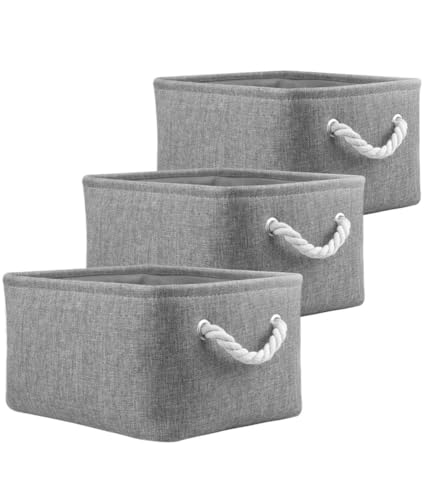
Syeeiex Storage Baskets for Shelves, 3-Pack, White & Grey
Original price was: £24.99.£21.99Current price is: £21.99. *View On Amazon* -
Storage Baskets
M.J COMFY-LIFE 2 Pack Collapsible Storage Boxes with Lids 45 x 30 x 30cm (Green)
£12.59 *View On Amazon* -
Storage Baskets
SYEXDZON Storage Baskets Set of 3 Fabric Storage Boxes, 47 x 28 x 20 cm
£12.74 *View On Amazon* -
Storage Baskets
Woodluv Set of 3 Seagrass Storage Boxes with Lid, Brown
Original price was: £29.99.£26.99Current price is: £26.99. *View On Amazon* -
Storage Baskets
CURVER Infinity Dots Set of 4 Rectangular Storage Boxes, 4.5 Litres, Green
£10.00 *View On Amazon* -
Storage Baskets
4 Pack Folding Closet Organizers Box, Stackable Plastic Basket, Drawer Shelf Container, 4L White
Original price was: £38.79.£22.97Current price is: £22.97. *View On Amazon* -
Storage Baskets
ARPAN Large Resin Woven Storage Basket Box with Lid and Lock – White
Original price was: £17.99.£12.99Current price is: £12.99. *View On Amazon* -
Storage Baskets
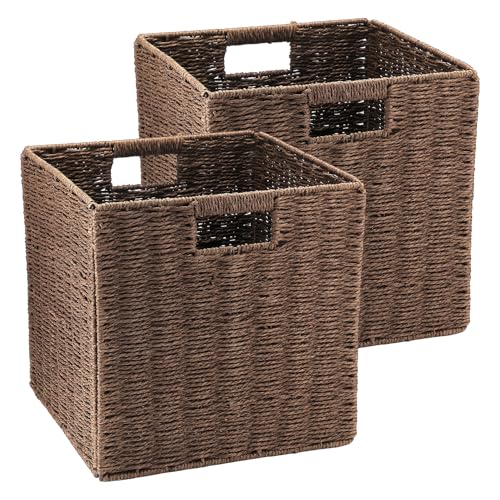
Woodluv Seagrass Storage Baskets Set of 3
Original price was: £16.99.£14.99Current price is: £14.99. *View On Amazon* -
Storage Baskets
PALUDO Set of 3 Storage Baskets, 3 Sizes, Wicker Bathroom Baskets
£15.99 *View On Amazon* -
Storage Baskets
2 Piece Wicker Basket Set with Handle, Scallop Edge Storage Baskets
£16.99 *View On Amazon* -
Storage Baskets
5 Pack Foldable Storage Baskets for Shelves, Black, 30 x 20 x 15 cm
£23.99 *View On Amazon* -
Storage Baskets
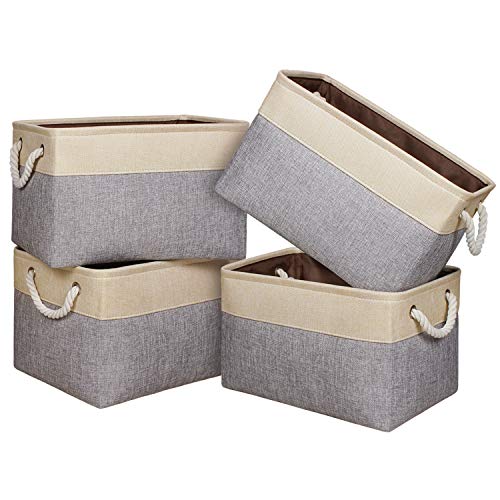
StorageWorks Storage Boxes for Shelves, Fabric Long Storage Basket with Handles, 2-Pack, Brown and Beige
Original price was: £33.99.£26.49Current price is: £26.49. *View On Amazon*







How to Choose Storage Baskets
Storage baskets provide open or semi-enclosed organisation for household belongings that need to remain easy to reach. They can help group similar items, reduce loose clutter and make better use of shelves, cupboards and unused corners.
The right basket depends on what you plan to store, where it will be positioned and how often it needs to be moved. A small plastic basket may suit bathroom toiletries, while a larger fabric or woven basket can hold blankets, toys or clothing accessories.
Measure the intended space before ordering. Compare the full external width, depth and height, including handles, rims and any tapered sides.
Types of Storage Baskets
Plastic Storage Baskets
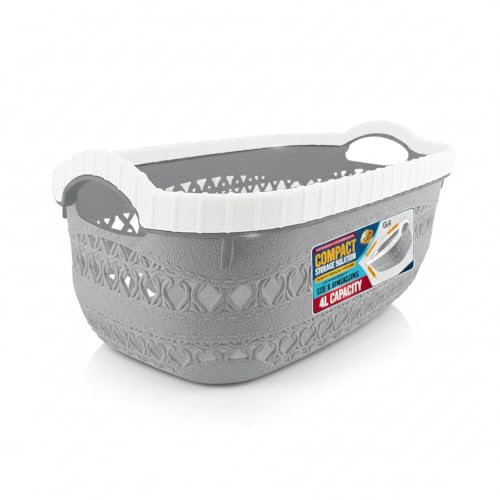
Plastic storage baskets are practical for kitchens, bathrooms, utility rooms and cupboards because they are generally lightweight and easy to wipe clean.
They may include solid sides, ventilation holes, built-in handles or open-weave designs. Rigid construction can help the basket retain its shape when it is moved or placed on a shelf.
Check whether the plastic is suitable for the intended environment and contents. Not every basket is designed for food storage, heavy tools or long-term outdoor use.
Fabric Storage Baskets
Fabric baskets can provide softer storage for bedrooms, wardrobes, nurseries and living rooms. They are often designed to fit cube shelving or remain visible as part of the room.
Some include reinforced sides, removable inserts or carrying handles. Folding designs can be stored flat when not in use.
Fabric baskets may absorb moisture, dust and spills more readily than plastic. Check whether the product can be washed, wiped or spot cleaned.
Woven Storage Baskets
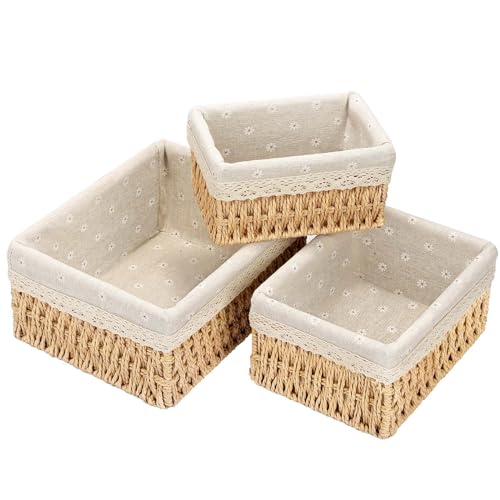
Woven baskets can combine practical storage with a decorative appearance. They may be made from natural fibres, synthetic materials, plastic or mixed construction.
They are often used for blankets, towels, toys, magazines and household accessories.
Check the interior for rough edges that could catch delicate fabrics. A removable liner may help protect contents and make cleaning easier.
Natural woven materials may not be suitable for damp bathrooms or utility areas unless the product guidance confirms this.
Wire Storage Baskets
Wire baskets provide a visible, ventilated storage option for cupboards, shelves, kitchens and utility spaces.
Their open construction makes contents easy to identify and can allow air to circulate. However, small items may fall through the gaps unless a liner or separate container is used.
Check that the wire is smooth, securely joined and suitably coated where it may be exposed to moisture.
Shelf Storage Baskets
Shelf baskets are shaped to fit bookcases, cupboards, wardrobes and shelving units. They can help group smaller items and make deep shelves easier to manage.
Measure the shelf width, depth and height carefully. Allow enough space to slide the basket out without catching on doors, hinges or the shelf above.
Handled shelf baskets can be useful for contents that are accessed regularly.
Handled Storage Baskets
Handles make storage baskets easier to lift and move between rooms. They can be helpful for cleaning supplies, laundry accessories, toys, craft materials and bathroom products.
Check whether the handles are moulded into the basket, attached separately or made from flexible fabric.
Avoid overloading a basket beyond its stated capacity, particularly where the handles are narrow or stitched into soft material.
Stackable Storage Baskets
Stackable baskets are designed to sit securely on top of compatible products. Some remain open at the front so the contents can be accessed without removing the upper basket.
They can help use vertical space in kitchens, wardrobes and utility rooms.
Only stack baskets where the manufacturer confirms that the design is intended for it. Place heavier items lower down and avoid creating unstable towers.
Nesting Storage Baskets
Nesting baskets fit inside one another when empty, reducing the amount of storage space they require.
They can be useful where baskets are brought out only when needed or used for different household tasks.
Check whether the basket dimensions decrease across the set and whether every size suits the intended contents.
Decorative Storage Baskets
Decorative baskets are intended to remain visible in living rooms, bedrooms and hallways while organising household items.
They may use fabric, rope, woven fibres, wood, metal or mixed materials.
Consider both appearance and practicality. A decorative finish may be harder to clean or less suitable for damp, heavy or dirty items.
Important Buying Considerations
External Dimensions
External dimensions determine whether the basket will fit inside a cupboard, on a shelf or beneath furniture.
Measure:
- Width
- Depth
- Height
- Handle projections
- Rim thickness
- Shelf clearance
- Space needed to remove the basket
Some baskets taper towards the base, so the internal space may be smaller than the top opening suggests.
Internal Capacity
Capacity may be shown in litres or through product dimensions. Consider the size and shape of the belongings rather than volume alone.
A tall basket may suit rolled towels or cleaning bottles, while a wide, shallow basket can be easier for paperwork, toys or pantry items.
Avoid filling the basket so tightly that items become difficult to remove.
Material
Plastic is usually easy to wipe clean and can suit damp-prone rooms. Fabric is lightweight and can soften the appearance of visible shelving.
Woven, wire and rope baskets offer different levels of ventilation, rigidity and cleaning convenience.
Choose according to the environment, contents and amount of handling rather than appearance alone.
Handles
Handles should be comfortable and strong enough for the expected load.
Open hand slots can make rigid baskets easier to lift, while flexible handles may be useful for larger fabric designs.
Check that handles do not add too much width for the intended cupboard or shelf.
Ventilation
Open-weave and wire baskets allow air to move around the contents. This can be useful for towels, clothing accessories and certain household supplies.
Ventilation does not make it suitable to store wet items for long periods. Damp laundry, cloths or toiletries should be allowed to dry before being placed into a basket.
Weight Capacity
Check any stated weight limit, particularly when storing books, jars, cleaning bottles or heavier household equipment.
A large basket can become difficult to carry before it looks full. Use smaller baskets for dense, heavy items where practical.
Do not lift a basket by decorative or unsupported sections.
Ease of Cleaning
Baskets used in kitchens, bathrooms and utility rooms may need regular cleaning.
Smooth plastic and coated metal are generally easier to wipe. Fabric and woven materials may need vacuuming, spot cleaning or washing according to their care instructions.
Choose a material you can maintain appropriately for the intended room.
Open Storage Baskets or Lidded Storage Boxes
Open baskets provide quick access and make it easy to see frequently used belongings. They can suit toys, towels, toiletries and everyday household accessories.
Lidded storage boxes offer better protection from dust and keep loose contents more securely contained. They may be less convenient for items used several times each day.
Many homes use baskets for regular access and boxes for seasonal, private or rarely used belongings.
Storage Baskets or Storage Boxes
Storage baskets usually prioritise access, visibility and easy carrying. They can be flexible or decorative and work well on open shelves.
Storage boxes often provide a more rigid structure and may include secure lids for protection and stacking.
Choose a basket when you want items to remain easy to reach. Choose a box where dust protection, secure closure or long-term storage matters more.
Storage Baskets for Living Rooms
Living-room baskets can organise blankets, magazines, remote controls, cables, toys and hobby supplies.
Larger woven or fabric baskets can hold soft furnishings, while smaller shelf baskets can group electronics and accessories.
Avoid covering vents on electrical equipment or placing baskets too close to heaters, fires or candles.
Keep small batteries, cables and remote controls away from young children and pets where necessary.
Storage Baskets for Bedrooms
Bedroom baskets may be used for clothing, scarves, accessories, books, laundry and personal items.
Fabric and decorative baskets can fit cube shelving or sit beneath dressing tables. Handled baskets make it easier to move contents between a wardrobe and bed.
Avoid storing damp clothing or used towels in an enclosed or poorly ventilated basket.
Storage Baskets for Wardrobes
Wardrobe baskets help organise folded clothing, handbags, belts, shoes and seasonal accessories.
Measure around clothes rails, hinges and wardrobe doors before choosing the basket size.
Baskets stored on high shelves should be light enough to retrieve safely. Clear labels can help identify contents without lifting down every container.
Storage Baskets for Bathrooms
Bathroom baskets can organise toiletries, towels, toilet rolls, grooming products and cleaning accessories.
Choose moisture-resistant materials and keep the basket away from regular splashes where possible.
Fabric, untreated wood and natural fibres may develop odours or mould in poorly ventilated bathrooms.
Medicines, razors and strong cleaning products should remain securely stored away from children rather than relying on an open basket.
Storage Baskets for Kitchens
Kitchen storage baskets can group packets, bottles, cloths, utensils and cupboard supplies.
Check whether the basket is intended for direct food contact before placing unpackaged food inside it.
Measure shelves and cupboard interiors carefully, particularly around pipes, hinges and door racks.
Keep raw food, household chemicals and cleaning products stored separately.
Storage Baskets for Utility Rooms
Utility-room baskets can organise laundry products, cleaning cloths, spare sponges, brushes and household supplies.
Choose wipe-clean baskets where leaks or spills may occur.
Keep detergents, stain removers and cleaning chemicals in their original labelled containers. Store them securely and separate incompatible products where a leak could cause them to mix.
Storage Baskets for Children’s Rooms
Open baskets can make toys, books and craft materials easy for children to access and return after use.
Choose stable baskets with smooth edges and age-appropriate handles. Avoid heavy baskets on high shelves or stackable designs that could be climbed.
Small toys, batteries and craft components should be kept away from younger children where they could present a hazard.
Storage Baskets for Nurseries
Nursery baskets may help organise nappies, clothes, blankets, toys and care accessories.
Place regularly used items within adult reach while keeping medicines, creams, cords and small components securely away from children.
Check fabric and woven baskets for loose fibres, damaged handles or decorative parts.
Do not place storage baskets inside a cot or sleeping area.
Storage Baskets for Home Offices
Office baskets can organise paperwork, cables, stationery and printer supplies.
Use shallow baskets for documents and smaller handled containers for frequently moved items.
Avoid placing heavy stacks of paper into lightweight fabric baskets. Important records may require specialist document storage rather than an ordinary open basket.
Label contents where several similar baskets are used.
Storage Baskets for Craft Supplies
Compartmented or handled baskets can organise yarn, fabric, paints, tools and smaller craft materials.
Choose washable plastic for products that may leak, while fabric baskets can suit wool, textiles and lightweight supplies.
Keep sharp tools, adhesives, paints and small pieces securely away from children and pets.
Check whether bottles and containers can remain upright when the basket is carried.
Storage Baskets for Toys
Sort toys by type so that children can find and return them more easily.
Open baskets suit frequently used toys, while smaller containers can keep sets and pieces together.
Inspect baskets regularly for broken handles, cracked plastic, splintered fibres or sharp edges.
Do not allow children to sit, climb or hide inside baskets that are not designed for play.
Storage Baskets for Blankets and Cushions
Large floor baskets can hold throws, blankets and lightweight cushions in living rooms and bedrooms.
Check the internal dimensions and opening width, especially for bulky folded textiles.
Make sure all fabrics are clean and completely dry before storage. Damp textiles can develop odours and encourage mould.
Storage Baskets for Shoes
Baskets can organise slippers, children’s shoes and lightweight footwear.
Clean and dry footwear before storage. Mud, moisture and odours can transfer to both the basket and surrounding items.
Open or ventilated baskets may suit regularly worn shoes, while more structured storage can be better for delicate or seasonal footwear.
Using Baskets on Shelves
Leave enough clearance above the basket to grip the handle and slide it out without scraping the shelf.
Place heavier baskets at waist height or lower. Lightweight items are safer for higher shelves.
Avoid pulling a heavily loaded basket by one handle or from an angle, as this may damage the basket or shelf.
Use labels where the contents are not visible.
Using Baskets Inside Cupboards
Measure the cupboard at its narrowest point and account for door hinges, internal pipes and shelf supports.
Handled baskets can turn deep cupboards into pull-out storage, making rear items easier to reach.
Do not pack the basket so tightly that bottles or items fall when it is removed.
Check cupboards periodically for leaks, condensation and spills.
Stackable Basket Safety
Use only baskets designed to stack and follow any stated weight or height limits.
Position the stack on a level surface and keep heavier contents at the bottom.
Avoid stacking beside stairs, doorways, beds or areas where children and pets may knock the baskets over.
Frequently accessed baskets should remain at a comfortable height.
Labelling Storage Baskets
Labels can help household members return items to the correct place.
Useful labels may identify:
- Room
- Contents
- Household member
- Clothing size
- Toy type
- Cleaning task
- Craft material
- Season
- Priority of access
Use removable labels where the basket may later be used for another purpose.
Preventing Clutter Inside Baskets
A basket can hide clutter without making the contents easier to use. Group similar items together and avoid filling one large basket with unrelated belongings.
Smaller containers or dividers can help organise loose items within a larger basket.
Review contents periodically and remove damaged, unused or misplaced products.
Leave enough space to return items without forcing them into the basket.
Carrying Storage Baskets Safely
Check the handle and base before lifting the basket.
Use both hands where possible and keep the load close to your body. Do not carry so much that the basket blocks your view.
Divide heavy books, bottles or tools across several smaller baskets.
Avoid carrying an overloaded basket on stairs. Make more than one trip where necessary.
Preventing Damp and Mould
Place only dry items into storage baskets and avoid positioning them directly against damp walls.
Allow bathroom and laundry baskets to ventilate. Wash or dry cloths and towels before storing them.
Inspect natural fibre and fabric baskets periodically for musty smells, discolouration or mould.
Address leaks, condensation and ventilation problems rather than relying on the basket to protect the contents.
Preventing Cross-Contamination
Use separate baskets for clean laundry, dirty cleaning cloths, pet supplies, toiletries and food-related items.
Do not move a dirty bathroom or utility basket into a kitchen without cleaning it first.
Colour coding or labels can help identify which basket belongs in each area.
Clean baskets promptly after spills or contact with heavily soiled items.
Cleaning Plastic Storage Baskets
Empty the basket and remove loose dust or debris.
Wipe or wash it using a method suitable for the plastic. Rinse where needed and dry it completely before replacing the contents.
Pay attention to handles, ventilation holes and corners where residue can collect.
Do not use very hot water or strong chemicals unless the manufacturer confirms they are suitable.
Cleaning Fabric Storage Baskets
Check the care label before cleaning.
Some fabric baskets have removable washable liners, while others require vacuuming or spot cleaning. Rigid inserts may need to be removed before washing.
Avoid soaking cardboard-supported baskets because the structure may warp or weaken.
Allow every part to dry completely before reassembly and storage.
Cleaning Woven Storage Baskets
Dust woven baskets using a soft brush, cloth or suitable vacuum attachment.
Natural materials may require careful spot cleaning rather than soaking. Excess water can cause swelling, staining, warping or mildew.
Check liners separately and wash them according to their care instructions.
Inspect the weave for loose or sharp sections before returning delicate fabrics.
Cleaning Wire Storage Baskets
Wipe coated or metal wire with a suitable damp cloth and dry it thoroughly.
Check for rust, chipped coatings, sharp joins and bent sections.
Avoid using a damaged wire basket for fabrics, food packaging or items that could be scratched.
Follow the manufacturer’s guidance before using chemical cleaners on painted or coated metal.
When to Replace a Storage Basket
Replace a basket when it becomes:
- Cracked or split
- Unstable
- Difficult to clean
- Affected by persistent mould
- Sharp or splintered
- Rusted
- Torn around the handles
- Unable to support its contents
- Permanently misshapen
- Damaged around stacking points
A damaged basket may fail while being carried or cause injury to hands and household members.
Storage Baskets Around Children
Choose smooth, lightweight and stable baskets for areas children can access.
Avoid long cords, heavy hinged sections and decorative pieces that could detach.
Do not store heavy items above a child’s height or allow baskets to be stacked where they can be climbed.
Large flexible baskets should not be used for hiding or play unless they are specifically designed for children.
Storage Baskets Around Pets
Pets may chew rope, wicker, fabric handles and plastic edges.
Keep baskets containing food, medicines, chemicals or small objects securely away from animals.
Check for loose fibres or broken pieces that could be swallowed.
Do not use an ordinary storage basket as a pet bed or carrier unless it is designed for that purpose.
Useful Storage Basket Accessories
Useful additions may include:
- Labels
- Removable liners
- Shelf dividers
- Drawer organisers
- Basket lids
- Internal containers
- Wall hooks
- Cube shelving
- Moisture-control products
- Carrying trolleys
Check dimensions before adding liners, lids or dividers.
Only use moisture-control products according to their instructions and keep them away from children and pets.
Why Buy Storage Baskets from YPC?
At YPC, we understand active lifestyles and the need for practical products that work in real use. Our Storage Baskets category makes it easier to compare plastic, fabric, woven, handled and stackable designs for different areas of the home.
Browse the available options and compare dimensions, materials, handle design, care requirements and intended use to find baskets suited to your belongings and storage space.
Frequently Asked Questions
What size storage basket should I choose?
Measure the shelf, cupboard or floor space and compare it with the basket’s complete external dimensions. Also consider the size and weight of the intended contents.
Are fabric storage baskets washable?
Some are washable, while others require spot cleaning because they contain cardboard or rigid inserts. Follow the individual care instructions.
Can storage baskets be stacked?
Only stack baskets specifically designed for it. Follow any stated weight limits and keep heavier items at the bottom.
Are woven baskets suitable for bathrooms?
Some synthetic woven baskets may suit humid rooms, but natural fibres can absorb moisture. Check the product guidance and maintain good ventilation.
Are open baskets better than lidded boxes?
Open baskets provide faster access, while lidded boxes offer greater dust protection and containment. The right option depends on how often the contents are used.
 Getting ready for Summer? View our Home and Garden Products

Heading outdoors this winter? Take a look at our Outdoor Clothing.