
Utility Room Storage
Utility Room Storage for an Organised Household Workspace
Utility room storage helps organise laundry products, cleaning tools, household supplies and everyday equipment around washing machines, tumble dryers and sinks. The right combination of shelves, cupboards, baskets and racks can make frequently used items easier to reach while keeping limited floor and worktop space clear.
Browse shelving units, rolling trolleys, laundry organisers, wall-mounted racks, under-sink storage, cleaning-tool holders and over-appliance solutions. Compare products by their dimensions, load capacity, materials, installation requirements and suitability for humid or frequently used spaces.
Explore Utility Room Storage at YPC to find practical organisation options for dedicated utility rooms, laundry cupboards, garages and compact household areas.
-
Utility Room Storage
GREATMEET Broom Closet Storage Cabinet, Metal Utility Cabinet, Tall Slim Storage Cabinet, White
Original price was: £149.99.£139.99Current price is: £139.99. *View On Amazon* -
Utility Room Storage
Yaheetech Bathroom Wall Cabinet, 2 Doors, White, 59.5 x 31 x 59.5 cm
Original price was: £49.99.£39.99Current price is: £39.99. *View On Amazon* -
Utility Room Storage
GEMWON Under Sink Storage Kitchen Organiser, 2 Tier Sliding Basket, Black
Original price was: £14.99.£11.98Current price is: £11.98. *View On Amazon* -
Utility Room Storage
MEETOZ 3-Tier Rolling Utility Cart with Caster Wheels, Pink
£24.56 *View On Amazon* -
Utility Room Storage
VINCOURNA Wall Mounted Broom Holder with 5 Slots and 6 Hooks
Original price was: £39.99.£28.49Current price is: £28.49. *View On Amazon* -
Utility Room Storage
VINCOURNA Wall Mounted Broom Holder with 5 Slots, 6 Hooks and Shelves
Original price was: £39.99.£37.99Current price is: £37.99. *View On Amazon* -
Utility Room Storage
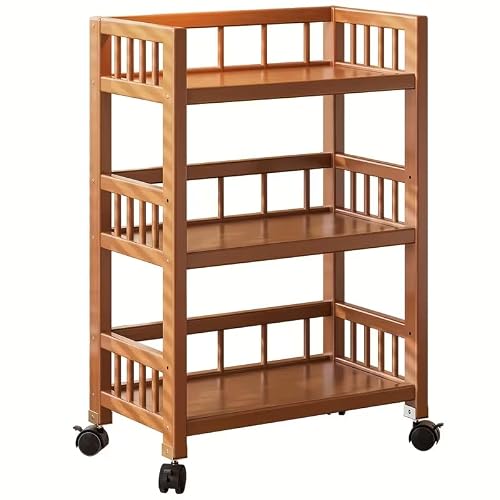
SUNNYNEST 3-Tier Bamboo Rolling Storage Cart with Wheels, 50 x 30 x 82 cm
£18.99 *View On Amazon* -
Utility Room Storage
SOLEJAZZ 3-Tier Slim Rolling Storage Trolley Cart, Black
Original price was: £19.99.£17.99Current price is: £17.99. *View On Amazon* -
Utility Room Storage
VINCOURNA Ironing Board Hanger with Iron Holder Wall Mount and Cleaning Supplies Organiser
£45.99 *View On Amazon* -
Utility Room Storage
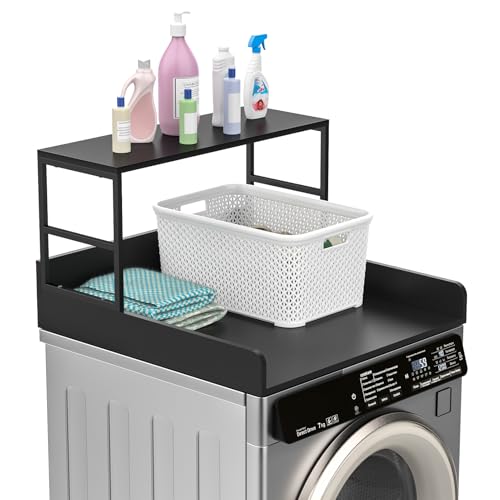
fiakoais Laundry Countertop for 27 Inch Tumble Dryer, 50kg Load, Black
£39.14 *View On Amazon* -
Utility Room Storage
Curver My Style Rattan Effect Large Rectangular Storage Baskets 18L White
£10.84 *View On Amazon* -
Utility Room Storage
Brabantia Collect-It Laundry Basket 40L White, Set of 2
£49.95 *View On Amazon* -
Utility Room Storage
BREEZENEST 4 Tier Plastic Shelving Unit 80 x 40 x 20 cm White
£12.39 *View On Amazon* -
Utility Room Storage
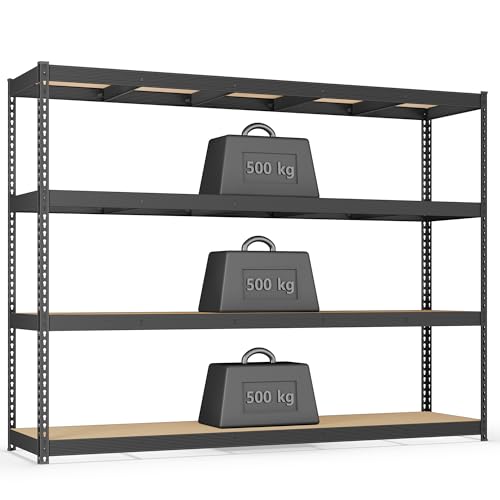
SONGMICS Heavy Duty 4-Tier Shelving Unit, 60 x 240 x 183 cm, Ink Black GLR727BZ01
£209.99 *View On Amazon* -
Utility Room Storage
Broom Closet Storage Cabinet 2 Door Metal Steel Utility Cabinet 170 x 70 x 30 cm White
£159.99 *View On Amazon* -
Utility Room Storage
Arthur Cameron Balu Lidded Seagrass Storage Basket and Clothes Basket Large
£49.99 *View On Amazon* -
Utility Room Storage
HOMSTEEL Metal Storage Cabinet, Locking Garage Cabinet, White
£195.99 *View On Amazon* -
Utility Room Storage
SONGMICS 4-Tier Storage Trolley with Wheels, Cloud White KSC08WT
£16.99 *View On Amazon* -
Utility Room Storage
STEELIST Broom Cabinet 165cm Metal Cupboard with Locking Doors
£159.00 *View On Amazon* -
Utility Room Storage
REIBII 6-Tier Metal Shelving Unit, 55 x 30 x 180 cm, 180kg, Adjustable Shelves and Feet
£50.99 *View On Amazon*








How to Choose Utility Room Storage
Utility room storage helps organise the products and equipment used for laundry, cleaning and household maintenance. It can make detergents easier to find, keep mops and brooms off the floor and help you use awkward gaps around appliances more effectively.
The right storage depends on the size and layout of the room, the items you need to organise and whether you can install permanent shelves or wall-mounted fittings.
Measure every available area before ordering. Account for appliance doors, cupboard hinges, pipework, electrical sockets, taps, worktops and the space needed to operate or maintain your washing machine and tumble dryer.
Types of Utility Room Storage
Freestanding Shelving Units
Freestanding shelves provide several levels of accessible storage without requiring permanent wall installation.
They can hold laundry baskets, cleaning caddies, folded towels, household supplies and compatible storage boxes. Adjustable shelves may allow the layout to accommodate bottles and equipment of different heights.
Check the full dimensions, shelf spacing and stated load capacity. Heavy detergents and cleaning products should usually be stored on lower shelves to improve stability.
Tall shelving units may require wall restraint where recommended by the manufacturer.
Wall-Mounted Shelves
Wall shelves use vertical space while keeping the floor available for appliances, baskets and household movement.
They can suit detergents, spare cleaning products, folded laundry and lighter storage containers. Install shelves at a height that allows products to be reached safely without leaning over appliances.
The wall and fixings must support the combined weight of the shelf and contents. Masonry, timber and plasterboard can require different installation methods.
Avoid mounting shelves where products could fall onto an appliance, sink or person below.
Utility Room Cupboards
Cupboards provide enclosed storage for laundry products, cleaning supplies and less attractive household equipment.
Doors can help reduce visual clutter and keep items protected from dust. Lockable cupboards may also provide more secure storage for chemicals where suitable.
Check the internal dimensions and shelf capacity, particularly if you need to store tall detergent bottles or large refill packs.
Cupboards should not block ventilation, appliance controls, pipework or access to stop taps.
Tall Utility Cupboards
Tall cupboards can hold ironing boards, vacuum cleaners, mops, brooms and other long-handled equipment.
Internal hooks, shelves and clips may make the available height easier to use. Check whether the cupboard is deep enough for the widest item and whether doors can open fully.
Tall units should be stable and secured to the wall where the manufacturer recommends it.
Keep heavy products low and avoid placing dense bottles on lightweight upper shelves.
Base Units and Under-Worktop Storage
Base units fit beneath worktops and can provide enclosed storage close to washing and cleaning areas.
They may include shelves, cupboards, drawers or pull-out baskets. Check the available width and depth around appliances and existing plumbing.
Allow enough clearance for cupboard doors and drawers to open without striking washing-machine doors or laundry baskets.
Under-Sink Storage
Under-sink organisers make use of cupboard space around pipes, traps and water connections.
Options may include adjustable shelves, narrow baskets, pull-out drawers and modular containers. Measure around all plumbing rather than using only the cupboard’s overall dimensions.
Do not force storage against pipes, hoses or stop valves. Leave enough room to inspect plumbing and deal with leaks.
Over-Washing-Machine Storage
Over-appliance shelves and racks use the vertical space above a washing machine or tumble dryer.
Freestanding frames may fit around the appliance, while wall-mounted shelves provide a more permanent solution. Check the width, depth and height carefully and allow for hoses, worktops and appliance movement.
Storage must not obstruct ventilation, controls or the detergent drawer. Avoid placing liquids or heavy objects where they could fall onto the appliance.
Rolling Utility Trolleys
Rolling trolleys provide movable storage for detergents, cloths, cleaning sprays and smaller accessories.
Slim trolleys can fit between appliances or inside narrow gaps. Wider models may provide several shelves or baskets for everyday household products.
Check the complete width, including wheels and handles. The trolley should roll smoothly on the flooring and remain stable when loaded.
Locking wheels can be useful where provided, particularly on slightly uneven floors.
Slim Storage Trolleys
Slim trolleys are designed for narrow spaces beside washing machines, cupboards or utility-room walls.
They can make use of gaps that would otherwise remain empty. However, very narrow products may be less stable and unsuitable for tall or heavy bottles.
Store heavier items on the bottom shelf and avoid pulling the trolley sideways by an upper basket.
Storage Baskets and Boxes
Baskets and boxes can group laundry products, cleaning cloths, pegs, stain treatments and spare household supplies.
Handled baskets make it easier to remove a complete category of products from a shelf. Lidded boxes can reduce dust, while open baskets provide quicker access and better visibility.
Choose wipe-clean materials where leaks and spills are likely. Label opaque containers so their contents remain easy to identify.
Laundry Product Organisers
Laundry organisers can hold detergent, fabric conditioner, stain removers, colour catchers and other washing accessories.
Products should remain in their original labelled packaging unless the manufacturer specifically approves another storage method. Decorative containers can make powders or capsules easier to mistake for food.
Keep laundry capsules completely out of sight and reach of children and pets.
Mop and Broom Holders
Wall-mounted holders keep mops, brooms, brushes and dusters upright and off the floor.
They may use hooks, clamps or spring-loaded grips for handles of different widths. Check the supported handle diameter and total load before installation.
Allow wet mop heads and brushes to dry fully before placing them inside a closed cupboard.
Cleaning-Tool Racks
Cleaning racks can organise dustpans, brushes, cloths, squeegees and other household tools.
A combination of hooks and handle grips can make mixed equipment easier to store. Check that tools can be removed without knocking neighbouring items down.
Heavy or sharp equipment should not be stored above head height or close to busy walkways.
Pegboards and Wall Panels
Pegboards provide flexible wall storage using hooks, baskets and compatible holders.
They can suit cleaning tools, laundry accessories and frequently used household equipment. The layout can often be changed as storage needs develop.
Check the wall-fixing requirements and the capacity of both the panel and individual accessories.
Do not overload one section or use hooks that are not compatible with the board.
Laundry Basket Storage
Dedicated basket storage can provide space for collecting, sorting and carrying washing.
Open shelves, pull-out sections and divided hampers can separate whites, dark clothing, delicates or different household members.
Check that baskets can be removed without obstructing appliances or walkways. Wet laundry is heavier than dry clothing, so shelves and runners need an appropriate load capacity.
Divided Laundry Sorters
Divided sorters allow clothing to be separated before wash day.
They can reduce preparation time, but each section may be smaller than expected. Compare individual compartment sizes with your usual washing-machine loads.
Removable bags can make laundry easier to carry, provided they are designed to support the full weight.
Ironing Board Storage
Ironing-board holders keep folded boards upright or mounted to a compatible wall or door.
Check the width and shape of the board frame, as holders are not universally compatible. Some include storage for an iron or spray bottle.
An iron must be completely cool before storage. Do not place hot equipment inside an enclosed organiser or close to flammable materials.
Iron and Garment-Care Storage
Shelves, baskets and wall holders can organise irons, steamers, lint rollers and fabric-care accessories.
Keep electrical equipment away from sinks, water pipes and damp flooring. Cables should be loosely organised without tight bends or trapping.
Check that shelves can support heavier steam-generator bases where these are stored.
Drying-Rack Storage
Wall clips and tall cupboards can provide a secure place for folded clothes airers and drying racks.
Measure the folded height, width and depth of the airer before choosing a storage system.
Store the airer only when it is clean and completely dry. Secure tall folded items so they cannot fall across doors or walkways.
Overdoor Utility Storage
Overdoor organisers can provide pockets or hooks for cloths, brushes, pegs and lightweight laundry accessories.
Measure the door thickness and clearance above the frame. The organiser must not prevent the door from closing or interfere with hinges, locks or seals.
Avoid loading internal doors with heavy detergent bottles or equipment unless both the door and organiser are designed for the weight.
Important Buying Considerations
Available Dimensions
Measure every potential storage area carefully.
Record the:
- Wall width and height
- Floor space
- Cupboard dimensions
- Space above appliances
- Gaps between units
- Distance around pipework
- Door-opening clearance
- Appliance-door clearance
- Worktop height
- Position of sockets and taps
Allow additional space to remove baskets, open drawers and service appliances.
Appliance Access
Washing machines and tumble dryers require clear access for operation, maintenance and repair.
Storage should not block:
- Appliance doors
- Detergent drawers
- Filters
- Ventilation openings
- Electrical plugs
- Water connections
- Drain hoses
- Stop taps
- Control panels
- Service access
Avoid fixing permanent storage in a position that prevents an appliance being pulled out safely.
Load Capacity
Detergent bottles, refill packs, household chemicals and baskets of wet washing can be heavy.
Check the stated load for shelves, racks, hooks, drawers and trolleys. The supporting wall, cupboard or floor must also be suitable.
Place heavy products low down and distribute weight evenly.
Moisture Resistance
Utility rooms can experience humidity, splashes and condensation.
Plastic, coated metal and other wipe-clean materials may be practical in damp-prone areas. Untreated wood, fabric and board-supported storage can absorb moisture.
Check the product guidance and maintain suitable room ventilation.
Ventilation
Do not block appliance vents, air bricks or extractor openings.
Wet laundry, mops and cleaning cloths should have enough airflow to dry. Enclosed cupboards can trap moisture and lead to musty smells or mould.
Use ventilated baskets or open racks for damp-prone items where appropriate.
Installation Method
Freestanding products require no wall fixing but need enough floor space and a stable base.
Screw-fixed shelves and racks can provide stronger permanent storage when installed correctly. Adhesive products may suit lighter items on compatible surfaces.
Check the wall material and tenancy restrictions before drilling.
Ease of Access
Frequently used products should remain within comfortable reach.
Avoid placing heavy detergent bottles above head height. Store occasional products higher up only where they can be retrieved safely.
Pull-out organisers and handled baskets can improve access in deep cupboards.
Ease of Cleaning
Utility-room storage can collect dust, lint, detergent residue and household spills.
Smooth removable trays and baskets are easier to wipe or wash. Fixed racks and wire shelving can require more detailed cleaning around joints.
Choose materials you can maintain using the manufacturer’s recommended method.
Open Shelves or Closed Cupboards
Open shelves keep products visible and easy to reach. They can also help damp items dry more effectively.
Closed cupboards hide visual clutter and can provide more secure storage for chemicals. They may trap moisture and make leaks harder to notice.
Many utility rooms benefit from both: open storage for baskets and dry tools, with secure cupboards for detergents and cleaning chemicals.
Freestanding or Wall-Mounted Storage
Freestanding storage can be moved, adjusted or removed without altering the wall. It occupies floor space and may require anchoring if it is tall.
Wall-mounted storage keeps the floor clear and can make good use of space above appliances. It requires suitable installation and may be less flexible if the room layout changes.
Choose according to the available space, expected load and whether permanent fixing is practical.
Fixed Shelving or Rolling Trolleys
Fixed shelves provide stable storage and can hold larger collections of products where correctly installed.
Rolling trolleys offer flexible access and can fit inside unused gaps. They generally have lower capacity and require a clear floor route.
A trolley can work well for frequently used supplies, while fixed shelving suits bulk products and baskets.
Utility Room Storage for Small Spaces
Compact utility areas need careful measurement and prioritisation.
Use wall space, door backs and narrow gaps rather than filling every section of floor. Slim trolleys, stackable baskets and over-appliance shelves can add storage without making the room difficult to use.
Avoid overcrowding the area around appliances. You still need enough room to load laundry, open doors and carry baskets safely.
Utility Room Storage for Laundry Cupboards
A laundry cupboard may contain stacked appliances, shelves and a small amount of product storage.
Check the manufacturer’s ventilation and clearance requirements before adding shelves or doors around appliances.
Use compact baskets for detergents and accessories, but keep heat, moisture and electrical safety in mind.
Do not allow products to fall behind appliances or obstruct vents and hoses.
Utility Room Storage for Garages
Garage utility areas can offer more space but may experience larger changes in temperature and humidity.
Choose materials suited to the conditions and keep laundry products away from frost, heat and direct sunlight where their instructions require it.
Store household chemicals separately from fuel, paint, garden treatments and automotive products.
Protect textiles and paper products from damp and pests.
Organising Laundry Products
Group products by their purpose so the correct item remains easy to identify.
Possible sections include:
- Laundry detergent
- Fabric conditioner
- Stain removers
- Delicate-wash products
- Colour catchers
- Laundry scent boosters
- Ironing accessories
- Washing bags
- Pegs
- Replacement airer parts
Keep all labels visible and review products regularly for leaks or damaged packaging.
Organising Cleaning Products
Separate kitchen, bathroom, floor and specialist cleaners.
Do not store incompatible chemicals where a leak could allow them to mix. Bleach should be kept away from acidic toilet cleaners, descalers, ammonia-based products and other incompatible chemicals.
Use separate baskets or cupboard sections where practical.
Never combine leftover products inside one bottle.
Storing Detergent Bottles
Keep liquid detergent and fabric conditioner upright with their caps firmly closed.
Place heavy bottles on stable lower shelves. Avoid storing them above appliances where a leak could damage electrical components.
Wipe the bottle and shelf if drips occur.
Storing Laundry Capsules
Laundry capsules can cause serious harm if swallowed or exposed to the eyes.
Store them:
- In their original container
- With the lid completely closed
- In a high or locked cupboard
- Out of sight and reach of children
- Away from pets
- Away from moisture
- Separately from food
- Away from unlabelled containers
Do not display them in clear decorative jars.
Storing Powders and Tablets
Keep powders, sheets and tablets in dry conditions.
Moisture can cause powders to clump and tablets or sheets to begin dissolving. Close the packaging after each use.
Keep measuring scoops with the correct product to prevent dosage mistakes.
Storing Cleaning Cloths and Sponges
Clean cloths and sponges should be stored separately from dirty or wet equipment.
Allow reusable items to dry completely before placing them inside baskets or drawers.
Colour coding can help keep kitchen, bathroom, toilet and general cleaning cloths separate.
Storing Mops and Brooms
Rinse and dry mop heads before storage. Remove hair and debris from broom and brush bristles.
Hang long-handled tools where possible to keep bristles off the floor and reduce bending.
Make sure handles do not fall across doorways or obstruct appliance access.
Storing Vacuum Cleaners
Check the available cupboard height, width and depth, including hoses and attachments.
Store cables according to the appliance instructions and avoid tight bends. Keep charging points dry and ventilated.
A cordless vacuum should only be mounted using a compatible holder and suitable wall fixings.
Storing Laundry Baskets
Leave enough floor or shelf space for baskets to be removed without moving appliances or other heavy storage.
Stack baskets only where they are designed to nest or stack.
Do not leave wet laundry sitting in a closed basket or hamper for extended periods.
Keeping Worktops Clear
Worktops are useful for sorting and folding laundry, so avoid filling them permanently with bottles and accessories.
Use wall shelves, baskets or cupboards for products that do not need to remain on the work surface.
Keep cleaning chemicals away from areas used for folding clean clothes.
Using Space Above Appliances
The area above a washing machine or tumble dryer can provide useful storage, but appliance requirements come first.
Maintain the stated ventilation and access clearances. Do not place unsupported shelves directly on top of an appliance unless the product is designed for this use.
Avoid storing fragile items or liquids where vibration could cause them to fall.
Using Space Between Appliances
Slim trolleys and narrow racks can use gaps between appliances or cupboards.
Measure the narrowest point and account for hoses, plugs and appliance movement.
The organiser should slide out without scraping either appliance or trapping electrical cables.
Using Wall Space
Wall-mounted shelves, pegboards and tool clips can organise lightweight items without taking up floor space.
Place frequently used tools within reach and avoid hanging heavy products above appliances or sinks.
Check for concealed pipes and cables before drilling.
Using the Back of a Door
Overdoor hooks and pocket organisers can hold pegs, cloths, lightweight brushes and laundry bags.
Make sure the organiser does not stop the door closing or add excessive weight to the hinges.
Avoid storing hazardous chemicals in low or accessible pockets.
Preventing Clutter
Storage should make products easier to use rather than simply allowing more items to be accumulated.
Review the room regularly and remove:
- Empty containers
- Broken tools
- Expired products
- Duplicate accessories
- Worn cloths
- Damaged pegs
- Unused packaging
- Products with missing labels
- Leaking bottles
- Items belonging in another room
Leave enough space to return products without forcing them into overcrowded cupboards.
Labelling Utility Room Storage
Labels can help household members identify baskets, shelves and cupboards.
Useful labels may include:
- Laundry products
- Cleaning cloths
- Bathroom cleaners
- Kitchen cleaners
- Floor care
- Ironing
- Shoe care
- Pet cleaning
- Spare supplies
- Replacement parts
Do not hide the original product labels or safety instructions.
Preventing Cross-Contamination
Keep clean laundry away from dirty tools, pet bedding and household chemicals.
Use separate baskets for:
- Clean cloths
- Used cleaning cloths
- Pet laundry
- Toilet-cleaning equipment
- General laundry
- Outdoor workwear
Clean storage containers before changing their purpose.
Preventing Damp and Mould
Utility rooms can become humid when laundry dries indoors or appliances produce heat and moisture.
Maintain suitable ventilation and check for:
- Condensation
- Plumbing leaks
- Damp walls
- Musty smells
- Mould on baskets
- Wet cleaning tools
- Moisture beneath appliances
- Damaged sealant
Do not push fabric or board storage directly against damp walls.
Address the source of moisture rather than relying solely on moisture absorbers or plastic boxes.
Preventing Appliance Damage
Keep liquids and powders away from appliance ventilation openings, control panels and electrical connections.
Do not store heavy objects directly on top of a washing machine or tumble dryer unless the appliance and storage product instructions permit it.
Remove spills promptly and switch off electrical equipment safely where necessary before cleaning nearby.
Plumbing Access
Keep stop taps, waste traps, hoses and pipe connections accessible.
Do not build fixed storage around plumbing in a way that prevents inspection or emergency shut-off.
Check under-sink and behind-appliance areas periodically for leaks.
Boiler and Heating Equipment
Some utility rooms contain boilers, hot-water cylinders or heating controls.
Storage must not obstruct ventilation, service access, flues, controls or required safety clearances.
Do not store flammable products, textiles or cleaning chemicals against heating equipment.
Follow the equipment manufacturer’s guidance and seek qualified advice where the correct clearance is uncertain.
Electrical Safety
Keep storage away from sockets, plugs, extension leads and appliance cables.
Do not store wet mops, cloths or dripping laundry above electrical equipment.
Avoid running cables behind shelving where they could become crushed, trapped or overheated.
Use electrical appliances only according to their instructions and keep the surrounding area dry.
Fire Safety
Do not obstruct doors, exits, vents or smoke alarms.
Keep aerosols, solvents and flammable household products away from heat sources and store them according to their labels.
Do not stack laundry, boxes or cleaning supplies against boilers, heaters or tumble dryers.
Clean tumble-dryer filters and maintain appliances according to their manuals.
Child Safety
Utility rooms contain detergents, cleaning chemicals, hot appliances and heavy equipment.
Use secure cupboards or child-resistant locks where appropriate. Laundry products should never be left on the floor or inside an open basket.
Keep children away from appliance doors, folding airers and wall-mounted equipment that could be pulled down.
Pet Safety
Pets may chew packaging, knock over bottles or climb into laundry baskets.
Keep detergents, chemicals and small accessories securely stored. Remove pet bowls and food from areas where cleaning products are handled.
Do not leave washing-machine or tumble-dryer doors open where an animal could climb inside. Always check appliances before loading and use.
Shelf Safety
Distribute weight evenly and keep heavy products close to the supporting wall where appropriate.
Do not exceed the shelf’s stated capacity or place large bottles on unstable risers.
Check brackets, screws and shelf supports periodically for movement or damage.
Tall-Unit Safety
Tall freestanding units can tip if overloaded or unevenly loaded.
Place heavy items at the bottom and fit wall restraints where supplied or recommended.
Do not allow children to climb shelves or pull several baskets out at once.
Cleaning Plastic Storage
Empty baskets, shelves and trolleys before cleaning.
Wipe or wash the plastic using a suitable method and dry it completely before replacing products.
Pay attention to corners and handles where detergent residue can collect.
Avoid very hot water or strong chemicals unless the manufacturer confirms compatibility.
Cleaning Metal Storage
Wipe metal racks and shelves with a suitable cloth and dry them thoroughly.
Check for rust, chipped coatings, bent sections and sharp edges.
Replace storage that could damage bottles, snag clothing or cause injury.
Cleaning Wooden and Board Storage
Dust regularly and wipe sparingly using the recommended method.
Avoid soaking wood, bamboo or board materials because moisture can cause swelling, warping and surface damage.
Clean spills promptly and allow the storage to dry fully.
Cleaning Fabric Baskets
Check whether the basket is machine washable, hand washable or suitable for spot cleaning only.
Remove rigid inserts where instructed.
Do not place damp fabric storage back inside an enclosed cupboard. Allow every seam and handle to dry completely.
Cleaning Rolling Trolleys
Remove products and clean each shelf or basket.
Clear hair, lint and debris from the wheels. Check that they rotate freely and remain securely attached.
Do not lubricate wheels unless the manufacturer recommends a suitable product.
Maintaining Hooks and Racks
Inspect hooks, clips and wall fixings periodically for:
- Loose screws
- Failed adhesive
- Bent hooks
- Cracked plastic
- Rust
- Stretched grips
- Split fabric
- Sharp edges
- Movement in the wall
- Excessive load
Remove weight immediately if a fitting begins to fail.
Maintaining Cupboards and Drawers
Check hinges, handles, runners and catches regularly.
Clean product residue before it damages the surface or prevents a drawer from closing.
Do not overload pull-out baskets or lean on extended drawers.
When to Replace Utility Room Storage
Replace a storage product if it becomes:
- Unstable
- Cracked
- Rusted
- Warped
- Torn
- Difficult to clean
- Unable to support its contents
- Damaged around handles
- Faulty around wheels or runners
- A source of sharp edges
Do not continue loading shelves or racks that visibly bow, lean or pull away from the wall.
Useful Utility Room Storage Accessories
Useful additions may include:
- Removable labels
- Storage baskets
- Shelf liners
- Mop holders
- Overdoor hooks
- Laundry sorters
- Cleaning caddies
- Ironing-board holders
- Peg containers
- Rolling trolleys
- Wall restraints
- Drawer dividers
Check dimensions, load limits and compatibility before combining storage products.
Choose accessories that solve a specific organisation problem without obstructing appliances or making the room overcrowded.
Why Buy Utility Room Storage from YPC?
At YPC, we understand active lifestyles and the need for practical products that work in real use. Our Utility Room Storage category makes it easier to compare shelving, cupboards, trolleys, baskets and tool organisers for laundry and household cleaning equipment.
Browse the available options and compare dimensions, load capacity, materials and installation requirements to find storage suited to your utility room and household routine.
Frequently Asked Questions
What storage is useful in a small utility room?
Wall shelves, slim trolleys, overdoor organisers and storage above appliances can use limited space efficiently. Measure carefully and keep appliance access and ventilation clear.
Can shelves be fitted above a washing machine?
Yes, where the wall, fixings and shelf are suitable. Maintain appliance clearance and avoid placing heavy or leaking products where they could fall onto the machine.
How should laundry detergent be stored?
Keep it in its original labelled packaging, securely closed and away from children, pets, food, heat and moisture. Heavy bottles are usually safest on lower shelves.
What is the best way to store mops and brooms?
Wall-mounted clips or hooks can keep long-handled tools upright and off the floor. Clean and dry the heads before storing them in an enclosed space.
How can I prevent damp in utility room storage?
Maintain suitable ventilation, store only dry cloths and equipment and check regularly for plumbing leaks and condensation. Address the source of moisture rather than relying on storage containers alone.
 Getting ready for Summer? View our Home and Garden Products

Heading outdoors this winter? Take a look at our Outdoor Clothing.