
Squat Racks
Squat racks are strength training frames designed to hold a barbell at a safe and practical height for exercises such as squats, presses and rack pulls. This category is ideal if you want gym equipment for home strength training, barbell workouts, lower body training, powerlifting style sessions or a more complete home gym setup.
The right squat rack depends on your space, training goals, barbell use, lifting level and how much safety support you need. A compact squat stand may suit lighter home training, while a half rack or power rack may be better for regular barbell work and heavier lifting.
Looking for help choosing the right squat rack?
See our Squat Rack Buyers Guide for a clear overview of key differences, space considerations, and suitability for home training setups.
- Squat Racks
Power Squat Rack Barbell Magnetic Position Markers, 12 Pack
Original price was: £9.99.£8.69Current price is: £8.69. *View On Amazon* - Squat Racks
Bulldog Pad Chest Support Attachment for 26mm Hole Squat Racks
Original price was: £87.99.£66.89Current price is: £66.89. *View On Amazon* - Squat Racks
HOMCOM Adjustable Barbell Rack 150kg
Original price was: £57.99.£53.99Current price is: £53.99. *View On Amazon* - Squat Racks
Folding Weight Bench with Squat Rack, Leg Developer and Preacher Curl Rack
Original price was: £78.99.£70.99Current price is: £70.99. *View On Amazon* - Squat Racks
Mini Squat Rack Pen Holder Desk Organiser and Phone Stand
Original price was: £6.99.£5.59Current price is: £5.59. *View On Amazon* - Squat Racks
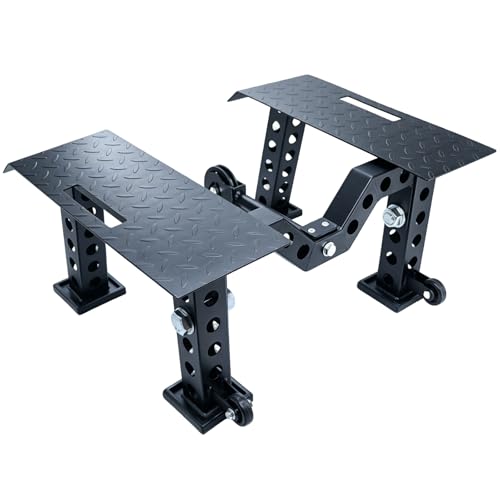
FNKTEK 360° Swivel T-Bar Row Landmine Attachment for 18 mm Racks
£24.99 *View On Amazon*
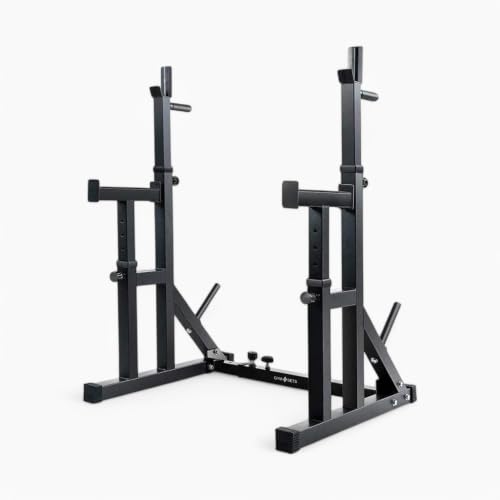


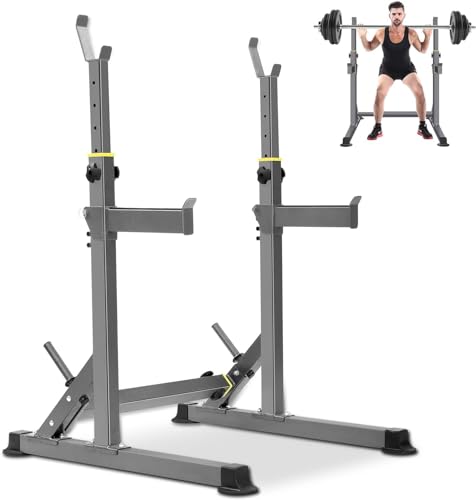


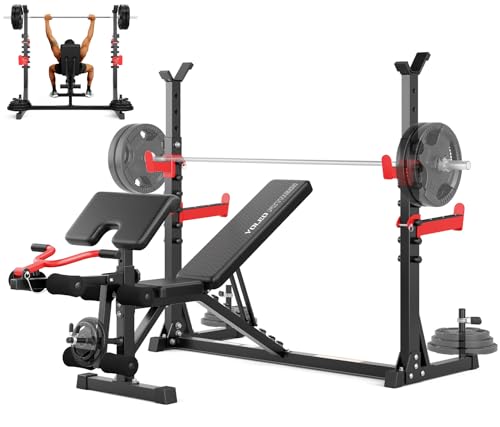


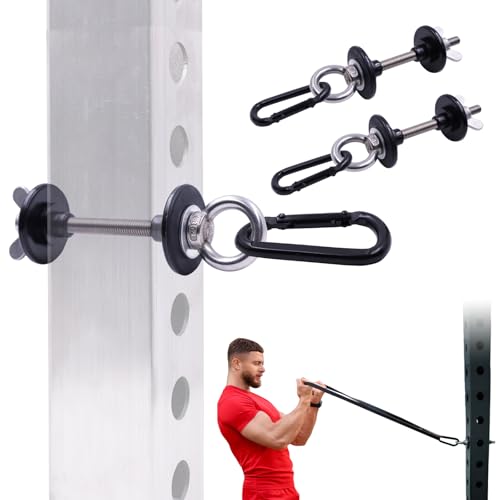



What Is A Squat Rack Used For?
A squat rack is used to support a barbell so you can lift it from a suitable starting position. It is most commonly used for back squats and front squats, but it can also support overhead press, bench press when used with a bench, rack pulls and other barbell exercises.
Squat racks are useful because they make barbell training more practical than lifting the bar from the floor every time. They also allow the bar height to be adjusted to match the user and the exercise.
How To Choose The Right Squat Rack
Start with the exercises you want to do. If you mainly want squats and overhead press, a simple squat stand may be enough. If you also want bench press, pull ups, safety arms and more training options, a half rack or power rack may be more useful.
Stability is one of the most important buying factors. A squat rack should feel solid when loading the bar, un-racking weight and re-racking after a set. A narrow or lightweight rack may suit lighter work, but heavier lifting usually needs a stronger, wider and more stable frame.
Also check the maximum weight capacity. This should comfortably exceed the weight you currently lift and allow room for progression. Do not choose a rack that is already close to its limit.
Squat Stand, Half Rack Or Power Rack?
A squat stand is usually the most compact option. It can be useful for smaller home gyms, garages and spare rooms where space is limited. The trade off is that it may offer fewer safety features and less overall stability than larger racks.
A half rack gives more structure than a basic stand while still taking up less space than a full cage. It may include safety arms, plate storage or a pull up bar, depending on the design.
A power rack, also called a power cage, is usually the strongest and most versatile option. It can offer safety bars, multiple height settings, pull up options and more attachment compatibility. The trade off is that it needs more floor space and height clearance.
Safety Arms, Spotter Bars And J Hooks
Safety arms or spotter bars are important features because they can catch or support the bar if a lift cannot be completed. They are especially useful for squats, bench press and heavier solo training.
J hooks hold the barbell at the starting height. They should be strong, easy to adjust and suitable for the bar and rack. Good J hooks help make setting up each lift safer and more comfortable.
If you train alone, safety features matter even more. A rack without suitable safeties may be fine for some light exercises, but it is less suitable for heavier barbell work where a failed lift needs proper support.
Key Features To Compare
When comparing squat racks, look at maximum load, frame size, steel thickness, rack height, hole spacing, safety arms, J hooks, pull up bar, plate storage, floor footprint, attachment options and assembly requirements.
Height matters because the rack needs to fit your room and suit your body. Taller users may need more rack height for comfortable un-racking. Lower ceilings can limit pull up use and overhead pressing inside the rack.
Hole spacing affects how precisely you can set the bar height and safety position. Smaller spacing around bench and squat heights can make setup easier and more accurate.
Squat Rack Or Smith Machine?
A squat rack holds a free barbell, so the bar moves naturally and requires you to control balance, bar path and technique. This can make it a flexible choice for strength training and compound lifts.
A Smith machine guides the bar on fixed rails. This can feel more controlled, but it changes the movement and may not suit every exercise or body position.
The better choice depends on your goals. A squat rack is usually more versatile for free weight training. A Smith machine may appeal to users who prefer guided movement.
Squat Rack Or Weight Bench With Rack?
A squat rack is usually more versatile because it can support squats, presses, rack pulls and barbell work at different heights. When paired with a suitable exercise bench, it can also support bench press.
A weight bench with a built in rack may be more compact and convenient for bench press, but it may not be suitable for squats or heavier progression.
If your goal is full barbell training, a squat rack is usually the stronger choice. If your goal is mainly light bench press, a bench and rack setup may be enough.
Best For Beginners, Home Gyms Or Serious Lifters?
Beginners should look for a stable rack that is easy to adjust and suitable for learning the main barbell lifts. Safety arms or spotter bars are a sensible feature, especially for solo training.
Home gym users may want a rack that balances strength, space and storage. Plate pegs, pull up bars and attachment options can make the rack more useful without adding too much extra equipment.
Serious lifters should prioritise frame strength, maximum load, safety features, hole spacing, bar clearance and long term durability. The heavier the training, the more important rack quality becomes.
Using Squat Racks Safely
Always place the rack on a flat, stable surface and check that all bolts, hooks, pins and safety arms are secure before training. Follow the manufacturer’s instructions for assembly, use and maintenance.
Set the J hooks at the correct height before lifting. The bar should be easy to un-rack without standing on tiptoe or half squatting too deeply before the set begins. Set safety arms or spotter bars just below the lowest safe point of the movement.
Use collars where appropriate, load the bar evenly and avoid exceeding the rack’s stated weight limit. If a lift feels unsafe, reduce the load, review your technique or train with a competent spotter.
Useful Accessories To Consider
Useful accessories can include barbells, weight plates, collars, exercise benches, floor protection mats, resistance bands, dip attachments, landmine attachments, pull up grips, plate storage and lifting straps.
A suitable bench can turn a squat rack into a more complete barbell training station. Floor mats can help protect the training area and make the rack feel more secure. Plate storage can keep weights organised and reduce trip hazards.
Choose accessories that match your exact rack because attachments, hole sizes and fittings are not always universal.
Why Buy Squat Racks From YPC?
At YPC, we understand active lifestyles and the need for practical strength equipment that fits real routines. A squat rack should feel stable, adjustable and suitable for the way you actually train.
Browse the Squat Racks range, compare the options and choose the rack that fits your strength goals, workout space and home gym setup.
Squat Racks FAQs
What is a squat rack used for?
A squat rack is used to hold a barbell at a suitable height for exercises such as squats, overhead press, bench press with a bench, rack pulls and other barbell movements.
What is the difference between a squat rack and a power rack?
A squat rack is often more open and compact. A power rack, or power cage, surrounds the lifting area and usually offers more safety bar positions and attachment options.
Are squat racks good for home gyms?
Yes, squat racks can be very useful for home gyms because they support barbell strength training without needing a full commercial gym setup.
What should I look for in a squat rack?
Look at maximum load, stability, height, footprint, safety arms, J hooks, hole spacing, build quality, attachment options and whether it fits your room.
Do I need safety arms on a squat rack?
Safety arms are highly useful, especially if you train alone. They can help catch or support the bar if you cannot complete a lift.
Can I bench press with a squat rack?
Yes, many squat racks can be used for bench press when paired with a suitable exercise bench and correctly positioned J hooks and safety arms.
Is a squat stand enough for beginners?
A squat stand can be enough for some beginners if it is stable, suitable for the load and used correctly. A rack with safety arms offers more reassurance for solo training.
How much space do I need for a squat rack?
You need enough room for the rack, barbell length, plates, loading space and safe movement around the equipment. Always measure the full training area before buying.
How tall should a squat rack be?
The rack should be tall enough for your exercises and body height, while still fitting your ceiling height. Pull up bars and overhead movements may need extra clearance.
What are J hooks on a squat rack?
J hooks are the supports that hold the barbell on the rack. They let you set the bar at the correct height for squats, presses and other lifts.
What is hole spacing on a squat rack?
Hole spacing is the distance between adjustment holes on the rack uprights. Smaller spacing gives more precise bar and safety arm height adjustment.
Can squat racks build muscle?
A squat rack can support muscle strengthening when used with suitable barbell exercises, progressive resistance, good technique, recovery and consistent training.
Is a squat rack safer than lifting from the floor?
A squat rack can make many barbell exercises more practical and controlled because the bar starts at a suitable height. Safety still depends on correct setup, technique and sensible loading.
Do squat racks need to be bolted down?
Some squat racks are freestanding, while others may need or recommend floor fixing. Check the product instructions and choose a setup suitable for your space and training level.
How do I maintain a squat rack?
Keep the rack clean and dry, check bolts and fittings regularly, inspect J hooks and safety arms, tighten anything loose and stop using it if the frame feels unstable or damaged.
 Getting ready for Summer? View our Home and Garden Products

Heading outdoors this winter? Take a look at our Outdoor Clothing.