
DSLR Cameras
DSLR cameras are digital cameras that use interchangeable lenses and an optical viewfinder to give you more control over your photos. This category is ideal if you want to move beyond phone photography, learn proper camera settings, use different lenses or build a more capable photography setup for outdoor use, travel, portraits, sport, wildlife or everyday shooting.
The right DSLR camera depends on your experience level, lens needs and the type of images you want to capture. A beginner DSLR can be a sensible first step into real camera photography, while a more advanced DSLR may suit photographers who want stronger handling, better controls and wider lens options.
-
DSLR Cameras
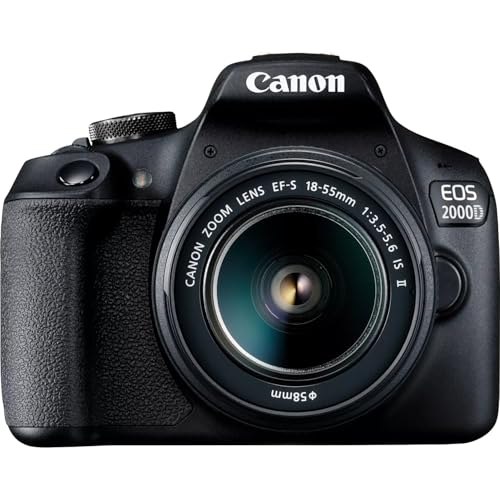
Canon EOS 2000D DSLR Camera Kit with EF-S 18-55mm III Lens – Black
£354.80 *View On Amazon* -
DSLR Cameras
Canon EOS 2000D DSLR Camera with EF-S 18-55mm IS II Lens – Black
£399.00 *View On Amazon* -
DSLR Cameras
Longyi 6K Digital Camera with 64MP, 18X Digital Zoom and 3.0″ Flip Screen
Original price was: £159.99.£129.94Current price is: £129.94. *View On Amazon* -
DSLR Cameras
5K 64MP Digital Camera with 3.0-Inch Flip Screen and WiFi
Original price was: £169.99.£113.97Current price is: £113.97. *View On Amazon* -
DSLR Cameras
8K 96MP WiFi Digital Camera with 20X Zoom and Flip Screen
Original price was: £109.99.£89.98Current price is: £89.98. *View On Amazon* -
DSLR Cameras
Camera Bag and Canon EOS 2000D DSLR Camera with 18-55 mm Lens, Black
£344.99 *View On Amazon* -
DSLR Cameras
DOMISO DSLR Camera Sling Bag, Small Mirrorless Camera Bag, Grey
Original price was: £21.84.£20.69Current price is: £20.69. *View On Amazon* -
DSLR Cameras
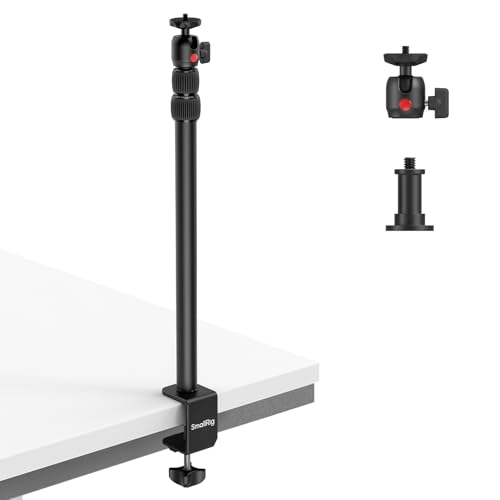
SMALLRIG Adjustable Camera Desk Mount C Stand, 15-35 Inch, 3488
£27.90 *View On Amazon* -
DSLR Cameras
RAINSMORE Professional Camera Backpack with 14 Inch Laptop Compartment and Rain Cover
Original price was: £25.64.£21.79Current price is: £21.79. *View On Amazon* -
DSLR Cameras
ProCase Hard Shell Digital Camera Case with Shoulder Strap, Black
Original price was: £23.99.£20.39Current price is: £20.39. *View On Amazon* -
DSLR Cameras
AYESY APS-C Sensor Cleaning Swab Kit with 15 Swabs and 10ml Cleaner
Original price was: £7.99.£6.99Current price is: £6.99. *View On Amazon* -
DSLR Cameras
NEEWER Basic Mini Desk Tripod with 3 Way Pan Tilt Head and Handle
Original price was: £18.49.£13.87Current price is: £13.87. *View On Amazon* -
DSLR Cameras
DUSTEWQ Mini USB Camera Data Cable, 5 ft
Original price was: £5.50.£4.99Current price is: £4.99. *View On Amazon*







What Is A DSLR Camera?
A DSLR camera is a Digital Single Lens Reflex camera. It uses a mirror system and optical viewfinder, so you see the scene through the lens before taking the photo.
DSLR cameras are used for portraits, landscapes, wildlife, sport, family photography, travel, product shots, events and creative photography. They are popular with learners because they make it easier to understand lenses, aperture, shutter speed, ISO, focus and exposure.
How To Choose The Right DSLR Camera
Start with what you want to photograph. If you are taking family photos, travel pictures and everyday outdoor shots, a beginner friendly DSLR with a standard zoom lens may be enough. If you want wildlife, sport or action photos, focus on autofocus performance, burst shooting, lens compatibility and comfortable handling.
Sensor size is another important buying factor. Many beginner and enthusiast DSLR cameras use APS-C sensors, which can be practical, affordable and useful for general photography. Full frame DSLR cameras can offer a wider field of view and stronger image potential, but they are usually larger, heavier and may need more expensive lenses.
Do not ignore lenses. A DSLR camera body is only part of the setup. The lens affects sharpness, reach, background blur and low light performance. If you already own compatible lenses, that may influence which DSLR system makes the most sense.
DSLR Camera Or Mirrorless Camera?
A DSLR camera is a good choice if you like an optical viewfinder, traditional camera handling, longer battery life in many situations and access to established lens systems. DSLRs can also be appealing if you want a capable camera without always paying for the newest mirrorless features.
A mirrorless camera may be better if you want a smaller body, advanced subject tracking, electronic viewfinder previews, newer video features or the latest camera technology. The trade off is that mirrorless systems can involve different lenses, adapters or a higher total upgrade cost.
For many buyers, a DSLR still makes sense for learning photography, using existing lenses and getting strong still image performance. Mirrorless may be the better route if video, compact size or the newest autofocus features matter most.
Key Features To Compare
When comparing DSLR cameras, look at sensor size, lens mount, autofocus system, image quality, ISO performance, burst speed, video features, battery life, screen type, size, weight and memory card support.
Autofocus matters if you photograph sport, wildlife, pets, children or anything that moves quickly. Battery life matters for long days out, travel and outdoor shooting. Screen movement can be useful for low angle shots, tripod work and video.
Also think about handling. A DSLR should feel comfortable in your hands, with controls you can understand and use quickly. A camera that feels natural to use will usually help you improve faster than one that feels awkward.
Beginner, Enthusiast Or Advanced DSLR?
Beginner DSLR cameras are usually best for learning, family use, travel and general photography. Look for simple controls, guided modes, good battery life and a kit lens that covers everyday situations.
Enthusiast DSLR cameras may offer stronger build quality, better autofocus, faster shooting, improved controls and more room to grow. Advanced DSLR cameras can suit serious photographers who need dependable handling, larger sensors, better durability or compatibility with a wider lens setup.
The right DSLR is not always the most expensive one. It is the camera that fits your skill level, your lenses, your subject and how often you will use it.
Useful DSLR Accessories To Consider
A DSLR camera often becomes more useful with the right accessories. Memory cards are essential for storing photos and video. A camera bag or case helps protect the camera and lenses when travelling or shooting outdoors. A tripod can improve low light shots, landscapes, product photography and video stability.
Extra batteries can be useful for long sessions. A suitable lens upgrade can often improve your results more than replacing the camera body. If you plan to record video, a camera microphone may help improve sound quality.
Why Buy DSLR Cameras From YPC?
At YPC, we have used a lot of outdoor equipment ourselves in real activity settings, so we understand why practical camera gear matters. A DSLR camera needs to feel comfortable, suit your subject and work well with the lenses and accessories you plan to use.
Browse the DSLR Cameras range, compare the options and choose the camera that fits your photography goals, skill level and budget.
DSLR Cameras FAQs
What does DSLR mean?
DSLR means Digital Single Lens Reflex. It describes a camera that uses a mirror system and optical viewfinder, with interchangeable lenses for different types of photography.
Are DSLR cameras still worth buying?
Yes, DSLR cameras can still be worth buying if you want an optical viewfinder, good still image quality, strong handling and access to compatible lenses. Mirrorless cameras may be better if you want the newest autofocus or video features.
Is a DSLR camera good for beginners?
A DSLR camera can be very good for beginners because it helps you learn real photography controls such as aperture, shutter speed, ISO, focus and lens choice.
What is the difference between DSLR and mirrorless cameras?
A DSLR uses a mirror and optical viewfinder. A mirrorless camera removes the mirror and usually uses an electronic screen or electronic viewfinder. Mirrorless cameras are often newer and smaller, while DSLRs can offer traditional handling and optical viewing.
Do DSLR cameras need special lenses?
DSLR cameras need lenses that match the camera’s lens mount and sensor format. Always check compatibility before buying a lens, especially if you already own camera gear.
What is better for wildlife photography, DSLR or mirrorless?
Both can work for wildlife. A DSLR can be useful with long compatible lenses and good handling, while mirrorless cameras may offer newer autofocus and subject tracking features. The right choice depends on the camera model and lens setup.
Can DSLR cameras record video?
Many DSLR cameras can record video, but video features vary by model. Check resolution, autofocus, microphone input, screen movement and recording limits if video is important to you.
Should I buy a DSLR camera body only or a kit lens bundle?
A kit lens bundle can be useful for beginners because it gives you a ready to use setup. A body only purchase may make more sense if you already own compatible lenses or want to choose a specific lens separately.
What accessories do I need with a DSLR camera?
Useful DSLR accessories include memory cards, a camera bag, lens cloth, spare battery, tripod and compatible lenses. The right accessories depend on how and where you plan to shoot.
DSLR Cameras Buyers Guide
This Buyers Guide explains DSLR camera systems, key specifications, and how different features affect suitability for various types of photography.
 Getting ready for Summer? View our Home and Garden Products

Heading outdoors this winter? Take a look at our Outdoor Clothing.