
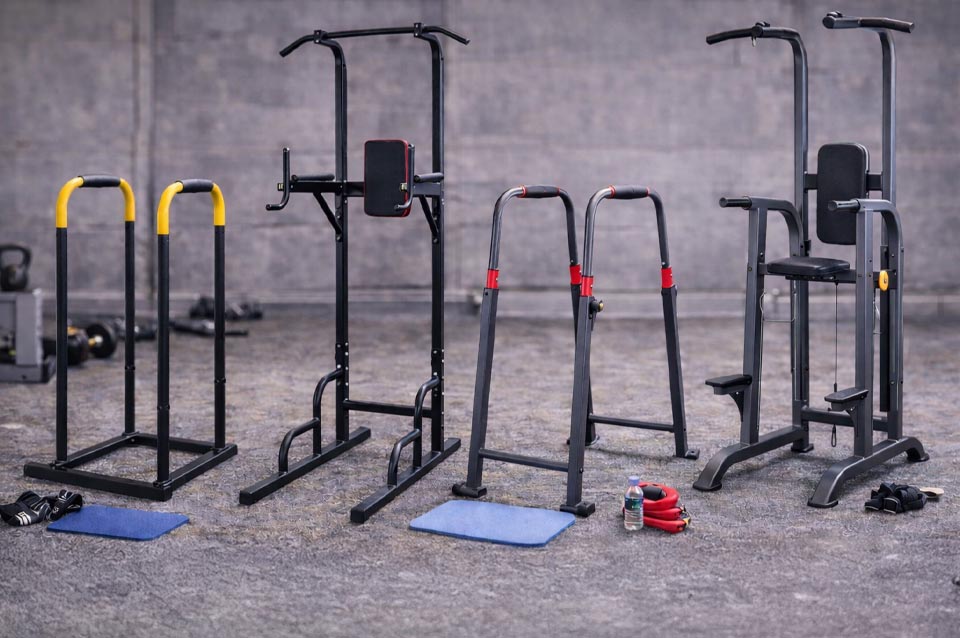
Dip stations are bodyweight training structures that provide elevated, fixed handholds for pushing and support based movements. This Buyers Guide explains how dip stations differ in design, size, and stability, and how those differences affect suitability for home use. It focuses on helping you compare options based on space, comfort, and confidence rather than training technique.
Quick Product Comparison Framework
| Feature area | How options differ |
|---|---|
| Frame type | Freestanding frames, parallel bars, compact portable bars |
| Footprint | Narrow bases versus wider stabilising frames |
| Bar height | Fixed height or adjustable height designs |
| Bar spacing | Narrow, standard, or wider grip layouts |
| Stability approach | Weight based frames versus anti slip feet |
| Portability | Fixed structures versus foldable or separable units |
| Floor interaction | Rubber feet, capped ends, or flat base plates |
Key Decision Criteria Explained
Stability and confidence
Overall frame design and base width influence how secure the station feels during use. Heavier or wider frames often feel more planted.
Bar height and spacing
Height affects comfort and suitability for different body sizes. Spacing influences shoulder comfort and natural arm position.
Footprint and space requirements
Some designs take up more floor area than expected. This matters in shared or indoor only spaces.
Joint comfort considerations
Grip diameter and bar finish can affect wrist and elbow comfort during use.
Storage and portability
Portable or separable designs are easier to move or store when space is limited.
Product Type Differentiation and Variants
Freestanding dip stations
Typically use a fixed frame with a wider base. Often chosen for stability and regular home training.
Parallel bar systems
Use two independent bars placed side by side. These offer layout flexibility but require careful spacing.
Compact or portable dip bars
Smaller designs intended for easy storage or transport. Often suit lighter or occasional use.
Adjustable variants
Some designs allow height or width changes to suit different users or spaces.
Specifications vary, see individual product pages for details.
Suitability by Reader Type or Need
- Beginners or those returning after a break often prioritise stability and wider bases.
- Intermediate users may focus more on bar height and spacing comfort.
- Shared space households benefit from compact or portable designs.
- Users with joint sensitivity often prefer grips with comfortable diameters and finishes.
- Budget conscious buyers may trade adjustability for simpler fixed frames.
Common Mistakes and Misunderstandings
- Assuming all dip stations feel equally stable regardless of size or weight.
- Overlooking ceiling height when using taller frame designs indoors.
- Ignoring footprint measurements in smaller rooms.
- Expecting portable designs to feel the same as heavier fixed stations.
- Focusing only on price without considering space and comfort factors.
Safety and Suitability Caveats
Dip stations are low risk fitness accessories when used appropriately. Suitability depends on individual strength, joint tolerance, and available space. Not all designs are suitable for all users or environments. Manufacturer guidance should always be followed.
Maintenance Expectations and Lifespan Considerations
Dip stations generally require minimal maintenance once assembled. Lifespan depends on frame construction, joint quality, and frequency of use. Over time, grip surfaces and base feet may show wear. Durability varies between products.
How to Compare Models Efficiently
Start by confirming available floor space and ceiling clearance. Next compare stability features and frame footprint. Then assess bar height, spacing, and grip comfort. Finally consider portability and storage needs to narrow options efficiently.
Summary Buyer Decision Checklist
- Available floor space and ceiling height
- Stability and base design preference
- Bar height and spacing comfort
- Joint and grip comfort considerations
- Storage or portability requirements
- Budget alignment
Frequently Asked Questions
Are dip stations suitable for beginners?
Many beginners use dip stations, but stability and comfort vary by design. Wider and heavier frames are often chosen for confidence.
Do all dip stations need a lot of space?
Space requirements vary significantly. Compact or portable designs suit smaller areas better.
Are adjustable dip stations better?
Adjustability can help with fit and flexibility, but fixed designs often feel more rigid.
Can dip stations be used indoors?
Many are designed for indoor use, provided floor space and ceiling height are sufficient.
Are portable dip bars stable enough?
Stability varies by design and construction. Specifications vary, see individual product pages for details.
For products in this category, visit:
https://www.ypc.co.uk/product-category/diet-fitness-and-exercise-equipment/exercise-equipment/bodyweight-training-equipment/dip-stations/

