
Snowboards
Snowboards are designed for riding on snow, giving winter sports users a single board platform for controlled turns, carving, freestyle moves, piste riding and off piste style terrain where suitable. They are used by beginners, regular riders and experienced snowboarders, with different board shapes and constructions suited to different riding styles.
The right snowboard should match the rider’s ability, height, weight, boot size, preferred terrain and confidence level. Board length, width, flex, profile, shape, binding compatibility and intended use are all important details to compare before choosing.
- Snowboards
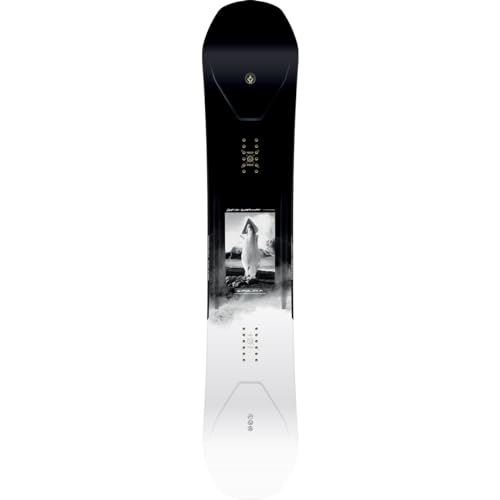
Capita Freeride Super D.O.A Snowboard, Size: 160, Colours: Multi
£455.16 *View On Amazon*









What Are Snowboards?
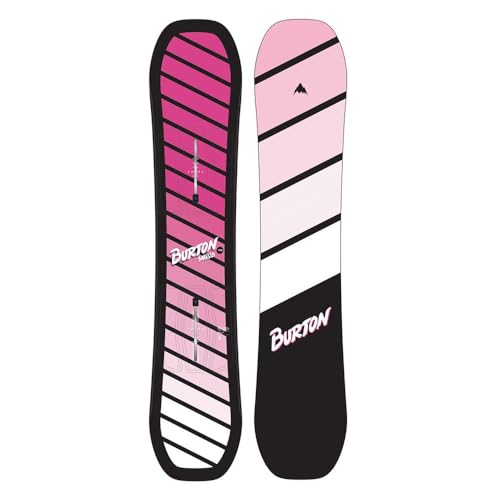
Snowboards are winter sports boards used with snowboard boots and bindings. The rider stands sideways on the board and controls direction using body position, edge pressure and movement.
Products in this category may include beginner snowboards, all mountain snowboards, freestyle snowboards, freeride snowboards, powder boards, junior snowboards, women’s snowboards and board packages where listed.
Some snowboards are designed to feel forgiving and easy to control, while others may feel stiffer, faster or more responsive depending on the product. Because designs vary widely, it is important to choose a board that suits the rider rather than choosing by appearance alone.
What Are Snowboards Used For?
Snowboards are used for riding on snow at ski resorts, indoor snow centres, winter holidays and mountain destinations where snowboarding is allowed. They can be used for learning basic turns, cruising pistes, carving, freestyle park riding, powder riding and more advanced terrain where the rider has suitable ability.
For beginners, the main aim is usually control, balance and confidence. For regular riders, board feel, stability and versatility become more important. Experienced snowboarders may look for a board that suits a specific terrain type or riding style.
A snowboard should always be used with suitable boots, bindings and safety equipment. The board is only one part of the full snowboarding setup.
How To Choose The Right Snowboard
Start with rider ability. Beginners usually benefit from a snowboard that feels manageable, forgiving and suited to learning turns. More advanced riders may prefer a board with a firmer feel, more response or a shape designed for specific terrain where listed.
Next, consider where the board will be ridden. All mountain snowboards are often chosen for mixed resort use, while freestyle boards may suit park riding, tricks and playful riding where suitable. Freeride or powder focused boards may be designed for deeper snow, higher speed or more directional riding depending on the product.
Board size matters. The right length and width depend on rider height, weight, boot size and riding style. Product size charts should be checked carefully where available, especially if buying for growing children or riders with larger boot sizes.
Also think about progression. A board that is too demanding can make learning harder, while a board that is too basic may not suit a rider who is already confident and improving quickly.
Key Features To Compare
When comparing snowboards, look at length, width, flex, profile, shape, sidecut, core material where listed, base type, edge design and binding compatibility.
Flex affects how the board feels. Softer boards can feel easier to control and more forgiving for some riders. Stiffer boards may feel more stable or responsive for confident riders, depending on the product and terrain.
Profile is also important. Some boards may use camber, rocker, flat or hybrid profiles where listed. These can affect edge hold, turn feel, stability and forgiveness. There is no single right profile for everyone, so match the design to ability and riding style.
Board shape can change how the snowboard rides. Twin shapes may suit freestyle and switch riding where suitable. Directional shapes may suit piste, freeride or powder focused use depending on the board.
Width should be checked if the rider has larger boots. A board that is too narrow may cause boot overhang, while a board that is too wide may feel harder to turn for some riders.
Snowboards Compared With Skis And Splitboards
Snowboards and skis both allow riders to enjoy snow sports, but they feel very different. Snowboarding uses one board with both feet fixed sideways, while skiing uses two separate skis with the feet facing forwards.
Skiing can feel more natural for some beginners because both legs move separately. Snowboarding can feel awkward at first, but many riders enjoy the flowing turns and sideways stance once they gain confidence.
A splitboard is a specialist type of snowboard that can separate into two ski like sections for uphill travel where suitable. It is usually used by experienced riders in backcountry style settings and requires suitable knowledge, safety equipment and conditions.
For most resort riders, a standard snowboard is the right starting point. Splitboards and highly specialised powder boards are better considered once the rider understands their terrain, ability and safety needs.
Guidance For Beginner Regular And Experienced Riders
Beginners should choose a snowboard that is easy to manage and suited to learning. A forgiving board can help with balance, turning and confidence during early lessons. It is also important to choose suitable boots and bindings, as poor fit can make learning harder.
Regular riders may want to compare board profile, flex and terrain suitability more closely. If you ride on mixed pistes, an all mountain board may be practical where listed. If you enjoy park riding, freestyle friendly shapes and flex may be worth considering.
Experienced riders may prefer boards for specific conditions. This could include a stiffer board for speed, a twin board for freestyle, a directional board for freeride or a powder focused shape for deeper snow where suitable.
The best snowboard is the one that matches how and where you actually ride.
Use Cases By Rider Type And Terrain
For resort beginners, a snowboard should support control, easy turning and confidence. Lessons, suitable slopes and safe progression are more important than advanced board features at this stage.
For all mountain riders, versatility is key. A board that can handle pistes, side hits, gentle powder and varied conditions where suitable can be useful for holidays and mixed riding days.
For freestyle riders, a twin or more playful board may be preferred where listed. Flex, shape and durability can matter for park use, jumps, rails and switch riding.
For freeride riders, directional boards, stability and edge control may become more important. These boards may suit confident riders who spend more time on steeper slopes or variable snow where suitable.
For powder days, wider or more directional shapes may help with float where listed. Powder focused boards are usually more specialised and may not feel as versatile for everyday piste use.
For junior riders, correct sizing and manageable flex are especially important. A board that is too large or too stiff can make progression harder.
Fit Compatibility And Setup Practicality
Snowboards must be compatible with suitable bindings and boots. Binding mounting systems, stance options and boot sizes can vary, so check compatibility before buying. Do not assume every binding will fit every board.
Boot size affects board width. If boots overhang too much, they may catch the snow during turns. If the board is too wide, it may feel slower or harder to control for some riders. Always compare boot size guidance where listed.
Stance width and binding angle should be set carefully. Beginners may benefit from help from an experienced fitter, instructor or technician when setting up a board for the first time.
If buying a snowboard package, check what is included. Some products may include bindings where listed, while others may be the board only. Boots, bindings, leash, helmet and protective equipment may need to be bought separately.
Safety Care Maintenance And Storage
Snowboarding should be done safely and within the rider’s ability. Always follow resort rules, signs and piste guidance. Wear suitable safety equipment, including a helmet, and consider wrist guards or protective pads where appropriate.
Do not ride closed runs, unsafe terrain or backcountry areas without the right knowledge, equipment and guidance. Off piste and mountain conditions can change quickly and may involve serious risks.
Check the snowboard before use. Look at the edges, base, binding inserts and overall condition. Do not use a board if bindings are loose, parts are damaged or the setup does not feel secure.
After riding, dry the board before storage. Wipe away snow and moisture, especially around bindings and edges. Storing a board wet can affect condition over time.
Follow product guidance for waxing, edge care and maintenance where listed. Regular users may want a tuning kit or professional servicing depending on how often they ride and the condition of the board.
Store snowboards in a clean, dry place away from damp, direct heat and heavy items that could bend or damage them.
Useful Accessories To Consider
Useful accessories can include snowboard bindings, snowboard boots, helmets, wrist guards, goggles, snowboard bags, tuning kits, wax, stomp pads, base layers, ski jackets, ski trousers, gloves and thermal socks.
For travel, a padded snowboard bag can help protect the board and make carrying easier. For resort use, goggles, gloves and suitable layered clothing are essential for comfort.
For maintenance, wax, edge tools and cleaning items may be useful where suitable. Beginners may prefer professional setup and servicing rather than adjusting the board themselves.
Why Buy Snowboards From YPC?
At YPC, we understand active lifestyles and the need for practical products that work in real use. Snowboards can vary by size, flex, shape, profile, terrain suitability, binding compatibility and rider level, so comparing the details helps you choose with more confidence.
YPC helps you browse snowboards with real winter sport needs in mind, whether you are buying for lessons, resort holidays, freestyle riding, all mountain use, junior riders or more experienced progression. Explore the Snowboards category to browse the available options and compare the features that matter most for your riding style.
FAQs
What snowboard should a beginner choose?
Beginners should usually look for a snowboard that is forgiving, manageable and suited to learning basic turns. Correct sizing, suitable boots and compatible bindings are just as important as the board itself.
How do I choose the right snowboard size?
Snowboard size depends on rider height, weight, boot size, ability and riding style. Check the product size guide where listed and avoid choosing only by height.
What is an all mountain snowboard?
An all mountain snowboard is designed for mixed riding across resort conditions, such as pistes, gentle side hits and varied snow where suitable. It can be a practical choice for riders who want one board for several uses.
What is the difference between freestyle and freeride snowboards?
Freestyle snowboards are usually chosen for park riding, tricks and playful riding where suitable. Freeride snowboards are often more directional and may suit steeper terrain, higher speeds or variable snow depending on the product.
Do snowboards come with bindings?
Some snowboards may be sold with bindings where listed, while others are board only. Always check the product description carefully before buying so you know what is included.
Can children use adult snowboards?
Children should use a snowboard that suits their size, weight and ability. Adult boards are often too long, wide or stiff for younger riders, which can make learning harder and less comfortable.
Are snowboards suitable for indoor snow centres?
Many snowboards can be used at indoor snow centres where suitable, but check the centre rules and product compatibility. Beginners may also want lessons and properly fitted boots and bindings.
How should I look after a snowboard?
Dry the snowboard after use, check the base and edges, store it in a clean dry place and follow any waxing or maintenance guidance listed. Regular riders may benefit from tuning or servicing when needed.
 Getting ready for Summer? View our Home and Garden Products

Heading outdoors this winter? Take a look at our Outdoor Clothing.