
Ski Boots
Ski boots are one of the most important pieces of skiing equipment because they connect the skier to the skis and help transfer movement, pressure and balance. They are suitable for beginners, regular skiers, children, family ski trips, indoor snow lessons, resort skiing and experienced skiers who need boots that match their ability, fit and skiing style.
The right ski boots depend on foot size, foot shape, ability level, boot flex where listed, boot type, comfort, warmth, liner fit, buckle system, compatibility with bindings, intended skiing use and whether the boots are for adults, children, resort skiing, touring or other specialist skiing where suitable.
- Ski Boots
ATOMIC Roces Idea Up 16.0-18.5 Children’s Ski Boots, Deep Pink-White, Size 25-29
Original price was: £94.26.£77.49Current price is: £77.49. *View On Amazon*


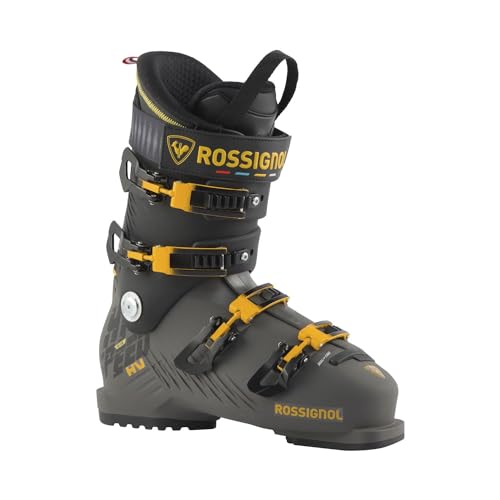


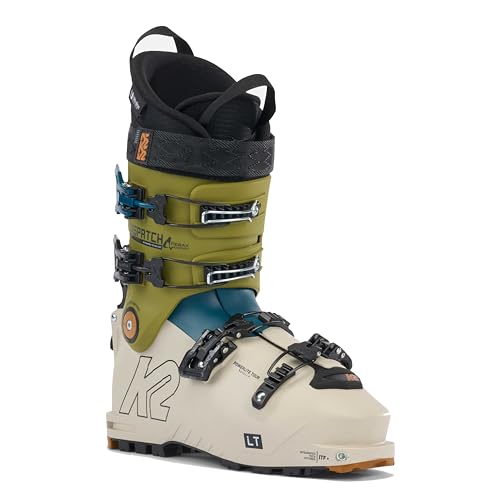


What Are Ski Boots?
Ski boots are rigid or semi rigid winter sports boots designed to clip into ski bindings. They support the feet, ankles and lower legs while allowing the skier to control the skis through movement and pressure.
They are very different from normal snow boots or walking boots. Ski boots are designed for skiing control, binding compatibility and slope performance rather than casual comfort alone.
A good ski boot should hold the foot securely, support the leg and work correctly with suitable ski bindings. Poorly fitting boots can make skiing uncomfortable and reduce control, even when the skis themselves are suitable.
What Are Ski Boots Used For?
Ski boots are used to connect the skier to the skis. They help transfer movement from the legs into the skis so the skier can turn, edge, stop and control speed.
They are used for ski lessons, indoor snow sessions, dry slope practice where suitable, alpine resort skiing, piste skiing and specialist skiing where the boot is designed for that purpose.
Ski boots also help protect the feet and lower legs from cold, snow and impact during skiing. However, they must fit correctly because comfort and control both depend on the boot sitting properly around the foot and ankle.
How To Choose The Right Ski Boots
Start with fit. Ski boots should feel secure around the foot and ankle without causing sharp pain, numbness or excessive pressure. They should not be chosen only by normal shoe size because ski boot sizing and fit can feel different.
Next, consider ability level. Beginners often need boots that are supportive but not overly stiff, while more experienced skiers may choose firmer boots for stronger response and higher speed control where suitable.
Binding compatibility is also essential. Ski boots must work with the skis and bindings being used. If you are unsure, seek specialist fitting and binding advice before skiing.
Key Features To Compare
When comparing ski boots, look at size, fit, flex rating where listed, intended use, last width where listed, liner type, buckle system, power strap where listed, walk mode where listed, sole type, boot weight, warmth, adjustability and binding compatibility.
Flex affects how stiff the boot feels when the skier bends forward. Softer boots may feel easier for beginners, while stiffer boots may suit stronger or more experienced skiers.
The liner affects comfort, warmth and foot hold. Some liners may shape with use or offer heat moulding where listed, but product details should always be checked carefully.
Ski Boots Compared With Snow Boots
Ski boots are technical boots designed to clip into ski bindings and control skis. They are stiff, supportive and built around skiing movement.
Snow boots are designed for walking in cold or snowy conditions. They may be warm and comfortable, but they are not designed to attach to ski bindings.
Do not use normal snow boots for skiing unless the activity and equipment specifically allow it. Ski boots are required for standard alpine ski bindings.
Ski Boots Compared With Snowboard Boots
Ski boots and snowboard boots are not the same. Ski boots are designed to work with skis and ski bindings, while snowboard boots are designed for snowboard bindings and a different stance.
Snowboard boots are usually more flexible for walking and board movement. Ski boots are stiffer because they need to transfer pressure to two separate skis.
Choose boots based on the sport. Ski boots should not be treated as snowboard boots, and snowboard boots should not be used in normal ski bindings.
Ski Boots Compared With Hire Boots
Hire boots can be useful for beginners, occasional skiers and first holidays because they reduce the cost of buying before preferences are known. They are also convenient when skis are hired at the resort.
Owning ski boots can give a more consistent fit once the skier knows their needs. Personal boots can reduce uncertainty because you are not relying on whatever hire stock is available.
The trade off is convenience versus personal fit. Beginners may hire at first, while regular skiers often choose to buy boots once they understand their foot shape and skiing style.
Beginner, Regular Skier And Experienced Skier Guidance
Beginners should focus on comfort, correct fit and easy control. A boot that is too stiff or too tight can make learning harder and less enjoyable.
Regular skiers may benefit from owning boots because familiar fit and support can make ski trips more consistent. They may compare flex, liner comfort, buckle adjustment and foot hold more carefully.
Experienced skiers often look closely at stiffness, response, fit precision, shell shape, liner support, power transfer, buckle layout, sole compatibility and how the boot performs across different snow conditions.
Ski Boots For Beginners
Beginner ski boots should help the skier feel supported without making movement difficult. A boot that allows controlled forward flex can make turning and stopping feel more natural.
Comfort is especially important for first ski lessons. If boots cause pain, the skier may struggle to focus on balance, snowplough turns, edging and lift use.
Beginners should not choose boots only because they look technical. Fit, comfort and lesson suitability matter more than advanced features.
Ski Boots For Intermediate Skiers
Intermediate skiers usually need a boot that offers more support and response than a very basic beginner boot, while still remaining comfortable for full ski days.
As confidence grows, skiers may notice how boot stiffness, fit and control affect turning, edging and speed management.
Intermediate boots should match the skier’s strength, ability, terrain and preferred pace. A boot that is too soft may feel vague, while one that is too stiff may be tiring.
Ski Boots For Advanced Skiers
Advanced skiers often need stronger support, more precise fit and better response. They may ski faster, apply more pressure through the edges and need boots that react clearly to movement.
A stiffer boot may suit some advanced skiers, but it still needs to fit properly. Stiffness without comfort or correct foot hold can make skiing harder, not better.
Advanced skiers should think carefully about intended terrain, skiing style, boot flex, liner support and binding compatibility.
Ski Boots For Children
Children’s ski boots should be comfortable, warm and manageable. Children need boots that help them learn without being too stiff, heavy or difficult to buckle.
Fit is very important because children grow quickly. Boots that are too large can reduce control, while boots that are too small can cause discomfort and cold feet.
For family ski trips, check children’s boots before travelling. Do not assume last season’s boots still fit.
Ski Boots For Women
Women’s ski boots may be shaped around different foot and calf fit needs depending on the design. They may vary in cuff shape, liner fit, size range and flex options where listed.
The most important point is still personal fit. A boot should suit the skier’s foot shape, leg shape, ability and skiing style.
Do not choose only by label. Compare the actual size, fit, flex and comfort details before buying.
Ski Boots For Men
Men’s ski boots are commonly offered in a range of flexes, sizes and intended uses. They may suit beginners, regular skiers, stronger skiers or more advanced mountain use depending on the product.
The boot should hold the foot securely without excessive movement. Heel lift, pressure points and poor buckle adjustment can all affect control.
Men’s ski boots should be chosen by fit and skiing needs, not just usual shoe size.
Ski Boots For Resort And Piste Skiing
Resort and piste skiing usually involves marked slopes, lifts, groomed runs, lessons and mixed mountain weather. Boots for this type of skiing should balance comfort, support and control.
Many skiers spend long days in their boots, walking to lifts, standing in queues and skiing multiple runs. Comfort over time is important.
For piste skiing, boot fit should support edging and turning while still allowing the skier to flex naturally into the front of the boot.
Ski Boots For Indoor Snow Centres And Dry Slopes
Indoor snow centres and dry slopes are often used for lessons, practice and preparation before a ski holiday. Suitable ski boots are still important because poor fit can make learning uncomfortable.
Some centres provide hire boots, but personal boots may be useful for regular lessons if the skier wants consistent fit. Always check venue guidance before attending.
Dry slope conditions can feel different from snow, but the boot still needs to work properly with the binding system and allow controlled skiing movement.
Ski Boots For Ski Touring And Specialist Use
Some ski boots may be designed for ski touring, uphill travel or specialist mountain use where listed. These boots may include walk modes, different sole types or compatibility requirements.
Ski touring equipment can be more specialised than normal resort skiing equipment. Boots, bindings, skis and safety equipment must be compatible.
Do not assume an alpine ski boot is suitable for touring, or that a touring boot will work with every binding. Check product details and seek expert advice where needed.
Boot Size, Mondopoint And Fit
Ski boots are often sized using Mondopoint, which relates to foot length in centimetres where listed. This can differ from normal UK shoe sizing.
Foot length is only part of the fit. Width, instep height, heel shape, calf shape and ankle hold all affect whether the boot is comfortable and controlled.
A correctly fitted ski boot should feel snug, especially compared with casual footwear. Too much spare room can reduce ski control and cause rubbing.
Boot Flex And Stiffness
Boot flex describes how stiff the boot feels when the skier presses forward. Softer flex can be easier for beginners and lighter skiers, while stiffer flex may suit stronger or more advanced skiers.
Flex numbers where listed are useful for comparison, but they are not always identical between brands or boot types. Fit and intended use still matter.
A boot that is too stiff can make it hard to bend into the correct skiing position. A boot that is too soft may feel lacking in support as the skier improves.
Last Width And Foot Shape
Last width where listed describes the internal width of the boot around the forefoot. Narrower lasts may suit slimmer feet, while wider lasts may suit broader feet.
Foot shape can make a big difference to comfort. Two boots in the same size can feel very different depending on shell shape and liner design.
Pressure points should not be ignored. If a boot causes sharp pain in store or at home, it may become much worse during a full ski day.
Liners, Footbeds And Comfort
Ski boot liners provide cushioning, warmth and foot hold inside the shell. A good liner helps reduce movement and improve comfort.
Footbeds can also affect support and fit. Some skiers may benefit from more supportive footbeds, especially if they struggle with pressure, arch support or heel movement.
Comfort should be checked with proper ski socks. Thick everyday socks can bunch inside the boot and create pressure points.
Buckles, Straps And Adjustment
Ski boots usually use buckles, straps or other closure systems to secure the foot and lower leg. These should close firmly without needing excessive force.
Buckles should be adjusted so the foot is held securely, but circulation is not restricted. Over tightening can cause cold feet, numbness and discomfort.
Power straps where listed can help secure the upper cuff and improve support. They should sit comfortably and work with the skier’s stance.
Walk Mode And Walking Comfort
Some ski boots include a walk mode where listed. This can make walking or standing more comfortable by allowing more cuff movement.
Walk mode can be useful around resorts, car parks, lifts and ski touring setups where suitable. However, it should be used correctly and returned to ski mode before skiing where required.
Even with walk mode, ski boots are not normal walking boots. They can still feel stiff and should be used carefully on ice, stairs and hard surfaces.
Boot Sole Type And Binding Compatibility
Boot sole type matters because ski boots must work with the correct bindings. Alpine, GripWalk, touring and other sole standards may not all be compatible with every binding.
Binding compatibility should never be guessed. If the boot and binding are not compatible, release and retention may not work correctly.
Always check product details and use a qualified technician or suitable ski shop professional for binding setup and adjustment.
Ski Socks And Boot Fit
Ski socks affect boot fit more than many beginners realise. Proper ski socks are usually smoother and more suitable for ski boots than thick everyday socks.
Wearing several pairs of socks is often not helpful because they can bunch, create pressure and reduce control. One suitable pair is usually better.
Try boots with the socks you plan to ski in. This gives a more realistic feel and helps avoid surprises on the slopes.
Warmth, Circulation And Cold Feet
Cold feet can be caused by weather, poor socks, damp liners, tight buckles, poor circulation or boots that do not fit well.
A boot that is too tight in the wrong places can restrict blood flow and make feet colder. A boot that is too loose can cause movement and rubbing.
Dry boots and socks properly after skiing. Damp liners and socks can make the next day colder and less comfortable.
Trying Ski Boots On Properly
When trying ski boots on, wear suitable ski socks and fasten the boots correctly. Stand in a skiing position with knees slightly bent so the heel settles into the back of the boot.
Toes may lightly touch the front when standing upright, then pull back slightly when flexing forward. Sharp pain, strong pressure or heel lift should be taken seriously.
Wear the boots for long enough to notice pressure points. A boot that feels wrong after a few minutes may feel much worse on the mountain.
Common Ski Boot Fit Problems
Common fit problems include heel lift, numb toes, pressure on the shins, pressure across the instep, cold feet, calf discomfort and toes hitting the front.
Some problems come from wrong size, while others come from foot shape, sock choice, buckle adjustment or unsuitable flex.
Do not ignore repeated pain. Ski boots should be snug, but they should not make skiing miserable.
Ski Boots And Ski Bindings
Ski boots and ski bindings must work together correctly. The boot sole, binding type and skier settings all affect how the system functions.
Bindings should be adjusted by a qualified technician or suitable ski shop professional. This is especially important when changing boots, skis or bindings.
Never assume that a new boot will work with existing bindings without checking compatibility and setup.
Ski Boot Care And Drying
Ski boots should be dried after use. Moisture from snow, sweat and condensation can make liners damp and uncomfortable.
Remove liners only if product guidance allows and if you know how to refit them correctly. Many skiers use boot dryers or leave boots open in a warm, dry place.
Do not place boots too close to direct heat unless product guidance allows it. Excessive heat can damage liners, shells or glue.
Ski Boot Storage Between Trips
After a ski trip, clean and dry the boots before storage. Buckle them lightly so the shell keeps its shape.
Store boots in a dry place away from damp, extreme heat and heavy objects. Check them before the next trip for cracks, worn soles, damaged buckles or liner issues.
Children’s boots and older boots should be checked especially carefully because fit or condition may have changed since the last use.
Travelling With Ski Boots
Ski boots can be bulky, so a ski boot bag can make travel easier. A boot bag helps keep boots together and separates them from clothing or clean luggage.
Some skiers carry boots as important personal kit because boot fit is difficult to replace at the resort. Travel rules may vary, so check baggage guidance when flying.
Make sure boots are dry before packing them for the return journey. Wet boots packed with clothing can create odours and damp kit.
Safety, Lessons And Responsible Skiing
Ski boots support skiing control, but safe skiing also depends on lessons, awareness and skiing within ability. Beginners should learn from suitable instructors and use slopes that match their level.
Boots should be fully fastened before skiing. Loose buckles or incorrect settings can affect control and comfort.
If a boot feels unsafe, painful or incompatible with the binding, stop and seek help before skiing further.
Useful Accessories To Consider
Useful accessories for ski boots include ski socks, boot bags, boot dryers, footbeds, boot horns where suitable, buckle protectors where listed, drying racks, name labels, boot carriers and storage bags.
For ski trips, gloves, ski trousers, base layers, helmets, goggles and boot friendly luggage can also be useful.
The best ski boot setup is one where boots, socks, skis, bindings and clothing all work together comfortably and safely.
Why Buy Ski Boots From YPC?
At YPC, we understand active lifestyles and the need for practical products that work in real use. Ski boots should be chosen carefully because fit, flex, comfort, warmth, binding compatibility and ability level all affect how useful they are on the slopes.
Browse the Ski Boots category at YPC to compare available options, check the details that suit your skiing plans and choose boots that help make slope time more comfortable, controlled and enjoyable.
Ski Boots FAQs
What are ski boots?
Ski boots are technical winter sports boots designed to connect the skier to ski bindings and skis. They support the foot, ankle and lower leg while helping the skier control the skis.
They are very different from normal winter boots.
Are ski boots suitable for beginners?
Yes, ski boots are essential for beginners who are learning to ski. Beginners should choose boots that fit properly, feel supportive and are not too stiff for their ability.
Many beginners hire boots at first before buying their own.
Should I buy or hire ski boots?
Hiring ski boots can be practical for first lessons or occasional ski trips. Buying ski boots may be worthwhile for regular skiers who want a more consistent personal fit.
Fit is the main reason many skiers eventually buy their own boots.
How should ski boots fit?
Ski boots should feel snug and secure without sharp pain or numbness. The heel should stay controlled, and the foot should not slide around inside the boot.
They should feel tighter than normal shoes, but not unbearable.
Should ski boots feel tight?
Ski boots should feel snug because they need to transfer movement to the skis. However, they should not cause severe pressure, numb toes or strong pain.
If the boot feels painful, the size or shape may be wrong.
What size ski boots do I need?
Ski boots are often sized using Mondopoint or centimetre based sizing where listed. This relates to foot length, but width and foot shape also matter.
Check the product size guide and try boots with ski socks where possible.
Can I use my normal shoe size for ski boots?
Normal shoe size can be a starting point, but ski boots should not be chosen by shoe size alone. Ski boot sizing, shell shape and fit can feel different.
Foot length, width and ankle hold should all be considered.
What is ski boot flex?
Ski boot flex describes how stiff the boot feels when you press forward. Softer flex may suit beginners, while stiffer flex may suit stronger or more advanced skiers.
Flex should match ability, strength and skiing style.
Are stiffer ski boots better?
Stiffer ski boots are not automatically better. They can offer stronger response for experienced skiers, but they may be difficult or uncomfortable for beginners.
The right stiffness depends on the skier.
What is last width in ski boots?
Last width describes the internal width of the boot around the forefoot where listed. It helps indicate whether a boot may suit narrower or wider feet.
Fit still depends on the full foot shape, not width alone.
What socks should I wear with ski boots?
Wear proper ski socks that are smooth, comfortable and suitable for ski boots. Avoid thick everyday socks that can bunch up and create pressure points.
Try boots on with the socks you plan to ski in.
Why do my feet get cold in ski boots?
Cold feet can come from tight buckles, poor circulation, damp socks, damp liners, unsuitable socks or boots that do not fit well.
Dry boots properly and avoid over tightening them.
Why do my toes hurt in ski boots?
Toe pain can come from boots that are too small, poor stance, wrong socks, tight buckles or foot movement inside the boot.
If toes are repeatedly painful, the fit should be checked.
Why does my heel lift in ski boots?
Heel lift can mean the boot is too large, the shape is wrong, the buckles are not adjusted correctly or the liner does not hold the foot properly.
Heel movement can reduce control and cause rubbing.
Can ski boots be used for walking?
Ski boots can be walked in for short distances around resorts, but they are not normal walking boots. Some models may have walk mode where listed, but they still need care on ice, stairs and hard surfaces.
Use caution when walking in ski boots.
What is walk mode on ski boots?
Walk mode is a feature on some ski boots where listed that allows more cuff movement for walking or touring. It can make movement easier when not skiing.
It should be used correctly and switched back to ski mode before skiing where required.
Are ski boots compatible with all bindings?
No, ski boots are not compatible with all bindings. Sole type and binding type must match correctly.
Binding compatibility should be checked by a qualified technician or suitable ski shop professional.
Do ski bindings need adjusting for new boots?
Yes, bindings should be checked and adjusted when using new boots. Even boots of similar size can affect binding setup.
Do not ski without confirming boot and binding compatibility.
How do I dry ski boots?
Open the boots, remove moisture where appropriate and let them dry in a warm, dry place. Boot dryers may be useful where suitable.
Avoid excessive direct heat unless product guidance allows it.
What should I check before buying ski boots?
Check size, fit, flex where listed, intended use, last width where listed, liner type, buckle system, sole type, warmth, comfort and binding compatibility.
The right ski boots should match your foot shape, ability level, skiing style and equipment setup.
 Getting ready for Summer? View our Home and Garden Products

Heading outdoors this winter? Take a look at our Outdoor Clothing.