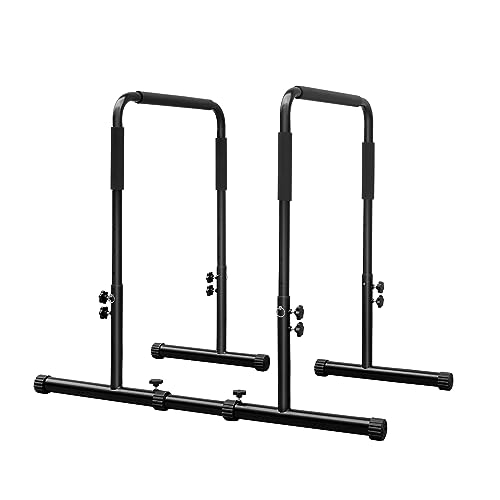
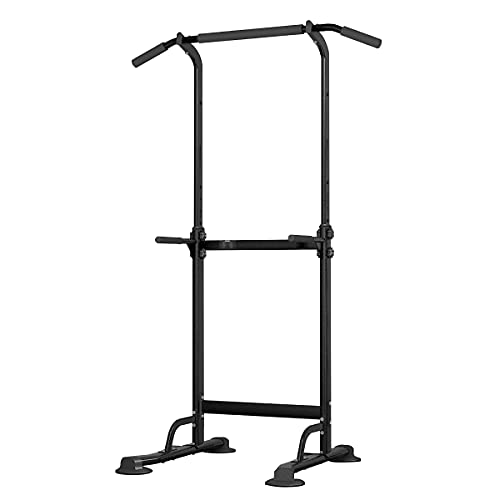
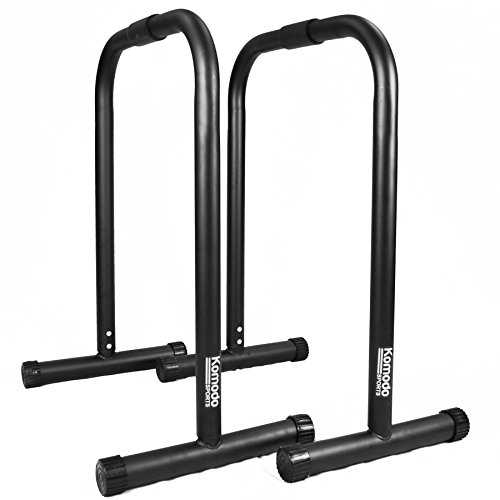
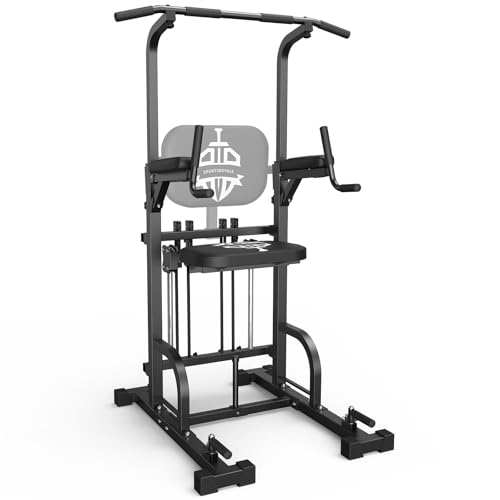
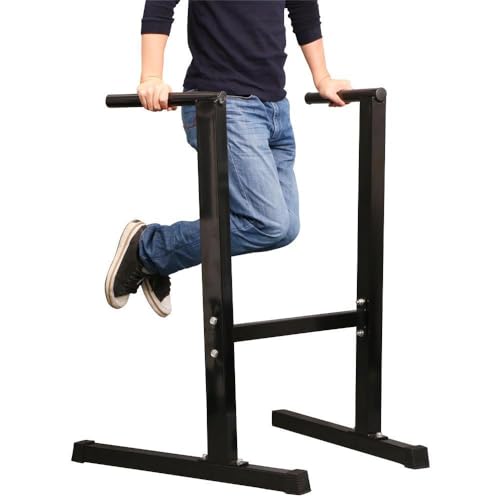
Dip Stations
Dip stations are strength training frames designed to support bodyweight exercises such as dips, knee raises, leg raises and other controlled movements where suitable. They are useful for home gyms, garage gyms, fitness rooms, bodyweight training, calisthenics and general upper body workouts, depending on the product design and features listed.
The right dip station should feel stable, comfortable and suitable for your available space and training level. Frame size, handle position, weight capacity where listed, grip comfort, floor protection, storage needs and exercise compatibility are all worth comparing before choosing.
For guidance on comparing dip station designs and understanding suitability for different spaces and experience levels, see our Dip Stations Buyers Guide.
What Are Dip Stations?
Dip stations are exercise equipment pieces with parallel handles or bars that allow users to support their bodyweight during dipping movements and related exercises. Designs can vary from compact freestanding dip bars to larger power tower style frames with extra exercise stations where listed.
Products in this category may include standalone dip stations, parallel dip bars, adjustable dip bars, folding dip stations, wall mounted dip bars and multi function bodyweight stations, depending on the products listed.
Some dip stations focus on simple dipping exercises, while others may support pull ups, push up handles, vertical knee raises or other movements where stated. Always check the product description carefully before buying.
What Are Dip Stations Used For?
Dip stations are used for strength training and bodyweight exercise. They are commonly used for triceps dips, chest dips, supported knee raises, leg raises, L sit practice and controlled core work where suitable.
They can be useful for people who want to train at home without relying only on weights or large gym machines. A dip station can help add variety to a workout routine and can be used alongside resistance bands, dumbbells, pull up bars, benches and floor exercises.
The exact exercises possible depend on the product shape, height, width, stability and user ability.
How To Choose The Right Dip Station
Start by thinking about the exercises you want to do. If you mainly want dips, a simple freestanding dip station or parallel bars may be enough where suitable. If you want a wider range of bodyweight exercises, a larger power tower style station may be worth comparing where listed.
Next, check the available space. Dip stations need enough room for the frame, your body movement and safe access around the equipment. Measure the intended area before buying, including ceiling height if the product includes pull up functions.
Stability is very important. Look at frame shape, base width, floor contact points and maximum user weight where listed. A dip station should not feel unstable during controlled movement.
Comfort also matters. Handle thickness, grip texture, padding where included and bar spacing can affect how the equipment feels during use. If the handles are too narrow, too wide or uncomfortable, the station may be harder to use regularly.
Key Features To Compare
When comparing dip stations, look at frame material, footprint, handle spacing, height, adjustability, grip design, weight capacity where listed, folding or storage features, floor protection and included accessories.
Weight capacity should be checked carefully and should suit the intended user. Do not exceed the stated limit where one is provided.
Adjustability can be useful if several people will use the equipment or if you want to vary exercises. Some dip stations may allow height or width changes where listed, while others have a fixed frame.
Floor protection can matter in home gyms. Rubber feet, wider bases or protective mats where suitable may help reduce movement and marks, depending on the floor and product.
Assembly requirements are also worth checking. Some products may need tools, careful alignment or two people to assemble safely where listed.
Dip Stations Compared With Pull Up Bars Benches And Power Towers
A dip station is mainly designed around dipping movements and supported bodyweight training. It can be compact compared with some larger gym equipment, depending on the design.
A pull up bar is designed for pulling exercises, usually overhead. It can be useful for back and arm training, but it does not usually replace a dip station unless the product includes both functions.
A weight bench is more useful for seated, lying or dumbbell based exercises. It can support pressing, rows and core work, but it does not provide the same parallel bar setup as a dip station.
A power tower is a larger piece of bodyweight equipment that may include a dip station, pull up bar, push up handles and knee raise pads where listed. It can be more versatile, but it usually needs more floor space and ceiling clearance.
The best choice depends on your training goals, space and budget.
Guidance For Beginner Regular And Experienced Users
Beginners should choose a dip station that feels stable, has comfortable grips and suits controlled basic movements. Dips can be challenging, so some users may start with assisted variations, partial range movements or resistance band support where suitable.
Regular users may want to compare frame stability, grip comfort, exercise variety and how well the station fits into a home workout routine. If the equipment is awkward to set up or store, it may be used less often.
Experienced users may prefer stronger frames, wider exercise options, adjustable bars or compatibility with weighted training where suitable and where the product is designed for that use. Technique and control remain important, even for confident users.
Use Cases By Training Style And Space
For home gyms, dip stations can provide a practical way to train pressing strength and core control without needing a large machine. Check the footprint and make sure there is enough movement space.
For garage gyms, a sturdy freestanding station may work well where the floor is level and the space is clear. A floor mat may be useful where suitable.
For bodyweight training, dip stations can support dips, holds and controlled core exercises. They can work well alongside pull up bars, gym rings, resistance bands and exercise mats.
For general fitness routines, dip stations can add variety to upper body workouts. Choose a design that suits your ability and does not feel intimidating or unstable.
For shared households, adjustability and weight capacity where listed may matter more. The station should suit all intended users, not just one person.
For compact spaces, folding or smaller dip bars may be worth considering where listed, but stability and safe movement space should still come first.
Fit Compatibility And Setup Practicality
Before buying a dip station, check the product dimensions and compare them with your available space. Allow room at the front, sides and above the equipment so exercises can be performed safely.
Handle spacing affects comfort and exercise feel. Bars that are too wide may place strain on the shoulders for some users, while bars that are too narrow may not suit every body shape. Check dimensions where listed.
Floor compatibility is also important. A stable, level surface is best. Soft carpet, uneven floors or slippery surfaces may affect stability. A suitable exercise mat may help protect flooring where appropriate, but it should not make the station unstable.
If the dip station is wall mounted, check wall suitability, fixing requirements and installation guidance carefully. Wall mounted products should be installed securely and safely according to the product instructions.
Exercise Comfort Technique And Progression
Dips and related bodyweight exercises should be performed with control. Good technique matters more than doing high repetitions quickly. Move smoothly, avoid swinging and stop if you feel sharp pain or unusual discomfort.
If dips feel too difficult at first, assisted versions may be more suitable. Resistance bands, reduced range movements or support from feet on the floor may help some users build confidence where appropriate.
Core exercises such as knee raises and leg raises can also be demanding. Start with controlled movements and avoid using momentum. A stable frame and comfortable grip can make these exercises easier to practise safely.
Progress gradually. Adding extra weight, speed or difficult variations too soon can increase injury risk. If you are unsure about technique or have existing health concerns, seek suitable professional guidance.
Safety Care Maintenance And Storage
Always follow the product instructions for assembly, use and maintenance. Check bolts, grips, feet and moving parts regularly, especially if the dip station is used often.
Do not exceed the maximum user weight where listed. Avoid using the equipment for exercises it is not designed to support.
Place the dip station on a stable, level surface and keep the area clear of loose items, pets, children and trip hazards during use. If the station rocks, slides or feels unstable, stop using it and check the setup.
Wipe grips and contact areas after use where suitable, especially if the equipment is shared. Keep the frame clean and dry to help maintain condition.
If the product folds or stores away, make sure it is fully locked or secured before use and safely stored when not in use. Keep it away from damp areas where possible.
Useful Accessories To Consider
Useful accessories can include exercise mats, resistance bands, pull up bars, dumbbells, weight vests where suitable, gym gloves, towels, water bottles, foam rollers and storage racks.
Resistance bands can be useful for assisted dips or warm up work where appropriate. An exercise mat may help define the workout area and protect flooring. A towel and water bottle can make training sessions more comfortable.
For a wider home gym setup, dip stations can work well alongside benches, weights, cardio equipment and stretching accessories.
Why Buy Dip Stations From YPC?
At YPC, we understand active lifestyles and the need for practical products that work in real use. Dip stations can vary by size, stability, frame design, grip comfort, adjustability, exercise options, weight capacity where listed and storage needs, so comparing the details helps you choose with more confidence.
YPC helps you browse fitness equipment with real home training needs in mind, whether you are buying for strength workouts, bodyweight training, garage gyms, compact spaces or general exercise routines. Explore the Dip Stations category to browse the available options and compare the features that matter most for your setup.
FAQs
What is a dip station used for?
A dip station is used for bodyweight exercises such as dips, supported knee raises, leg raises and controlled core movements where suitable. Exercise options depend on the product design.
Are dip stations good for beginners?
Dip stations can be useful for beginners, but dips can be challenging. Beginners may need assisted variations, shorter ranges of movement or professional guidance to build strength safely.
What should I look for in a dip station?
Look for stability, suitable dimensions, comfortable grips, weight capacity where listed, frame quality, safe floor contact, exercise compatibility and enough space for use.
Do dip stations take up much space?
Some dip stations are compact, while power tower style stations can take up more room. Check the product dimensions and allow enough space around the equipment for safe movement.
Are dip stations the same as power towers?
Not always. A dip station may focus mainly on parallel bar exercises, while a power tower may include a dip station plus pull up, push up or knee raise features where listed.
Can I use a dip station for core exercises?
Some dip stations can be used for core exercises such as knee raises or leg raises where the design allows it. Check the product details and use controlled technique.
Are wall mounted dip stations safe?
Wall mounted dip stations can be safe where correctly installed on a suitable wall using appropriate fixings and according to the product instructions. If unsure, seek suitable installation advice.
What floor surface is best for a dip station?
A stable, level floor is best. Avoid slippery or uneven surfaces. A suitable exercise mat may help protect flooring, but it should not make the station unstable.
How do I maintain a dip station?
Check bolts, grips, feet and frame parts regularly. Keep it clean and dry, follow the product care instructions and stop using it if anything feels loose, damaged or unstable.
Can I add weight when using a dip station?
Only add weight if the dip station is designed for that use and the total load remains within the product’s stated limits where listed. Progress gradually and use safe technique.
Getting ready for Summer? View our Home and Garden Products
Heading outdoors this winter? Take a look at our Outdoor Clothing.