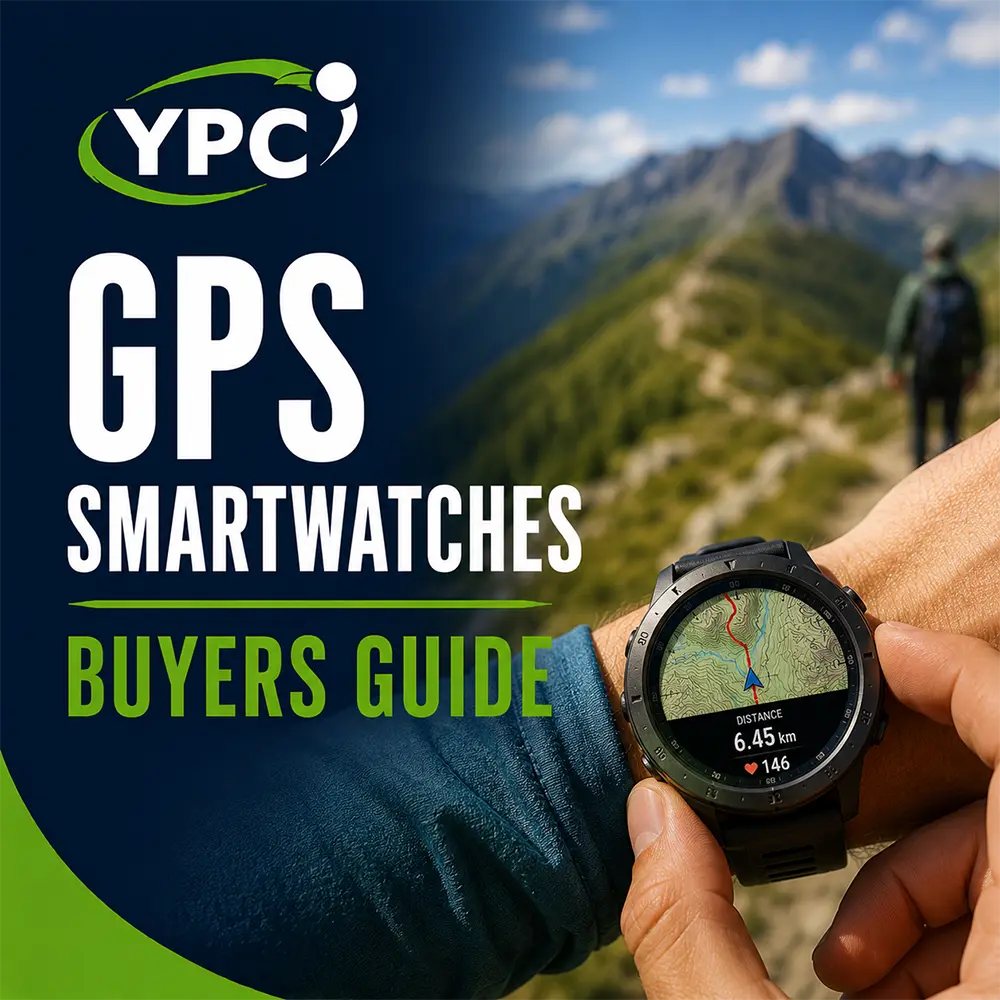
GPS smartwatches combine everyday smartwatch features with built in location tracking. This guide explains how GPS smartwatches differ and how to compare them when balancing design, functionality, fitness features, and navigation needs. It focuses on wrist worn smartwatches with integrated GPS rather than basic fitness trackers or dedicated navigation devices. The aim is to help you choose between options with clarity and confidence.
Quick Product Comparison Framework
| Comparison Area | What Typically Varies |
|---|---|
| Watch design | Traditional watch styles versus sport focused designs |
| Display type | Always on displays versus gesture activated screens |
| GPS use | Continuous tracking versus activity only GPS |
| Smart features | Notifications, apps, and system integration |
| Battery behaviour | Shorter life with GPS use versus extended smartwatch mode |
| Price range | Entry level, mid range, premium tiers |
Specifications vary — see individual product listings for details.
Key Decision Criteria Explained
Smartwatch functionality
Some models prioritise apps, notifications, and everyday convenience. Others focus more heavily on fitness and activity features while still offering smartwatch basics.
GPS performance expectations
GPS allows routes and distances to be recorded directly from the wrist. How often GPS is used affects battery behaviour and overall suitability.
Battery handling
Battery life can differ significantly depending on display type and GPS usage. Consider how often you expect to charge the watch during normal routines.
Design and wearability
Appearance matters for daily wear. Case size, strap style, and overall look influence whether the watch feels suitable beyond workouts.
Phone compatibility
Most GPS smartwatches are designed to work closely with specific phone ecosystems. Compatibility influences app access, syncing, and overall experience.
Product Type Differentiation and Variants
Lifestyle focused GPS smartwatches
Designed to look like conventional watches while offering GPS and smartwatch features. Often chosen for all day wear.
Sport oriented GPS smartwatches
Emphasise activity tracking and outdoor use. Design may prioritise durability and readability over traditional styling.
Hybrid style GPS smartwatches
Blend smartwatch features with fitness and GPS tracking while aiming for a balanced appearance.
Specifications vary — see individual product listings for details.
Suitability by Reader Type or Need
First time smartwatch buyers
Balanced models with clear interfaces and moderate feature sets often feel easier to live with day to day.
Upgrading from fitness trackers
GPS smartwatches add screen based interaction, apps, and notifications alongside familiar activity tracking.
Everyday wear with fitness tracking
Design and comfort become as important as technical features. Watches intended for continuous wear may suit this need better.
Sport and GPS use
Models designed for frequent GPS activity tracking may better support structured training and outdoor activities.
Common Mistakes and Misunderstandings
Expecting phone free operation in all cases
Some features rely on phone syncing even when GPS is built in.
Underestimating battery impact of GPS
Regular GPS use can reduce time between charges compared with basic smartwatch use.
Focusing only on features
A watch that looks or feels unsuitable for daily wear may end up being used less often.
Safety and Suitability Caveats
GPS smartwatches provide location and activity information only. They are not safety devices and should not be relied upon for emergency situations. Comfort and skin contact should be monitored during regular wear. Suitability depends on individual preferences and usage patterns.
Maintenance Expectations and Lifespan Considerations
GPS smartwatches are designed for regular wear. Battery capacity may change gradually over time. Straps and charging accessories experience normal wear. Overall lifespan depends on usage frequency, charging habits, and environmental exposure.
How to Compare Models Efficiently
Start by confirming phone compatibility. Decide how important GPS tracking is compared to general smartwatch use. Compare battery behaviour under expected usage. Assess whether the design suits everyday wear. Finally, balance feature depth against price expectations.
Summary Buyer Decision Checklist
• Phone ecosystem compatibility
• Desired balance between smartwatch and fitness features
• Frequency of GPS use
• Battery life expectations
• Comfort and appearance for daily wear
• Budget range alignment
Frequently Asked Questions
Do GPS smartwatches work without carrying a phone
Many can record GPS activity independently. Some features still rely on syncing with a phone. Functionality varies by product.
Are GPS smartwatches suitable for everyday wear
Yes. Many are designed for continuous wear. Comfort and battery behaviour influence suitability.
How does GPS affect battery life
Using GPS typically reduces battery life compared with smartwatch only use. The impact varies by device.
What price ranges are typical for GPS smartwatches
Entry level models usually focus on core smartwatch and GPS features. Mid range options balance design, battery handling, and functionality. Premium models often add advanced displays or broader feature sets. Prices vary — see individual product listings for details.
Can GPS smartwatches replace fitness trackers
They often include similar activity tracking features while adding smartwatch and GPS functions. The level of detail depends on the device.
For products in this category, visit:
https://www.ypc.co.uk/product-category/outdoor-tech/navigation-and-tracking/gps-smartwatches/