
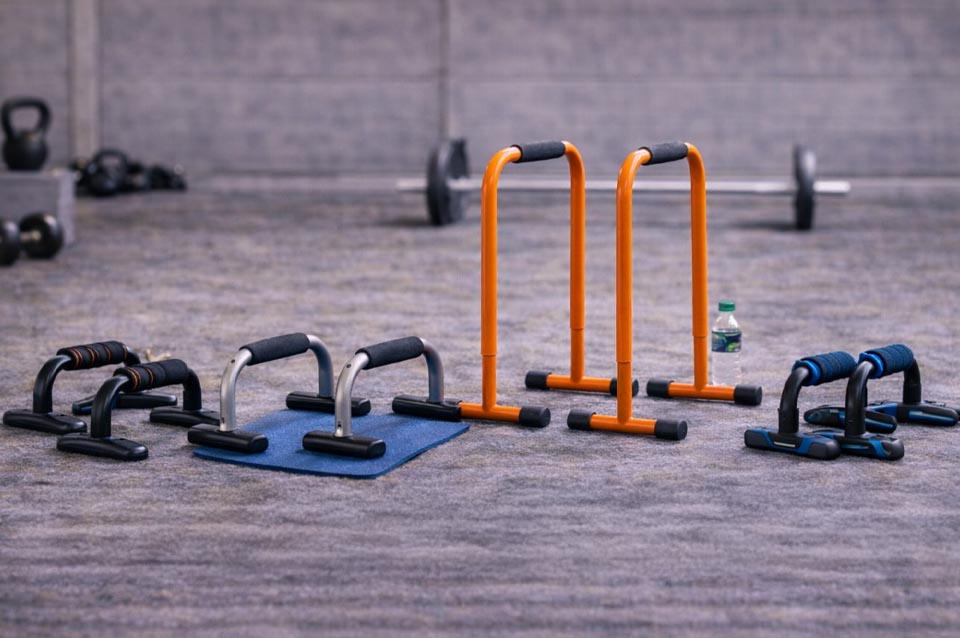
Push up bars and stands are compact bodyweight training accessories designed to provide elevated hand positions during floor based exercise. This Buyers Guide explains how different designs vary in stability, comfort, materials, and space suitability. It is intended to help you compare options clearly for home use, without covering exercise technique or setup instructions.
Quick Product Comparison Framework
| Feature area | How options differ |
|---|---|
| Design type | Fixed stands, rotating bars, angled grip handles |
| Handle shape | Straight, angled, or contoured |
| Height from floor | Low profile or raised designs |
| Base style | Flat bases, rubberised feet, non slip pads |
| Material | Plastic, metal, composite constructions |
| Stability approach | Wide footprint versus compact bases |
| Portability | Lightweight travel sets versus heavier home use designs |
Key Decision Criteria Explained
Wrist comfort and hand position
Handle angle and grip shape influence wrist alignment. Different designs suit different comfort preferences.
Stability and confidence
Base width, surface grip, and overall weight affect how secure the bars feel during use.
Floor compatibility
Some bases interact better with hard floors, mats, or carpeted surfaces than others.
Space and storage needs
Compact designs are easier to store in cupboards or drawers, which matters in shared spaces.
Build quality perception
Material thickness, grip texture, and base finish influence perceived durability and quality.
Product Type Differentiation and Variants
Fixed push up stands
Use a static handle and base design. Often chosen for stability and simplicity.
Rotating push up bars
Allow the handle to turn during movement. Often selected for variety in hand positioning.
Angled grip bars
Use fixed angled handles intended to alter wrist alignment.
Low profile bars
Sit closer to the floor and prioritise portability and storage ease.
Specifications vary — see individual product pages for details.
Suitability by Reader Type or Need
- Beginners or those returning after a break often prioritise stability and comfortable grip angles.
- Mixed ability households may prefer simple, fixed designs that feel predictable.
- Small space users benefit from lightweight or stackable sets.
- Users concerned about wrist comfort often compare angled or contoured handles.
- Budget focused buyers may favour simpler constructions over rotating mechanisms.
Common Mistakes and Misunderstandings
- Assuming all push up bars feel equally stable.
- Overlooking how bases interact with different floor surfaces.
- Choosing rotating designs without considering preferred stability.
- Focusing on handle shape alone while ignoring base footprint.
- Expecting very lightweight designs to feel rigid on all surfaces.
Safety and Suitability Caveats
Push up bars and stands are low risk fitness accessories when used on appropriate surfaces. Suitability depends on individual joint comfort, floor type, and confidence in stability. Not all designs suit all environments. Manufacturer guidance should always be followed.
Maintenance Expectations and Lifespan Considerations
These products typically require minimal maintenance. Lifespan depends on material quality, frequency of use, and floor interaction. Over time, grips or base pads may show wear. Durability varies between products.
How to Compare Models Efficiently
Start by confirming where the bars will be used and on what surface. Then compare handle shape and comfort. Next assess base stability and footprint. Finally consider storage, portability, and overall build quality to narrow options.
Summary Buyer Decision Checklist
- Handle shape and wrist comfort preference
- Base stability and footprint
- Floor type compatibility
- Storage and portability needs
- Material and build quality perception
- Budget alignment
Frequently Asked Questions
Are push up bars suitable for beginners?
Many beginners use them, but comfort and stability vary by design.
Do rotating push up bars suit everyone?
Rotating designs appeal to some users, while others prefer fixed stability. Preferences vary.
Can push up bars be used on hard floors?
Many can, but base grip differs. Specifications vary — see individual product pages for details.
Are push up bars easy to store?
Most designs are compact and suitable for small storage spaces.
Do materials affect durability?
Yes. Construction materials influence weight, feel, and longevity. Durability varies by product.
For products in this category, visit:
https://www.ypc.co.uk/product-category/diet-fitness-and-exercise-equipment/exercise-equipment/bodyweight-training-equipment/push-up-bars-and-stands/

